Summer Solstice Rituals for Healing and Intention Setting
The content on this site was created with the help of AI. LOVEOWE LLC participates in the Amazon Services LLC Associates Program and other affiliate programs. As an Amazon Associate, I earn from qualifying purchases. This means I may earn a small commission—at no extra cost to you—when you make a purchase through links on this site. All opinions are my own. Learn more click here. Thank you for your support!

The summer solstice is the longest day of the year — the moment when the earth tilts furthest toward the sun and light reaches its fullest expression before the slow turn back toward dark.
I’ve been marking it for several years now, not with elaborate ceremony or perfect ritual, but with a specific kind of attention. A pause. A deliberate acknowledgment that this is a threshold — the year at its brightest, the season at its peak, and the particular quality of June 21st as a natural moment to look at what you’ve carried through the first half of the year and decide what you want to carry into the second.
For those of us navigating chronic illness, this threshold has a specific resonance. It’s a moment to acknowledge how far you’ve come since January — to honor what your body has been through in six months that were not entirely easy, to release what no longer serves you, and to set intentions for the half of the year still ahead. Not resolutions, not demands on a body already working hard, but gentle, grounded directions.
The rituals in this post are adaptable and designed for real life — for someone who might be navigating a flare, limited energy, or a complicated relationship with the season. You don’t need a perfect day or an elaborate setup. You need presence, a few meaningful objects, and the willingness to mark the moment as yours.
The solstice is June 21st. Start gathering your intentions now.
Setting the solstice altar: building a space for the longest day
A solstice altar is not a permanent installation. It’s a seasonal arrangement — objects chosen specifically for the energy of this threshold, arranged together to create a visual and tactile anchor for the intention work of the day. If you already have a healing altar or a regular ritual space, the solstice altar can be an update to what’s there: clearing out what doesn’t belong to the season and adding what does.
The summer solstice altar lives in the territory of fire, sun, peak energy, and gold. It’s the most outward, most expansive, most abundant of the seasonal altars — the counterpoint to the winter solstice’s stillness and inward pull. Even if your own summer doesn’t feel expansive (and if you’re managing chronic illness, it often doesn’t), the altar can hold the intention of fullness and abundance rather than requiring you to feel it in order to build it. You build the altar for the direction you’re moving toward, not just for where you are today.
The altar cloth. Something in the color family of the sun — golden yellow, warm orange, deep amber, or bright white to represent the fullness of light. A piece of satin or silk in gold or yellow reads as intentional and beautiful. A simple linen square in warm white or cream works if bold color feels like too much. The cloth defines the space and sets the chromatic tone for everything placed on it.
Candles. The solstice is associated with fire and light — candles are not just decoration here but the central element. Yellow or orange candles for solar energy, or white pillar candles if you prefer a neutral that holds space for any intention. A cluster of three or five (odd numbers) in varying heights. Beeswax candles are the most energetically aligned for a solstice altar and burn cleanly with a warm, honey-like scent.
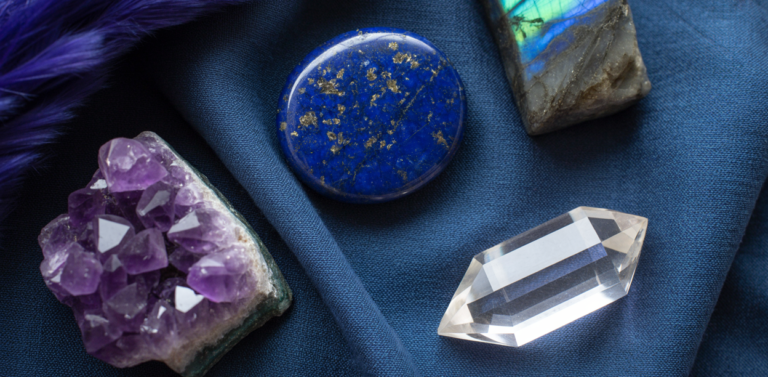
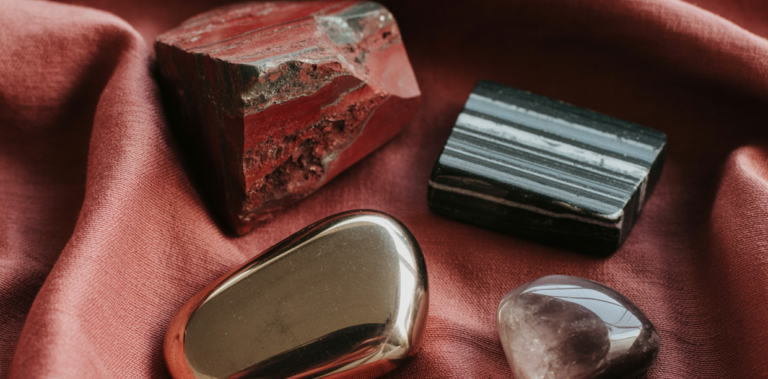
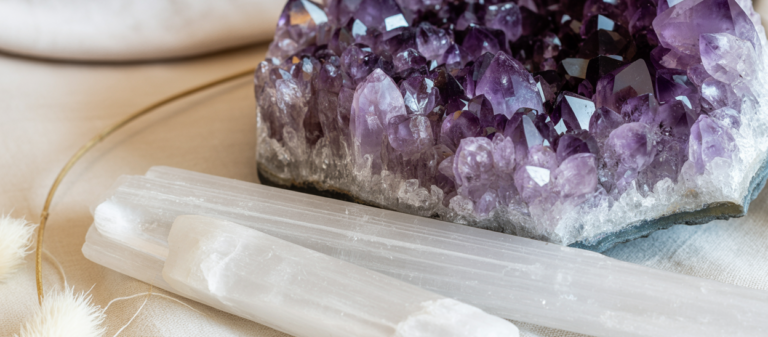
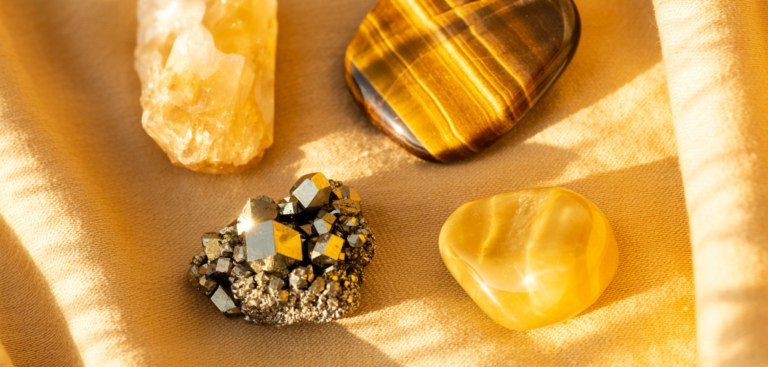
Crystals for summer solstice energy. Citrine is the primary solstice stone — associated with solar energy, abundance, and joy. Sunstone for warmth. Clear quartz to amplify intention. Carnelian for vitality. Tiger’s eye for confidence and clarity. If you have any of these, place them on the altar. If not, a smooth yellow or orange stone from a garden, or a piece of fresh citrus placed intentionally, carries the same symbolism.
Botanicals and sun symbols. Sunflowers are the solstice flower — their heliotropic movement following the sun makes them the most literal botanical symbol of what this day represents. Dried calendula, chamomile, or St. John’s Wort (a traditional solstice herb) all belong here. Fresh herbs — rosemary for clarity, basil for abundance, mint for fresh beginnings — add scent and living energy.
Your intention object. One thing that represents what you’re moving toward in the second half of the year. This can be a word written on paper and placed in the center of the altar. A photograph of somewhere you want to go or something you want to create. An object that symbolizes the quality you’re calling in: a small mirror for self-worth, a piece of rose quartz for self-compassion, a dried leaf for release, a seed for something new beginning. The altar’s job is to hold your intention visually so you can return to it.
Solstice altar essentials

Citrine is the solstice stone — associated with solar energy, abundance, joy, and the warmth of summer. A raw citrine point or a clustered citrine in the center of a solstice altar is the most aligned crystal choice for this specific threshold. Look for natural (not heat-treated) citrine if available — it ranges from pale yellow to warm amber rather than the deep orange of treated amethyst sometimes sold as citrine.

Beeswax burns cleaner than paraffin, smells gently of honey, and has a warm amber flame quality that suits the solstice aesthetic more than any other candle type. A set of three in graduated heights — or three identical pillars for a more unified look — provides the clustered candle arrangement that anchors the altar visually. Keep them specifically for the altar rather than everyday use.

Both calendula and chamomile are traditional solstice herbs — sun-shaped flowers that bloom in summer and have been associated with the solstice in European folk tradition for centuries. Dried and placed on the altar or scattered around candles, they add color, texture, and botanical energy that fresh flowers provide differently.

Sunstone carries the same quality of warmth and golden energy as citrine with a more shimmering, aventurescent quality — like sunlight caught in stone. Tiger’s eye is grounding alongside its solar energy, useful for intentions around confidence and clarity. A small set of two or three complementary stones creates a richer altar arrangement than a single stone.
The fire ritual: releasing what you’ve been carrying
Fire is the primary element of the summer solstice — the sun at its peak is fire at its fullest. Working with fire as part of solstice ritual is one of the oldest and most widespread human practices across cultures and traditions. The symbolic logic is immediate: fire transforms. What you give to fire doesn’t disappear — it changes form. The weight of a thing written down and burned is genuinely lighter after the burning than before it.
This ritual is for release. The self-criticism that found a home in January and hasn’t left. The grief over what this season can’t hold. The identity illness has constructed around you that isn’t entirely who you are. The word — burden, sick person, not enough — that you’re ready to stop living inside.
What you need: A candle (your altar candles work for this). Small pieces of paper. A pen. A fire-safe bowl or dish — ceramic, cast iron, or any vessel that can safely hold a small burning piece of paper. A glass of water nearby for safety.
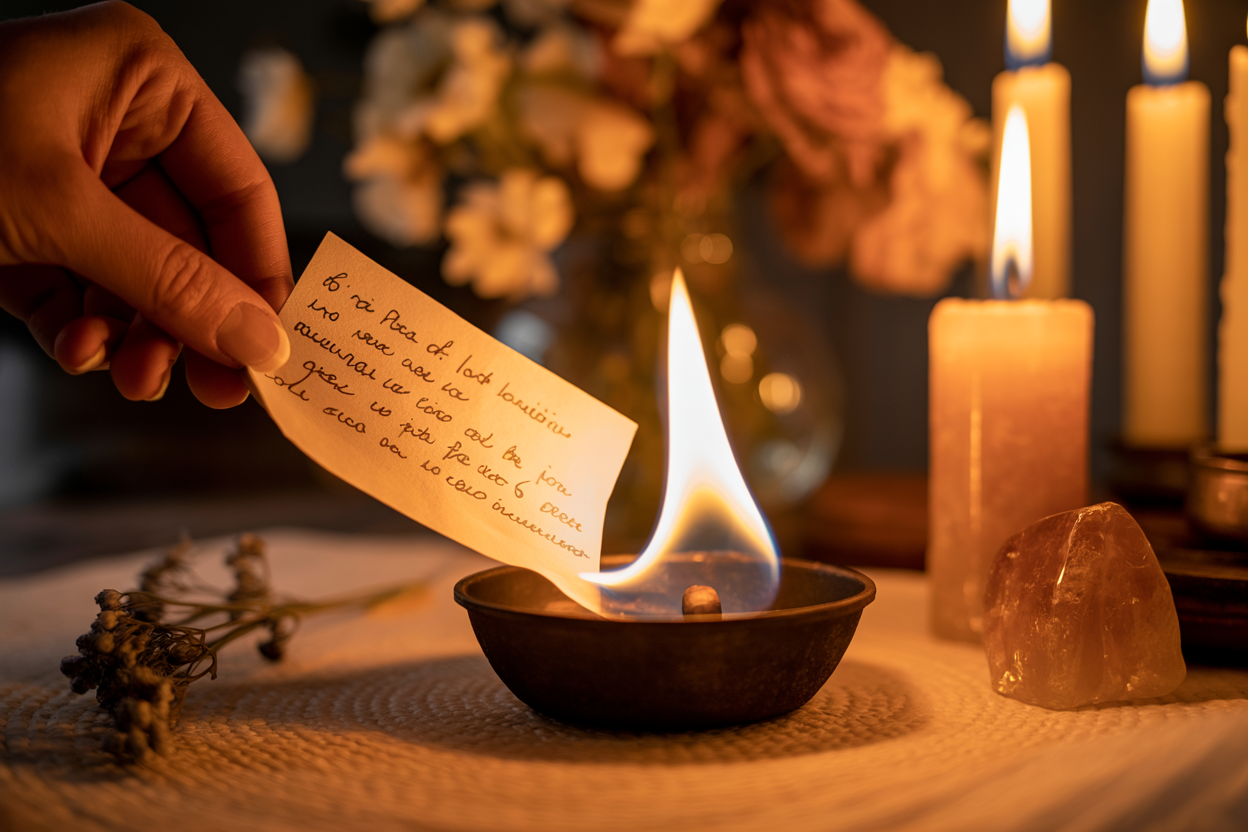
The practice: Light your candle. Sit quietly for a few minutes — the quality of stillness before a fire ritual matters. Let the flame settle. Then write, on separate small pieces of paper, the things you’re ready to release. One thing per piece of paper. Write specifically: not “my pain” but “the shame I carry about needing help.” Not “this year” but “the expectation that I would be better by now.” The more specific the release, the more complete it tends to feel.
When you’re ready — and only when you’re ready, there’s no rush — hold the corner of the first paper to the candle flame and place it in the fire-safe bowl. Watch it burn. Don’t move on immediately. Let the burning be witnessed by you. Then the next, and the next, until they’re all done.
Sit with what remains for a few minutes before moving on. The ash is the evidence of transformation. The air is lighter. You may feel lighter. Or you may feel tender, or unexpectedly emotional, or simply still. All of that is the right response to real release work.
If you’re having a hard day: lighting a candle, writing one thing you’re releasing, reading it aloud, and tearing the paper into small pieces rather than burning it carries the same intention with less physical demand. What matters is the act of naming and releasing, not the method.
You don’t have to carry everything you’ve picked up this year into the next half. The solstice is the invitation to put some of it down.
For fire ritual and solstice ceremony
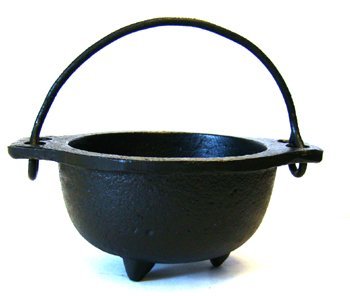
A small fire-safe bowl specifically for burning intentions and ritual paper. Cast iron is the most durable and heat-resistant option — it can be placed on any surface without risk and used season after season. A ceramic bowl in a natural glaze works beautifully and holds the aesthetic of a ritual space without looking clinical.
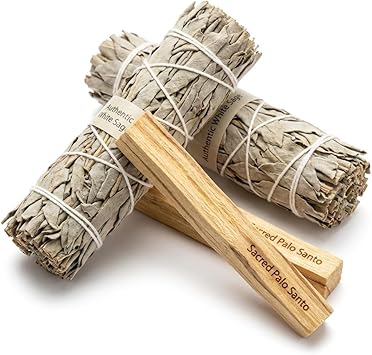
Smoke cleansing the space before a fire ritual is a traditional way of clearing energy and marking the transition from ordinary time into intentional time. Palo santo has a sweeter, more resinous scent than white sage and is generally better tolerated by people with fragrance sensitivities. Open a window before burning and use thoughtfully and briefly.

Small, quality pieces of paper for writing release intentions and solstice intentions — something that feels more like a ritual object than a torn corner of a grocery list. Small cards or cut pieces of thick writing paper have the right weight and presence for work that deserves to feel intentional.

Long matches or an extended lighter for lighting candles without the awkward reach of short matches — a small practical detail that makes ritual practice smoother, which matters when you’re trying to stay present rather than managing logistics. A beautiful matchbox or a dedicated lighter kept with your altar supplies signals that this practice is worth the small investment in the right tools.
The water ritual: cleansing and renewal
Where fire is the element of release and transformation, water is the element of cleansing and renewal. The summer solstice water ritual is about washing away what the fire work released — moving it out of the body and not just the mind. It is also about receiving: letting something nourishing and cleansing and intentional move through you as you enter the second half of the year.
This ritual can be as elaborate or as simple as your body and the day allow. The full version is a ritual bath with intention. The simplified version is a mindful shower. Both work. The water is the constant.
The solstice ritual bath. If a bath is available and accessible to you, this is one of the most complete self-care rituals the season offers. Fill the bath with warm water — not hot, particularly in summer when heat management matters. Add one or several of the following based on what appeals and what your body tolerates:
- Fresh or dried flowers — sunflowers, roses, calendula, lavender — floated on the surface. This is the element that makes a solstice bath immediately photographable and immediately beautiful, and beauty is the point as much as the practice.
- Epsom salt, which provides magnesium absorption through the skin — genuinely useful for chronic pain and muscle tension beyond its ritual connotations.
- A few drops of pure essential oil — lavender for calm, rose for self-love, citrus for solar energy alignment with the solstice.
- A crystal placed at the edge of the bath — citrine or rose quartz set at the rim holds intention without going into the water.
Before entering, state your intention aloud or internally: I am releasing what I wrote on my fire papers. I am receiving what I’m moving toward. I am here, in this body, on this longest day. Stay as long as your body allows. When you’re ready to leave, imagine what you’re releasing moving out with the water as it drains.
The solstice shower. Stand under the water with intention rather than on autopilot. Before turning on the water, set the same intention you would for the bath. Let the water run over the back of your neck — the cooling and cleansing sensation there is particularly significant if you’ve been holding tension or heat. Breathe. Let the shower be the cleansing it is, with the added weight of the ritual framing.
Sun-charged water for after. A glass of water left in direct sunlight for an hour or two and then drunk with intention is the simplest possible form of the solstice water ritual — solar energy received through water, on the day when solar energy is at its peak. This is the version available when nothing else is.
For the solstice water ritual and bath practice

Epsom salt (magnesium sulfate) absorbed through the skin provides genuine relief for muscle tension and chronic pain beyond its ritual use — magnesium deficiency is common in people with chronic pain conditions, and bath absorption is a gentle, effective delivery method. A large bag means you never run out. The lavender version adds scent without requiring separate essential oil.

A beautiful bath blend or bag of dried rose petals for the solstice bath. Floating dried flowers on the surface of a ritual bath creates the visual that makes the experience feel genuinely ceremonial rather than just practical. Rose petals are the most classic choice; calendula adds warmth and color; lavender adds calm.

Sweet orange, grapefruit, or lemon essential oils carry the solar, bright, uplifting energy of the solstice in scent form. A few drops in the bath, in a diffuser during the ritual, or diluted in a carrier oil for an after-bath body treatment extends the sensory experience of the ritual into the rest of the day. Always dilute before skin contact.
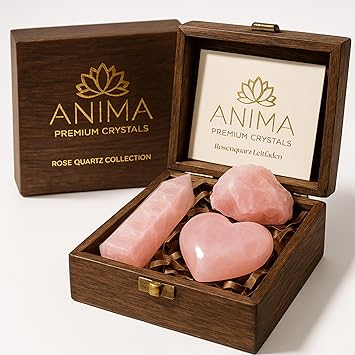
A small rose quartz or citrine placed at the rim of the bath holds the intention of the ritual without going into the water — water contact doesn’t harm most crystals but some should stay dry. Rose quartz for self-compassion and self-love. Citrine for solar alignment and abundance. Either is appropriate for the solstice and for what the water ritual is asking for.
Solstice journaling: setting intentions for the second half of the year
The fire ritual is for release. The water ritual is for cleansing. The journaling is for building — for the deliberate, unhurried work of deciding what the second half of the year holds. Not what it will hold (because life with chronic illness teaches humility about predictions) but what you intend for it. What you’re directing your energy toward. What matters enough to write down on the longest day of the year.
Solstice journaling is different from resolution-making. It is warmer, more honest, more anchored in the actual life you’re living. It doesn’t require performance. It’s a conversation with yourself on a meaningful day, with specific prompts that invite depth rather than productivity.
Before you begin: Sit with your altar candles lit. Let yourself arrive before picking up the pen. The intention is not to produce something correct or beautiful, but to be honest. Work through the prompts at whatever pace feels right.
Solstice journal prompts for healing and intention:
For releasing:
- What have I been carrying through the first half of this year that I’m ready to put down?
- What story about myself or my body am I ready to stop telling?
- What expectation — of myself, of this year, of this body — no longer serves me?
For honoring:
- What has my body gotten through this year that deserves acknowledgment?
- What have I done well in navigating my life with chronic illness in the first six months of this year?
- What moment — however small — am I genuinely proud of?
For setting intentions:
- What do I most want the second half of this year to feel like?
- What one word would I choose to carry forward as an intention?
- What small, sustainable thing can I do in July that is purely for my own pleasure?
- What would I want to say to myself, on December 31st, about who I was in this summer?
You don’t need to answer all of these. You don’t need to answer any of them completely. The prompts are doors — open the ones that lead somewhere useful today and leave the others for another year.
When you’re done, write your word — your intention for the second half of the year — at the top of a fresh page and leave that page open beside your altar. Let it be visible. Let it be something you return to.
For solstice journaling and intention setting

A journal you specifically want to pick up on the solstice — something that feels like a ritual object rather than a notebook. Lay-flat binding matters for writing comfort, particularly if hand or wrist fatigue is part of your experience. Thick, cream-colored pages hold ink without bleed-through and feel more substantial than thin lined paper.

A pen that writes smoothly enough that the physical act of writing doesn’t interrupt the flow of thought — relevant for anyone with hand pain or fatigue that makes poor-quality pens more of an obstacle than they should be. A gold or copper finish aligns with the solar aesthetic of the solstice and makes the practice feel appropriately elevated.

A card deck used at the start of the journaling practice — drawing one card as an opening reflection — adds an element of surprise and often surfaces something the prompts alone wouldn’t reach. Look for decks with affirmation, reflection, or self-inquiry cards rather than predictive decks; the goal is a reflection tool, not a fortune-telling one.

A structured seasonal journal that provides ritual prompts, moon phase tracking, and reflection space specifically designed around the wheel of the year. If unstructured journaling is difficult due to brain fog or decision fatigue, a structured journal that provides the framework reduces the barrier to practice significantly.
The solstice morning: how to begin the longest day
The summer solstice begins — truly begins — at sunrise, when the sun rises earlier on this day than any other. There is something specific about being awake for the solstice sunrise. It is not necessary. It is not a requirement of the practice. But it is a particular quality of beginning that the day doesn’t offer any other time of year — the sun at its most committed, rising as early as it ever does, the light coming golden and long before the day has had a chance to get complicated.
If you can be awake for it — or if you happen to wake early, as people with chronic illness sometimes do — going outside for even ten minutes in that light is the simplest possible solstice ritual. Stand in it. Or sit in it. Let it land on your face. Let the longest day begin with your skin in the sun rather than the screen.
A solstice morning tea ritual. Make something warm and intentional in the early morning — a tea whose herbs carry summer solstice energy. Chamomile, which is the plant most traditionally associated with the solstice sun. Lemon balm, which is calming and brightening simultaneously. St. John’s Wort, the traditional solstice herb that blooms around June 21st and has been gathered on this day for thousands of years. Peppermint for clarity and brightness. Sit with the tea before the day gets moving. Hold it in both hands. Let the warmth be the first intentional thing you receive on the longest day.
Bare feet on the earth. Standing or sitting with bare feet directly on soil, grass, or sand is one of the most consistently reported calming practices available. On the solstice, when the earth is at its summer peak, this becomes a way of receiving that energy directly. Even five minutes on the garden or balcony in the morning is sufficient. For people with chronic illness whose relationship with the earth has become mediated by pain and limitation, this direct contact is its own form of reconnection.
Stating your word aloud. The intention word you wrote in your journal — say it aloud on the morning of the solstice. Once, outside if possible, into the longest light. Not as a wish but as a direction. Not hoping for it but choosing it. This is one sentence spoken once on one morning, and it is enough to carry the intention from the internal, private space of journaling into the world.
The solstice is a moment to set intentions for the second half of the year — including intentions about how you advocate for yourself in the spaces that shape your health. If one of those intentions is to walk into medical appointments more prepared, more grounded, more clearly heard, Say This: 30 Scripts for Chronic Pain Communication gives you the language for 30 real situations. Because advocating for yourself is one of the most powerful intentions you can set on the longest day of the year. Get your copy of SAY THIS here
The longest day, and what you do with it
You don’t need to do all of this. You don’t need to do any of it in the order it appears here, or in a single sitting, or with perfect execution. The solstice offers a container — a named, energetically significant day — and what you put inside that container is yours to decide.
A single lit candle and five minutes of honest journaling is a solstice ritual. A slow morning tea in the early golden light is a solstice ritual. Stepping outside at midday for ten minutes and letting the sun land on you with intention is a solstice ritual. You scale this practice to what your body offers on this particular June 21st, and whatever that is, it’s enough.
What the solstice asks of you is not elaborate ceremony. It asks for a pause. A moment of looking at where you are, mid-year, mid-journey, in the middle of the life you’re actually living with the body you actually have. And from that honest place, a turning — not dramatic, not forced, but real — toward the second half of the year and what you want it to hold.
The sun is at its peak. The day is at its longest. You are here, still, navigating something most people don’t fully understand. That persistence is worth honoring. That intention you set today is worth the longest light of the year.
Happy solstice.