Fall Boots for Chronic Illness: Supportive, Stylish, and Actually Wearable All Day
The content on this site was created with the help of AI. LOVEOWE LLC participates in the Amazon Services LLC Associates Program and other affiliate programs. As an Amazon Associate, I earn from qualifying purchases. This means I may earn a small commission—at no extra cost to you—when you make a purchase through links on this site. All opinions are my own. Learn more click here. Thank you for your support!

I bought a pair of boots one October that I was completely in love with. Cognac leather, block heel, the exact right shade of warm brown that goes with everything in a fall wardrobe. I wore them to a dinner with friends and spent the last hour of the evening doing math in my head — calculating how far I’d have to walk to get back to the car, whether I could get my shoes off in the restaurant without making a scene, how bad the foot and ankle pain was going to be by morning.
They were beautiful. They were unwearable. I donated them in January and felt guilty about it for months, the way you do when a thing that was supposed to be a treat turns into a source of pain.
That was before I understood that the boots I needed weren’t going to be found by browsing what was trending. They were going to be found by knowing exactly what my body required and then finding the most beautiful version of that. Side zip instead of pull-on. Wide toe box instead of pointed. Low heel with real cushioning instead of a block heel that looked supportive but wasn’t. Removable footbed so I could use my own orthotics. A shaft wide enough to fit over compression socks or a swollen ankle without drama.
Every boot on this list was chosen against those requirements. Because fall boot season is supposed to be one of the good parts of the year — and your body’s needs don’t have to take you out of it.
What Chronic Illness Actually Requires from a Boot
Before the list, it’s worth naming what we’re actually looking for — because “comfortable boot” means something very different in a chronic illness context than it does in a general fashion one. A boot can have a cushioned footbed and still destroy your ankles by noon. It can be labeled “orthopedic” and still have a toe box that compresses swollen joints. The word “comfortable” in mainstream fashion means approximately nothing.
Here’s what actually matters. A wide or extra-wide toe box that doesn’t compress the forefoot — essential for people managing inflammation, neuropathy, or foot swelling. A low heel of two inches or under with a broad base for stability — not a stiletto, not a platform that throws off your gait, not a wedge that looks flat but still tilts the foot forward. A removable footbed for people who use custom orthotics. A shaft that closes with a side zip rather than requiring you to pull or lace — because on high-pain hand and wrist days, the boot needs to go on in under ten seconds. And a sole with genuine grip for the wet leaves and slick surfaces that fall brings.
Style is not in conflict with any of these requirements. The boots exist. You just have to know what to look for.
Ankle Boots: The Everyday Fall Essential
The ankle boot is the workhorse of a chronic illness fall wardrobe — it works with leggings, wide-leg trousers, midi skirts, and jeans, it doesn’t require managing a full shaft, and the right one is genuinely easy to get on and off. For chronic illness specifically, the ankle boot is the format that offers the most options in terms of toe box width, sole construction, and closure style — which means more choices, and a better chance of finding exactly what your body needs.
The non-negotiables in an ankle boot for chronic illness: a side zip that runs the full length of the opening (partial zips that you still have to wrestle your foot into don’t count), a heel under two inches with a wide base, and enough room in the toe box to wiggle your toes without restriction. Everything else — color, material, silhouette — is personal.
Ankle Boots Worth Wearing All Day

A wide-width ankle boot with a full side zip and a low block heel is the foundational chronic illness fall boot — it accommodates foot swelling and wider toe boxes, goes on without any fine motor demands, and the block heel provides enough lift to be distinctly boot-like without shifting your center of gravity or stressing your knees. Look for a removable insole so your own orthotics can go in.

For days when even a low heel is too much — high pain days, post-procedure days, days when your balance is off — a flat ankle boot with real cushioning underfoot is what keeps you in actual footwear rather than defaulting to slippers. The key is the footbed: foam padding that compresses immediately is not the same as a structured cushioned insole. Look for memory foam or EVA cushioning with arch support built in.

The Chelsea boot is a chronic illness-friendly silhouette because the elastic gore panels on either side mean the boot stretches to accommodate swelling and foot shape variation without requiring any lacing or zipping. Look for a version with a genuinely cushioned sole rather than a thin leather one — the classic Chelsea construction is notoriously flat, but there are plenty of modern versions with proper shock absorption built in.
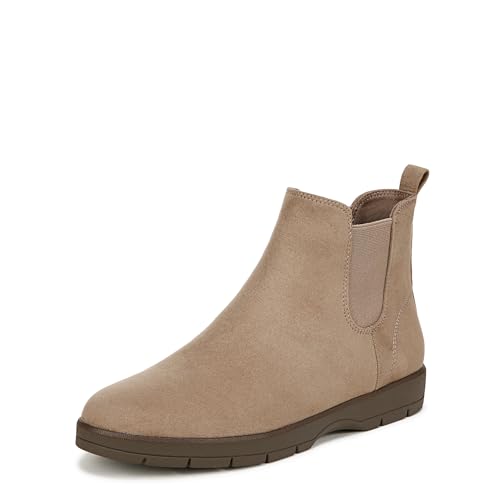
A slip-on ankle boot with a rubber sole is the lowest-effort fall footwear option that still looks like an intentional outfit choice. The rubber sole provides grip on wet surfaces — fallen leaves and morning dew are a real fall hazard for anyone with balance or gait issues — and a wide toe box means your foot isn’t being compressed from the moment you put it on. This is the boot you reach for on the hardest mornings.
Knee-High and Mid-Calf Boots: Fall’s Biggest Statement, Done Right
Knee-high and mid-calf boots are the fall aesthetic statement — worn over leggings, under a midi dress, with wide-leg trousers where just the toe peeks out. For chronic illness, they’re also where fit becomes most complicated, because the shaft has to accommodate calf circumference that may change with swelling, compression garments, or bracing — and most boots are sized only for foot length without any acknowledgment that calves come in more than one width.
The things to look for: a side zip that runs the full length of the shaft, wide-calf options that provide real extra room rather than a token half-inch, and a shaft height that doesn’t end exactly at the point where your knee swells or where a brace sits. Mid-calf boots are often more practical for chronic illness than full knee-highs because they clear most bracing and compression garments entirely while still providing the fall aesthetic you’re after.
When You Show Up Put-Together and Still Get Dismissed
There’s a particular frustration in walking into a medical appointment in a great outfit — boots on, feeling like yourself — and still not being heard. Looking well is not the same as being well, and too many doctors make assumptions based on appearance. Say This: 30 Scripts for Chronic Pain Communication gives you the exact language to make sure what you look like never overrides what you’re actually experiencing.Get the Scripts →
Knee-High and Mid-Calf Boots for Every Calf Width

A genuine wide-calf knee-high boot — not standard sizing labeled as wide — is the piece that lets chronically ill people participate in fall’s most classic footwear trend without spending the day managing a shaft that’s too tight or cutting off circulation. The full side zip means no struggling with a pull-on shaft on a bad grip-strength day. Look for an adjustable or stretch panel at the top for days when swelling runs higher than usual.

A stretch-shaft mid-calf boot solves the calf-width problem elegantly — the fabric gives with your body rather than compressing against it, which means it fits over compression socks, accommodates daily swelling variation, and doesn’t require a specific calf measurement to work. The mid-calf height clears most ankle bracing and sits below the knee where swelling often concentrates.

Over-the-knee boots with an elastic back panel are one of the most accommodating tall boot options for chronic illness — the elastic allows the shaft to adjust to your knee and thigh circumference throughout the day rather than cutting in as swelling changes. Soft suede construction means the boot moves with you rather than holding a rigid shape against your leg. Worn with a midi dress or over leggings, the result is effortlessly fall.

The riding boot is one of fall’s most classic silhouettes and one of the most practical for chronic illness — it’s flat, it has a wide shaft that fits over compression garments, and the structured sole provides genuine support underfoot. Look for a version with a cushioned insole rather than the traditional thin leather footbed, and a side zip for easy entry on hard mornings.
Weather-Ready Boots: For the Unpredictable Fall Day
Fall weather is genuinely unpredictable — dry and warm one day, wet and cold the next, with morning frost and afternoon sun in the same twenty-four hours. For people managing chronic illness, getting wet and cold unexpectedly isn’t just uncomfortable — it can be a direct pain trigger. Cold and damp feet accelerate joint pain and inflammation, and for people with Raynaud’s or circulation issues, wet feet in cold weather can become a medical situation rather than just an inconvenience.
A weather-ready boot for chronic illness needs to be waterproof or water-resistant at minimum, warm enough for cold mornings, and still comfortable for the full range of whatever the day brings. The good news: the construction features that make a boot weather-ready — rubber soles, sealed seams, insulation — also tend to make it more supportive and durable. The weather boot and the supportive boot are often the same boot.
Weather-Ready Boots for Cold, Wet Fall Days

A genuinely waterproof ankle boot — membrane-lined, sealed seams, rubber outsole — is the chronic illness investment piece for fall. It keeps feet dry and warm regardless of weather, the rubber sole grips wet surfaces reliably, and because it’s doing real functional work, these boots tend to have better structural support than purely fashion-forward options. Look for one that doesn’t read as utilitarian — there are beautiful options in leather-look finishes and warm neutrals.

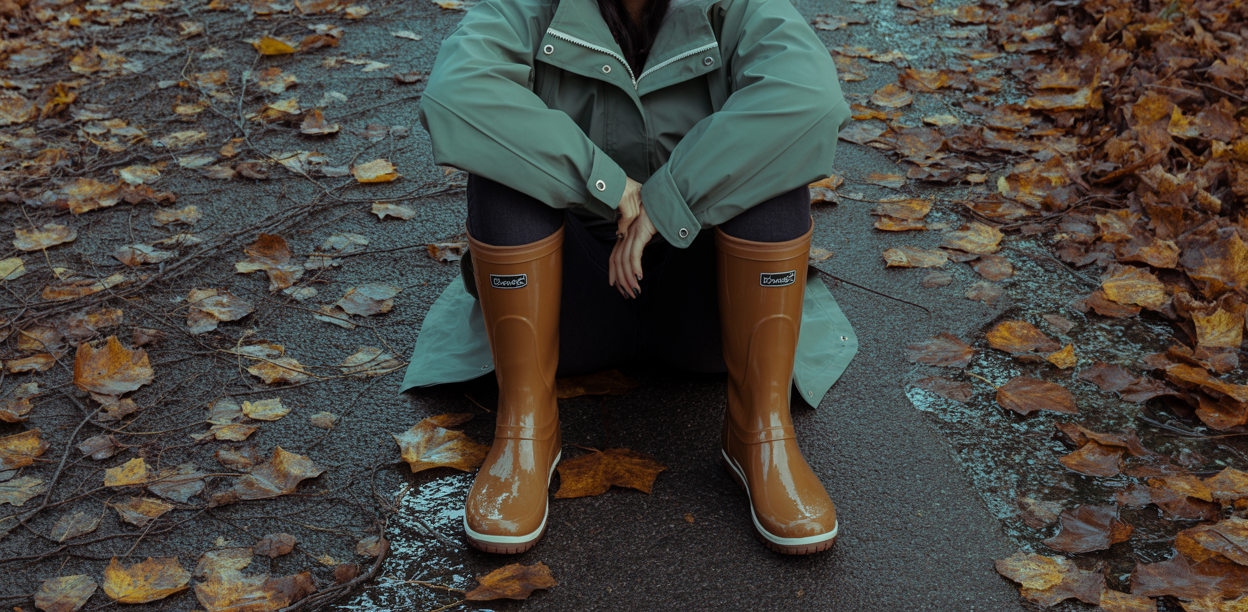
The duck boot has become a legitimate fall aesthetic piece, and for chronic illness it offers something most fashion boots don’t: complete waterproofing, a rubber lower that handles any surface, and insulation that keeps feet genuinely warm. A wide-fit version accommodates foot swelling, thick socks, and compression garments without the shaft cutting into the ankle or calf.

For boots that aren’t inherently waterproof but that you love, a quality water-resistant spray adds a layer of protection against light rain and damp without changing the look or feel of the material. Apply to suede and leather boots at the start of the season and reapply monthly. It won’t make a fashion boot into a rain boot, but it significantly extends the range of weather conditions in which your favorite pair is wearable.

The right sock is part of the boot system — and for chronic illness, a thermal sock with a cushioned sole adds a meaningful layer of warmth and impact absorption that the boot alone may not provide. Look for a merino wool blend (warm, moisture-wicking, non-itchy) with a flat-knit toe seam so there’s no pressure point against sensitive skin. These work under any boot with enough shaft room to accommodate slight extra volume.
Making Every Boot Work Better: Insoles, Accessories, and Small Upgrades
Sometimes the boot that’s almost right is worth keeping — it just needs the right insole, the right sock, or one small modification to become genuinely wearable for a full day. This is especially true when you find a boot that fits the aesthetic you want and ticks most of the structural boxes but needs a little more cushioning or arch support than it comes with.
Custom orthotics, if you have them, should be the first thing you try in any new boot — which is why a removable footbed is so important in chronic illness footwear. If the boot’s existing insole comes out cleanly, your orthotic goes in and the fit is usually improved. If the insole is glued in, you’re working around it, which rarely ends well.
For boots where your orthotics don’t fit or you don’t use custom ones, an over-the-counter supportive insole can add meaningful cushioning and arch support to an otherwise good boot. The goal is a foot that’s neither compressed from the sides nor unsupported from underneath — and a good insole gets you closer to that even in an imperfect boot.
Insoles and Accessories That Make Boots Work Harder

A quality over-the-counter orthotic insole with arch support and deep heel cupping can transform a mediocre boot into a genuinely supportive one — or make an already good boot last for a full day instead of half one. Look for a three-quarter length version designed specifically for boots, which fits without crowding the toe box. Brands that podiatrists commonly recommend include Superfeet, Powerstep, and Spenco.

Heel slippage is a significant issue in boots for people with narrower heels or foot width variation from swelling — and the friction of a slipping heel becomes a blister rapidly, which becomes a wound in people whose healing is compromised by chronic illness or medication. Adhesive heel grip pads added to the back lining of a boot stop slippage entirely and can make the difference between a boot you wear once and one you wear all season.
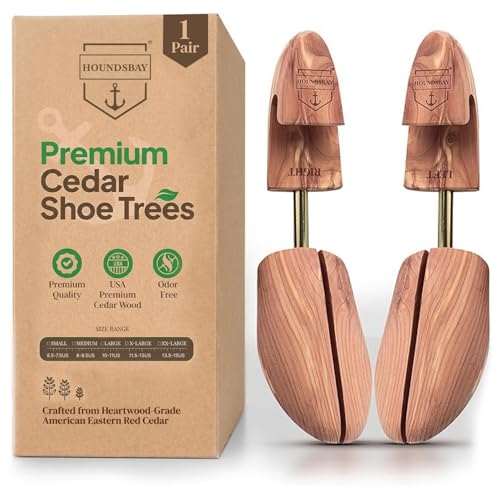
A boot stretcher used overnight with a stretching spray can add meaningful width to a leather or suede boot that’s almost right — useful for boots that fit the heel and arch well but compress slightly at the toe box or ball of the foot. This is the tool that salvages a boot you love that doesn’t quite work yet, and it’s significantly cheaper than buying a new pair.

A long-handled shoe horn is one of those tools that sounds minor until you have a chronic illness and suddenly it’s essential. Getting a boot on without bending over, without forcing your foot in, without the heel-crushing that shortens the life of the boot — all of it becomes easier with a proper shoe horn. A long handle means you don’t have to bend at all, which matters on high-pain mornings when getting dressed is already a negotiation.
Dressed Well. Still Not Being Heard.
You can put together a beautiful fall outfit — boots on, feeling fully yourself — and walk into a medical appointment and still leave feeling dismissed. The way you present yourself should never be used against you. Say This: 30 Scripts for Chronic Pain Communication gives you the words to ensure your appearance never becomes an argument against your pain. Because you deserve to be heard on every kind of day.Get the Scripts →
Fall Boot Season Is Yours
The boots exist. The ones that are beautiful and supportive and wearable past noon on a hard day and appropriate for every occasion fall throws at you. They’re not hiding — they just require a more specific search than “trending fall boots,” and a clearer understanding of what your body actually needs from footwear than most fashion content ever bothers to provide.
Now you have both. The framework — wide toe box, low stable heel, full side zip, removable footbed, weather-appropriate sole — and a list of actual options built against those requirements. From here, it’s just finding your version of beautiful within that framework. The cognac leather ankle boot. The wide-calf riding boot in black. The waterproof option that looks nothing like a rain boot. The Chelsea boot that goes on in five seconds on a morning when five seconds is all you have.
Fall boot season is one of the genuinely good parts of the year. Your body’s needs don’t have to take you out of it. They just change how you shop for it — and now you know exactly how to do that.
Wear the boots. Feel like yourself. And if you’re heading to a medical appointment in them and need the language to make sure you’re actually heard when you get there, Say This: 30 Scripts for Chronic Pain Communication is waiting for you.