

Afrohemian Wall Art Ideas for 2026: Textiles, Sculptural Masks & Minimalist Tribal Patterns
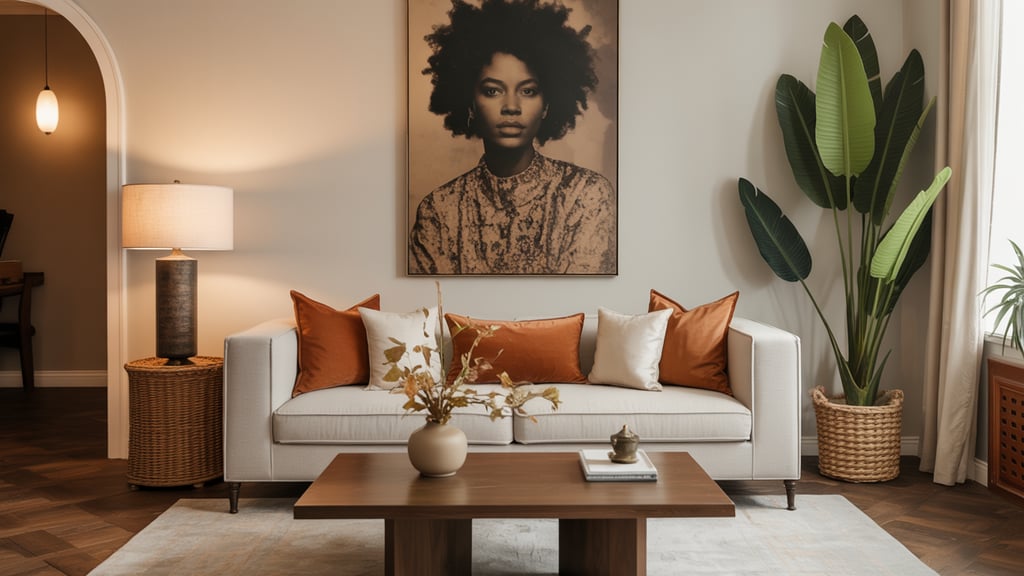
Afrohemian wall art in 2026 blends sculptural masks, woven textiles, and minimalist tribal patterns for spaces that feel elevated, cultural, and timeless.
HOME DECOR
FONNI
12/26/202510 min read
The content on this site was created with the help of AI. LOVEOWE LLC participates in the Amazon Services LLC Associates Program and other affiliate programs. As an Amazon Associate, I earn from qualifying purchases. This means I may earn a small commission—at no extra cost to you—when you make a purchase through links on this site. All opinions are my own. Learn more click here. Thank you for your support!
Your walls tell the story of who you are and what you value. I've fallen deeply in love with the Afrohemian aesthetic—a stunning fusion of African heritage, bohemian freedom, and modern minimalist sensibility that creates spaces feeling both globally inspired and personally meaningful. This design movement celebrates cultural richness while maintaining the clean, intentional approach that makes contemporary homes livable. It's where ancestral artistry meets modern sophistication.
Imagine transforming blank walls into galleries celebrating African craftsmanship, where hand-woven textiles add warmth and texture, sculptural masks serve as powerful focal points, and minimalist tribal patterns create visual rhythm without overwhelming your space. By thoughtfully curating Afrohemian wall art—from authentic cultural pieces to contemporary interpretations—you create rooms that feel collected, traveled, and deeply personal. This approach will revolutionize your space while honoring artistic traditions spanning centuries.
The beauty of Afrohemian wall art lies in its ability to bridge cultural appreciation with contemporary design principles. These pieces aren't mere decoration—they're conversations about heritage, craftsmanship, and the universal human desire to create beauty. With respectful curation and intentional placement, anyone can incorporate these powerful elements into their home. Let's explore how to build an Afrohemian wall art collection that's both stunning and culturally conscious.
Understanding the Afrohemian Aesthetic
Before selecting wall art, understanding this design philosophy ensures authentic, respectful implementation.
Defining Afrohemian Design
Afrohemian blends three distinct influences into cohesive aesthetic:
African Heritage:
Traditional patterns and motifs
Handcrafted artisan pieces
Natural materials (wood, clay, fiber)
Cultural symbolism and meaning
Earthy color palettes
Bohemian Spirit:
Eclectic mixing of patterns and textures
Layered, collected-over-time feeling
Global influences beyond single culture
Relaxed, lived-in comfort
Personal expression prioritized
Modern Minimalism:
Clean lines and negative space
Intentional curation over clutter
Quality over quantity
Neutral foundations
Contemporary color applications
The Cultural Appreciation vs. Appropriation Conversation
Engaging with Afrohemian design requires thoughtful consideration:
Respectful Appreciation Includes:
Supporting African and Black artisans and artists
Learning about pieces' cultural significance and context
Displaying items with understanding and reverence
Acknowledging and crediting origins
Avoiding sacred or ceremonial items as mere decoration
Appropriation Includes:
Using cultural items without understanding
Supporting mass-produced copies over authentic pieces
Treating cultural artifacts as exotic props
Ignoring historical and contemporary context
Best Practices:
Purchase from Black-owned galleries and shops when possible
Research artists and their cultural backgrounds
Understand symbolism of patterns and motifs
Display with intention, not as stereotypes
Educate yourself about African art history
Key Elements That Define the Look
Successful Afrohemian walls balance these components:
Texture: Woven textiles, carved wood, natural fibers
Dimension: Sculptural elements creating depth
Pattern: Tribal motifs, geometric designs, organic forms
Natural Materials: Wood, clay, fiber, metal, natural dyes
Earthy Palette: Terracotta, ochre, indigo, natural browns, cream
Negative Space: Allowing pieces room to breathe
Creating Your Afrohemian Color Palette
Color selection ensures cohesive collection that flows beautifully.
Foundation Neutrals
Build walls around warm, earthy bases:
Wall Colors:
Warm white or cream
Soft terracotta
Sandy beige
Light clay
Natural linen tones
Why These Work: Provide calm backdrop allowing art to shine while maintaining warmth
Traditional African Color Inspirations
Earthy Tones:
Rich terracotta and rust
Deep browns and taupes
Natural clay shades
Warm ochres and siennas
Natural Dyes:
Indigo blues (West African tradition)
Ochre yellows
Mud cloth browns and blacks
Plant-based greens
Accent Colors:
Burnt orange
Deep burgundy
Forest green
Saffron yellow
Modern Minimalist Applications
Use traditional colors in contemporary ways:
Large Neutral Areas: Cream walls, natural textiles Bold Accent Pieces: Single vibrant textile or mask Tonal Variations: Multiple shades of terracotta and clay Monochromatic Statements: All-natural fibers in varying textures
Wall Textiles: Woven Stories and Texture
Textile art forms the heart of Afrohemian wall decoration.
Authentic African Textiles
Kente Cloth (Ghana):
Brightly colored woven silk and cotton
Complex geometric patterns
Historically royal garments
Display: Frame smaller pieces or hang full cloths on rods
Cultural Note: Each pattern and color holds specific meaning
Mud Cloth/Bògòlanfini (Mali):
Cotton fabric dyed with fermented mud
Earthy browns, blacks, creams
Geometric symbols with spiritual significance
Display: Frame as art, hang as tapestry, or drape casually
Pairs beautifully with minimalist spaces
Kuba Cloth (Democratic Republic of Congo):
Raffia palm fiber textiles
Intricate embroidered geometric patterns
Natural earth tones
Display: Frame individual pieces or create gallery wall
Adds incredible texture
Baskets as Wall Art (Various Regions):
Woven baskets from Rwanda, Uganda, Ethiopia
Circular patterns, natural fibers
Display: Cluster on wall in various sizes
Creates dimensional, sculptural effect
Indigo-Dyed Fabrics (West Africa):
Deep blue textiles using traditional resist-dyeing
Patterns created through tie-dye, batik, or stamping
Display: Large pieces as statement tapestries
Provides bold color without overwhelming
Contemporary Interpretations
Modern African Textile Artists:
Support living artists creating contemporary work
Textile installations and fiber art
Abstract interpretations of traditional patterns
Often available through galleries specializing in African art
Textile Display Methods:
Framing:
Professional framing elevates textile to fine art
Use conservation materials
Float-mount for dimensional effect
Consider museum glass for protection
Wall Hanging:
Install wooden or metal rod
Allow textile to drape naturally
Use decorative finials on rod ends
Works beautifully for larger pieces
Stretched Canvas:
Mount textile on canvas frame
Creates clean, gallery-like presentation
Protects edges and provides structure
Casual Draping:
Hang from clips or pins for relaxed feel
Layer multiple textiles
Change seasonally for fresh looks
Layering and Arranging Textiles
Single Statement Piece:
Large textile as solo focal point
Center on primary wall
Allow plenty of negative space around it
Gallery Wall Approach:
Multiple smaller textiles framed uniformly
Create grid pattern for modern look
Mix textile pieces with other art types
Cluster Method:
Group 3-5 textile pieces in organic arrangement
Vary sizes but maintain visual balance
Leave breathing room between pieces
Sculptural Masks: Powerful Focal Points
African masks bring dramatic three-dimensional impact to walls.
Understanding Mask Traditions
African masks carry deep cultural, spiritual, and ceremonial significance:
Historical Context:
Used in rituals, ceremonies, performances
Represent spirits, ancestors, or concepts
Specific to regions, tribes, and purposes
Often not meant for display as decoration
Contemporary Approach:
Many artisans now create masks specifically for art/decor
Clearly distinguish between ceremonial and decorative pieces
Support artisans creating new work rather than purchasing antiques
Appreciate craftsmanship while respecting cultural significance
Types of Decorative Masks
West African Styles:
Dan masks (Côte d'Ivoire, Liberia): Elongated faces, serene expressions
Baule masks (Côte d'Ivoire): Refined features, elegant proportions
Dogon masks (Mali): Geometric forms, spiritual significance
Central African Styles:
Fang masks (Gabon): White pigmentation, heart-shaped faces
Kuba masks (DRC): Geometric patterns, ceremonial importance
Contemporary Artisan Masks:
Modern artists creating new interpretations
May blend traditional forms with contemporary aesthetics
Often more appropriate for home decoration
Selecting Masks for Your Space
Considerations:
Size:
Small masks (under 12"): Group in collections
Medium masks (12-24"): Strong accent pieces
Large masks (24"+): Dramatic solo statements
Material:
Wood (most traditional, ranges from light to dark)
Metal (bronze, brass, copper)
Clay/ceramic (earthier, sometimes painted)
Mixed media (contemporary combinations)
Color:
Natural wood tones (versatile, warm)
Painted/pigmented (bolder, more decorative)
Patinated metals (sophisticated, aged beauty)
Expression:
Serene and calm (creates peaceful energy)
Dynamic and dramatic (bold focal points)
Abstract and geometric (modern aesthetic)
Displaying Masks Effectively
Solo Statement:
Center mask on feature wall
Allow substantial negative space
Ensure proper scale for wall size
Light dramatically with picture light or spot
Paired Arrangement:
Two matching or complementary masks
Create symmetry or intentional asymmetry
Popular for flanking doorways or furniture
Gallery Collection:
Three or more masks in curated arrangement
Vary sizes, expressions, or origins
Maintain consistent spacing
Works beautifully on larger walls
Integrated Display:
Combine mask with textiles, baskets, or art
Mask becomes part of larger Afrohemian vignette
Balance three-dimensional element with flat pieces
Practical Display:
Use proper hanging hardware rated for weight
Secure firmly into studs or with appropriate anchors
Consider quake putty for earthquake-prone areas
Dust regularly with soft cloth or brush
Minimalist Tribal Patterns
Geometric patterns rooted in African design create rhythm without overwhelming.
Understanding African Pattern Traditions
Symbolic Meanings:
Many patterns communicate specific ideas or stories
Geometric forms often represent concepts or values
Colors within patterns carry significance
Patterns pass down through generations
Common Motifs:
Adinkra Symbols (Ghana):
Geometric symbols with specific meanings
Originally printed on fabric
Now appear in various art forms
Zulu Patterns (South Africa):
Bold geometric designs
Triangles, diamonds, chevrons
Strong color contrasts
Egyptian Motifs:
Ancient geometric patterns
Pyramids, lotus flowers, hieroglyphic elements
Often in gold and deep colors
Mud Cloth Patterns:
Symbolic geometric designs
Lines, crosses, checkerboards
Natural earth tones
Contemporary Minimalist Interpretations
Line Art:
Simple black line drawings of African profiles or motifs
Minimalist geometric patterns
Single-color prints on neutral backgrounds
Abstract Geometric:
Modern takes on traditional patterns
Simplified color palettes
Clean execution with clear negative space
Photography:
Black and white images of African landscapes or people
Minimal compositions
Documentary-style portraits
Typography:
African proverbs or wisdom in beautiful typography
Minimalist design with meaningful text
Often in earth tones or black on cream
Creating Pattern-Based Gallery Walls
Monochromatic Approach:
All prints in black on white or sepia tones
Uniform framing (black or natural wood)
Grid arrangement for clean look
Tonal Variation:
Patterns in various earth tones
Terracottas, ochres, browns, creams
Creates warmth while maintaining minimalism
Mixed Scale:
Combine large pattern prints with smaller motifs
Vary frame sizes for visual interest
Maintain consistent color story
Sourcing Pattern Art
Print Options:
Support contemporary African graphic designers
Purchase from Black-owned print shops
Download prints from artists selling digitally
Commission custom work
Original Art:
Seek paintings or drawings by African artists
Look for ink drawings or minimalist paintings
Support galleries focusing on African contemporary art
DIY Approaches:
Learn traditional pattern meanings
Create your own interpretations respectfully
Use stencils for wall murals
Paint patterns on canvas
Combining Elements: Creating Cohesive Displays
Masterful Afrohemian walls balance multiple art types harmoniously.
The Rule of Threes
Group elements in odd numbers for visual appeal:
Three-Element Arrangements:
Large textile + medium mask + small basket cluster
Three masks in varying sizes
Three framed patterns in tonal palette
Balancing Texture and Dimension
Flat Elements:
Framed textiles
Pattern prints
Photography
Dimensional Elements:
Masks
Wall baskets
Sculptural pieces
Strategy:
Alternate flat and dimensional pieces
Create rhythm through varied depths
Avoid clustering all texture in one area
Scale and Proportion Guidelines
Large Walls (Over 8 feet wide):
Need substantial pieces or grouped collections
Single small piece looks lost
Consider large textile or multi-piece arrangement
Medium Walls (4-8 feet):
Perfect for paired or tripled arrangements
Medium to large single statements
Small gallery wall collections
Small Walls (Under 4 feet):
Single medium piece
Small collection of 2-3 items
Avoid overcrowding
Creating Visual Flow
Horizontal Arrangements:
Create lines guiding eye across wall
Works well above furniture
Elongates space visually
Vertical Arrangements:
Draws eye upward
Makes ceilings feel taller
Good for narrow wall spaces
Clustered Arrangements:
Organic, collected feeling
Center heavy, with lighter pieces radiating
Bohemian spirit of Afrohemian
Color Coordination Across Elements
Monochromatic:
All natural wood, raffia, earth tones
Creates cohesive, calming effect
Showcases texture over color
Limited Palette:
Choose 2-3 colors throughout collection
Example: Terracotta, cream, indigo
Repeat colors across different pieces
Accent Pop:
Mostly neutrals with one bold piece
Draws eye immediately
Creates focal point
Room-by-Room Afrohemian Wall Art
Adapt the aesthetic appropriately for different spaces.
Living Room: Statement Making
Living rooms accommodate largest, most dramatic pieces.
Feature Wall Options:
Large textile tapestry as sofa backdrop
Gallery wall combining textiles, masks, baskets
Oversized mask as solo statement
Large-scale pattern art in earth tones
Additional Walls:
Smaller supporting pieces
Basket clusters
Framed pattern prints
Styling Tips:
Coordinate with furniture colors
Balance busy patterns with neutral spaces
Ensure proper scale for room size
Bedroom: Peaceful Sanctuary
Bedrooms benefit from calming Afrohemian elements.
Headboard Wall:
Large neutral textile as headboard alternative
Symmetrical paired masks flanking bed
Pattern art in soothing earth tones
Additional Walls:
Smaller textiles or baskets
Minimalist line art
Serene mask expressions
Styling Tips:
Choose calmer, more peaceful pieces
Avoid overly stimulating patterns or colors
Create restful, grounding energy
Dining Room: Cultural Celebration
Dining spaces embrace richer colors and celebratory pieces.
Primary Wall:
Bold kente cloth or colorful textile
Dramatic mask with interesting lighting
Gallery of various elements
Additional Touches:
Basket wall arrangements
Pattern prints in dining-appropriate themes
Styling Tips:
Can handle more color than bedrooms
Conversational pieces encourage discussion
Coordinate with table settings
Home Office: Inspired Focus
Offices benefit from meaningful, inspiring Afrohemian art.
Desk Wall:
Motivating African proverbs in typography
Minimalist geometric patterns
Small to medium mask
Additional Walls:
Pattern prints for visual interest
Small textile pieces
Inspirational pieces
Styling Tips:
Keep relatively minimal for focus
Choose pieces with personal meaning
Incorporate elements inspiring creativity
Entryway: First Impressions
Entryways set tone with immediate Afrohemian impact.
Primary Wall:
Welcome guests with statement piece
Medium to large mask
Beautiful textile or basket arrangement
Styling Tips:
Make strong first impression
Choose pieces representing your style
Ensure proper lighting for impact
Sourcing Authentic and Ethical Pieces
Where and how you purchase matters tremendously.
Supporting Black and African Artisans
Direct from Artisans:
Travel purchases (if possible)
Online platforms connecting directly to makers
Fair trade cooperatives
Artist websites and social media
Black-Owned Galleries and Shops:
Seek local Black-owned galleries
Online Black-owned home décor shops
Support businesses owned by African diaspora
Fair Trade Organizations:
Fair trade certified retailers
Organizations supporting African artisan communities
Transparent supply chains
Online Resources
Reputable Platforms:
Etsy shops run by African artisans
Novica (partners with artisans globally)
African art specialist websites
Black-owned marketplace platforms
What to Look For:
Clear artisan information
Fair pricing supporting makers
Transparent sourcing
Educational content about pieces
Red Flags:
Mass-produced imitations
Unclear origins
Suspiciously low prices
Cultural insensitivity in marketing
Questions to Ask Before Purchasing
Who made this piece?
Where was it created?
What is its cultural significance?
Is this a ceremonial item or made for decoration?
How much of the purchase supports the artisan?
Are materials sustainably sourced?
Building Collection Over Time
Start Small:
Begin with one or two meaningful pieces
Research and learn as you go
Don't rush to fill walls immediately
Quality Over Quantity:
Invest in fewer authentic pieces
Prefer artisan-made over mass-produced
Consider each piece an investment
Personal Connection:
Choose pieces with stories or meaning
Travel purchases when possible
Build collection reflecting your journey
DIY and Budget-Friendly Options
Create Afrohemian aesthetic respectfully at various budgets.
Affordable Authentic Options
Smaller Pieces:
Small textiles cost significantly less
Miniature masks and baskets
Prints from African artists
Emerging Artists:
Support newer artists at lower price points
Purchase directly online
Commission smaller custom works
Multiples:
Buy several smaller items creating impact through grouping
Baskets, small textiles, prints
DIY Projects
Pattern Wall Art:
Learn about traditional patterns respectfully
Create your own paintings inspired by (not copying) traditional designs
Use stencils for geometric patterns on canvas
Textile Framing:
Frame fabric remnants or scarves
DIY frame with art store materials
Creates custom, affordable art
Natural Fiber Projects:
Create macramé or fiber art
Natural materials align with aesthetic
Personal creation adds meaning
Budget Shopping Strategies
Thrift and Vintage:
Search for authentic vintage pieces
Estate sales sometimes have treasures
Verify authenticity when possible
Sales and Clearance:
Wait for sales at reputable shops
Sign up for artisan marketplace newsletters
End-of-season discounts
Printable Art:
Purchase digital downloads
Print at home or print shop
Frame affordably
Caring for Your Afrohemian Art
Proper maintenance preserves pieces for years.
Textile Care
Regular Maintenance:
Vacuum gently with brush attachment monthly
Rotate pieces to prevent uneven fading
Keep away from direct sunlight
Maintain consistent temperature and humidity
Cleaning:
Spot clean only when necessary
Test cleaning method on hidden area
Consider professional textile cleaning for valuable pieces
Never machine wash antique or valuable textiles
Mask and Wood Care
Dusting:
Use soft, dry cloth regularly
Soft brush for crevices
Avoid water unless specifically approved
Conditioning:
Occasionally treat wood with appropriate oil
Prevents drying and cracking
Use products safe for specific wood types
Protection:
Keep away from direct heat sources
Avoid direct sunlight causing fading
Maintain humidity to prevent cracking
Basket Care
Cleaning:
Vacuum with brush attachment
Wipe with slightly damp cloth if needed
Allow to dry completely
Maintenance:
Reshape if flattened
Keep in moderate humidity
Avoid direct sunlight
The Cultural Education Component
Understanding pieces enriches your collection and honors origins.
Learning About Your Pieces
Research:
Study the culture and region
Understand symbolism and meaning
Learn proper terminology
Appreciate historical context
Resources:
Books on African art and textiles
Museum exhibits and collections
Online educational resources
Documentaries about African artisans
Sharing Knowledge
When Guests Ask:
Share what you've learned
Credit artisans and origins
Discuss cultural significance
Express your appreciation and respect
Avoid:
Treating pieces as exotic curiosities
Making assumptions about meaning
Speaking about cultures you haven't researched
Appropriative language or stereotypes
Conclusion: Creating Meaningful Afrohemian Walls
Building an Afrohemian wall art collection transcends mere decoration—it's about celebrating craftsmanship, honoring cultural heritage, and creating spaces that tell meaningful stories. By thoughtfully selecting textiles, masks, and pattern art that respect their origins while fitting your aesthetic, you create rooms that feel both globally inspired and deeply personal.
Through understanding cultural context, supporting authentic artisans, and displaying pieces with intention and respect, we've explored how to bring this powerful aesthetic into your home responsibly. From hand-woven textiles adding warmth to sculptural masks creating drama, each element contributes to spaces that celebrate African artistic traditions while maintaining modern livability.
By committing to ethical sourcing, continuous learning about your pieces, and displaying them with proper care and reverence, you create collections that grow more meaningful over time. Your Afrohemian walls become conversations about heritage, artistry, and the universal human desire to surround ourselves with beauty and meaning.
Your Afrohemian wall transformation awaits—textured, dimensional, richly colored, and deeply purposeful. With these guidelines and a commitment to cultural respect, you can create stunning spaces that honor the artisans behind each piece while expressing your personal aesthetic. Let your walls tell stories worth sharing.