
Chronic Illness and Self-Care: What Rest Really Looks Like
The content on this site was created with the help of AI. LOVEOWE LLC participates in the Amazon Services LLC Associates Program and other affiliate programs. As an Amazon Associate, I earn from qualifying purchases. This means I may earn a small commission—at no extra cost to you—when you make a purchase through links on this site. All opinions are my own. Learn more click here. Thank you for your support!

I spent fifteen years thinking I was failing at self-care. Every wellness influencer told me to journal, meditate, do yoga, take bubble baths with candles. Meanwhile, I was canceling plans because getting dressed exhausted me. My idea of self-care was managing to eat something before noon and maybe washing my hair once that week. I felt like I was doing it all wrong until my doctor said something that changed everything: “Rest isn’t what Instagram shows you. For people with chronic illness, rest is survival. And survival is self-care.”
That moment released me from the guilt of comparing my reality to wellness culture’s glossy version of self-care. I didn’t need to create elaborate rituals or productivity systems. I needed to redefine what caring for myself actually meant when my body operated under completely different rules than healthy bodies. Self-care wasn’t about optimization or aesthetics—it was about getting through days when my illness made basic functioning feel impossible.
If you’re living with chronic illness—whether it’s autoimmune conditions, chronic pain, chronic fatigue, dysautonomia, or any condition that makes everyday tasks exhausting—traditional self-care advice often feels tone-deaf at best, harmful at worst. This guide reframes self-care and rest for chronic illness realities, offering practical strategies that acknowledge your limitations while genuinely supporting your well-being. Because you deserve care that actually works for your life, not aspirational wellness content designed for bodies that function predictably.
Why Traditional Self-Care Fails Chronic Illness
Mainstream self-care assumes stable energy levels, predictable schedules, and bodies that respond reliably to inputs. It suggests that if you just try hard enough—wake early, exercise daily, meal prep, maintain routines—you’ll feel better. For chronically ill people, this framework is fundamentally broken.
Energy Isn’t Renewable: Healthy people can push through fatigue and recover with rest. Many chronic illnesses involve non-renewable energy—once it’s gone, it’s gone, and “pushing through” creates crashes that last days or weeks.
Bodies Don’t Cooperate: Traditional self-care assumes your body will respond positively to healthy behaviors. Chronic illness means your body might rebel against exactly what should help—exercise causes crashes, healthy foods trigger symptoms, stress management techniques require energy you don’t have.
Flexibility Isn’t Optional: Rigid routines and habits don’t accommodate unpredictable symptom flares. What works Monday might be impossible Wednesday.
Rest Isn’t Indulgent: For healthy people, rest is optional recovery. For chronically ill people, rest is essential medical management—as necessary as medication or treatment.
Understanding these differences removes the shame around not measuring up to wellness standards that were never designed for you.
Redefining Rest for Chronic Illness
Rest in chronic illness isn’t about feeling refreshed or recharged. It’s about preventing crashes, managing symptoms, and surviving to function another day.
Rest as Symptom Management: Rest actively manages symptoms—reducing pain, preventing fatigue crashes, lowering inflammation, regulating nervous system dysfunction. It’s not laziness; it’s treatment.
Rest as Pacing Strategy: Strategic rest prevents overexertion that leads to crashes. Small rest breaks throughout activities extend overall functioning more than pushing through then collapsing.
Rest as Boundary Setting: Rest means saying no to things that will cost more energy than you have, even when others don’t understand.
Rest as Acceptance: Rest acknowledges your body’s current reality rather than fighting against limitations or pretending they don’t exist.
This reframing removes guilt. You’re not resting because you’re weak or lazy. You’re resting because it’s medically necessary for managing your condition.
Types of Rest for Different Energy Levels
Not all rest looks the same. Chronic illness requires understanding different rest types for varying capability levels.
Active Rest (Higher Energy Days)
When you have moderate energy but need to avoid overexertion:
- Gentle stretching or mobility work within your limits
- Short, slow walks if movement is possible
- Light creative activities (coloring, simple crafts)
- Easy social connection (texting friends, phone calls)
- Watching shows that engage but don’t demand much
- Light organizing of immediate space
Active rest maintains some activity while conserving energy reserves.
Passive Rest (Medium Energy Days)
When you need significant rest but can manage some engagement:
- Lying down while watching TV or listening to podcasts
- Reading if your brain allows (audiobooks if not)
- Scrolling social media without pressure to engage
- Listening to music or ambient sounds
- Looking out windows or at calming visuals
- Staying in comfortable positions with minimal movement
Passive rest allows recovery while providing mental stimulation.
Deep Rest (Low Energy Days)
When you need maximum conservation:
- Lying in dark, quiet rooms
- Sleeping or dozing throughout the day
- Minimal screen time if light sensitivity is present
- Basic hygiene only if absolutely necessary
- Asking others for help with everything possible
- No expectations beyond existing
Deep rest prioritizes survival and preventing further crashes. This isn’t giving up—it’s essential medical care.
Restorative Activities (Variable Energy)
Activities that replenish rather than deplete:
- Gentle breathing exercises if they help
- Guided relaxation or body scans
- Nature sounds or calming music
- Pet companionship without demands
- Aromatherapy if scents don’t trigger symptoms
- Soft lighting and comfortable temperatures
These support nervous system regulation and symptom management.
Essential Rest Environment Setup
Creating spaces that facilitate rest removes barriers when energy is limited.
Bedroom as Sanctuary:
- Blackout curtains for light control and sleep
- Temperature control (fans, heating pads, cooling packs)
- Multiple pillow options for positioning comfort
- Easy-reach essentials (water, medications, phone charger, tissues)
- Minimal visual clutter to reduce sensory overwhelm
- Comfortable bedding worth the investment
Accessible Supply Storage:
- Medications in easy-reach containers
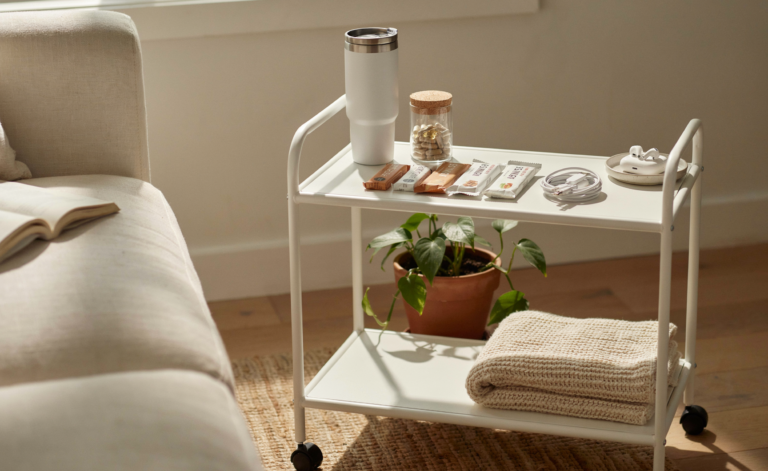
- Water bottles or cups within arm’s reach
- Snacks that don’t require preparation nearby
- Entertainment options (books, tablets, remotes) accessible without getting up
- Comfort items (heating pads, ice packs, extra blankets) stored conveniently
Sensory Considerations:
- Dimmable lighting or lamps with adjustable brightness
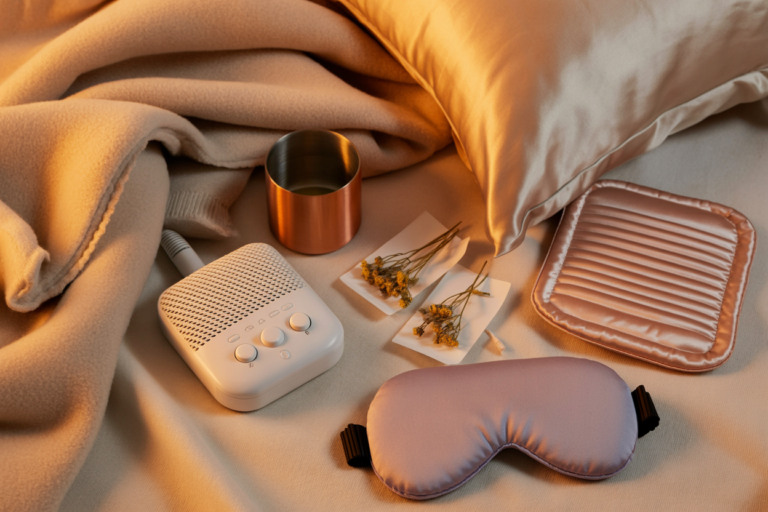
- Sound options (white noise machines, earplugs, noise-canceling headphones)
- Temperature regulation tools for dysautonomia or sensitivity
- Texture considerations for touch sensitivity (soft fabrics, smooth surfaces)
Shop Rest Environment Essentials
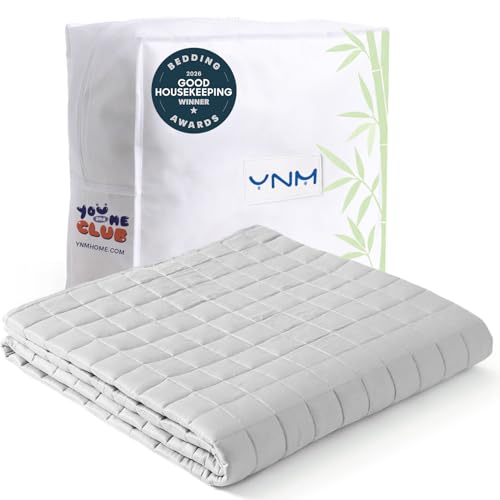
Deep pressure therapy, reduces anxiety, aids sleep. Choose weight based on body weight.

Light control, temperature regulation, essential for light-sensitive conditions.

Elevates upper body, helps POTS/dysautonomia, reduces reflux, aids breathing.

Keeps drinks at perfect temperature, reduces need to get up, helpful for POTS hydration.
Practical Self-Care for Limited Energy
Self-care with chronic illness means maintaining basic functioning, not achieving wellness ideals.
Hygiene with Minimal Energy
Dry Shampoo and No-Rinse Options: When showering isn’t possible, dry shampoo, body wipes, and no-rinse cleansers maintain hygiene without exhausting showers.
Shower Chairs and Grab Bars: Sitting while showering conserves energy. Grab bars provide safety when balance or strength is compromised.
Strategic Bathing: If baths help symptoms (warmth for pain, Epsom salts), take them when you have energy. If they deplete you, skip the wellness narrative around baths.
Lower Standards: Clean enough is enough. Hair washed every few days instead of daily. Clothes changed when actually needed. Teeth brushed even if that’s the only hygiene that day.
Nutrition When Cooking Is Impossible
Prepared Foods Without Guilt: Rotisserie chicken, pre-cut vegetables, frozen meals, meal delivery services—these aren’t failures, they’re accessibility tools.
Easy Protein Options: Protein shakes, Greek yogurt, cheese, hard-boiled eggs (buy pre-made), nut butters on crackers require minimal preparation.
Hydration Strategies: Water bottles beside bed, electrolyte drinks for POTS/dysautonomia, flavored waters if plain water is difficult, reminders if cognitive symptoms affect thirst cues.
Accept Help: If someone offers to bring food or cook, say yes. Receiving help is self-care.
Movement That Doesn’t Crash You
Gentle Stretching: Five minutes of gentle stretching can help stiffness without causing crashes. Listen to your body about what “gentle” means.
Reclined Exercise: Exercise done lying down (leg lifts, arm movements) reduces orthostatic stress for POTS/dysautonomia patients.
Physical Therapy Exercises: If prescribed PT exercises, do them at your pace, even if that means splitting sets across days.
Permission to Skip: If movement will cause crashes, not moving is the right choice. Rest is more important than activity goals.
Managing Guilt and Expectations
Chronic illness self-care requires managing the emotional burden of limitations.
Rejecting Toxic Positivity: You don’t have to be grateful for lessons illness taught you. You’re allowed to hate being sick while still caring for yourself.
Setting Boundaries: Saying no to activities, requests, or obligations that exceed your energy is self-care, even when others don’t understand.
Communicating Limitations: You don’t owe detailed explanations, but simple statements (“I’m having a bad symptom day”) can reduce pressure to perform.
Releasing Productivity Guilt: Your worth isn’t determined by productivity. Surviving difficult days is accomplishment enough.
Acknowledging Grief: Grieve what illness has taken—career ambitions, social life, physical abilities. Grief and self-care coexist.
Shop Comfort and Accessibility Tools

No-water hygiene option, gentle on sensitive skin, convenient for bed-bound days.
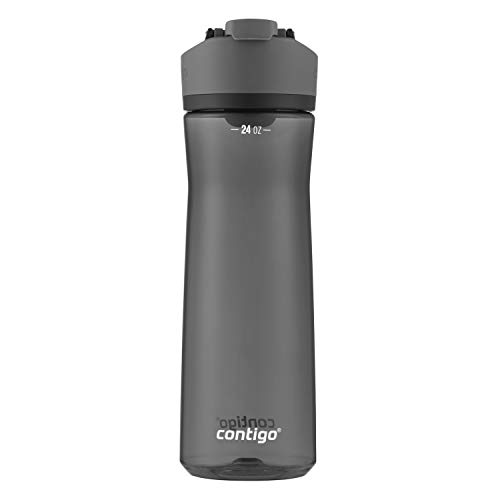
Spill-proof, easy one-hand operation, keeps water beside bed safely.

Reduces shower energy expenditure, safer bathing, adjustable height.
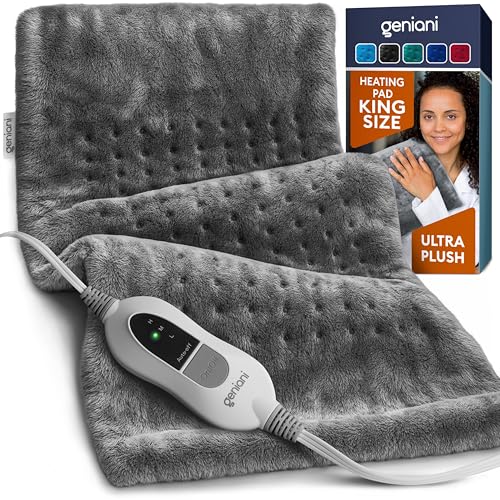
Pain management, no medication side effects, helps muscle tension and cramping.
Pacing and Energy Management
Learning to pace activities prevents crashes that erase days or weeks of functioning.
The Spoon Theory Applied: You have limited “spoons” (energy units) daily. Every activity costs spoons. Once gone, you can’t borrow tomorrow’s spoons without consequences.
Activity Baselines: Identify your safe baseline—what you can do daily without triggering crashes. Build from there incrementally if possible.
Strategic Breaks: Take rest breaks before you feel you need them. Waiting until exhausted means you’ve already overdone it.
Task Breakdown: Split large tasks into tiny increments. Washing dishes becomes: clear table, rest. Wash half the dishes, rest. Finish dishes later.
Priority Ranking: On limited energy days, rank tasks by necessity. Medications and eating are priorities. Everything else is optional.
Accepting Undone Tasks: Some days, things won’t get done. That’s okay. Your health matters more than clean houses or completed to-do lists.
Mental Health Self-Care
Chronic illness takes enormous mental and emotional toll requiring its own care strategies.
Therapy Adapted to Limitations: Virtual therapy accommodates bad physical days. Therapists specializing in chronic illness understand your unique challenges.
Medication Management: Mental health medications might be necessary and that’s valid. Managing depression or anxiety alongside physical illness isn’t weakness.
Selective Social Media: Curate feeds carefully. Unfollow wellness accounts that make you feel inadequate. Follow chronic illness communities that understand.
Journaling Without Pressure: If journaling helps, do it. If it feels like another obligation, skip it. There’s no “should” with self-care.
Connection on Your Terms: Social connection through texting, voice messages, or short video chats when in-person socializing is too much.
Celebration of Small Wins: Acknowledge what you did accomplish. Made it through a hard day. Managed symptoms well. Asked for help. These are victories.
Financial Realities and Self-Care
Chronic illness often means reduced income alongside increased expenses. Self-care must acknowledge these constraints.
Free or Low-Cost Options: Library access (books, movies, audiobooks), free meditation apps, YouTube gentle exercise videos, nature if accessible, community resources.
Strategic Investment: Spend limited money on things that most reduce suffering—good pillows, essential medical supplies, prepared food on bad days.
Accepting Limitations: You can’t afford every adaptive tool or supplement. That’s the system failing you, not you failing self-care.
Asking for Help: If friends or family offer support, specific requests help: “Could you bring groceries?” “Can you help with laundry?” “Could you sit with me for an hour?”
Insurance Navigation: Advocate for coverage of necessary items. Shower chairs, compression garments, or mobility aids might be covered with proper documentation.
Building Support Systems
Self-care includes accepting that you can’t do everything alone.
Communicating Needs Clearly: Specific requests work better than hoping people intuit needs. “Could you pick up my prescription?” beats “I wish someone would help.”
Educating Close People: Share resources about your condition. Spoon theory, pacing concepts, or symptom descriptions help others understand.
Online Communities: Chronic illness communities provide understanding that healthy people can’t. Shared experiences reduce isolation.
Healthcare Team Coordination: Good providers become part of your support system. Communicate openly about symptoms, limitations, and what’s working or not.
Letting Go of Unsupportive People: If someone refuses to respect your limitations or makes you feel guilty for being ill, you’re allowed to reduce contact for self-preservation.
Shop Daily Living Aids
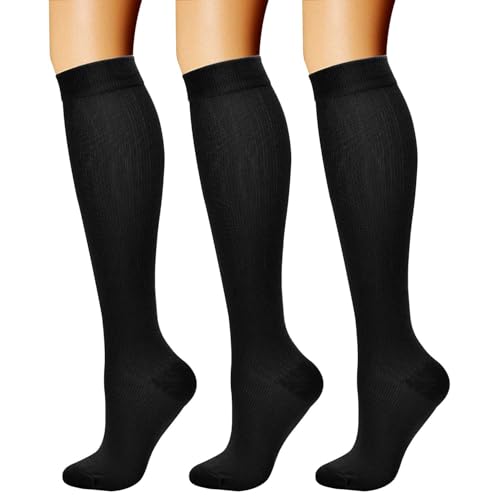
POTS/dysautonomia management, reduces orthostatic symptoms, medical-grade quality.
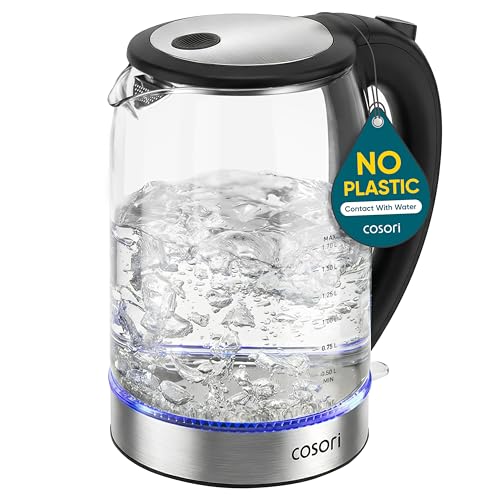
Boils water without standing at stove, helpful for POTS patients, makes tea/soup accessible.

Picks up items without bending, reduces orthostatic stress, increases independence.

Eating, working, hobbies from bed, adjustable height, reduces need to get up.
Self-Care for Different Chronic Conditions
Different conditions require tailored approaches.
Chronic Pain Conditions:
- Heat/cold therapy rotation
- Position changes to prevent stiffness
- Gentle movement within pain tolerance
- Pain tracking to identify patterns
- Medication timing optimization
Chronic Fatigue/ME/CFS:
- Strict energy pacing
- Activity logs to identify triggers
- Complete rest on crash days
- Avoiding post-exertional malaise triggers
- Horizontal rest throughout day
POTS/Dysautonomia:
- Generous salt and fluid intake
- Compression garments during upright time
- Reclined positions for activities
- Temperature regulation
- Reclined exercise only
Autoimmune Conditions:
- Stress reduction to minimize flares
- Anti-inflammatory diet if helpful
- Medication compliance
- Symptom tracking for pattern identification
- Rest during active flares
Mental Illness Alongside Physical:
- Coordinated treatment for both
- Understanding how each affects the other
- Gentle self-compassion for both struggles
- Medication management for both
- Therapy addressing both dimensions
What Self-Care Isn’t
Clearing misconceptions helps reduce guilt and pressure.
Self-Care Isn’t Earned: You don’t have to be productive to deserve rest or care.
Self-Care Isn’t Always Pleasant: Sometimes it’s taking medications with awful side effects because they help more than they harm.
Self-Care Isn’t Photogenic: It’s messy hair, unchanged clothes, dishes in the sink, and survival mode—not aesthetic flat lays.
Self-Care Isn’t One-Size-Fits-All: What works for others might not work for you. Your self-care is valid even if it looks different.
Self-Care Isn’t a Cure: Managing illness well doesn’t mean you’ll get better. It means you’re surviving as best you can.
Self-Care Isn’t Weakness: Needing rest, help, accommodations, or adaptive tools reflects your illness, not character flaws.
Shop Mental Health and Comfort Supports
Calm App Premium $70/year
Guided meditations, sleep stories, breathing exercises. Chronic illness-adapted options.
Kindle Unlimited $12/month
Unlimited books without library trips, adjustable text size, read from bed.

Gentle wake-up, helps regulate circadian rhythms, important for sleep issues.

Aromatherapy for symptom management, creates calming environment, if scents don’t trigger.
Building Sustainable Self-Care Practices
Sustainability means practices you can maintain during flares and good days alike.
Start Incredibly Small: One self-care behavior that takes 30 seconds. Drinking water before bed. Deep breaths when you wake. Something achievable always.
Flexibility Over Consistency: Adapt practices to current capacity. Meditation might be 20 minutes or 30 seconds depending on the day.
No Guilt Days: Days where you do zero self-care practices beyond surviving. These happen and they’re okay.
Simplify Everything: The easier something is, the more likely you’ll do it when symptomatic. Simplicity is accessibility.
Track What Helps: Notice patterns in what genuinely improves your day versus what you think should help. Focus on what actually works for you.
Conclusion: Rest as Radical Act
Living with chronic illness in a culture that values productivity above all makes rest inherently radical. Every time you choose to honor your body’s needs over external expectations, you resist a system that wasn’t designed for bodies like yours. Self-care in chronic illness isn’t bubble baths and face masks—it’s the unsexy, unglamorous work of surviving when your body makes survival harder than it should be.
Your rest matters. Your limitations are real. Your needs are valid. You don’t have to earn the right to care for yourself, and you don’t have to apologize for what chronic illness demands from you. The fact that you’re still here, still trying, still showing up to your life in whatever capacity you can—that’s extraordinary. That’s enough.
Redefine self-care on your terms. Rest looks like whatever keeps you alive and functional, whether that’s lying in darkness, asking for help, saying no, or surviving another impossibly hard day. It looks like accommodating your reality rather than fighting against it. It looks like you, doing what you can with what you have, exactly as you are.
If you’re navigating chronic illness, one of the most powerful things you can do is learn how to advocate for yourself in the medical spaces that shape your care. Say This: 30 Scripts for Chronic Pain Communication gives you the exact language for 30 real situations — the appointments where you need to be heard, the conversations where the right words make the difference. Get your copy of SAY THIS here
You deserve care that acknowledges your reality. You deserve rest without guilt. You deserve to survive without having to justify it. Welcome to self-care that actually works for chronic illness—messy, imperfect, and genuinely life-sustaining.