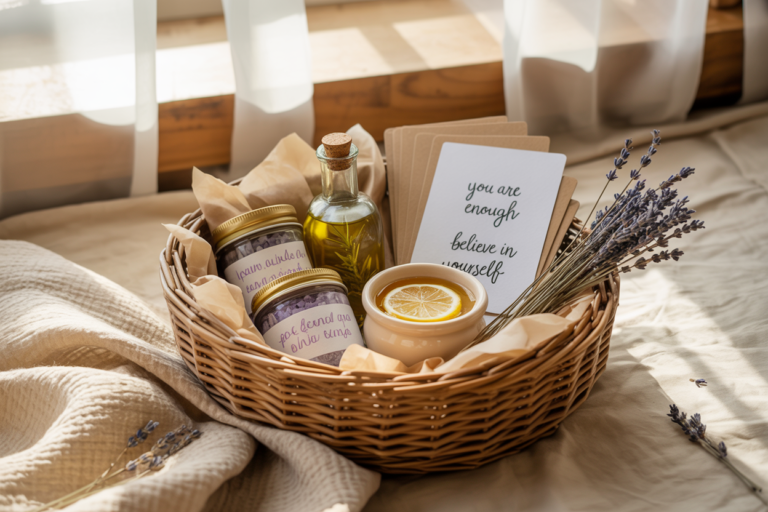
Healing Charcuterie Board for Mindful Self-Care
The content on this site was created with the help of AI. LOVEOWE LLC participates in the Amazon Services LLC Associates Program and other affiliate programs. As an Amazon Associate, I earn from qualifying purchases. This means I may earn a small commission—at no extra cost to you—when you make a purchase through links on this site. All opinions are my own. Learn more click here. Thank you for your support!
I made my first healing board on a day I couldn’t cook.
It was a medium-bad flare — not the kind that keeps you flat in bed, but the kind where standing at a stove for twenty minutes felt genuinely risky. I was hungry in that specific way chronic illness hunger works, where your body needs something but the thought of preparing it is its own obstacle. I opened the refrigerator, pulled out everything I could reach without too much effort, and arranged it on a wooden board on my kitchen counter. Some fruit. A few crackers. Hummus. A handful of walnuts. Some cucumber slices. Dark chocolate because I needed something that felt like a treat.
It took maybe eight minutes. I carried it to the couch, put on something soft on the television, and ate slowly. And something about that — the colors on the board, the variety, the fact that I had made something intentional rather than just grabbing whatever required the least thought — shifted the quality of that afternoon in a way that felt disproportionate to the effort.
That’s when I started thinking about this differently. Not as a party appetizer concept I was borrowing for a solo afternoon. But as a genuine self-care practice — one that sits at the intersection of nourishing your body and nourishing the part of you that needs things to be a little beautiful, even on hard days. Especially on hard days.
A healing charcuterie board is not a recipe. It’s a ritual. And this post is going to walk you through how to build one that works for your body and your soul — whether you’re having a slow intentional morning or you’re in a flare and this is the most cooking you can manage today.
Why a board works when everything else doesn’t
There is something about chronic illness and food that nobody really talks about honestly. It isn’t just the dietary restrictions, though those are real. It isn’t just the nausea, or the medications that affect appetite, or the days when your relationship with your body makes eating feel complicated. It’s the specific exhaustion of having to produce nourishment for yourself when you are already running on very little.
Cooking — even simple cooking — requires a sustained kind of effort. You have to stand. You have to manage heat and timing. You have to make multiple decisions in sequence while your body is asking you to sit down. On a good day, that’s just dinner. On a bad day, it’s a negotiation you sometimes lose.
A board changes that equation entirely. Almost everything on a healing board requires zero cooking. You wash, you slice if you’re able, you arrange. You can do it in stages — cut the fruit, rest, add the hummus, rest, arrange the crackers — without anything burning or overcooking while you pause. You can prepare it sitting down. You can make it on the counter at whatever height is available. You can do as much or as little as your body allows that day and still end up with something nourishing and beautiful in front of you.
And the beautiful part matters. It isn’t superficial. When you are chronically ill, your relationship with your body can become adversarial in ways that make eating feel like maintenance rather than pleasure. Making something that looks intentional — even if it took eight minutes — reconnects you to the idea that you deserve more than survival-mode nourishment. That eating well is a form of self-care you are entitled to, not a luxury reserved for better days.
Nourishment isn’t only about what goes into your body. It’s about the act of caring enough to make it beautiful.
The healing foundation: what to build your board around
A healing board is built differently than a party board. Where traditional charcuterie leans on cured meats and aged cheeses, a healing board is curated with ingredients that actively support a body managing chronic illness — anti-inflammatory foods, gut-supportive options, blood-sugar-balancing combinations. Here’s how to think about each category.
Your fruit base. Berries are the cornerstone of any anti-inflammatory board — blueberries, strawberries, raspberries, and blackberries are among the most studied foods for reducing oxidative stress and systemic inflammation. They’re also beautiful, require no preparation beyond a rinse, and provide natural sweetness that satisfies without spiking blood sugar as sharply as processed alternatives. Add sliced figs if they’re in season, or thin apple slices with a squeeze of lemon to prevent browning. Grapes work well for low-energy days because there’s nothing to cut.
Your vegetable component. Cucumber slices, carrot sticks, celery, radishes, sliced bell pepper in yellow or orange (sweeter and gentler than red or green for sensitive systems). Cherry tomatoes. These add color, crunch, and fiber without requiring much from you to prepare. Cucumber in particular is hydrating and anti-inflammatory, and has a mild enough flavor that it works for almost everyone regardless of appetite.
Your protein and fat anchor. This is what makes the board a meal rather than a snack. Hummus is the easiest and most versatile option — chickpeas are high in fiber and plant protein, and the tahini base provides healthy fats and magnesium, which many people with chronic pain are deficient in. Nut butters work beautifully here too — almond butter, walnut butter, cashew butter. A soft cheese like goat cheese or brie if dairy works for your system, or a dairy-free alternative if it doesn’t.
Your crackers and complex carbs. Look for options that provide fiber and don’t spike inflammation — seed crackers, rice crackers, oat-based options, or grain-free crackers if that works better for you. Avoid anything heavily processed or with a long ingredients list. The cracker is the vehicle; it should support the rest of the board, not undermine it.
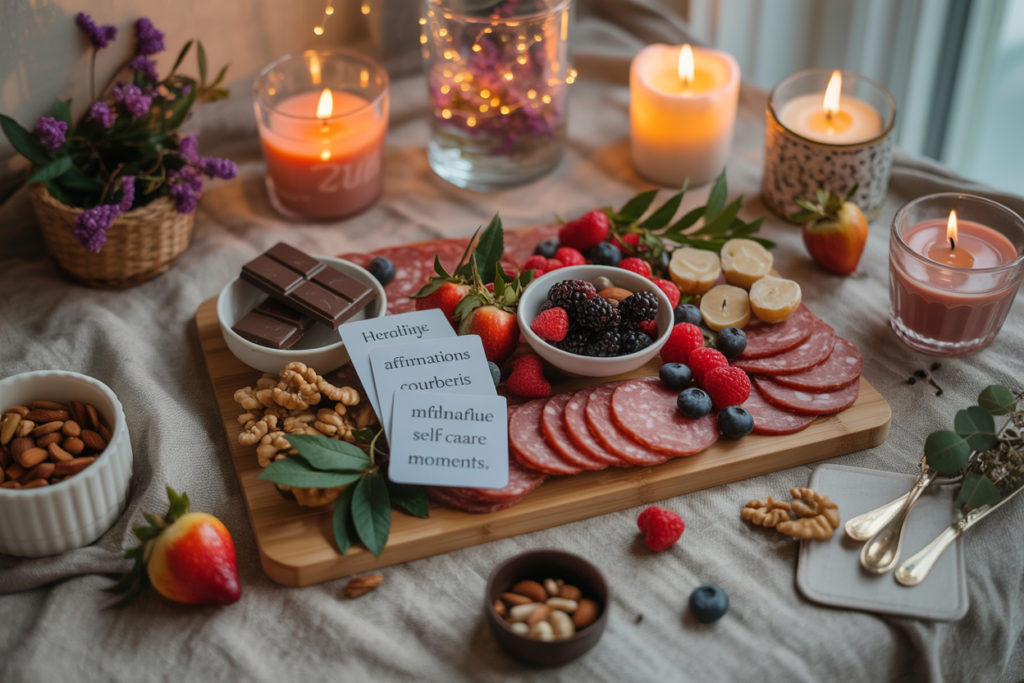
Your healing additions. This is where you get intentional about the specific support your body needs. A small dish of walnuts, which are one of the best plant-based sources of omega-3 fatty acids. Dark chocolate (70% cacao or higher) for its anti-inflammatory flavonoids and the simple fact that you deserve something on your board that feels like a treat. A drizzle of raw honey over the goat cheese or fruit. Fresh herbs like mint or basil tucked in for color and digestive support. Olives, which are high in oleocanthal — a compound with properties similar to ibuprofen in terms of inflammation reduction.
This post contains affiliate links. I may earn a small commission at no extra cost to you — I only ever share things I genuinely believe in.
Boards and vessels worth having

A good wooden board is the foundation of this practice and the piece you’ll reach for most. Acacia is durable, naturally antibacterial, and has the warm organic quality that makes even a simple arrangement look intentional. A medium size — around 12 by 8 inches — is the most versatile for a solo healing board.
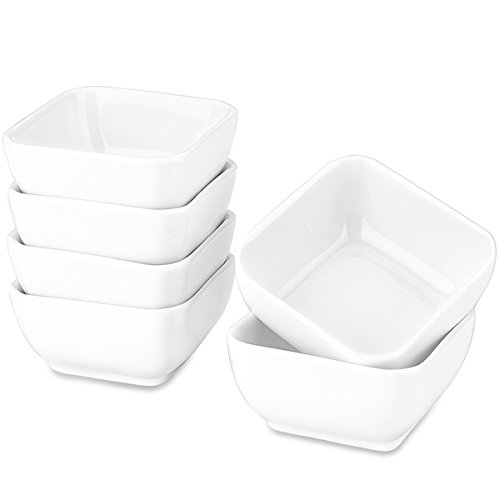
Small bowls for hummus, nut butter, honey, and olives keep your board organized and prevent everything from running together. A set in soft neutrals, muted tones or a classic white keeps the aesthetic calm and intentional — which is the entire point of this practice.

A slate or marble board stays cool naturally, which helps preserve softer cheeses and fresh fruit longer. It also has a different aesthetic quality than wood — darker, more dramatic, beautiful for photographing if you ever want to share your board.

Small, lightweight spreaders make building and eating your board easier on hard hand and wrist days — less force required than a standard knife, better control than a spoon. A set with soft handles is worth looking for specifically.
Building for flare days vs. good days
One of the things that makes this practice sustainable for chronic illness is that it scales. The same concept — intentional, beautiful nourishment arranged on a board — works on completely different ends of the capacity spectrum. Here’s how to think about both.
The flare day board. On a bad day, the goal is maximum nourishment with minimum effort. Pre-washed berries straight from the container. Whole grapes. Pre-cut vegetables from the grocery store — buying them is not a failure, it’s a strategy. Individual hummus cups. Crackers from the box. A square of dark chocolate. Nuts from a bag. Loose, simple arrangement. You are not decorating for guests. You are feeding yourself with whatever care your body can extend today, and that is the whole practice.
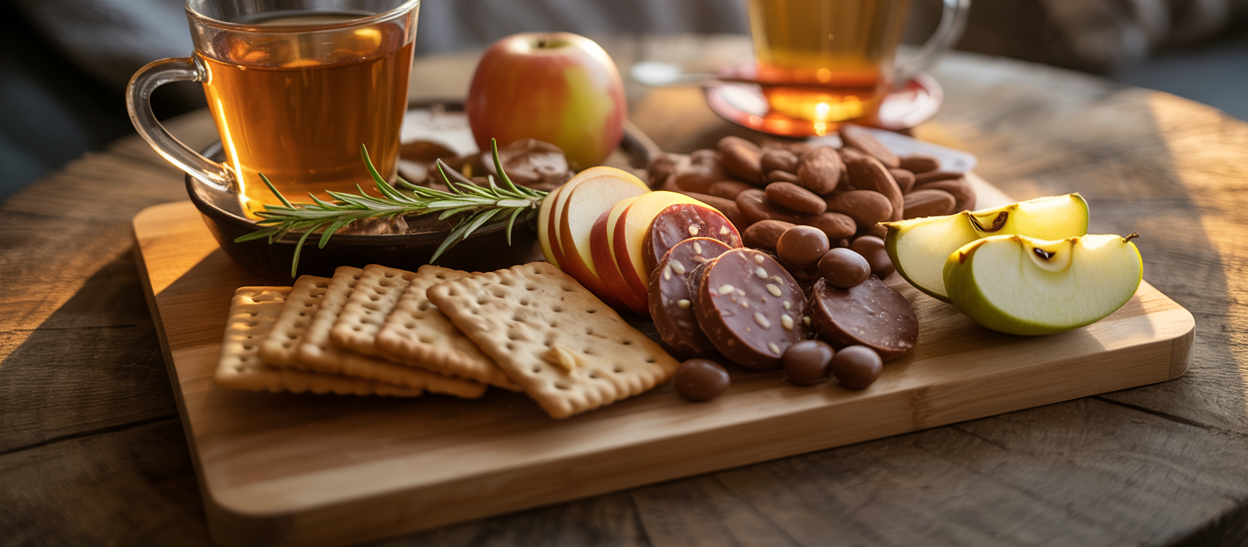
The intentional self-care board. On a higher-capacity day, the board becomes something more. Fresh-sliced fruit arranged by color. Herbs tucked at the corner. A pot of herbal tea alongside. Natural light. A good playlist. This version is a full sensory experience — taste, texture, scent, visual beauty, and the feeling of having made something lovely for yourself.
The ritual of building it slowly can be meditative. Washing the berries. Slicing the cucumber. Choosing which bowl gets the honey. For people with chronic illness whose relationship with their body involves so much management and struggle, there is something quietly powerful about an interaction with food that is entirely about pleasure and care.
You deserve a meal that looks like someone who loves you made it. You are that person. You can make it for yourself.
The anti-inflammatory ingredients worth knowing
If you want to go deeper into the nourishment side of your healing board — beyond what tastes good and into what actively supports a body managing chronic inflammation — here are the ingredients most consistently supported by research, and why they earn a regular spot on your board.
Berries. Blueberries, in particular, are one of the most well-researched anti-inflammatory foods available. They’re high in anthocyanins — the compounds that give them their color — which have been shown to reduce markers of inflammation and oxidative stress. Eat them as often as your body and budget allow.
Walnuts. The omega-3 fatty acid content in walnuts — specifically alpha-linolenic acid — makes them one of the few plant foods with meaningful anti-inflammatory properties. They’re also high in magnesium, which plays a role in nerve and muscle function and is often depleted in people with chronic pain conditions.
Olive oil and olives. Oleocanthal, the compound found in extra-virgin olive oil and olives, inhibits the same inflammatory enzymes as ibuprofen — which is a remarkable thing for a food to do. A drizzle of good olive oil over your board, or a small dish of olives, adds both flavor and genuine therapeutic value.
Dark chocolate (70%+ cacao). The flavonoids in high-cacao chocolate have anti-inflammatory and antioxidant properties. They’ve also been studied for their effect on mood and stress hormones — both of which have a direct relationship with chronic pain levels. This is not a reason to eat an entire bar, but it is a very good reason to include a square or two on your board without guilt.
Ginger and turmeric. A small dish of crystallized ginger or golden hummus (turmeric-based and widely available) adds both flavor and meaningful anti-inflammatory compounds. Curcumin absorbs best with black pepper and a fat — the hummus or olive oil on your board already provides both.
Fermented foods. If your system tolerates them, a spoonful of sauerkraut or a few pickled vegetables supports gut health in ways with direct downstream effects on systemic inflammation. Small and regular is the approach that works best.
Pantry staples worth keeping stocked for your healing board

Raw honey — not the processed kind — retains its antioxidant and antimicrobial properties and adds natural sweetness that pairs beautifully with goat cheese, fruit, and nut butters. A small jar drizzled over your board is both functional and genuinely lovely to look at.

Look for crackers made primarily from seeds — flax, chia, sesame, sunflower — rather than refined flour. These provide fiber, healthy fats, and a satisfying crunch without the inflammatory response that highly processed crackers can trigger in sensitive systems.

A good protein mixed nut blend — walnuts, almonds, pecans, pumpkin seeds and cranberries — kept in your pantry means your board always has a protein and healthy fat anchor even when fresh options are limited. Unsalted is better for inflammation; your body will thank you for the swap.
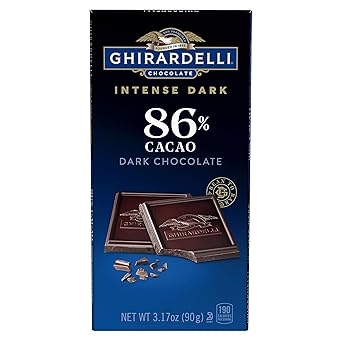
Keep one in the pantry specifically for your healing board. Breaking off two or three squares and placing them on your board deliberately — as something chosen, not grabbed — changes the relationship with it from guilty snack to intentional nourishment. Which is exactly what it is.
Making it a ritual: the mindfulness piece
The nourishment is one half of this practice. The ritual is the other, and they’re equally important.
What makes a healing board different from just eating a snack off a plate is intention. The act of choosing what goes on it. Of arranging it in a way that feels beautiful to you. Of sitting with it somewhere comfortable rather than standing over the kitchen counter. Of eating slowly and without the parallel task of scrolling or answering messages or managing something else at the same time.
For many people with chronic illness, slowing down and being present with food is harder than it sounds. When your body has been a source of pain and frustration, turning your attention fully toward it can feel uncomfortable. The board helps with this because it gives you something external to focus on — the colors, the arrangement, the textures — while you ease into presence rather than forcing it.
A few ways to deepen the ritual if you want to:
Set the space intentionally. A cloth napkin instead of paper. A candle nearby if you have one. Natural light if it’s available. A mug of herbal tea alongside the board. These are small additions that cost almost nothing and change the quality of the experience significantly. You are worth five extra minutes of setup.
Choose one thing to appreciate. Before you eat, spend a moment just looking at what you’ve made. Notice the colors. Notice that you did this for yourself. If you have a meditation or gratitude practice, this is a natural place to weave it in. If you don’t, simply pausing before eating and taking three slow breaths is enough to shift the experience from consumption to nourishment.
Eat without a screen. This is the hardest one for most people, and it’s also the most impactful. When you eat without a parallel distraction, you taste more, you register fullness more accurately, and you give your nervous system the signal that you are in a safe, restful moment — which has a direct effect on digestion and, by extension, inflammation. Even ten minutes of screen-free eating is worth practicing.
Make it seasonal. Winter boards lean toward warming spices, dried fruits, and hearty nuts. Spring and summer toward fresh berries and cucumber. Autumn toward sliced pears, walnuts, and figs. Letting the practice shift with the season keeps it from feeling routine — and connects you to a rhythm that many people with chronic illness find genuinely grounding.
Tools that make the ritual easier and more beautiful

A cloth napkin changes the entire quality of a solo meal. It signals — to your nervous system as much as anything — that this moment is worth the small extra care. A set in soft neutrals or blush tones folds beautifully alongside a healing board and washes and re-washes indefinitely.
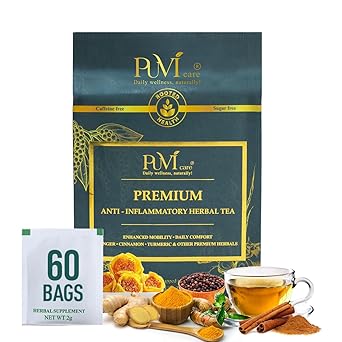
A mug of anti-inflammatory herbal tea alongside your board extends the ritual beautifully. Look for blends featuring ginger, turmeric, chamomile, or holy basil (tulsi) — all of which support inflammation and nervous system regulation in their own right.

Prep your board ingredients in advance on good-capacity days and store them in small glass bowls in the refrigerator. On flare days, assembly becomes a matter of pulling pre-portioned bowls and arranging — almost no energy required, and everything is already done.
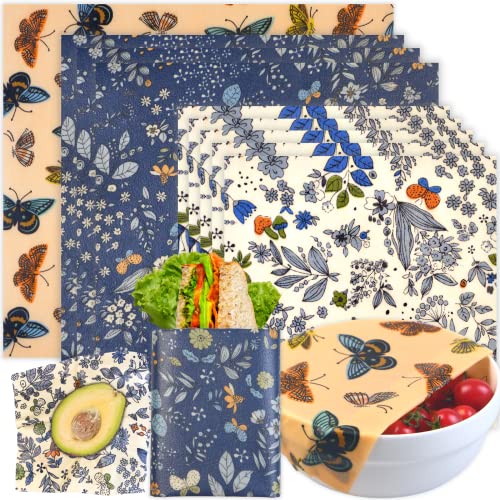
Sustainable, reusable wraps for covering your board or storing half a board for later — particularly useful when appetite fluctuates and you want to return to it without everything drying out. A small practical detail that makes the practice more sustainable on variable-appetite days.
Your healing board as self-advocacy
Here is something worth sitting with: choosing to feed yourself well — intentionally, beautifully, with ingredients that support your body rather than tax it — is an act of self-advocacy. It is you making a decision, from the inside, that your body deserves the effort. That nourishment is not a reward for a good symptom day. That you are worth feeding well on the hard days and the medium days and the days that are just quietly difficult in ways you can’t quite name.
Chronic illness so often involves being told — by medical systems, by the sheer exhaustion of it all — to simply manage. To cope. To get through. A healing board is a small daily act of choosing something different. Of saying: I am not just getting through. I am nourishing myself. I made something beautiful for myself today, and I am worth that.
That inner practice is connected to the outer work of self-advocacy. When you consistently treat yourself as someone worth caring for, you begin to expect that from the spaces around you too.
If you’re working on advocating for yourself in medical spaces with the same care and intentionality you bring to your healing board, Say This: 30 Scripts for Chronic Pain Communication was made for that. It gives you the language for 30 real situations — the appointments, the conversations, the moments when you know what you need but can’t find the words. Get your copy of SAY THIS
For making your healing board a consistent practice

Keeping washed, prepped produce in clear stackable containers means your board ingredients are always ready to pull out. The prep work is already done. This is one of the highest-impact changes you can make for nourishing yourself consistently on variable-energy days.

For the flare days when the couch is where you are and the kitchen counter is too far, a cushioned lap tray lets you enjoy your board in complete comfort wherever you’ve landed. It also works beautifully for bed rest days when nourishing yourself horizontally is the only option available.

Track which ingredients make your body feel best, which combinations work on flare days versus good days, and how the ritual itself affects your mood and pain levels over time. Your own data about your own body is some of the most valuable advocacy information you can have.
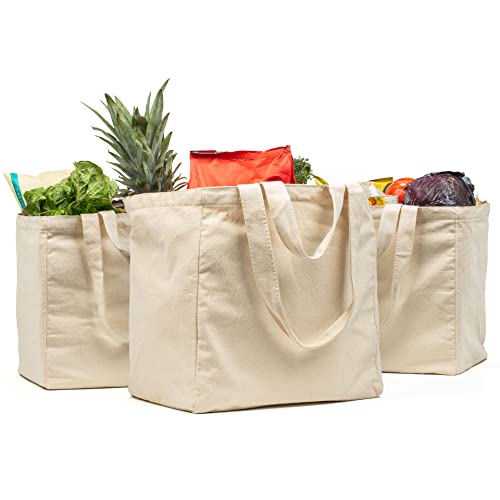
A small practical tool for the shopping side of this practice. Keeping a dedicated tote stocked with your healing board staples list makes restocking feel like part of the ritual rather than a separate errand — and lightweight bags are easier to manage on days when carrying anything feels like too much.
Start with what you have
You do not need a perfectly stocked refrigerator or a beautiful wooden board or the right crackers or even a good day. You need whatever is in your kitchen right now and the decision to arrange it in a way that says: I made this for me.
A healing charcuterie board is not about getting your nutrition perfect or performing wellness for anyone else. It’s about one small, deliberate act of caring for yourself through food and beauty and intention — on the good days when you have the capacity to make it a full ritual, and on the hard days when the ritual is simply eating something nourishing off a pretty surface instead of standing at the counter.
Both count. Every time you feed yourself well, intentionally, it counts. Every time you choose an ingredient that supports your body over one that doesn’t, it counts. Every time you sit down to eat something you arranged with care, even loosely, even imperfectly, it counts.
Your body is working hard. Feed it like it is.