

How to Advocate for Yourself at the Doctor’s Office with Chronic Illness
The content on this site was created with the help of AI. LOVEOWE LLC participates in the Amazon Services LLC Associates Program and other affiliate programs. As an Amazon Associate, I earn from qualifying purchases. This means I may earn a small commission—at no extra cost to you—when you make a purchase through links on this site. All opinions are my own. Learn more click here. Thank you for your support!

The neurologist leaned back in his chair and told me my symptoms were “just stress” despite three years of documented health decline, multiple ER visits, and test results showing clear abnormalities. I sat there, nodding, accepting his dismissal like I’d been trained to do my whole life—respect authority, don’t make trouble, trust the doctor. I walked out with nothing but a prescription for anxiety medication I didn’t need and the crushing feeling that my body was screaming and no one would listen.
Two weeks later, I went back to my primary care doctor with a completely different approach. I brought printed symptom logs, research articles about conditions matching my symptoms, a list of specific tests I wanted, and the resolve to not leave without being heard. That appointment changed everything. Within months, I had a proper diagnosis, treatment that actually helped, and the realization that advocating for myself wasn’t being difficult—it was surviving a medical system that too often dismisses chronic illness, especially in women and marginalized people.
If you’re living with chronic illness, you’ve probably experienced medical dismissal, gaslighting, or providers who don’t take your symptoms seriously. You’ve likely left appointments feeling unheard, invalidated, or wondering if you’re imagining everything despite knowing deep down that something is genuinely wrong. This guide provides comprehensive strategies for advocating for yourself in medical settings—preparing for appointments, communicating effectively, handling dismissal, and getting the care you deserve even when the system actively works against you.
Understanding Why Self-Advocacy Is Necessary
Medical advocacy shouldn’t be required—doctors should listen, believe patients, and provide thorough care automatically. But systemic issues make self-advocacy essential for chronic illness patients.
Implicit Bias in Medicine: Studies show women, people of color, overweight patients, and young patients are more likely to be dismissed or have symptoms attributed to anxiety, stress, or seeking attention rather than legitimate medical conditions.
Time Constraints: Fifteen-minute appointments don’t allow thorough evaluation of complex chronic conditions. Providers rush, miss details, and default to easiest explanations.
Lack of Chronic Illness Training: Many doctors receive minimal training in conditions like POTS, ME/CFS, fibromyalgia, or other complex chronic illnesses. They may not recognize symptoms or know current treatment protocols.
Defensive Medicine: Fear of malpractice suits or drug-seeking patients makes some providers dismissive of genuine symptom reports or hesitant to prescribe necessary medications.
Mental Health Stigma: Once anxiety or depression appears in your chart, future symptoms risk being attributed to mental health rather than investigated as new physical issues.
Understanding these systemic failures removes self-blame. You’re not being dismissed because your symptoms aren’t real—you’re being dismissed because the system is broken.
Before the Appointment: Preparation Strategies
Thorough preparation maximizes limited appointment time and provides documentation that’s harder to dismiss than verbal reports.
Document Everything
Symptom Logs: Track symptoms daily or weekly—what happened, when, severity, triggers, what helped or worsened symptoms. Patterns become visible over time that might not be obvious day-to-day.
Timeline Creation: Create chronological timelines of symptom onset, progression, major events, previous diagnoses, treatments tried, and their outcomes. This provides clear history at a glance.
Medication Lists: Maintain current lists of all medications, supplements, dosages, when started, and effects (positive and negative). Include allergies and previous adverse reactions.
Test Results Collection: Keep copies of all labs, imaging, and specialist reports. Providers may not have complete records or may miss important details in previous results.
Photo/Video Documentation: If symptoms are visible or intermittent, photos or videos prove they’re real even if not present during appointments.
Research Your Symptoms
Identify Potential Conditions: Research symptoms to identify possible conditions matching your experience. Medical databases, patient communities, and research papers provide information.
Understand Diagnostic Criteria: Learn what tests or criteria diagnose suspected conditions. This helps you request appropriate testing.
Find Specialists: Identify specialists relevant to suspected conditions. You may need referrals, so knowing who you want to see helps.
Review Treatment Options: Understanding available treatments allows informed discussions about what might work for you.
Note Research Sources: Keep links or citations to share with providers who want more information about unfamiliar conditions.
Prepare Your Appointment Strategy
Written Priorities: List your top 3-5 concerns in order of importance. If time runs short, you’ve addressed what matters most.
Specific Requests: Know exactly what you’re asking for—specific tests, specialist referrals, treatment adjustments, symptom management strategies.
Questions List: Write questions you need answered. Memory problems, brain fog, or stress during appointments make remembering questions difficult.
Support Person: Bring someone to appointments if possible. They can take notes, remember details you miss, and provide witness to how providers treat you.
Appointment Notes: Plan to take notes or record (if legally permitted in your state) to remember recommendations and ensure accurate follow-through.
Shop Documentation and Organization Tools

Organize records, test results, symptom logs. Portable to appointments.

Pre-formatted symptom tracking, professional appearance, daily/weekly layouts.

Digitize medical records at home, create backup copies, organize electronically.

Record appointments (where legal), remember details, review instructions later.
During the Appointment: Communication Strategies
How you present information affects whether providers take you seriously.
Lead with Facts, Not Feelings
Start with objective symptoms and documented patterns rather than how you feel emotionally about being sick. Providers respond better to measurable data than subjective experience, unfortunately.
Present symptom logs, test results, and timelines early in appointments. Visual documentation is harder to dismiss than verbal descriptions.
Be Specific and Concrete
Vague complaints (“I feel bad”) get dismissed more easily than specific symptoms with context. Quantify when possible—pain levels, symptom frequency, functional impact.
Describe exactly how symptoms affect daily functioning. Unable to work, can’t shower without sitting, sleeping 14 hours daily—concrete impacts demonstrate severity.
Emphasize Functional Impact
Providers may minimize symptoms if they don’t understand real-world consequences. Emphasize what you can no longer do, what’s changed, what you’ve lost to illness.
Work loss, relationship strain, inability to perform self-care, social isolation—functional impacts often motivate providers more than symptom descriptions alone.
Request, Don’t Demand
Frame requests as collaborative rather than adversarial. You want partnership in solving health problems, not to boss providers around.
Ask for their thoughts on your research or suspected conditions. Invite collaboration while still being clear about what you need.
Take Notes Openly
Writing notes signals you’re paying attention and creates record of what was said. This often encourages providers to be more thorough and thoughtful.
If providers object to note-taking, explain you have memory issues from your condition or simply need to remember complex instructions accurately.
Handling Dismissal and Gaslighting
Even with perfect preparation and communication, dismissal happens. Having strategies for these situations protects your health and sanity.
Recognize Common Dismissal Tactics
Stress/Anxiety Attribution: Symptoms blamed on mental health despite lack of evidence or presence of physical findings.
Weight Blame: Symptoms attributed to being overweight regardless of relevance or timeline (symptoms that predate weight gain).
Age Dismissal: Too young to have serious illness, or symptoms are “normal aging.”
Gender Bias: Women told symptoms are hormones, periods, or emotional rather than physical.
Minimization: Symptoms described as not that bad, exaggerated, or attention-seeking.
Recognizing these patterns helps you identify when you’re being dismissed rather than doubting yourself.
Document Dismissal
When dismissed, document exactly what was said, what wasn’t investigated, what you requested and were denied. This creates paper trail if you need to file complaints or seek second opinions.
Request denials in writing. If a provider refuses testing or referrals, ask them to note their refusal and reasoning in your medical record.
Escalate Appropriately
If your provider won’t listen, request second opinions, see different providers in the same practice, or file formal complaints with patient advocacy offices.
Know your rights—you can request copies of all medical records, see what providers write about you, and correct inaccuracies in your chart.
Know When to Fire Providers
Providers who consistently dismiss you, refuse to investigate symptoms, blame everything on anxiety without evidence, or make you feel bad about seeking care aren’t helping you. You’re allowed to find new providers.
Red flags include: refusing to order reasonable tests, dismissing documented symptoms, telling you it’s all in your head, suggesting you’re drug-seeking when requesting legitimate pain management, or making you cry or feel awful after appointments.
Shop Appointment Comfort and Support Items

Manage sensory overwhelm in waiting rooms, reduce stress, block triggering sounds.

Manage anxiety during appointments, grounding during difficult conversations.

Long appointments drain batteries, need phone for notes/recording/contact.

Stay hydrated during waits, manage POTS/dysautonomia symptoms, reduce stress.
Navigating Specialists and Referrals
Chronic illness often requires multiple specialists, each with their own challenges.
Getting Referrals
Research which specialists treat your suspected condition before requesting referrals. Specific names or practice types help providers make appropriate referrals.
If denied referrals, ask why and request documentation of the denial. Sometimes pushing back or providing more information changes outcomes.
Specialist Appointments
Specialists see many patients with the same condition and may have better understanding than primary care. However, they can also be dismissive if your presentation doesn’t match their expectations.
Bring same documentation—symptom logs, timelines, research. Don’t assume specialists will be automatically better listeners than primary care.
Coordinating Multiple Specialists
Different specialists may give conflicting advice or not communicate with each other. You become the coordinator by default.
Keep all specialists informed about what others are doing. Share test results and treatment plans across providers to prevent dangerous interactions or duplication.
When Specialists Can’t Help
Sometimes you’ll exhaust local specialists without diagnosis or effective treatment. Research centers of excellence for your suspected condition—academic medical centers or specialized clinics where experts see rare or complex cases.
These often require travel and may not take insurance, but they’re sometimes the only path to diagnosis for complex conditions.
Understanding Your Rights as a Patient
Knowing your legal rights empowers advocacy and provides recourse when rights are violated.
Medical Records Access
You have legal right to copies of all medical records, test results, imaging, and provider notes. Request these regularly to see what’s documented and catch inaccuracies.
Providers must provide records within specific timeframes (varies by state). If they refuse or delay unreasonably, this is violation of law.
Informed Consent and Refusal
You must be informed about tests, treatments, risks, benefits, and alternatives before agreeing. You can refuse any test or treatment.
If providers pressure you or don’t explain things adequately, you’re within rights to decline until you have sufficient information.
Complaint and Appeal Processes
If you experience discrimination, inappropriate treatment, or denial of necessary care, you can file complaints with medical boards, patient advocacy offices, or insurance companies.
Document everything for complaints—dates, names, exact words used, witnesses, and how issues affected your care.
Privacy Rights (HIPAA)
Your medical information is protected. You control who sees it and can restrict access even from family members.
Providers must maintain confidentiality and can only share information with your explicit permission (except in specific emergency circumstances).
Second Opinion Rights
You can seek second opinions without provider approval. Insurance may require notification or pre-authorization, but providers cannot prevent you from seeing other doctors.
Working with Insurance and Financial Barriers
Insurance and costs create additional advocacy needs beyond medical conversations.
Prior Authorization Navigation
Many treatments require insurance approval before coverage. Denials are common but often reversible with appeals.
Providers’ offices handle prior authorizations, but you can follow up, provide additional documentation, or push for appeals if denied.
Appeal Denied Claims
Insurance denials can be appealed, often multiple times. Many denials reverse on appeal, especially with doctor letters supporting medical necessity.
Patient advocacy organizations sometimes help with appeals or connect you with resources for fighting denials.
Financial Assistance Programs
Hospitals have financial assistance programs for patients who can’t afford care. These aren’t advertised but exist—ask billing departments directly.
Pharmaceutical companies offer patient assistance programs for expensive medications. These have income requirements but can provide free or reduced-cost drugs.
Medical Billing Negotiation
Medical bills are often negotiable. You can request itemized bills, dispute charges, set up payment plans, or negotiate reduced amounts.
Never ignore medical bills—contact billing departments to work out arrangements before bills go to collections.
Shop Medical Advocacy Resources

Comprehensive guide, patient rights information, practical strategies.

Emergency information accessible, conditions and medications listed, safety tool.
Health Advocate Membership $100 – $200/year
Professional advocates help navigate insurance, appeals, find providers.
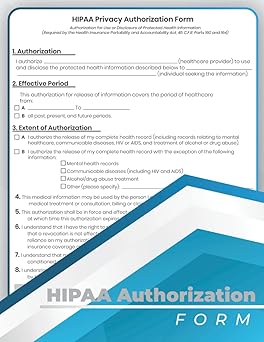
Control medical information sharing, authorize specific people, revoke access.
Virtual and Telehealth Advocacy
Remote appointments create different advocacy dynamics.
Telehealth Advantages
Video appointments allow note-taking without seeming rude, enable support people to join easily, record more easily (where legal), and reduce physical toll of in-person visits.
You control your environment—lighting, noise, comfort—which helps manage symptoms during appointments.
Telehealth Challenges
Physical exams are impossible, making providers more reliant on your descriptions. Be extra detailed and specific since they can’t observe directly.
Technology issues can interrupt important conversations or waste limited appointment time. Test equipment beforehand and have backup plans (phone call if video fails).
Sending Documentation in Advance
Email symptom logs, timelines, and questions before telehealth appointments so providers can review them beforehand. This maximizes limited video time.
Some patient portals allow document uploads. Use these to ensure providers see your documentation even if they don’t review it before the appointment.
Building Effective Provider Relationships
Long-term management requires ongoing provider relationships that work.
Finding the Right Providers: Good providers listen, believe symptoms, collaborate on treatment, respect your expertise, and admit knowledge limits.
Establishing Partnership: Frame relationships as collaborative where you provide information and lived experience while providers provide medical expertise.
When Relationships Aren’t Working: If providers consistently dismiss you or ignore input, the relationship isn’t serving you. It’s okay to switch.
Self-Advocacy for Marginalized Patients
Advocacy difficulty compounds for patients facing additional marginalization.
Women and Gender-Based Dismissal: Women’s pain is routinely minimized. Extra documentation, bringing witnesses, and explicit requests help counter bias.
Racial and Ethnic Disparities: Black patients face higher dismissal rates due to systemic racism. Finding culturally competent providers or community-focused care sometimes helps.
Weight Stigma: Symptoms get blamed on weight regardless of relevance. Insist on same investigation thin patients would receive.
Age-Based Dismissal: Young patients told they’re too young; older patients told symptoms are normal aging. Both are dismissal forms. Emphasize functional decline from your baseline.
Shop Self-Care for Medical Appointments

Calming scent before/after appointments, grounding tool, portable stress management.

Appointments trigger emotions, always have tissues available, discreet crying management.

Manage POTS/dysautonomia during appointments, reduce anxiety physical symptoms, comfort tool.

Nutrition when too stressed to eat before appointments, blood sugar management, convenient.
Managing Emotional Toll of Advocacy
Medical advocacy is exhausting emotionally and physically beyond the illness itself.
Validation of Difficulty: Advocating shouldn’t be necessary. Fighting for basic care while sick is unfair and exhausting. Your frustration and burnout are valid.
Processing Dismissal: Being dismissed by providers is traumatic, especially repeatedly. Therapy with providers experienced in medical trauma helps process these experiences.
Knowing Your Limits: Sometimes you don’t have energy for advocacy. That’s okay. Not every appointment can be perfectly prepared.
Celebrating Wins: Acknowledge victories—appointments where you were heard, diagnoses received, treatments that helped.
Building Advocacy Skills Over Time
Self-advocacy improves with practice, but expecting perfection creates unnecessary pressure.
Start Small: If overwhelming, start with single strategies. Bring one symptom log. Write one question. Take notes.
Learn from Appointments: Reflect on what worked, what didn’t, how providers responded. Adjust based on experience.
Accept Imperfect Advocacy: You won’t always advocate perfectly. You’ll forget things or let dismissal slide. That’s normal and okay.
Conclusion: Your Voice Matters
Medical advocacy shouldn’t be necessary—the system should work automatically. But until medicine addresses systemic failures around chronic illness and bias, self-advocacy remains essential.
Your symptoms are real. Your experience is valid. You deserve providers who listen, investigate thoroughly, and treat you with respect. When providers fail these standards, that reflects their inadequacy, not yours.
Advocacy is hard work on top of being sick. It requires energy you don’t have and persistent effort against a system designed to dismiss you. The fact that you keep trying—that’s extraordinary.
You know your body better than any provider. Trust that knowledge even when others doubt you. Document your reality. Prepare thoroughly. Communicate clearly. And when providers don’t serve you, find new ones.
Your health matters. Your quality of life matters. You deserve medical care that helps, investigates, and partners with you. Keep advocating until you find providers who understand that.
Welcome to medical self-advocacy—exhausting, unfair, necessary, and worth every difficult moment when it leads to care that actually helps. Your voice matters. Keep using it.