

Scandinavian Interior Trends for 2026: Clean Lines, Earthy Neutrals & Functional Minimalism
Elevate your winter outfits with a timeless capsule wardrobe built around creams, charcoals, and soft mocha tones. These pieces mix effortlessly, photograph beautifully, and keep your style feeling polished all season. Shop the must-have knits, coats, and boots that make a minimalist wardrobe look luxe.
HOME DECOR
FONNI
12/9/202512 min read
The content on this site was created with the help of AI. LOVEOWE LLC participates in the Amazon Services LLC Associates Program and other affiliate programs. As an Amazon Associate, I earn from qualifying purchases. This means I may earn a small commission—at no extra cost to you—when you make a purchase through links on this site. All opinions are my own. Learn more click here. Thank you for your support!
As we look ahead to 2026 and consider refreshing our living spaces, I'm thrilled to share the evolution of one of my favorite design aesthetics: Scandinavian interior style. This timeless approach to home design continues to captivate with its emphasis on simplicity, functionality, and natural beauty. It's perfect for creating spaces that feel both serene and deeply personal.
Picture this: walking into a home filled with natural light, clean lines, and thoughtfully chosen pieces that each serve a purpose while bringing beauty to your everyday life. By embracing elements like earthy neutral palettes, functional furniture, and organic textures, you can craft the ultimate Scandinavian-inspired sanctuary. This will make your home feel like a peaceful retreat that nurtures your well-being and reflects your values.
As we seek ways to create homes that support our mental health and sustainable lifestyles, Scandinavian design principles are more relevant than ever. It's a chance to embrace intentional living and design spaces that truly enhance daily life. Let's dive into the Scandinavian interior trends shaping 2026 and discover how to bring this elevated aesthetic into your own home.
Understanding Scandinavian Design Philosophy for Modern Living
Exploring interior design through the lens of Scandinavian principles can transform your relationship with your home. This approach champions simplicity, functionality, and connection to nature. It's an ideal choice for those seeking to create calming, purposeful spaces that stand the test of time.
The Core Principles of Scandinavian Design
Scandinavian design, rooted in the Nordic countries' climate and culture, emphasizes creating warm, inviting spaces despite long, dark winters. By understanding these foundational principles, your home becomes a place of comfort, beauty, and intentionality.
Prioritizes natural light and brightness to counter dark winters
Emphasizes functionality without sacrificing aesthetic beauty
Celebrates natural materials and organic forms
Creates cozy, welcoming atmospheres through layered textiles
Maintains uncluttered spaces that promote calm and clarity
How Scandinavian Design Evolved for 2026
While core principles remain constant, Scandinavian design continues evolving to meet contemporary needs. The 2026 iteration embraces warmer tones, increased textural variety, and greater personalization while maintaining its signature minimalist foundation.
The Wellness Connection in Nordic Interiors
Scandinavian design inherently supports wellness through its emphasis on natural light, clean air, and uncluttered spaces. This design philosophy recognizes that our environments profoundly impact our mental and physical health, creating homes that actively contribute to well-being.
The 2026 Color Palette: Earthy Neutrals and Natural Tones
Color forms the foundation of Scandinavian interiors. The 2026 palette shifts toward warmer, earthier neutrals while maintaining the bright, airy quality that defines Nordic design.
Moving Beyond Stark White
While white remains important in Scandinavian design, 2026 trends embrace warmer, softer alternatives. Off-whites, creams, and warm grays create the same light-reflective quality with added coziness and depth.
Warm Whites and Creamy Tones
Creamy whites with subtle yellow or beige undertones replace stark, cool whites. These warmer neutrals create inviting spaces that feel lived-in rather than sterile. They pair beautifully with natural wood tones and organic materials.
Greige and Warm Gray Foundations
Greige—the perfect balance between gray and beige—serves as an ideal neutral foundation for 2026 Scandinavian interiors. This versatile color offers sophistication while maintaining warmth, creating spaces that feel both modern and welcoming.
Introducing Earthy Accent Colors
Beyond neutrals, 2026 Scandinavian design incorporates muted, nature-inspired accent colors that add personality without overwhelming spaces.
Terracotta and Clay Tones
Warm terracotta and clay shades introduce earthy richness to Scandinavian palettes. These colors appear in accessories, textiles, and accent pieces, adding depth while maintaining the overall neutral foundation.
Sage Green and Soft Moss
Muted greens inspired by Scandinavian forests bring nature indoors. Sage, moss, and soft olive tones create calming, grounded spaces that connect residents to the natural world.
Dusty Blue and Coastal Gray
Soft blues and gray-blues reference Nordic coastal landscapes. These cool-toned accents provide subtle color while maintaining the serene, minimalist aesthetic central to Scandinavian design.
Creating Depth Through Tonal Variation
Rather than using contrasting colors, 2026 Scandinavian interiors create interest through tonal variation—layering multiple shades of similar colors to add depth without disrupting visual calm.
Clean Lines and Functional Minimalism in 2026
The signature Scandinavian aesthetic emphasizes clean, simple lines and furniture that balances beauty with purpose. This functional minimalism defines the style's enduring appeal.
Furniture Selection Based on Purpose
Every piece in a Scandinavian home should serve a clear function while contributing to the overall aesthetic. This intentionality prevents clutter and ensures spaces remain both beautiful and livable.
Multi-Functional Pieces for Modern Living
Storage ottomans, extendable dining tables, and sofas with built-in storage exemplify 2026 Scandinavian furniture trends. These pieces maximize functionality in homes where space may be limited while maintaining clean, attractive designs.
Quality Over Quantity Philosophy
Invest in fewer, higher-quality furniture pieces that will last decades rather than filling spaces with trendy, disposable items. This approach aligns with Scandinavian values of sustainability and intentional consumption.
Streamlined Silhouettes and Geometric Forms
Scandinavian furniture features simple, geometric shapes and streamlined silhouettes. Tapered legs, rounded edges, and uncomplicated forms create visual calm while allowing pieces to work together harmoniously.
Mid-Century Modern Influence
The mid-century modern movement shares DNA with Scandinavian design, and this connection remains strong in 2026. Pieces featuring organic curves, tapered wooden legs, and sculptural simplicity bridge both aesthetics beautifully.
Contemporary Minimalist Updates
While honoring traditional forms, 2026 Scandinavian furniture incorporates contemporary updates—slightly softer edges, more generous proportions for comfort, and innovative materials that improve sustainability.
Negative Space as a Design Element
Scandinavian interiors treat empty space as intentionally as furnished areas. This negative space allows rooms to breathe, reduces visual clutter, and creates the calm, serene atmosphere that defines the style.
Natural Materials and Organic Textures
Connection to nature forms the heart of Scandinavian design. The 2026 iteration deepens this relationship through increased use of natural, sustainable materials and varied organic textures.
Wood as the Primary Natural Element
Wood appears throughout Scandinavian interiors, bringing warmth, texture, and natural beauty. The specific woods and finishes used continue evolving to reflect contemporary tastes.
Light Woods for Brightness
Pale woods like birch, ash, and light oak maintain prominence in 2026 Scandinavian interiors. These light tones reflect light beautifully, enhance brightness, and create the airy quality central to the aesthetic.
Introducing Warmer Wood Tones
2026 trends embrace slightly warmer wood tones—walnut, teak, and medium oak—adding richness and depth while maintaining the natural, organic feel. This shift creates cozier spaces without sacrificing the characteristic brightness.
Wood in Unexpected Applications
Beyond furniture and flooring, wood appears in wall treatments, ceiling details, and architectural elements. These applications add texture and warmth while celebrating the material's natural beauty.
Stone and Natural Minerals
Stone surfaces, from marble to granite to soapstone, introduce cool, grounding elements that balance wood's warmth. These materials appear in countertops, flooring, and decorative objects.
Textiles That Add Warmth and Comfort
Layered textiles transform minimalist spaces into cozy, inviting homes. The 2026 approach to textiles emphasizes natural fibers, varied textures, and restrained color palettes.
Wool and Sheepskin for Hygge
Wool throws, sheepskin rugs, and felted accessories introduce softness and warmth essential to Nordic coziness. These natural materials regulate temperature while adding tactile interest.
Linen for Relaxed Elegance
Linen's natural texture and slight imperfection align perfectly with Scandinavian values. Linen curtains, bedding, and upholstery create relaxed, lived-in elegance while remaining practical and durable.
Cotton and Natural Fiber Layering
Layering cotton throws, cushions, and rugs in complementary neutral tones adds depth and comfort without overwhelming spaces. This textile layering creates the welcoming warmth that makes Scandinavian minimalism livable.
Lighting Design: Maximizing Natural and Artificial Light
Given Scandinavia's limited winter daylight, lighting holds special importance in Nordic design. The 2026 approach balances maximizing natural light with creating warm, layered artificial lighting.
Architectural Strategies for Natural Light
Scandinavian homes prioritize natural light through thoughtful architectural choices. Even in existing homes, certain strategies maximize available daylight.
Window Treatments That Don't Block Light
Keep window treatments minimal—sheer curtains, light linen panels, or no treatments at all when privacy allows. This approach maximizes natural light penetration while maintaining the clean, uncluttered aesthetic.
Reflective Surfaces and Strategic Mirrors
Mirrors placed opposite windows reflect and amplify natural light. Light-colored walls, glossy finishes, and reflective materials throughout spaces enhance brightness and create more expansive feelings.
Layered Artificial Lighting for Ambiance
Creating multiple light sources at different levels—ambient, task, and accent lighting—allows flexible adjustment for various activities and moods throughout the day.
Sculptural Pendant Lights as Focal Points
Statement pendant lights serve as both functional lighting and sculptural art pieces. Choose designs with clean lines and natural materials—woven rattan, blown glass, or sculptural wood—that align with Scandinavian aesthetics.
Warm LED Technology for Coziness
Modern LED technology allows energy-efficient lighting that mimics warm, natural light. Choose bulbs with warm color temperatures (2700-3000K) to create the cozy ambiance essential to Scandinavian interiors.
Candles for Traditional Nordic Atmosphere
Candles remain central to Scandinavian lighting design, creating intimate, flickering light that adds warmth and atmosphere. Group candles in clusters and use them daily, not just for special occasions.
Biophilic Design: Bringing Nature Indoors
The 2026 Scandinavian interior trend emphasizes biophilic design—the practice of incorporating natural elements to strengthen human-nature connections and improve well-being.
Indoor Plants as Living Decor
Plants bring life, color, and air-purifying benefits to Scandinavian interiors. The 2026 approach favors architectural plants with sculptural forms rather than excessive greenery that creates clutter.
Selecting Plants for Nordic Conditions
Choose hardy plants that thrive in lower light conditions typical of Scandinavian homes. Snake plants, pothos, rubber plants, and ZZ plants work beautifully while requiring minimal maintenance.
Planters as Design Objects
Display plants in beautiful ceramic, concrete, or wooden planters that function as decorative objects themselves. Simple, sculptural planters in neutral tones complement rather than compete with your plants.
Natural Decorative Elements
Incorporate organic objects collected from nature—interesting branches, stones, driftwood, or dried botanicals. These elements connect your home to the natural world while serving as sculptural decorative objects.
Views and Connection to Outdoor Spaces
Design interiors to frame and emphasize views of outdoor nature. Arrange furniture to face windows, keep sightlines clear, and blur boundaries between interior and exterior spaces.
Storage Solutions and Organization
Scandinavian design's uncluttered aesthetic requires thoughtful storage solutions. The 2026 approach emphasizes beautiful, integrated storage that maintains clean lines while providing necessary functionality.
Built-In Storage for Seamless Integration
Custom built-ins create storage that appears architectural rather than furniture-like. Floor-to-ceiling shelving, window seat storage, and integrated closets maximize space while maintaining minimal visual impact.
Furniture with Concealed Storage
Ottomans with hidden storage, platform beds with drawers, and console tables with shelving provide necessary storage while maintaining furniture's clean, simple silhouettes.
Open Shelving Done Right
While Scandinavian design avoids clutter, curated open shelving displays meaningful objects beautifully. Style shelves with plenty of negative space, grouping similar items and maintaining visual balance.
The Art of Editing and Curation
Regularly edit possessions, keeping only items you truly use or love. This ongoing curation maintains the uncluttered spaces essential to Scandinavian interiors while ensuring your home reflects your authentic self.
Personalization Within Minimalism
While Scandinavian design emphasizes simplicity, the 2026 interpretation encourages more personal expression within the minimalist framework. Your home should reflect your life and personality.
Displaying Meaningful Objects
Select a few meaningful objects to display—family heirlooms, travel souvenirs, or handmade items—giving each piece room to breathe and be appreciated. This curated approach allows personality without creating clutter.
Art in Scandinavian Interiors
Art adds color, personality, and visual interest to neutral spaces. The 2026 Scandinavian approach favors larger statement pieces over gallery walls, maintaining clean lines while showcasing beautiful work.
Abstract and Minimalist Art
Abstract pieces in your color palette add sophistication without overwhelming spaces. Minimalist line drawings, geometric abstracts, or subtle color field paintings complement the aesthetic beautifully.
Photography and Nature-Inspired Art
Black and white photography or nature-inspired imagery reinforces the connection to natural world. Large-scale photographs create dramatic impact while maintaining the minimalist sensibility.
Incorporating Cultural and Personal Elements
Display items that reflect your heritage, interests, or experiences in curated, intentional ways. This personalization prevents Scandinavian interiors from feeling generic while honoring the minimalist foundation.
Sustainable and Ethical Design Choices
Sustainability has always been implicit in Scandinavian design's emphasis on quality and longevity. The 2026 iteration makes environmental consciousness even more explicit and central.
Choosing Sustainable Materials
Prioritize materials with minimal environmental impact—FSC-certified wood, organic textiles, recycled metals, and low-VOC finishes. These choices align with Scandinavian values while supporting environmental health.
Supporting Local and Ethical Artisans
Invest in furniture and objects from local craftspeople or companies with transparent, ethical production practices. This approach builds community connections while ensuring quality and sustainability.
Vintage and Secondhand Integration
Incorporate vintage Scandinavian pieces or quality secondhand furniture alongside new items. This mix adds character, reduces environmental impact, and often provides better value than new mass-produced pieces.
Designing for Longevity
Choose timeless designs rather than trendy pieces that quickly feel dated. This long-term thinking reduces waste and consumption while creating homes that remain beautiful for decades.
Room-by-Room Application of 2026 Scandinavian Trends
Understanding how to apply Scandinavian principles in each room ensures cohesive, functional design throughout your home.
Living Spaces: The Heart of Scandinavian Homes
Living rooms serve as gathering spaces where families connect and guests feel welcome. Apply 2026 Scandinavian trends to create inviting, comfortable rooms that encourage togetherness.
Seating Arrangements for Connection
Arrange seating to facilitate conversation rather than focusing entirely on television. Face sofas and chairs toward each other, creating intimate groupings that encourage interaction.
Layering Textiles for Comfort
Layer wool throws, linen cushions, and sheepskin rugs to create inviting, cozy spaces. This textile layering adds warmth and texture while remaining visually calm through cohesive color palettes.
Coffee Tables as Functional Centerpieces
Choose coffee tables with clean lines and practical surfaces for daily use. Wood or stone tops provide durable functionality while serving as foundations for curated styling with books, candles, and natural objects.
Kitchens: Function Meets Scandinavian Aesthetics
Scandinavian kitchens prioritize efficiency and cleanliness while maintaining beauty. The 2026 approach adds warmth through material choices and subtle color.
Cabinetry in Warm Neutrals
Move beyond all-white kitchens to warm neutrals—soft grays, greiges, or pale wood tones. These alternatives maintain brightness while adding coziness and hiding wear better than pure white.
Natural Wood and Stone Accents
Butcher block countertops, wood floating shelves, and stone backsplashes introduce natural materials that warm up kitchen spaces. These elements add texture and visual interest within the minimal framework.
Open Shelving for Display and Access
Replace some upper cabinets with open shelving to display beautiful dishware and keep frequently used items accessible. Style shelves minimally, allowing plenty of space around each item.
Bedrooms: Serene Sanctuaries for Rest
Scandinavian bedrooms prioritize rest and relaxation through calm color palettes, comfortable bedding, and minimal distractions.
Neutral Bedding Layers
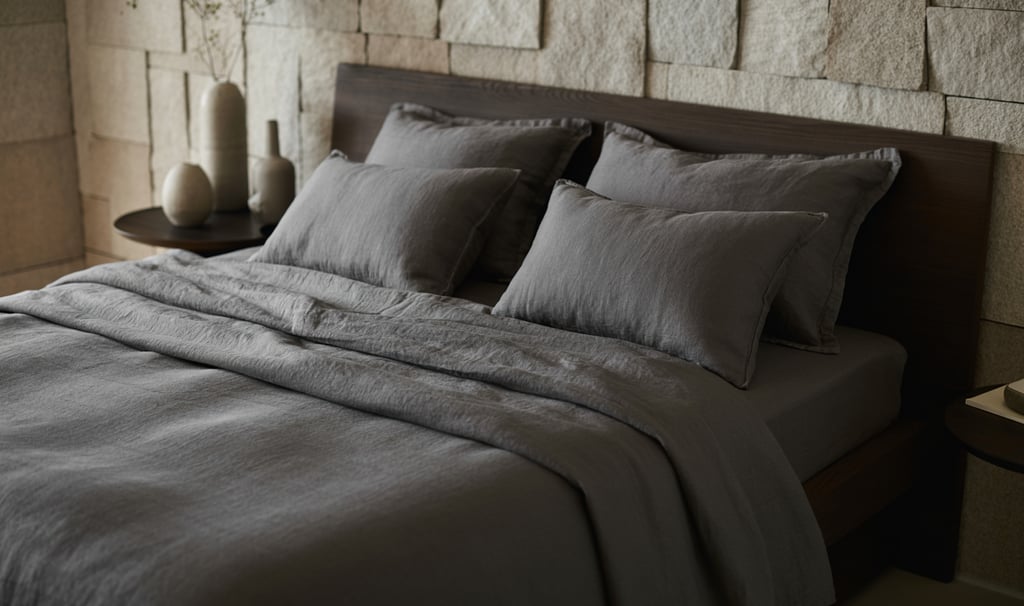
Create luxurious, inviting beds with layers of natural fiber bedding—linen duvet covers, cotton sheets, and wool blankets. Keep colors neutral and soothing, avoiding busy patterns that disrupt visual calm.
Minimal Nightstands and Storage
Choose simple nightstands with clean lines and just enough storage for essentials. Keep surfaces clear except for a lamp, small plant, or meaningful object.
Blackout Solutions Without Heavy Curtains
Maintain the airy feeling of minimal window treatments while ensuring good sleep by using cellular shades or roller blinds in blackout fabrics that disappear when raised.
Bathrooms: Spa-Like Simplicity
Scandinavian bathrooms feel like personal spas through natural materials, plenty of light, and uncluttered surfaces.
Natural Stone and Wood Elements
Introduce warmth through wood vanities, teak shower benches, or stone tile. These natural materials create connection to nature while withstanding bathroom humidity.
Minimal Toiletry Display
Keep counters clear by storing toiletries in drawers or cabinets. Display only the most beautiful bottles or decant products into matching, minimal containers.
Small Space Scandinavian Design
Scandinavian design principles work exceptionally well in small spaces, where functionality and visual calm become even more important.
Making Small Spaces Feel Larger
Light colors, minimal furniture, and strategic mirror placement make compact spaces feel more expansive. Maintain sightlines and avoid blocking windows to maximize perceived space.
Multi-Functional Furniture Essentials
In small homes, every piece must work hard. Invest in sofas that become guest beds, dining tables that expand, and storage that serves multiple purposes.
Vertical Space Utilization
Use wall-mounted shelving, tall bookcases, and vertical storage to maximize space without consuming valuable floor area. This vertical emphasis draws eyes upward, creating feelings of greater height.
Editing for Essential Items Only
Small space Scandinavian design requires ruthless editing. Keep only items you truly use and love, storing seasonal or occasional items out of sight.
Budget-Friendly Scandinavian Style
Creating Scandinavian-inspired spaces doesn't require unlimited budgets. Strategic choices and DIY approaches make this aesthetic accessible at various price points.
Prioritizing Key Investment Pieces
Invest in a quality sofa, dining table, or bed that you'll use daily for years. Save on accessories, decorative items, and pieces used less frequently.
DIY Projects for Scandinavian Aesthetics
Simple DIY projects can create Scandinavian style affordably. Paint furniture in neutral tones, create simple wooden shelving, or sew linen cushion covers for personalized touches.
Shopping Secondhand and Vintage
Thrift stores, estate sales, and online marketplaces offer Scandinavian and Scandinavian-inspired pieces at significant savings. Look for solid wood furniture with good bones that can be refinished.
Affordable Alternatives to Designer Pieces
Many mainstream retailers offer Scandinavian-inspired furniture at accessible prices. While not investment pieces, these items can fill gaps while you save for higher-quality versions.
Maintaining Your Scandinavian Interior
Creating a beautiful Scandinavian home is one thing; maintaining it requires ongoing attention and intentionality.
Daily Habits for Uncluttered Spaces
Develop habits that prevent clutter accumulation—immediately putting items away, doing quick daily tidying, and resisting impulse purchases that don't serve clear purposes.
Seasonal Refreshes and Updates
Make small seasonal adjustments to keep your home feeling fresh. Swap throw pillow covers, change bedding weight, or rotate decorative objects to reflect the season while maintaining your aesthetic.
Caring for Natural Materials
Wood, stone, and natural textiles require appropriate care to maintain their beauty. Learn proper cleaning and maintenance techniques for each material in your home.
Regular Editing and Decluttering
Schedule regular sessions to reassess possessions and remove items that no longer serve you. This ongoing curation maintains the clean, intentional spaces central to Scandinavian design.
Conclusion: Creating Your Scandinavian-Inspired Sanctuary
Embracing Scandinavian interior trends for 2026 offers a path toward creating homes that support well-being, reflect your values, and stand the test of time. By focusing on clean lines, earthy neutrals, and functional minimalism, you build spaces that feel both beautiful and deeply livable.
Through thoughtful material selection, intentional furniture choices, and connection to nature, we've explored how to create Scandinavian-inspired interiors that enhance daily life. From understanding color palettes to mastering layered lighting, each element contributes to homes that feel serene, purposeful, and authentically personal.
By investing in quality over quantity and embracing the principles of functional minimalism, you create sustainable, timeless interiors that evolve with your life rather than requiring constant reinvention. Your Scandinavian-inspired home becomes a sanctuary that nurtures your well-being and reflects your commitment to intentional living.
Let's celebrate the opportunity to create homes that truly support how we want to live. With these 2026 Scandinavian interior trends as your guide, you can design spaces that bring daily joy, reduce stress, and honor both aesthetic beauty and practical functionality. This approach will help you cultivate a home that feels like a true reflection of your values while providing the calm, organized environment we all need to thrive.