
The Soft Girl Wardrobe for Chronic Illness: Comfort That Doesn’t Compromise on Beautiful
The content on this site was created with the help of AI. LOVEOWE LLC participates in the Amazon Services LLC Associates Program and other affiliate programs. As an Amazon Associate, I earn from qualifying purchases. This means I may earn a small commission—at no extra cost to you—when you make a purchase through links on this site. All opinions are my own. Learn more click here. Thank you for your support!
For a long time, I had two separate wardrobes in my head. The one I wanted — soft colors, floaty fabrics, the kind of effortless feminine aesthetic that made me feel like myself. And the one I actually wore — whatever caused the least friction on bad days. Whatever I could get into without a full negotiation with my body.
The gap between them felt like one more thing chronic illness had taken. Quietly significant in the way a lot of chronic illness losses are — not dramatic enough to mention to a doctor, but real. You stop reaching for the things you love because they cost too much. Not in money. In energy, and discomfort, and the grief that comes from wearing something that hurts.
What I eventually figured out — slowly, through a lot of trial and error and one too many mornings standing in front of my closet feeling defeated — is that those two wardrobes don’t have to be separate. The soft girl aesthetic isn’t despite its name built for people who feel good all the time. It’s built on exactly the principles that a chronic illness wardrobe needs: softness, ease, gentle silhouettes, nothing that constricts or scratches or demands too much from your body to wear.
You don’t have to choose between beautiful and functional. This post is about building the wardrobe that gives you both.
Why the soft girl aesthetic works so well for chronic illness
The soft girl aesthetic — in its truest form, not the heavily filtered version — is about ease. It prioritizes flowing fabrics over structured ones. Muted, warm tones over harsh contrasts. Layering for comfort rather than architecture. Clothes that move with your body rather than holding it in a particular shape.
When you think about it that way, it maps almost perfectly onto what a chronic illness wardrobe actually needs.
People with fibromyalgia, lupus, POTS, EDS, endometriosis, and dozens of other chronic conditions often deal with some version of the same wardrobe challenges: fabric sensitivity that makes certain textures unbearable against the skin, bloating and inflammation that makes waistbands a daily negotiation, fatigue that makes anything with complicated fastenings — buttons, zippers, anything that requires fine motor precision on a bad morning — a genuine obstacle. Temperature dysregulation that means you’re always either too hot or too cold and need to be able to adjust quickly. Joint pain that makes overhead dressing difficult on certain days.
The soft girl wardrobe — with its emphasis on knit fabrics, elastic waists, loose silhouettes, and layers — addresses almost all of these without requiring you to dress like you’re managing a medical condition. You get to look like you chose this. Because you did.
A wardrobe that works for your body isn’t a consolation prize. It’s what dressing well actually means.
There’s also something worth naming about the emotional dimension of getting dressed when you’re chronically ill. On hard days, the act of putting on something soft and intentional — something that feels like it was chosen for you, by you — is a form of self-care that takes about three minutes and costs very little energy. It signals to your nervous system that today counts. That you count. That the day is worth showing up for, even if showing up looks different today than it did last week.
The fabrics that actually love your body back
Fabric is everything. It is the difference between a piece you reach for and one that stays folded in your drawer. Before anything else — before color, before silhouette, before whether something is on trend — fabric is the conversation your clothes have with your skin all day long, and when you have a body that’s already dealing with a lot, that conversation matters.
Here’s what to look for and what to avoid.
Cotton jersey and modal. These are the workhorses of a chronic illness soft girl wardrobe. Soft, breathable, stretchy without being clingy, and easy to layer. Modal in particular has a silk-like drape that photographs beautifully and feels almost nothing like wearing clothes at all — which is the goal on a high-pain day. Look for it in basics: tank tops, long-sleeve underlayers, simple midi dresses.
Bamboo fabric. Underrated and worth knowing about. Bamboo is naturally temperature-regulating, which makes it genuinely useful for those of us who run hot, cold, or both within the same hour. It’s also extraordinarily soft — softer than most cotton — and tends to be gentle on sensitive skin. If you’ve never tried bamboo loungewear, it may change your relationship with getting dressed entirely.
Linen (relaxed weave). For warmer months, loose linen is a dream. It breathes better than almost anything else, softens beautifully with washing, and has that effortlessly elevated quality that fits the aesthetic perfectly. Avoid stiff, structured linen — look for relaxed, washed linen that already has some give to it.
Ponte and soft knit. For days when you want to look more put-together without sacrificing comfort, ponte fabric gives you a polished appearance with the stretch and forgiveness of a knit. A ponte midi skirt or wide-leg trouser reads as dressed-up while feeling closer to pajamas.
What to avoid when possible: Anything with rough seams or tags that sit directly against the skin. Waistbands with no give. Fabrics with texture that seems soft in the store but becomes scratchy after a few hours of wearing. Anything that requires ironing to look presentable — the cognitive load of clothing maintenance is a real thing, and garments that stay wrinkle-resistant wash after wash earn their place in a chronic illness wardrobe in a way that high-maintenance pieces never will.
Soft, beautiful fabrics worth building around
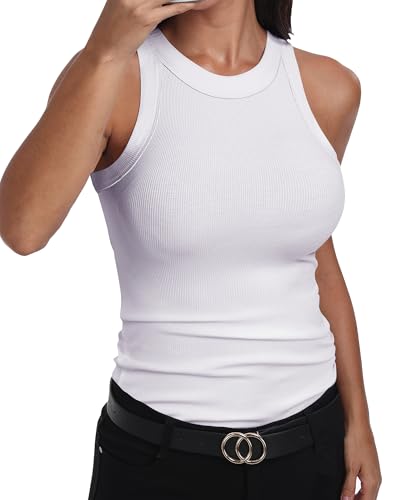
A modal ribbed tank is the closest thing to a chronic illness wardrobe essential. Layer it under everything, wear it alone in warm weather, sleep in it on the nights when changing feels like too much. The ribbed texture adds visual interest without adding sensory friction.

A matching bamboo set is the move when you want to look intentional without any effort. Wear it as loungewear, style it with slides and a cardigan for a coffee run, or keep it as your default on high-pain days. The temperature-regulating quality alone makes it worth it.

One good linen midi dress does the work of three outfits. Dress it up with sandals and earrings, down with sneakers and a denim jacket, or wear it alone on warm days when you need to get dressed without thinking. Pre-washed linen has the softness already built in.

Underwire is a negotiation that high-pain days often lose. A soft, seamless bralette with enough support for daily wear is one of the most frequently mentioned wardrobe changes people with chronic illness make — and one of the most immediately impactful.
Building your soft girl capsule wardrobe around chronic illness
A capsule wardrobe works especially well for chronic illness because it removes decision fatigue. When everything you own works together and every piece is something you can actually wear, getting dressed stops being a source of low-level daily stress. You open your closet, you feel good about your options, you choose something, and you move on.
Here’s how to think about each category of your wardrobe through a soft girl chronic illness lens.
Tops. Your top layer is where the aesthetic lives most visibly, so this is where you can have the most fun. Flowy blouses in crepe or chiffon. Oversized knit sweaters in oatmeal, dusty pink, sage, cream. Soft button-downs you can leave open over a tank on days when your arms need the option to be uncovered quickly. Fitted long-sleeves in modal or cotton for layering. The key is that every top should be easy to get on — nothing that requires contortion, anything that pulls smoothly over the head or opens fully in the front.
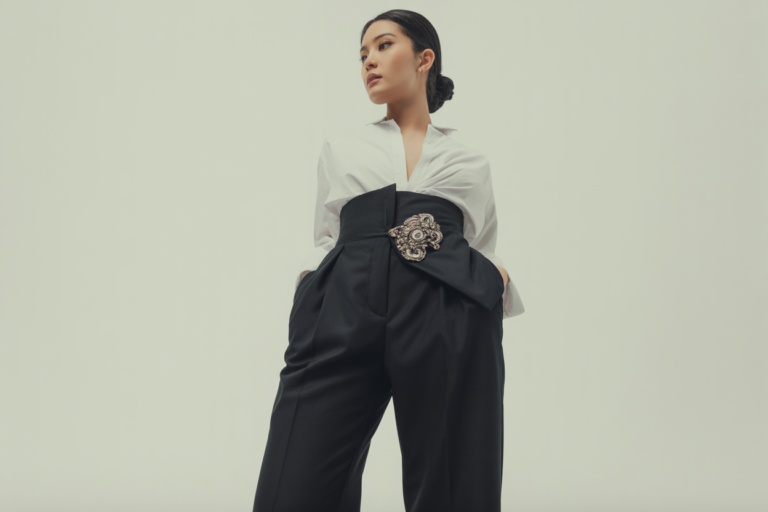
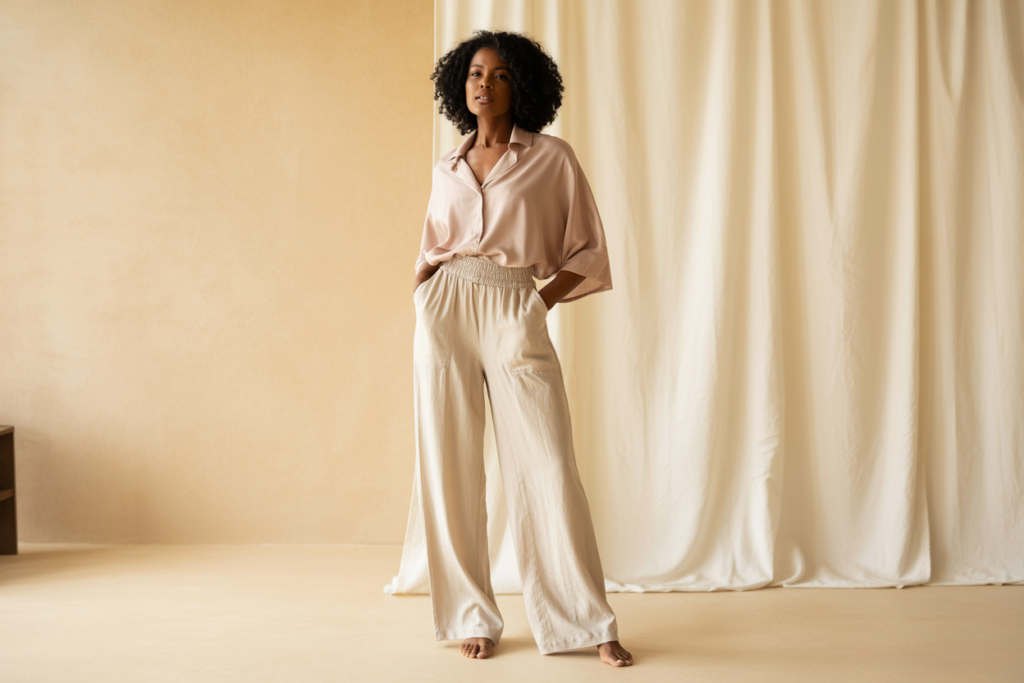
Bottoms. This category does the most work in a chronic illness wardrobe. Elastic waists are non-negotiable for inflammation days, but they don’t have to look like an afterthought. A wide-leg linen trouser with an elasticated waist looks intentional and elegant. A satin-finish midi skirt with a hidden elastic band photographs like something from a boutique and feels like wearing nothing at all. Soft jersey leggings styled with an oversized knit and slides read as a complete outfit rather than workout clothes when the proportions are right.
Dresses. On truly hard days, a dress is often the easiest option because it’s a single decision with no coordination required. Keep two or three that work in multiple seasons — a cotton smock dress, a modal wrap dress that ties loosely rather than cinching, a slip-style midi that layers under a cardigan in cooler weather. These become your default when capacity is low and you still want to feel like yourself.
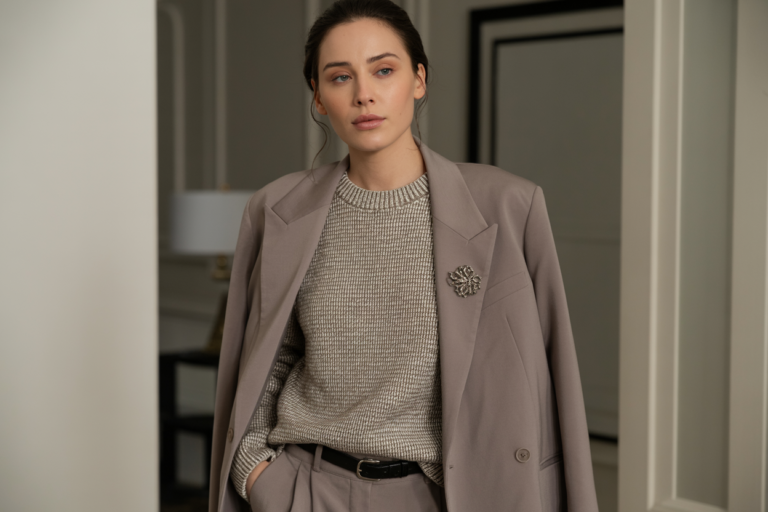
Layers. Layering is temperature regulation made beautiful. An oversized linen blazer over a tank dress. A long open cardigan over everything, always. A soft duster coat in neutral tones that transitions from inside to outside without requiring a full outfit change. Layers are also how you navigate the specific challenge of undressing and redressing throughout the day as symptoms shift — having pieces you can add and remove easily is a form of dressing for your body that the soft aesthetic genuinely accommodates.
Shoes. Platform sandals with cushioned footbeds. Mary Janes with padded insoles. Soft leather ballet flats. Mules that slip on without bending. The goal is footwear that doesn’t require you to manage your feet on top of everything else you’re already managing.
Getting dressed should be the easiest part of your day. Build your wardrobe like that’s the point — because it is.
Wardrobe essentials for the soft girl chronic illness capsule

The most versatile bottom in a chronic illness capsule wardrobe. Wide-leg trousers with a soft elastic waist dress up for appointments, dress down for rest days, and never once require you to choose between looking put-together and feeling comfortable enough to function.

The defining piece of the soft girl aesthetic and one of the most genuinely useful things in a chronic illness wardrobe. Throws over everything, provides a layer for temperature regulation, and makes even the simplest outfit look intentional. Get one in a neutral — oatmeal, cream, or soft grey — and you’ll reach for it every day.

A satin or satin-finish midi skirt with an elasticated waist is the sleeper piece of this wardrobe. It photographs like a high-end boutique purchase, layers beautifully over a fitted knit or under an oversized sweater, and feels like wearing a duvet. Look for ones with a slight A-line shape for the most flattering and comfortable drape.

A flatform sandal gives you height, a feminine silhouette, and a cushioned platform that distributes pressure more evenly than a traditional flat. For people with joint pain or fatigue, the difference in how your feet feel after a few hours is significant enough to matter.
Color and aesthetic: building a palette that works hard for you
The soft girl palette — blush, ivory, sage, dusty lavender, warm cream, soft terracotta — is not just aesthetically pleasing. It’s functionally smart for a low-effort wardrobe because neutral and near-neutral tones work together almost automatically. You don’t have to think about whether things match. You just get dressed.
When everything in your wardrobe lives within the same color family, getting dressed on a brain fog morning becomes significantly easier. You’re not coordinating — you’re just choosing. That reduction in cognitive load is not a small thing for people managing conditions that already tax executive function.
A few principles for building your palette with chronic illness in mind:
Start with three to four neutrals as your backbone — cream, oatmeal, blush, soft taupe. Everything else builds from there. Add one or two soft accent tones you genuinely love — sage, dusty rose, soft terracotta — for your statement pieces like blouses and cardigans. The goal is a closet where nothing clashes and you never have to think about whether things work together.
Keep prints gentle. Ditsy florals, thin muted stripes, subtle checks — prints that add interest without demanding attention. These are also less visually fatiguing, which matters when sensory overwhelm is already part of your daily experience.
Invest in texture over pattern. A ribbed knit, a waffle-weave cotton, a crinkled linen adds visual depth to a neutral outfit without adding any coordination complexity. Texture is the soft aesthetic’s quiet secret, and it works beautifully for chronic illness for exactly that reason.
Getting dressed on the hard days
All of this is the ideal — the wardrobe you build toward, the capsule that makes mornings easier over time. But what about the days when even a soft wardrobe feels like too much? When the flare is bad enough that the concept of an outfit is genuinely overwhelming?
This is where the chronic illness soft girl wardrobe earns its keep in a way that ordinary style advice never addresses. Because when your wardrobe is built entirely from soft, comfortable pieces that all work together, there is no such thing as “just staying in pajamas” feeling like giving up. Your softest bamboo set is not pajamas — it’s an outfit. Your modal tank and wide-leg linen trousers are not sick-day clothes — they’re your wardrobe. The gap between “dressed” and “comfortable enough to manage” disappears.
On the genuinely hard days, a few things help:
Keep one complete outfit already decided — top, bottom, layer — folded somewhere accessible. When you have nothing left for choices, you reach for that. No thinking required.
Invest in pieces that work as both rest clothes and real clothes. Clothes you can sleep in and also wear outside without changing. This is not a compromise — it’s an intentional design choice that the soft girl aesthetic accommodates better than almost any other style direction.
And give yourself permission to count a soft set as dressed. Because it is. You showed up today in something intentional and soft and yours. That counts.
For the hardest days — beautiful pieces that do double duty
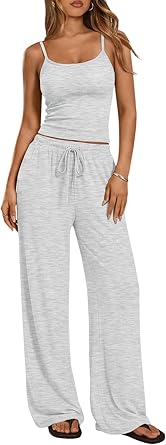
A matching knit set in a soft neutral — the kind with a relaxed top and straight-leg or wide-leg bottoms — is the hardest working piece in a chronic illness wardrobe. Rest in it, wear it to a low-key appointment, style it with mules and earrings for a coffee run. It reads as an outfit because it is one.

On the days when getting dressed is the victory and hair is the negotiation, a good claw clip does more for your overall aesthetic than almost anything else. The soft girl wardrobe is built for effortless — a clip that keeps hair out of your face while looking intentional is part of that.

An indoor-outdoor mule that works on both the couch and the driveway removes one more decision from the hard morning. Look for ones with enough sole to be genuinely outside-appropriate — the crossover is what makes them useful rather than just comfortable.
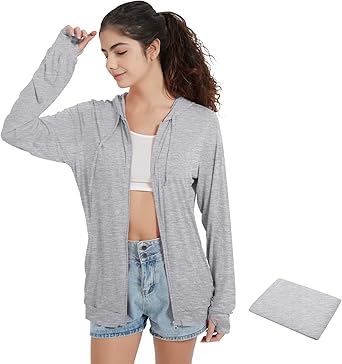
A zip-up rather than a pullover matters on days when overhead dressing is difficult. A soft, fitted zip-up in cream or oatmeal styles as part of an outfit rather than workout wear — and gives you a layer you can add or remove without lifting your arms above your shoulders.
Dressing well is an act of self-worth — even when it’s hard
There is a version of chronic illness self-care that looks like rest, and there is a version that looks like getting dressed in something soft and intentional on a day when you could have stayed in yesterday’s clothes. Both are valid. Both count. But there’s something specific that happens when you choose to show up for yourself aesthetically — when you decide, even on a hard day, that the way you move through the world in your body matters enough to be intentional about.
It isn’t vanity. It’s self-worth made visible.
The soft girl wardrobe built for chronic illness is not about performing wellness you don’t feel. It’s not about looking healthy when you aren’t, or presenting a version of yourself to the world that requires more energy than you have. It’s about building a relationship with your body and your clothes that says: I am worth dressing well. My comfort matters. Beautiful and functional are not in competition, and I refuse to choose between them.
That belief extends beyond your wardrobe. Into the way you advocate for yourself. Into the standards you hold for how you’re treated in medical settings, in relationships, in every room you move through.
If you’re working on showing up for yourself in the harder spaces too — the doctor’s office, the difficult conversations with family, the moments when you need to hold your ground — Say This: 30 Scripts for Chronic Pain Communication was made for exactly that. Because you deserve to feel as prepared and grounded in those rooms as you do in your favorite soft knit. Get your “SAY THIS” copy here.
The finishing touches — soft girl details that elevate any outfit

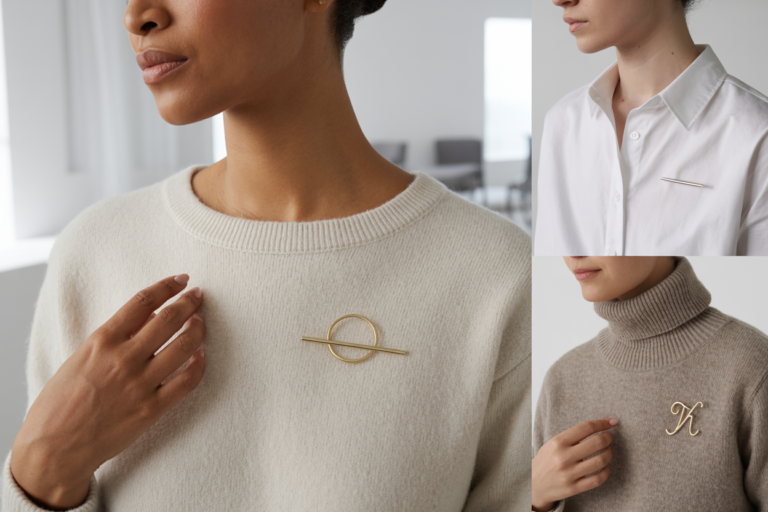
Jewelry is often the last thing to make it back into the routine during a flare — but a set of lightweight layering necklaces that can stay on all week means you never have to choose between the effort and the aesthetic. Dainty gold against a soft neutral outfit is the definition of effortless.

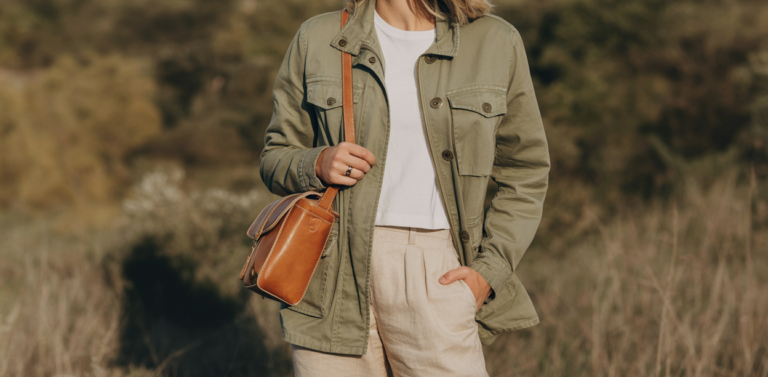
A soft structured tote in cream, tan, or blush completes the soft girl aesthetic while doing practical work — medical documents, medication, snacks for long appointment days. A bag that is both beautiful and genuinely useful is worth every penny in a chronic illness wardrobe.

Satin scrunchies are gentler on hair during periods of increased shedding — which many chronic illness conditions and their treatments can cause. A set in soft neutrals and blush tones doubles as an accessory that looks intentional on the wrist between uses.
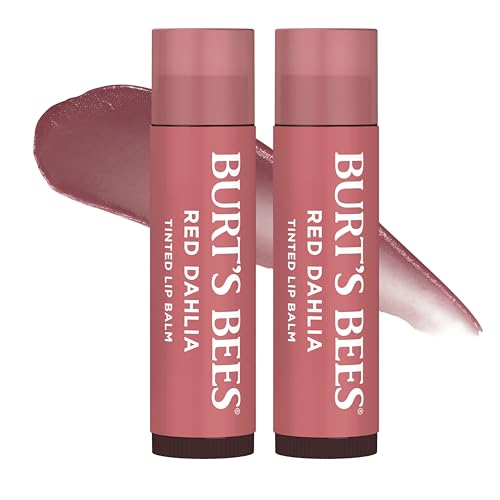
On the days when a full routine is off the table, a tinted balm that takes five seconds and stays on through a cup of tea is the single-step version of a beauty routine. A soft rose or warm nude tone pulls any soft girl outfit together without requiring anything more from you.
You never had to choose
The wardrobe in your head — the soft, beautiful, intentional one — and the wardrobe your body actually needs are the same wardrobe. They always were. It just takes knowing what to look for, and giving yourself permission to build toward something that serves you on every kind of day, not just the good ones.
Start small if you need to. One good modal tank. One cardigan you reach for every time. One bottom that makes you feel like yourself without costing you anything. Build from there, slowly, in the direction of a closet where everything is soft and everything works and getting dressed is the easiest part of your morning.
You deserve a wardrobe that loves your body back. Not when you feel better. Not when things are easier. Right now, in this body, on these days.
That’s what this is for.