10 Anti-Inflammatory Recipes for Low-Energy Days That Actually Taste Good
The content on this site was created with the help of AI. LOVEOWE LLC participates in the Amazon Services LLC Associates Program and other affiliate programs. As an Amazon Associate, I earn from qualifying purchases. This means I may earn a small commission—at no extra cost to you—when you make a purchase through links on this site. All opinions are my own. Learn more click here. Thank you for your support!
Most anti-inflammatory recipe content assumes you have things I often don’t have on a hard day.
It assumes you have forty-five minutes and the energy to stand for all of them. It assumes you’ve already done a full grocery shop with fresh produce. It assumes you have the focus to follow a detailed recipe, and the motivation to produce something worthy of its own photograph. And then it suggests something like a herb-crusted salmon with three side dishes, and you close the tab.
These recipes are different. Every one was built around a single question: what can someone actually make when their body is already asking a lot of them? That means fifteen minutes or less of active effort. Ingredients that live in a pantry or freezer. Steps you can do in stages — start something, rest, come back. Food that feels like a choice rather than an act of desperation.
All ten are genuinely anti-inflammatory — built around omega-3 fatty acids, polyphenols, fiber, antioxidants, and the herbs and spices that do real functional work. They also just taste good. Because nourishment you actually enjoy eating is infinitely more useful than a perfectly composed plate you can’t bring yourself to finish. Build toward a rotation that works for your body and your energy, one recipe at a time.
Note: These recipes are for informational purposes only and are not intended as medical advice. If you have specific dietary needs or restrictions related to your health condition, please consult your healthcare provider or a registered dietitian.
Breakfasts that work on the hard mornings
1. Golden milk overnight oats
Active time: 5 minutes the night before. Zero effort the morning of.
This is the recipe for the mornings when getting out of bed is already the accomplishment. Everything goes in a jar the night before — you open the refrigerator in the morning and breakfast is waiting for you, cold and ready and genuinely nourishing. The turmeric and ginger bring meaningful anti-inflammatory compounds; the oats and chia seed provide fiber that feeds beneficial gut bacteria; the blueberries add anthocyanins. It tastes like something you’d order at a café.
Ingredients (1 serving):
- ½ cup rolled oats
- 1 tablespoon chia seeds
- ¾ cup milk of choice (oat, almond, or dairy — whatever works for your system)
- ½ teaspoon ground turmeric
- ¼ teaspoon ground ginger
- Pinch of black pepper (activates turmeric’s curcumin)
- 1 teaspoon raw honey or maple syrup
- Handful of blueberries, fresh or frozen, to top in the morning
Method: Combine everything except the blueberries in a jar or container with a lid. Stir well, close, and refrigerate overnight. In the morning, stir again, add the blueberries, and eat cold — or warm for 60 to 90 seconds in the microwave if you prefer. That’s it. No morning effort required.
Why it works: Turmeric plus black pepper plus a fat (from chia seeds or nut milk) is the combination that allows curcumin to absorb meaningfully. The oats and chia provide sustained energy without blood sugar spikes — useful on days when a crash would be particularly costly.
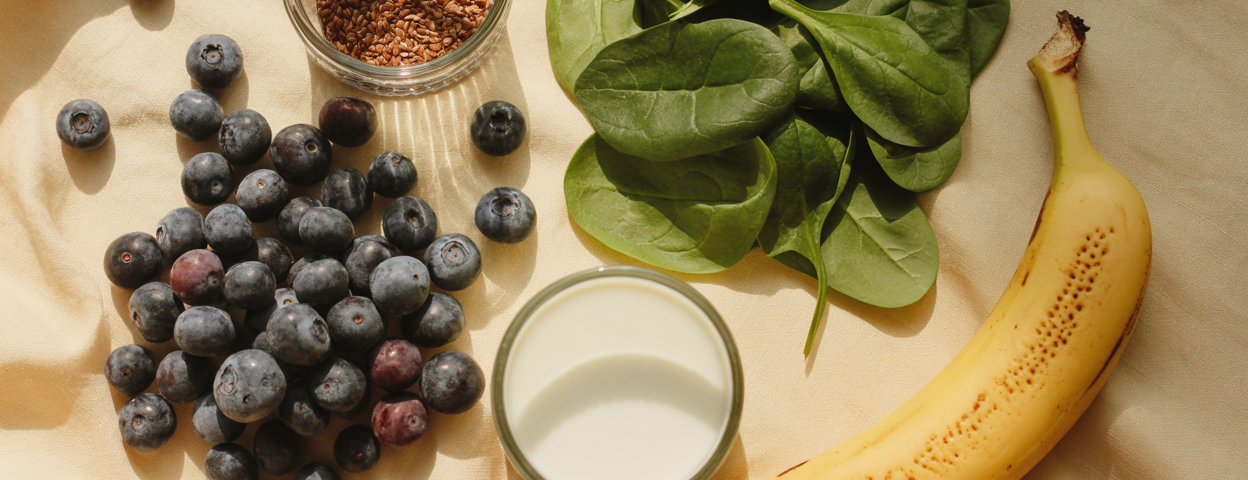
2. Blueberry spinach smoothie
Active time: 3 minutes. One appliance, one glass.
The recipe for when eating feels hard but you know your body needs something. Frozen fruit means no prep, no washing, no cutting. The spinach is completely hidden by the blueberries — you taste none of it, but you get every bit of its magnesium and antioxidants. The flaxseed adds plant-based omega-3s and fiber. Drink it through a straw if that’s easier. Count it as a full meal on a hard day, because it is.
Ingredients (1 serving):
- 1 cup frozen wild blueberries
- 1 large handful of fresh or frozen spinach
- 1 tablespoon ground flaxseed
- 1 cup milk of choice or water
- Optional: ½ frozen banana for creaminess, 1 teaspoon almond butter for protein and fat
Method: Add all ingredients to a blender. Blend until smooth. Drink immediately or pour into a jar and keep in the refrigerator for up to 6 hours — shake or stir before drinking if it’s been sitting.
Why it works: Wild blueberries are smaller and more antioxidant-dense than cultivated varieties. Spinach adds magnesium, which is often depleted in people with chronic pain conditions and plays a role in nerve and muscle function. Ground flaxseed provides ALA omega-3 fatty acids and soluble fiber. This is one of the highest-density anti-inflammatory things you can consume in under three minutes.
3. Avocado and salmon rice bowl
Active time: 5 minutes. No cooking required if using pre-cooked rice.
Canned salmon gets an unfair reputation. Wild-caught canned salmon has the same anti-inflammatory omega-3 profile as a freshly cooked fillet — it just requires zero cooking and lives in your pantry indefinitely. This bowl comes together in five minutes if you have pre-cooked rice (batch it on a good day and refrigerate), and it’s substantial enough to be a full meal. The avocado adds monounsaturated fats that reduce inflammation and aid absorption of fat-soluble nutrients.
Ingredients (1 serving):
- 1 can (5 oz) wild-caught salmon, drained
- ½ cup cooked brown rice or quinoa (pre-cooked or microwaveable pouch)
- ½ ripe avocado, sliced or mashed
- Drizzle of extra-virgin olive oil
- Squeeze of lemon or lime juice
- Salt, pepper, and red pepper flakes if tolerated
- Optional: cucumber slices, a handful of leafy greens, sesame seeds
Method: Warm the rice in the microwave if desired. Drain and flake the salmon into a bowl. Add rice, avocado, and any additional toppings. Drizzle with olive oil and lemon. Season. Done.
Why it works: Salmon provides EPA and DHA — the most potent dietary anti-inflammatory compounds available, which directly inhibit pro-inflammatory pathways. Combined with olive oil’s oleocanthal and avocado’s healthy fats, this bowl covers three of the most well-researched anti-inflammatory food groups in one five-minute assembly.
Make these recipes easier to prepare
![Wide Mouth Mason Jars 16 oz [5 Pack]](https://m.media-amazon.com/images/I/418qy+VyK7L._SL500_.jpg)
Overnight oats, smoothie prep, grain storage — wide-mouth mason jars are the most versatile tool in a chronic illness kitchen. Make three overnight oats at once on a good evening and have breakfast handled for the next three mornings without any effort required.

A personal blender that blends directly into a travel cup means one less dish to wash — which matters more than it sounds on low-energy days. Add your smoothie ingredients the night before, refrigerate the cup, blend in the morning, and drink from the same vessel.

Keep this in the freezer at all times. Frozen wild blueberries are smaller and more antioxidant-dense than fresh cultivated varieties, available year-round, require no washing or prep, and go directly from freezer into smoothies, oats, or a bowl on their own.

Pre-cooked microwaveable brown rice takes 90 seconds and eliminates the one step that makes grain bowls impractical on bad days. Keep a stock of these in the pantry as your flare day base for any savory bowl recipe.
Lunches that don’t require a functioning kitchen
4. White bean and lemon smash
Active time: 5 minutes. Eaten straight from the bowl.
This is the recipe that sounds too simple until you eat it and realize you’ve been overcomplicating lunch. Canned white beans are a complete protein and fiber source that literally require no cooking — drain, rinse, season, mash loosely with a fork, eat. The lemon and olive oil turn it into something that tastes like Mediterranean food. Add crackers, toast, or eat it alone. It keeps in the refrigerator for two days.
Ingredients (1–2 servings):
- 1 can (15 oz) white beans (cannellini or great northern), drained and rinsed
- 2 tablespoons extra-virgin olive oil
- Juice of half a lemon
- 1 small garlic clove, minced — or ¼ teaspoon garlic powder if fresh garlic is too much effort
- Salt and pepper
- Optional: fresh herbs (parsley, basil), red pepper flakes, a handful of cherry tomatoes
Method: Drain and rinse the beans. Add to a bowl with olive oil, lemon, garlic, salt, and pepper. Mash loosely with a fork — leaving some beans whole for texture — and stir to combine. Taste and adjust seasoning. Serve with seed crackers, on toast, or alongside sliced cucumber and olives.
Why it works: White beans are high in fiber, which lowers C-reactive protein levels — one of the primary markers of systemic inflammation. The combination of beans, olive oil, and garlic hits three distinct anti-inflammatory pathways.
5. Sardine and avocado toast
Active time: 5 minutes. Two ingredients do the heavy lifting.
Sardines are among the most anti-inflammatory foods available — higher in omega-3s per serving than salmon, and packaged in a can that lives in your pantry for years. If sardines feel like too much, canned wild salmon works equally well. This is a complete, nourishing meal in five minutes.
Ingredients (1 serving):
- 2 slices whole grain or sourdough bread, toasted
- ½ ripe avocado
- 1 can sardines in olive oil, drained
- Squeeze of lemon juice
- Red pepper flakes, salt, and black pepper
- Optional: sliced radishes, capers, fresh dill, a drizzle of extra olive oil
Method: Toast bread. Mash avocado onto both slices and season with salt and lemon. Layer sardines on top. Add optional toppings. Eat immediately.
Why it works: Sardines provide approximately 1,000–1,500mg of combined EPA and DHA omega-3s per serving — among the highest of any food source. The olive oil they’re packed in adds additional oleocanthal. This is one of the most omega-3-dense meals you can produce in under five minutes.
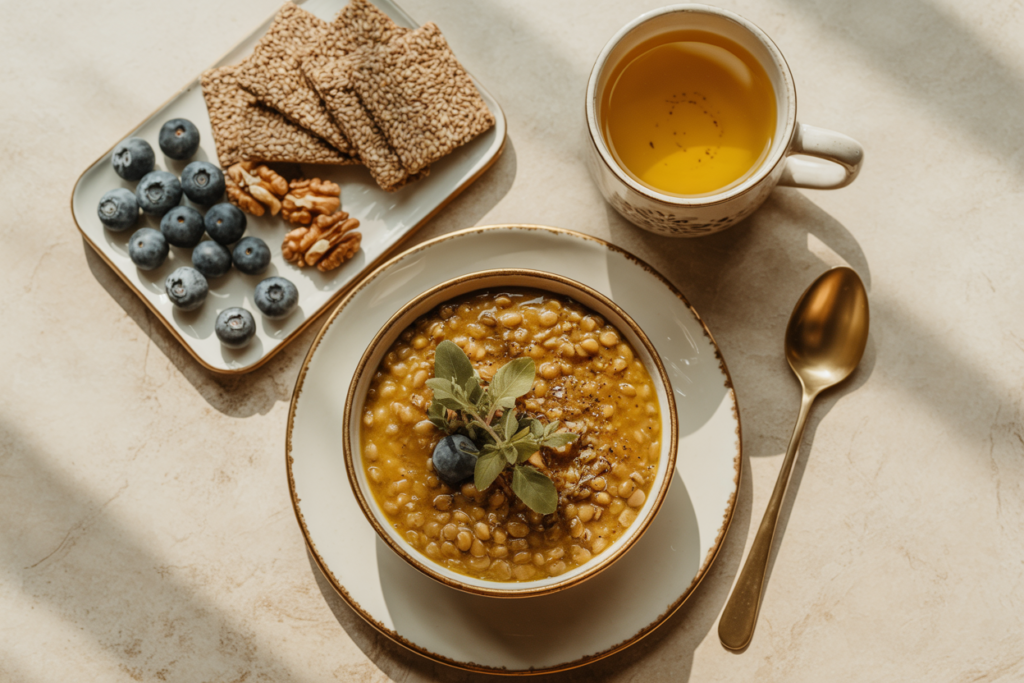
6. Golden lentil soup (one pot, 25 minutes)
Active time: 10 minutes. Then it cooks itself.
This is the batch recipe — make a large pot on a medium-energy day and eat from it for three to four days. Red lentils require no soaking, no pre-cooking, and cook down into a thick, creamy soup in about fifteen minutes. The turmeric and ginger do significant anti-inflammatory work. The lentils provide protein, fiber, and iron. This is the recipe that makes the hardest days easier, because you made it on a better one.
Ingredients (4–5 servings):
- 1½ cups red lentils, rinsed
- 1 can (14 oz) diced tomatoes
- 1 medium onion, diced (or 1 teaspoon onion powder to skip the chopping)
- 3 garlic cloves, minced (or ½ teaspoon garlic powder)
- 1 teaspoon ground turmeric
- 1 teaspoon ground cumin
- ½ teaspoon ground ginger
- Pinch of black pepper
- 4 cups vegetable or chicken broth
- 2 tablespoons extra-virgin olive oil
- Salt to taste
- Optional: a large handful of fresh spinach stirred in at the end, lemon juice to finish
Method: Heat olive oil in a large pot over medium heat. Add onion and cook for 3 to 4 minutes until softened — or skip this step on hard days and add the onion powder directly. Add garlic and spices and stir for 30 seconds. Add lentils, tomatoes, and broth. Bring to a boil, then reduce heat and simmer for 15 to 18 minutes until lentils are completely soft. Stir in spinach if using — it wilts in about 60 seconds. Season with salt and a squeeze of lemon. Refrigerate leftovers for up to 4 days; freeze for up to 3 months.
Why it works: Red lentils are among the most fiber-dense foods available with a direct effect on reducing CRP. Combined with turmeric, ginger, garlic, and olive oil, this is one of the most comprehensive anti-inflammatory meals in this list — and one of the cheapest.
Pantry and kitchen tools that make these lunches possible

Stock your pantry with a multi-pack of wild-caught sardines in olive oil — they’re more affordable and more omega-3 dense than most canned fish options, last indefinitely, and require zero preparation. The olive oil packing is an additional anti-inflammatory bonus over water-packed varieties.

Keep at least six cans in the pantry. White beans are one of the most versatile, most affordable, most fiber-dense foods available for anti-inflammatory eating — and they require zero cooking time. Drain, rinse, season, and eat.

Red lentils are a chronic illness kitchen essential — they cook in 15 minutes without soaking, are among the highest-fiber foods available, and form the base of soups that batch-cook beautifully and freeze well. One bag lasts for weeks and costs very little per serving.

A good heavy-bottomed pot makes soup-making significantly easier — even heat distribution means you don’t need to stir constantly, which matters when standing at a stove costs more than it should. A Dutch oven is also oven-safe, which opens up more one-pot options on medium-energy days.
Dinners that feel like real food
7. Sheet pan salmon and vegetables
Active time: 10 minutes. The oven does the rest.
Sheet pan meals are the definitive low-energy dinner — ten minutes of setup, then you sit down while the oven does the work. This one produces a complete meal: omega-3-rich salmon, anti-inflammatory roasted vegetables, and olive oil doing double duty as both the cooking fat and a source of oleocanthal. Use whatever vegetables are in the refrigerator — this recipe is designed to be adapted, not followed precisely.
Ingredients (2 servings):
- 2 salmon fillets (fresh or thawed from frozen)
- 2 cups mixed vegetables — broccoli florets, sweet potato cubes, zucchini, bell pepper, or whatever is available
- 3 tablespoons extra-virgin olive oil, divided
- 2 garlic cloves, minced — or ½ teaspoon garlic powder
- 1 teaspoon dried oregano or mixed herbs
- Juice of half a lemon
- Salt and pepper
Method: Preheat oven to 400°F (200°C). Toss vegetables with 2 tablespoons of olive oil, garlic, salt, and pepper. Spread on a sheet pan and roast for 15 minutes. Push vegetables to the sides, add salmon fillets to the center, drizzle with remaining olive oil, season, and return to the oven for 12 to 15 minutes until salmon flakes easily. Squeeze lemon over everything before serving.
Why it works: Salmon twice weekly is one of the most consistent recommendations across anti-inflammatory eating research — EPA and DHA directly inhibit pro-inflammatory cytokine production. Vegetables roasted in olive oil add fiber and polyphenols that amplify the effect.
8. Turmeric chickpea and spinach skillet
Active time: 12 minutes. One pan. Vegan and deeply satisfying.
Chickpeas from a can are one of the most useful ingredients in an anti-inflammatory kitchen — high in protein, fiber, and zinc, and requiring zero cooking beyond opening the can. This skillet comes together in one pan in about twelve minutes and produces a meal that is warm, filling, and genuinely comforting in the way that hard days require. Serve over rice, with flatbread, or on its own.
Ingredients (2 servings):
- 1 can (15 oz) chickpeas, drained and rinsed
- 2 cups fresh or frozen spinach
- 1 can (14 oz) diced tomatoes
- 2 tablespoons extra-virgin olive oil
- 2 garlic cloves, minced (or ½ teaspoon garlic powder)
- 1 teaspoon ground turmeric
- 1 teaspoon ground cumin
- Pinch of black pepper
- Salt to taste
- Optional: ½ teaspoon smoked paprika, a squeeze of lemon to finish, a dollop of plain yogurt to serve
Method: Heat olive oil in a skillet over medium heat. Add garlic and spices and stir for 30 seconds. Add chickpeas and tomatoes and stir to combine. Simmer for 8 to 10 minutes until the sauce thickens slightly. Stir in spinach — it wilts in about 60 seconds. Season with salt and lemon. Serve immediately or refrigerate for up to 3 days.
Why it works: Chickpeas directly lower CRP through their fiber content. Turmeric, garlic, and cumin each bring distinct anti-inflammatory compounds. Spinach adds magnesium. Nothing fresh required — entirely pantry and freezer.
9. Ginger miso broth with noodles and greens
Active time: 8 minutes. Deeply warming. The flare day soup.
This is the recipe for the hardest days — when you need something warm and gentle and nourishing and you have almost nothing to give. Miso is a fermented food with genuine probiotic benefits for gut health. Ginger is one of the most well-studied anti-inflammatory spices. Rice noodles take three minutes to cook. This comes together in under ten minutes and feels, genuinely, like being taken care of.
Ingredients (1 serving):
- 2 cups water or low-sodium vegetable broth
- 1 tablespoon white or yellow miso paste (not red — milder flavor)
- ½ teaspoon fresh grated ginger or ¼ teaspoon ground ginger
- 1 nest (about 2 oz) rice noodles or soba noodles
- 1 large handful of baby spinach or bok choy
- Optional: soft-boiled egg, a few drops of sesame oil, sliced scallions, a splash of tamari
Method: Bring water or broth to a gentle boil. Add noodles and cook according to package directions — usually 2 to 3 minutes for rice noodles. Add ginger and greens and cook for another 60 seconds until wilted. Remove from heat — this is important — and stir in miso paste. Do not boil after adding miso — heat destroys the probiotic cultures. Pour into a bowl and add optional toppings.
Why it works: Miso preserves live beneficial bacteria that support gut flora, which has a direct downstream effect on systemic inflammation. Ginger’s active compounds — gingerols and shogaols — have documented anti-inflammatory and analgesic properties. This is a warm, gentle, low-effort meal that actually supports your body while you eat it.
Dinner essentials for low-energy cooking
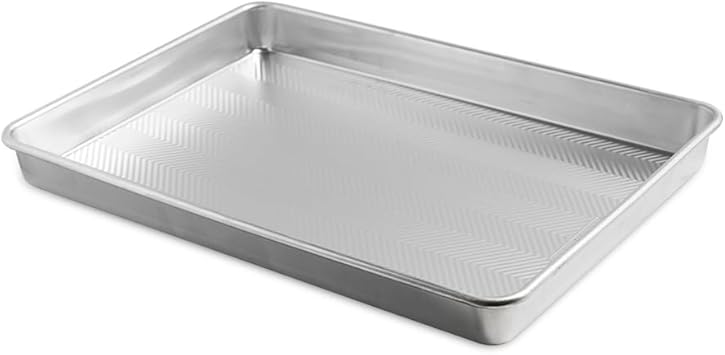
A heavy-gauge sheet pan that doesn’t warp at high heat is the most-used tool in a low-energy anti-inflammatory kitchen. One pan, one oven, no standing required after the first ten minutes of prep. Get one large enough to roast vegetables and protein side by side without crowding.

White miso is milder and more versatile than red — it works in soups, dressings, marinades, and as a seasoning for roasted vegetables. A container keeps in the refrigerator for months, making it a true pantry staple. Look for refrigerated varieties with live cultures listed in the ingredients.

Stock a multi-pack and you have the base for at least three meals in this recipe list. Canned chickpeas are ready immediately, last indefinitely in the pantry, cost very little, and provide protein, fiber, and zinc in meaningful amounts per serving.

Frozen wild-caught salmon fillets kept in the freezer mean you always have the most potent anti-inflammatory protein available — no fresh fish required, no planning ahead. Thaw overnight in the refrigerator or under cold running water in 20 minutes.
Snacks and small things that do real work
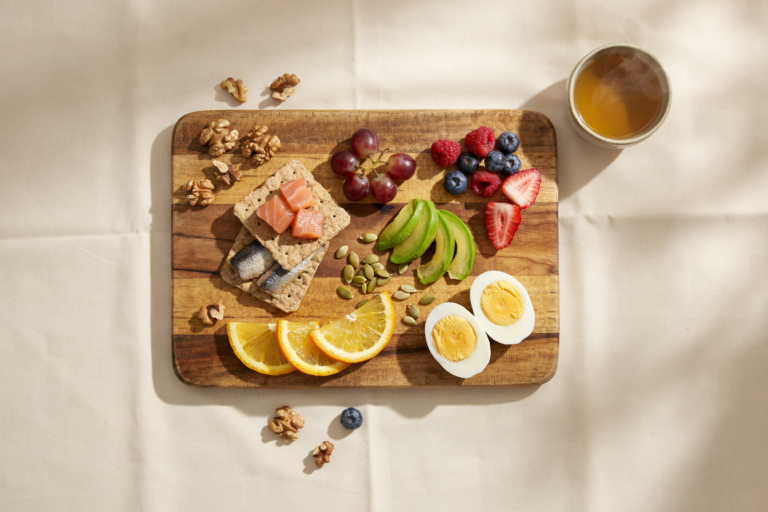
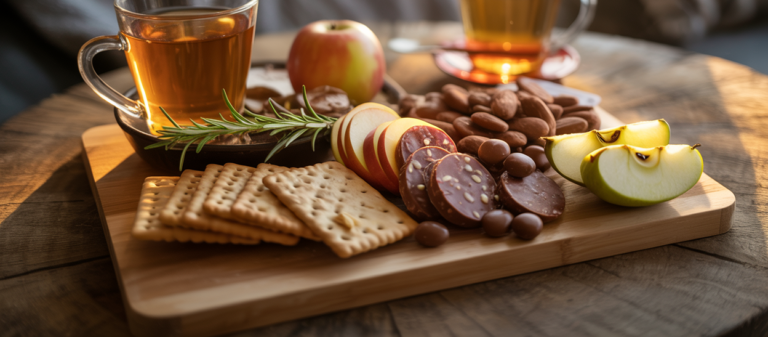
10. Anti-inflammatory snack board
Active time: 5 minutes. No cooking. Endlessly adaptable.
This is less a recipe than a formula — and it’s here because on the hardest days, assembly is all you can manage. A snack board built around anti-inflammatory ingredients hits multiple food groups without requiring any cooking, any following of steps, or any sustained effort. It also looks intentional and feels like a treat, which matters when you’re doing the difficult work of feeding yourself well through a hard period.
The formula — choose one from each category:
Protein + fat anchor: A few spoonfuls of hummus, a small portion of nut butter in a dish, a handful of walnuts and almonds, two tablespoons of tahini with a drizzle of honey.
Fruit: A handful of blueberries or raspberries, sliced strawberries, a few figs, thin-sliced apple with cinnamon.
Vegetable: Cucumber slices, carrot sticks, celery, cherry tomatoes, sliced bell pepper.
Cracker or complex carb: Seed crackers, rice crackers, oat cakes, a slice of whole grain bread torn into pieces.
Something that feels like a treat: One to two squares of dark chocolate (70%+ cacao), a drizzle of raw honey, a few olives, crystallized ginger.
Method: Arrange on a board, plate, or directly on the counter if a board is too much. Sit down while you eat it.
Why it works: This board — in whatever combination you build — covers omega-3 fatty acids (walnuts), anthocyanins (berries), fiber (vegetables and crackers), oleocanthal (olive oil in hummus), flavonoids (dark chocolate), and probiotics (hummus made with tahini adds sesame lignans). It is one of the most nutrient-dense things you can assemble in five minutes from a well-stocked pantry.
Feeding yourself well through a chronic illness takes a particular kind of self-advocacy — knowing what your body needs and finding ways to give it that, even on the hard days. The same advocacy belongs in your medical appointments. If you’ve been struggling to get your providers to take your symptoms seriously, Say This: 30 Scripts for Chronic Pain Communication gives you the language for 30 real situations — so you can walk into the rooms that matter most as prepared as you are in your kitchen. Get your copy of SAY THIS here
Snack board and pantry staples worth keeping stocked

Seed crackers made primarily from flax, pumpkin, and poppy seeds provide fiber, plant-based omega-3s, and a satisfying crunch without the refined flour that works against an anti-inflammatory pattern. Keep a box in the pantry specifically for snack boards and easy lunches.
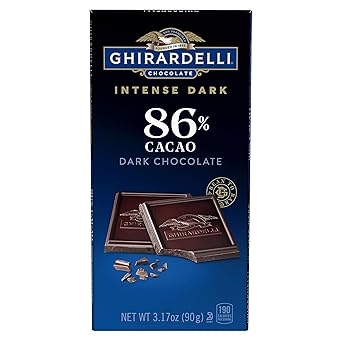
Keep a stock of quality dark chocolate bars for the snack board and for the days when you need something that functions as both anti-inflammatory support and a genuine treat. The flavonoids in high-cacao chocolate have documented anti-inflammatory and mood-supporting properties — this is not a cheat, it’s an ingredient.

The single highest plant-based source of anti-inflammatory omega-3 fatty acids and one of the most consistently recommended foods across every anti-inflammatory eating source. Keep a large bag in the refrigerator — walnuts stay fresher longer when cold — and use a small handful daily in whatever way fits your routine.

Having a dedicated small board makes the snack board practice something you actually do rather than something you intend to do. The act of arranging items on a surface — even loosely, even imperfectly — is the ritual that turns eating into something intentional. A board that lives on the counter is a reminder that this is worth doing.
A rotation, not a prescription
These ten recipes are not a meal plan. They are a starting point for building a rotation that works for your body, your energy, your taste, and the reality of your week — which will never look the same twice when you’re managing a chronic condition.
Start with the one that feels most accessible today. Make the overnight oats tonight for tomorrow morning. Keep canned salmon and avocados on hand for the five-minute bowl. Make a pot of lentil soup on the next medium-energy day and eat from it all week. Build the snack board on the days when cooking isn’t happening and call it what it is — a complete, nourishing meal that you made with the energy you had.
Every one of these is an act of self-care. Every time you feed yourself something that supports your body rather than taxes it, that counts — not just nutritionally but as a practice of believing that your wellbeing is worth the effort. Even when the effort has to be very small. Especially then.
This post is for informational purposes only and is not intended as medical advice. Please consult your healthcare provider or a registered dietitian before making significant dietary changes.