Anti-Inflammatory Summer Recipes: Cool, Hydrating Meals for Hot, Hard Days
The content on this site was created with the help of AI. LOVEOWE LLC participates in the Amazon Services LLC Associates Program and other affiliate programs. As an Amazon Associate, I earn from qualifying purchases. This means I may earn a small commission—at no extra cost to you—when you make a purchase through links on this site. All opinions are my own. Learn more click here. Thank you for your support!
Summer eating with chronic illness is a specific kind of challenge that most food content doesn’t account for.
Heat suppresses appetite in ways that make it hard to eat what your body needs. The same heat that makes standing at a stove feel impossible also makes you more dependent on hydration and nutrition than at any other time of year. Summer flares have a different texture than winter ones — heat compounds fatigue, amplifies pain sensitivity, and makes an already-working-hard body work harder. Summer produce is right there, available and anti-inflammatory and genuinely helpful, but only if you have recipes that don’t require more than you have.
These ten recipes are built for all of that. They are almost entirely no-cook or minimal-cook — most require no heat at all, and the ones that do require less than fifteen minutes of active stove time. They use summer’s best seasonal ingredients: watermelon, cucumber, tomatoes, fresh herbs, peaches, berries, and the cool, hydrating produce that summer offers more abundantly than any other season. And they’re genuinely anti-inflammatory — built around ingredients with documented effects on inflammation markers, not just generally healthy in a vague sense.
They also actually taste good. That part is non-negotiable.
This post is for informational purposes and is not intended as medical advice. If you have specific dietary needs or health conditions, please consult your healthcare provider.
Why summer anti-inflammatory eating looks different
Summer changes what your body needs from food in two specific ways that chronic illness makes more acute.
First: hydration matters more than any other season, and it matters specifically for inflammation. Even slight dehydration raises cortisol levels and impairs the body’s ability to regulate temperature and remove cellular waste — both of which have direct effects on inflammatory load. Coconut water provides natural electrolytes including potassium and magnesium that plain water doesn’t, and infused water with cucumber or mint supports hydration with mild additional benefits. The summer recipes in this post are designed with high water-content ingredients specifically — watermelon, cucumber, tomatoes, zucchini, berries — because cooling and hydrating from food alongside your water intake is part of how summer anti-inflammatory eating actually works.
Second: summer produce is exceptional for inflammation in a way no other season matches. Berries at peak provide anthocyanins that protect against inflammation at a cellular level. Tomatoes are rich in lycopene that becomes more effective when lightly cooked. Bell peppers hit their highest vitamin C and quercetin content. Watermelon provides lycopene and citrulline alongside extraordinary hydration. The season is working with you — these recipes take advantage of that.
The no-cook approach is not a compromise. It’s the design. Cold food and minimal-heat food keeps the kitchen cooler, keeps your energy available for the rest of the day, and is often more hydrating and lighter than cooked alternatives — which is exactly what a body managing summer heat and chronic illness needs most.
No-cook recipes
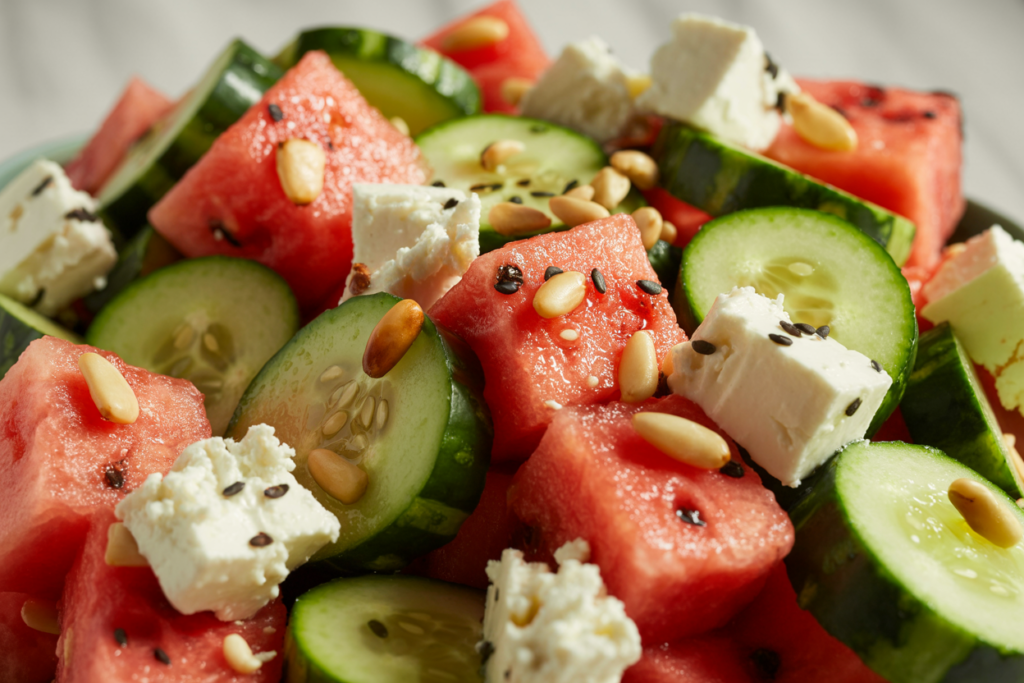
1. Watermelon, cucumber, and mint salad with feta
5 minutes. No heat. The most hydrating meal on this list.
Watermelon is 92 percent water and rich in lycopene, a powerful antioxidant with anti-inflammatory effects. Cucumber provides hydrating flavonoids and has a high water content that makes this the most cooling meal available in summer. The feta adds protein and a savory note that turns what could be a fruit plate into a genuinely satisfying meal.
Ingredients (2 servings):
- 3 cups watermelon, cubed
- 1 medium cucumber, sliced into half-moons
- ¼ cup crumbled feta (omit or substitute dairy-free feta if needed)
- Small handful of fresh mint leaves, torn
- Juice of half a lime
- 1 tablespoon extra-virgin olive oil
- Pinch of flaky sea salt
- Optional: a few arugula leaves underneath, a drizzle of raw honey
Method: Combine watermelon and cucumber in a wide bowl. Add feta, mint, lime juice, and olive oil. Toss gently and season with salt. Serve immediately or refrigerate for up to 30 minutes — the cold temperature intensifies the cooling effect.
Why it works: Watermelon’s lycopene and cucumber’s quercetin reduce oxidative stress as antioxidant compounds. Olive oil adds oleocanthal. This is the anti-inflammatory summer meal that requires the absolute least from you.
2. Cold sesame noodle bowl with edamame
10 minutes. The only heat is boiling water for noodles.
Cold noodle bowls are the perfect summer meal — satisfying and substantial without the heaviness of hot food, endlessly adaptable to what you have, and completely manageable on a medium-bad day. This version uses the sesame-ginger dressing as both the flavor base and the anti-inflammatory delivery vehicle — sesame provides lignans with antioxidant properties, ginger adds gingerols, and the edamame provides plant protein, fiber, and isoflavones with documented anti-inflammatory effects.
Ingredients (2 servings):
- 200g soba noodles or rice noodles
- 1 cup shelled edamame (frozen, thawed)
- 1 cucumber, julienned or thinly sliced
- 1 large carrot, grated or julienned
- 2 tablespoons sesame seeds
- 2 spring onions, thinly sliced
Dressing:
- 3 tablespoons tahini or sesame paste
- 2 tablespoons low-sodium soy sauce or tamari
- 1 tablespoon rice vinegar
- 1 teaspoon fresh grated ginger
- 1 teaspoon sesame oil
- 1–2 teaspoons honey
- 2–3 tablespoons warm water to thin
Method: Cook noodles according to package directions. Drain and rinse immediately under cold water until completely cool. Whisk dressing ingredients together. Toss cold noodles with dressing, edamame, cucumber, and carrot. Top with sesame seeds and spring onions. Refrigerate until ready to eat — this keeps well for up to 2 days.
Why it works: Ginger’s gingerols are among the most consistent anti-inflammatory compounds in food research. Sesame lignans have documented antioxidant activity. Edamame provides fiber and plant protein that supports gut bacteria diversity, directly connected to systemic inflammation management.
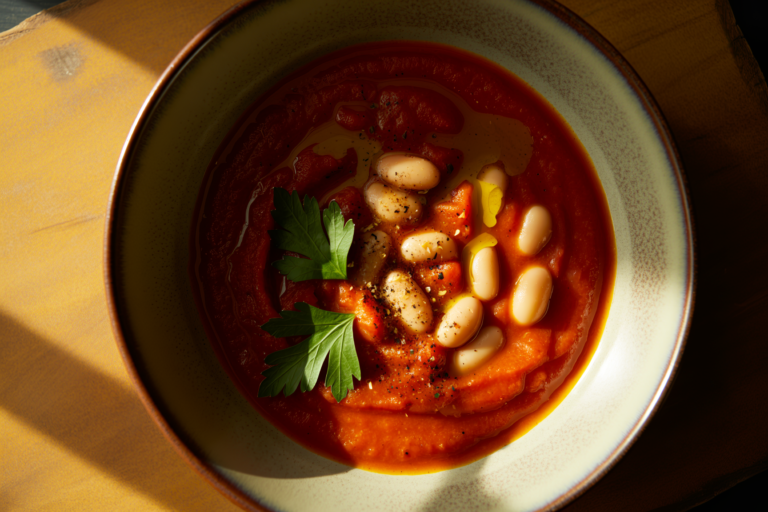
3. Overnight refrigerator gazpacho
10 minutes active, then refrigerate. Zero heat. Deeply cooling.
Gazpacho is the summer recipe that feels more difficult than it is. It is, essentially, blended vegetables served cold — and it can be made in a blender in ten minutes the night before and refrigerated overnight, which means zero effort on the day you eat it. This version uses the most anti-inflammatory summer vegetables available: tomatoes, cucumber, bell pepper, and garlic, all in a base of excellent olive oil.
Ingredients (4 servings):
- 4 large ripe tomatoes (or 1 can whole peeled tomatoes in a pinch), roughly chopped
- 1 medium cucumber, roughly chopped
- 1 red bell pepper, seeded and roughly chopped
- 2 garlic cloves
- 3 tablespoons extra-virgin olive oil
- 2 tablespoons red wine vinegar
- Salt and black pepper to taste
- ½ cup cold water
- Optional toppings: diced cucumber, a drizzle of olive oil, fresh basil, a few croutons
Method: Add all ingredients to a blender and blend until smooth. Taste and adjust seasoning — it should be bright, acidic, and garlicky. Refrigerate for at least 2 hours or overnight. Serve in bowls with optional toppings. It keeps in the refrigerator for 3 days.
Why it works: Tomatoes’ lycopene increases in bioavailability when blended and combined with fat — making gazpacho more effective than raw tomato slices. Red bell pepper adds vitamin C and quercetin at summer peak. Garlic provides allicin with direct anti-inflammatory activity. This is essentially a cold liquid anti-inflammatory meal that tastes excellent.
This post contains affiliate links. I may earn a small commission at no extra cost to you — I only share things I genuinely believe in.
Tools that make no-cook summer meals easier

A blender capable of completely pureeing raw vegetables is the primary tool for gazpacho, cold soups, and dressings. Look for at least 700 watts and a wide base — narrower blenders struggle with chunky vegetables and require more stopping-to-scrape. A blender you can rely on for summer no-cook cooking earns its place in the kitchen for years.

Make-ahead summer meals live in the refrigerator until you need them, and glass containers keep them fresher than plastic and are safe for acidic foods like gazpacho and marinated salads. A set of four gives you enough to batch-prep several days of lunches at once — on a good day, so the hard days are already handled.
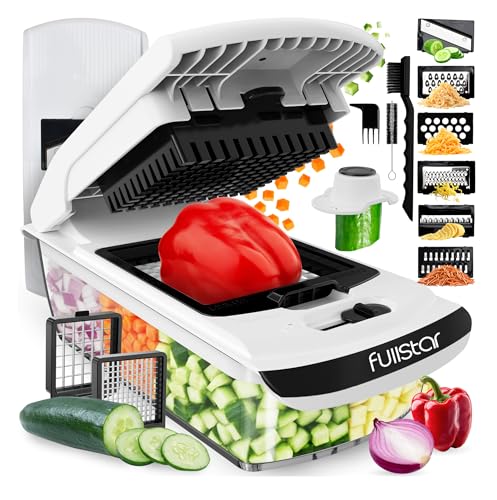
Thin, even slices of cucumber, zucchini, and summer vegetables for salads and bowls without the fine motor demand of careful knife work. Look for a safety guard as a non-negotiable — a mandoline without one is a kitchen hazard, especially on days when hand steadiness is variable. Adjustable thickness settings make it versatile across different recipe needs.

The base fat for most recipes in this post and across anti-inflammatory eating generally. Cold-pressed EVOO in a dark bottle retains the oleocanthal that gives it its anti-inflammatory properties. Buy a quality bottle and use it generously — drizzled over salads, mixed into dressings, as the finishing oil over gazpacho. The daily dose matters more than the occasional large quantity.
Minimal-heat recipes
4. Salmon with fresh peach and tomato salsa
15 minutes. The most active cooking on this list — worth it.
This is the summer recipe for the evenings when you have a little more capacity and want something that feels genuinely celebratory. Salmon is the single most anti-inflammatory protein available — the omega-3 fatty acids EPA and DHA directly inhibit pro-inflammatory pathways in a way that no plant food fully replicates. Paired with a fresh peach and tomato salsa that requires zero cooking, this is a restaurant-quality summer dinner that takes fifteen minutes.
Ingredients (2 servings):
- 2 salmon fillets (fresh or thawed from frozen)
- 1 tablespoon olive oil
- Salt, pepper, and dried oregano
Fresh salsa:
- 1 ripe peach, diced small
- 1 medium tomato, diced small
- ¼ red onion, very finely diced
- Small handful of fresh cilantro or basil, chopped
- Juice of half a lime
- 1 tablespoon olive oil
- Salt to taste
Method: Combine all salsa ingredients and set aside — it improves as it sits, so make it first. Heat a pan over medium-high heat. Season salmon with olive oil, salt, pepper, and oregano. Cook 3–4 minutes per side until just cooked through. Spoon salsa generously over salmon and serve immediately with a simple green salad or rice.
Why it works: Salmon’s EPA and DHA are among the most potent anti-inflammatory compounds available in food, reducing CRP and IL-6 markers directly. Peaches provide chlorogenic acid and quercetin. Tomatoes add lycopene. The ten minutes at the stove is the most this meal asks of you, and the return — in flavor, in nourishment, in the particular satisfaction of a meal that feels special — is disproportionate to that effort.
5. Cold lentil and roasted cherry tomato salad
20 minutes, mostly hands-off. Batch-cooks beautifully.
Lentils cook faster than any other legume, require no soaking, and cold lentil salad is one of the best summer make-ahead meals available — it improves in the refrigerator overnight and keeps for four days. This version uses quick-roasted cherry tomatoes (ten minutes in a hot oven) which concentrates their lycopene and sweetness into something much more interesting than raw tomato.
Ingredients (3–4 servings):
- 1 cup green or French lentils, rinsed
- 2 cups cherry tomatoes
- 2 tablespoons olive oil, divided
- 1 cucumber, diced
- Large handful of fresh parsley or mint
- 2 tablespoons red wine vinegar
- 1 garlic clove, minced or grated
- Salt and pepper
- Optional: crumbled feta, a handful of arugula, pine nuts
Method: Cook lentils in salted water for 20 minutes until tender. Drain and cool. Toss cherry tomatoes with 1 tablespoon olive oil and roast at 200°C/400°F for 10 minutes until just burst. Cool completely. Whisk remaining olive oil with vinegar, garlic, salt, and pepper. Combine cooled lentils, tomatoes, cucumber, and herbs with dressing. Refrigerate at least an hour before serving.
Why it works: Lentils are among the highest-fiber foods available and directly lower CRP through their effect on gut bacteria and insulin response. Roasting concentrates tomatoes’ lycopene — which absorbs better with the olive oil fat present. This is the batch recipe that makes the hardest days of the following week easier just by existing in the refrigerator.
6. Chilled cucumber and avocado soup
5 minutes. No heat. Cool and deeply nourishing.
A blended cold soup that takes five minutes and tastes like something you’d find at a spa restaurant. Cucumber and avocado together are cooling, deeply hydrating, and provide the monounsaturated fats that reduce inflammation at a cellular level. This works as a light lunch on its own or as a starter before the lentil salad on a day when you have more appetite than usual.
Ingredients (2 servings):
- 1 large cucumber, roughly chopped
- 1 ripe avocado
- 1 cup plain Greek yogurt or coconut yogurt
- Juice of 1 lemon
- 1 garlic clove
- Small handful of fresh mint or dill
- ½ cup cold water
- Salt and pepper
- Ice cubes if serving immediately
Method: Blend all ingredients until completely smooth. Taste and adjust salt and lemon. Serve immediately over ice, or refrigerate for up to 24 hours. Garnish with thin cucumber slices, a drizzle of olive oil, and fresh herbs.
Why it works: Avocado provides monounsaturated fats and vitamin E that reduce inflammation and protect the skin barrier. Cucumber’s high water content and flavonoids make this one of the most hydrating meals available. Greek yogurt adds probiotics that support gut health — directly connected to systemic inflammation management.
Summer kitchen staples worth keeping stocked

For the days when cooking a fresh salmon fillet isn’t realistic, canned wild salmon provides the same omega-3 profile in a format that requires zero cooking. Flake into salads, mix with avocado for a quick bowl, or eat with seed crackers as a complete protein-and-fat snack. Keep a multi-pack in the pantry as the backup for hard days.

French and green lentils hold their shape better than red lentils when cooked and cooled, making them ideal for cold salads. A large bag costs very little, stores indefinitely, and provides weeks of the highest-fiber, CRP-lowering meal base available. Cook a batch on a good day; eat from it for the rest of the week.

The base for the sesame noodle dressing, a salad dressing, a dip, or a simple sauce over roasted vegetables. Tahini is high in calcium, magnesium, and the lignans that give sesame its antioxidant properties. A large jar used across multiple summer recipes is significantly more economical than small specialty jars.
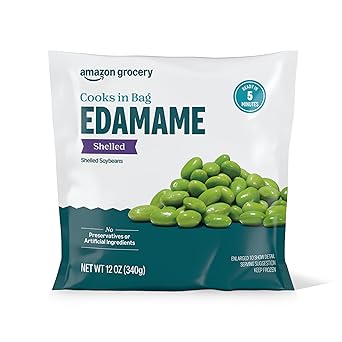
Thawed from frozen in minutes, edamame is one of the fastest plant proteins available and one of the most versatile summer additions — into noodle bowls, on top of salads, eaten directly as a snack. The isoflavones in soy have documented anti-inflammatory effects. Keep a large bag in the freezer as a permanent pantry item.
Hydrating drinks and cooling snacks
7. Cucumber mint spa water
5 minutes to assemble, then refrigerate. Hydration made beautiful.
Cucumber provides hydrating flavonoids and a cooling effect that plain water doesn’t. Mint adds gentle digestive support and a freshness that makes drinking enough water in summer significantly more appealing. This is infused water, essentially — which sounds simple until you realize how differently your body responds to something you actually want to drink versus water you force yourself to finish.
Ingredients (1 pitcher, 4 servings):
- 1 medium cucumber, thinly sliced
- Large handful of fresh mint leaves
- Juice of 1 lemon
- 4 cups cold water
- Ice
- Optional: a few slices of fresh ginger for additional anti-inflammatory support
Method: Combine all ingredients in a pitcher. Refrigerate for at least an hour before drinking — the flavors intensify and the cucumber becomes more hydrating as it infuses. Refill with water once the pitcher is half gone and the same cucumber and mint will keep providing flavor for another pitcher.
8. Golden turmeric lemonade
5 minutes. The most beautiful summer drink on this list.
Turmeric lemonade delivers genuine anti-inflammatory curcumin in the most appealing summer format — cold, bright, citrusy, vivid golden yellow. One of the most photographed summer beverages on Pinterest every year. The black pepper and optional coconut milk fat meaningfully improve curcumin absorption.
Ingredients (2 servings):
- 2 cups cold water
- Juice of 2 lemons
- 1 teaspoon ground turmeric (or 1 tablespoon fresh grated)
- ½ teaspoon fresh grated ginger
- Tiny pinch of black pepper
- 1–2 teaspoons raw honey or maple syrup
- Ice
- Optional: 2 tablespoons full-fat coconut milk for improved curcumin absorption and a creamy finish
Method: Whisk or shake all ingredients together until the turmeric is fully incorporated. Pour over ice. Garnish with a lemon slice. Drink immediately or refrigerate for up to 24 hours — shake before drinking as the turmeric settles.
9. Berry chia seed pudding parfait
5 minutes the night before. Zero effort the day of.
The overnight refrigerator approach makes this one of the most useful summer recipes for low-energy mornings — make it before bed, open the refrigerator in the morning, breakfast is waiting. Chia seeds expand overnight and create a creamy pudding base. Layered with berries and a drizzle of honey, this is both the most beautiful and the most nutritionally complete no-effort summer breakfast available.
Ingredients (2 servings):
- 4 tablespoons chia seeds
- 1½ cups milk of choice (oat, almond, or coconut)
- 1 teaspoon vanilla extract
- 1 teaspoon raw honey or maple syrup
- 1 cup mixed fresh or frozen berries
- Optional layers: a spoonful of almond or cashew butter, granola, coconut flakes
Method: Stir chia seeds, milk, vanilla, and sweetener together in a jar or container. Refrigerate overnight or for at least 4 hours. In the morning, layer with berries and any optional additions. Eat cold.
Why it works: Chia seeds are one of the highest plant-based sources of omega-3 fatty acids and soluble fiber that feeds beneficial gut bacteria. Berries at their summer peak provide the most anthocyanin content of any season. This is one of the most anti-inflammatory breakfasts available with the lowest barrier to preparation.
For beautiful, functional summer drinks
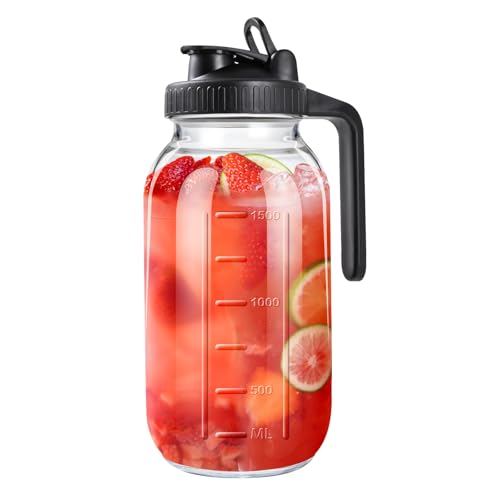
A large glass pitcher with a tight-fitting lid is the infrastructure for infused water, iced tea, and cold lemonade that sits in the refrigerator ready to drink throughout the day. Glass over plastic specifically — acidic drinks like lemonade and infused water absorb compounds from plastic containers over time. A 64-ounce pitcher holds enough for a full day without refilling repeatedly.

The pantry staple that shows up in smoothies, overnight oats, and chia pudding across every summer morning recipe. A large bag stores indefinitely, costs very little per serving, and delivers omega-3 fatty acids, soluble fiber, and calcium in every tablespoon. Add to anything without affecting flavor.

The most versatile vessel in a summer recipe kitchen. Overnight chia pudding, cold sesame noodle sauce, gazpacho portions, infused water servings — wide-mouth mason jars store, serve, and transport all of it without special containers. A set of six covers a week of meal prep without running out.
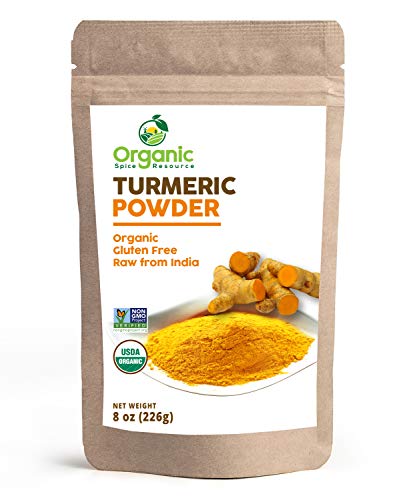
The anti-inflammatory spice that earns its place in summer recipes from lemonade to cold rice bowls to golden overnight oats. A large container used across multiple summer recipes is significantly more economical than small grocery-store jars. Always pair with a pinch of black pepper — it increases curcumin absorption by up to 2,000 percent.
The any-day summer bowl
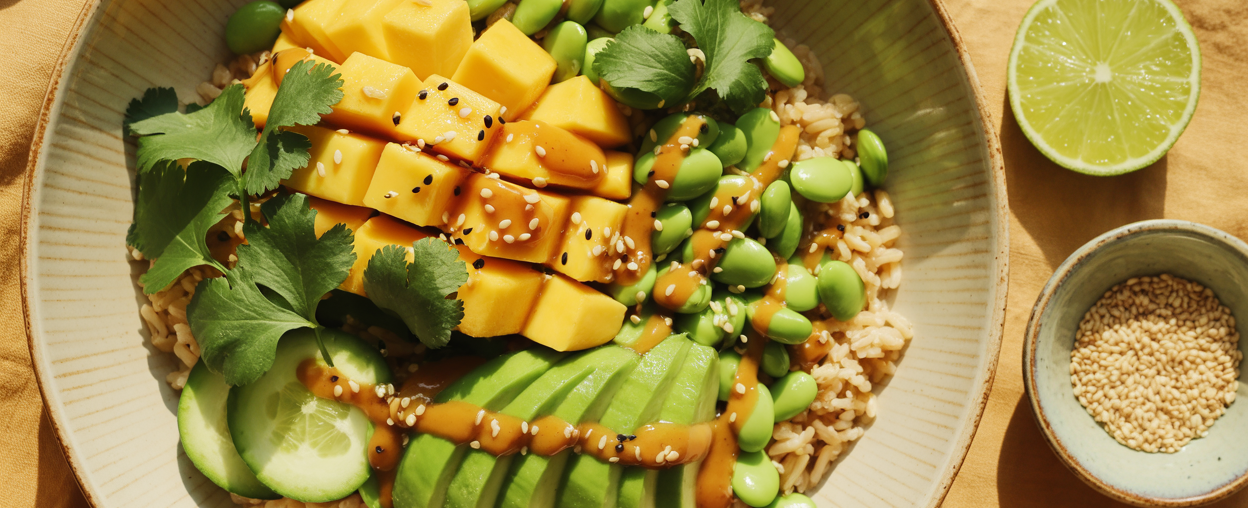
10. Mango, avocado, and edamame rice bowl with sesame ginger dressing
10 minutes if rice is pre-cooked. The summer bowl that works for every kind of day.
This is the summer bowl that appears in the regular rotation because it covers every requirement simultaneously: anti-inflammatory, hydrating, satisfying, beautiful, and assembles in ten minutes from ingredients that are either already cooked (batch rice from the refrigerator) or require no cooking at all. It works as lunch, as dinner, as the thing you eat when you have no idea what you want but you know you need something real.
Ingredients (2 servings):
- 1½ cups cooked brown rice or quinoa, cooled or at room temperature
- 1 ripe mango, cubed
- 1 ripe avocado, sliced
- 1 cup shelled edamame, thawed
- ½ cucumber, thinly sliced
- 1 tablespoon sesame seeds
- Fresh cilantro or basil to finish
Dressing:
- 2 tablespoons tamari or low-sodium soy sauce
- 1 tablespoon sesame oil
- 1 tablespoon rice vinegar
- 1 teaspoon fresh grated ginger
- 1 teaspoon honey
- Squeeze of lime juice
Method: Whisk the dressing together. Assemble bowls: rice as the base, then mango, avocado, edamame, and cucumber arranged on top. Drizzle dressing over everything. Finish with sesame seeds and fresh herbs. Eat immediately or refrigerate the components separately and assemble when ready.
Why it works: Mango provides bromelain and vitamin C at their peak summer potency. Avocado contributes monounsaturated fats and vitamin E for cellular inflammation reduction. Edamame delivers plant protein and isoflavones. The sesame-ginger dressing adds gingerols and lignans. This bowl hits more anti-inflammatory food categories than almost anything else on this list — and it takes ten minutes to put together if the rice is already cooked.
Nourishing yourself through summer is one form of self-advocacy. Knowing how to communicate your needs in the medical spaces that shape your health is another. If you’re working on that piece, Say This: 30 Scripts for Chronic Pain Communication gives you the language for 30 real situations — so you can show up for yourself in every room this summer, not just the kitchen. Get your copy of SAY THIS here
For a well-stocked summer anti-inflammatory kitchen

Pre-cooked microwaveable brown rice takes 90 seconds and removes the one step that makes grain bowls impractical on hard days. Keep a stock of these alongside a batch-cooked option — the pouches are the insurance policy for flare days when even the bowl of pre-cooked refrigerator rice requires more effort than you have.

Pre-portion summer recipe components on good days — batch-cooked lentils, chopped mango, washed berries, blanched edamame — into reusable silicone bags in the freezer and refrigerator. The assembly work on hard days drops to opening containers and combining them. This is the infrastructure that makes healthy summer eating sustainable rather than aspirational.

Keep the cucumber mint water or golden turmeric lemonade cold through the hottest part of the day. A 32-ounce insulated tumbler with a straw means drinking enough through summer without the friction of refilling a small glass constantly — and the cold temperature is maintained for hours without ice diluting the flavor.

The natural sweetener used across multiple recipes in this post — in dressings, in lemonade, over chia pudding. Raw honey retains antioxidant properties that processed honey doesn’t and provides natural sweetness in small amounts without the inflammatory response of refined sugar. A small jar used as a finishing touch across summer cooking lasts for weeks.
Let summer feed you well
Summer gives you the best ingredients of the year. The most hydrating produce, the most antioxidant-dense berries, the tomatoes that are worth eating again, the herbs that are growing faster than you can use them. The season itself is working with you — you just need recipes that work with the season and with the reality of what your body can manage on the hard days.
Make the gazpacho tonight for tomorrow’s lunch. Pre-portion the chia pudding before bed. Batch the lentil salad on the next medium-energy day and eat from it for the rest of the week. Keep the cucumber and mint in the refrigerator always.
Nourishment this summer doesn’t have to be a production. It just has to be real, and cool, and genuinely yours.
This post is for informational purposes only and is not intended as medical advice. Please consult your healthcare provider before making significant dietary changes.