Anti-Inflammatory Eating for Beginners: What It Actually Means and Where to Start
The content on this site was created with the help of AI. LOVEOWE LLC participates in the Amazon Services LLC Associates Program and other affiliate programs. As an Amazon Associate, I earn from qualifying purchases. This means I may earn a small commission—at no extra cost to you—when you make a purchase through links on this site. All opinions are my own. Learn more click here. Thank you for your support!
The first time someone told me to eat anti-inflammatory, I nodded like I understood. I went home, opened my refrigerator, and stood there for a long time with no real idea what I was supposed to be looking at differently.
Anti-inflammatory eating gets thrown around a lot in chronic illness spaces — and in wellness spaces, and in diet culture, and by well-meaning people who’ve read one article and want to help. The term sounds specific and scientific, which makes it easy to assume there’s a precise plan somewhere that you just haven’t found yet. A list. A protocol. Something to follow correctly.
Here’s what I’ve learned, and what the research actually says: there isn’t one. What there is, is a way of eating — a pattern, not a prescription — that consistently shows up in the evidence as reducing markers of systemic inflammation over time. And that pattern is a lot more accessible, a lot less restrictive, and a lot more forgiving than the word “diet” tends to imply.
This post is the explanation I wish I’d had at the beginning. What inflammation actually is in the context of chronic illness. What anti-inflammatory eating means in practice. The foods that consistently show up in the research. The foods that tend to work against you. And — most importantly — how to start without overhauling your entire kitchen or adding another exhausting thing to an already full plate.
You don’t need to be perfect at this. You just need to start somewhere. Let’s figure out where that is.
First: what inflammation actually is, and why food matters
Inflammation is not inherently a bad thing. Acute inflammation — the redness and swelling after you cut your finger or the heat in your throat during a cold — is your immune system doing exactly what it’s supposed to do. It’s a protective, healing response, and it resolves on its own once the threat is gone.
The kind that causes problems is different. Chronic, systemic inflammation is a persistent, low-grade activation of the immune system that doesn’t resolve — sometimes for months, sometimes for years. It can result from exposure to environmental toxins, a lingering virus, aging, or chronic stress. And it is a significant factor in an enormous range of conditions — many major diseases including cancer, heart disease, diabetes, arthritis, depression, and Alzheimer’s have been linked to chronic inflammation.
For people with chronic illness, this isn’t abstract. Many conditions — including rheumatoid arthritis, lupus, fibromyalgia, inflammatory bowel disease, endometriosis, and others — involve chronic systemic inflammation either as a primary mechanism or as a contributing factor. It shows up in bloodwork as elevated C-reactive protein (CRP) and other inflammatory markers. It shows up in the body as pain, fatigue, brain fog, and the particular kind of exhaustion that sleep doesn’t fully resolve.
What food has to do with it: the choices you make at the grocery store can affect the inflammation in your body. The evidence is strongest for arthritis, gastrointestinal and heart health, and possibly autoimmune diseases. The mechanism works both ways — ultra-processed foods can change gut bacteria, damage the gut lining, and switch on inflammatory genes, while foods rich in omega-3 fatty acids, antioxidants, and polyphenols reduce the expression of pro-inflammatory genes and decrease circulating inflammatory markers.
The key thing to hold onto: it’s the sum of what you eat every day. No single food makes your diet anti-inflammatory. No single meal undoes your progress. It’s a consistent pattern over time — which is actually more encouraging than it sounds.
Anti-inflammatory eating is not a diet you start on Monday and fail by Friday. It’s a pattern you build toward, one small decision at a time.
The foods that consistently show up in the research
Across Johns Hopkins, Harvard, Mayo Clinic, the NIH, and the Arthritis Foundation — the sources I trust most for this kind of evidence — the same foods appear repeatedly as having meaningful anti-inflammatory properties. Here’s what they are and why they matter.
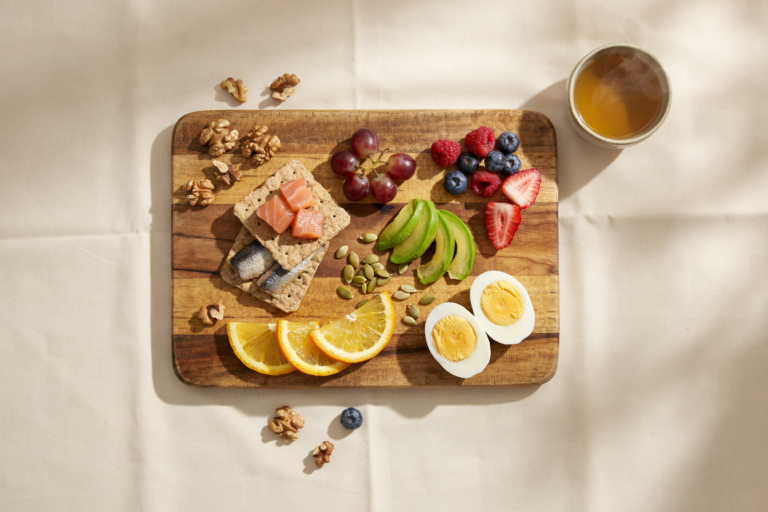
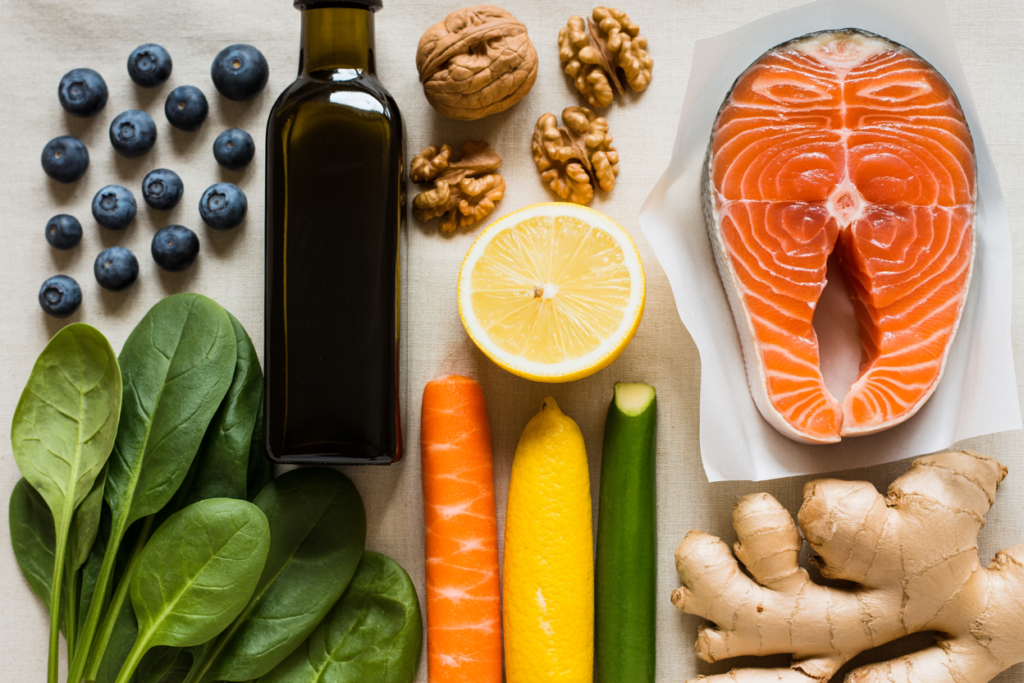
Fatty fish. Certain types of fish are rich in inflammation-fighting omega-3 fatty acids, which reduce C-reactive protein and interleukin-6, two inflammatory proteins in your body. The best sources are salmon, tuna, sardines, anchovies, and other cold-water fish — ideally at least 3 to 4 ounces, twice a week. If fish isn’t accessible or appealing, plant-based omega-3 sources include walnuts, flaxseeds, chia seeds, and hemp seeds — though the conversion rate to the active form is lower than from fish directly.
Berries and colorful fruits. Fruits such as blueberries and apples that are high in natural antioxidants and polyphenols — protective compounds found in plants — are among the most well-studied anti-inflammatory foods. Blueberries in particular are one of the most researched options, high in anthocyanins that reduce oxidative stress. The broader principle: eating a rainbow of fruits and vegetables provides the anti-inflammatory nutrients your body needs. Color is a reliable proxy for antioxidant content.
Leafy greens and vegetables. Fruits and vegetables are packed with antioxidants, which support the immune system and may help fight inflammation — with colorful foods such as blueberries, blackberries, cherries, strawberries, spinach, kale, and broccoli among the best sources. Dark leafy greens — spinach, kale, Swiss chard, arugula — are especially worth eating regularly, as they provide both antioxidants and magnesium, which many people with chronic pain conditions are deficient in.
Extra-virgin olive oil. The Mediterranean diet, which may be the most beneficial for getting inflammation under control, emphasizes omega-3s, vitamin C, polyphenols, fiber-rich foods and other known inflammation fighters — and olive oil is central to it. The oleocanthal compound in extra-virgin olive oil inhibits the same inflammatory enzymes as ibuprofen. Use it as your primary cooking fat and for dressings where possible.
Nuts. Studies have associated nuts with reduced markers of inflammation and a lower risk of cardiovascular disease and diabetes. Walnuts are particularly valuable for their omega-3 content. Almonds provide vitamin E, which has antioxidant properties. A small handful daily — unsalted, unprocessed — is a consistent recommendation across sources.
Whole grains and legumes. Fiber found in fruits, vegetables, and especially legumes and whole grains such as barley, oats, and bran is among the food components that help fight inflammation. Fiber also feeds beneficial gut bacteria, which has downstream effects on systemic inflammation. Oats, quinoa, brown rice, lentils, chickpeas, and black beans are the most accessible options and among the most studied.
Fermented foods. A healthy population of beneficial bacteria in the intestines can help keep inflammation at bay. Yogurt with live cultures, kefir, sauerkraut, kimchi, and miso are the most widely available options. If your system is sensitive, introduce these slowly.
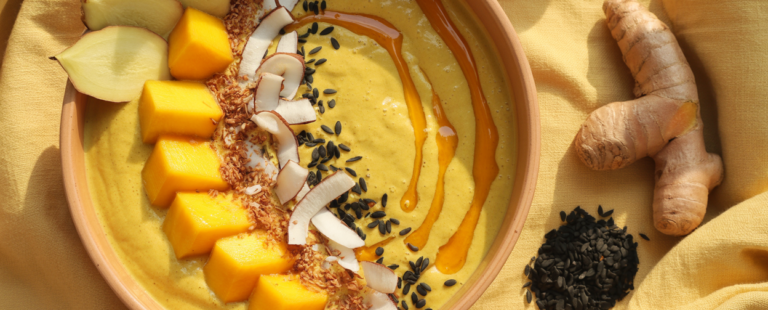
Herbs and spices. Turmeric, ginger, garlic, and cinnamon all have documented anti-inflammatory properties. Turmeric absorbs better with black pepper and a fat — worth knowing when using it. A genuine bonus at almost no cost when you’re already cooking.
Green tea and coffee. Both are rich in polyphenols with anti-inflammatory properties. Neither replaces water, but both count as functional additions to the pattern.
This post contains affiliate links. I may earn a small commission at no extra cost to you — I only ever share things I genuinely believe in.
Pantry staples worth keeping stocked for anti-inflammatory eating

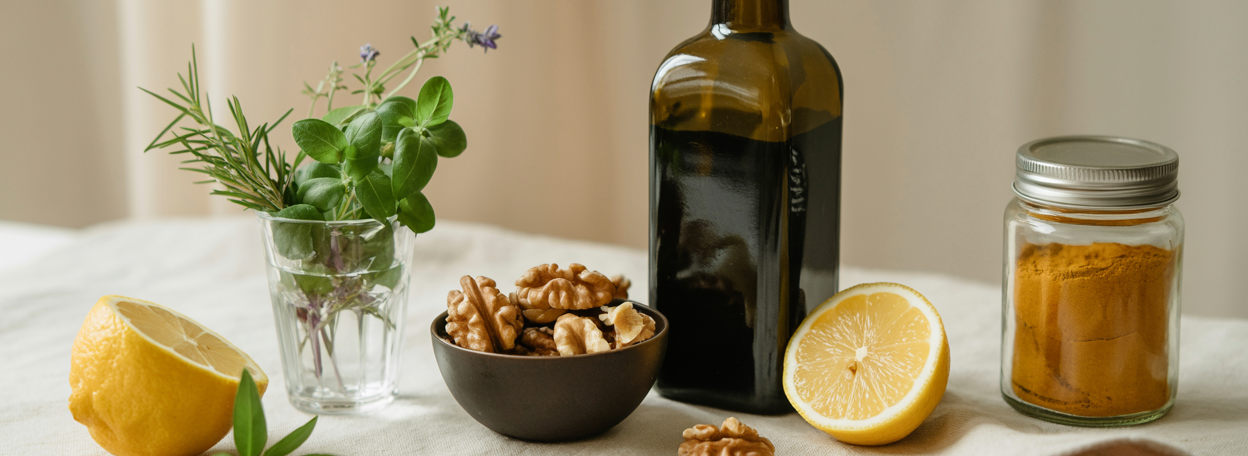
Your most-used anti-inflammatory ingredient. Look for cold-pressed, first-press EVOO in a dark bottle — light degrades the beneficial compounds. Use it for low-to-medium heat cooking, finishing dishes, and dressings. A good bottle used daily is one of the most impactful single-ingredient changes you can make.
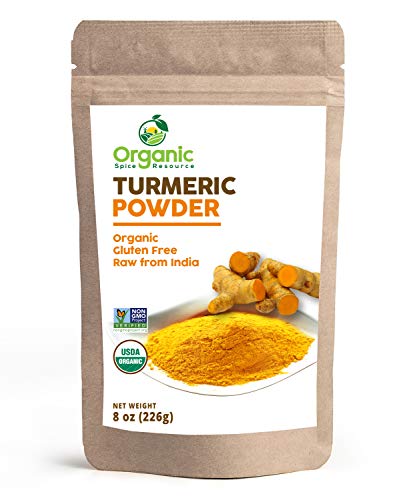
Keep this in the pantry and use it freely — in soups, grain bowls, scrambled eggs, smoothies, or golden milk. Always pair with a pinch of black pepper and a fat source for meaningful absorption of curcumin. A small amount regularly is more useful than a large amount occasionally.

A bag of mixed unsalted nuts and seeds is one of the most useful anti-inflammatory pantry items — grab a small handful as a snack, add to oatmeal or salads, or keep a portion on your healing board. Walnuts specifically for omega-3s, pumpkin seeds for magnesium, almonds for vitamin E.
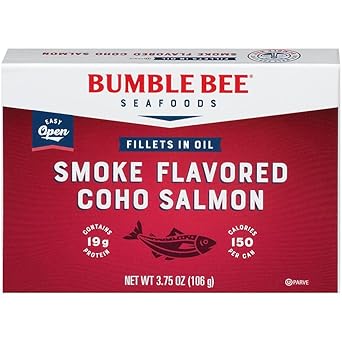
The most accessible and affordable way to get omega-3 fatty acids without cooking a fresh piece of fish. Wild-caught canned salmon and sardines pack the same anti-inflammatory omega-3 profile as fresh — stir into a grain bowl, mix with olive oil and herbs for a quick meal, or eat with seed crackers on a low-energy day.
The foods that tend to work against you
The anti-inflammatory approach is, as Harvard’s nutrition department puts it, as much about what you don’t eat as what you do. This is not about restriction for restriction’s sake — it’s about understanding which foods consistently show up in the research as triggering or amplifying the inflammatory response, so you can make informed choices about how often they appear in your diet.
Ultra-processed foods. This is the category that comes up most consistently across every source. Ultra-processed foods include just about anything that comes in a package — microwaveable dinners, hot dogs, chicken nuggets, dehydrated soups, baked goods, sugary cereals, processed meats, biscuits, and sauces. These foods have little nutritional value. The issue isn’t simply the ingredients — it’s the additives, emulsifiers, and the way processing strips out the fiber and nutrients that support gut health and reduce inflammation.
Refined sugars and refined carbohydrates. White flour leads directly to a pro-inflammatory state — and this includes white bread, white pasta, pastries, and most commercially produced baked goods. Added sugar is similarly problematic, particularly in large amounts. It can be hard to identify sugar on ingredient labels, since sugar assumes many aliases — there are over 50 names for added sugar in commercial foods, including cane crystals, crystallized cane juice, syrups, and many ingredient names that end in “ose.” Reading labels matters more than it sounds.
Processed and cured meats. Bacon, deli meats, hot dogs, sausages, and similar products are consistently identified as pro-inflammatory across sources — partly due to the nitrates, preservatives, and saturated fat they contain, and partly due to the processing methods themselves. This doesn’t mean never, but it does mean being intentional about frequency.
Refined vegetable oils high in omega-6. The modern Western diet is heavily skewed toward omega-6 through widespread use of refined corn, sunflower, and soybean oils. Swapping these for olive oil where possible — particularly for dressings and lower-heat cooking — is one of the most straightforward shifts available.
A note for chronic illness specifically: some people find foods outside these general categories — nightshades, gluten, dairy, high-histamine foods — affect their individual inflammation. The population-level evidence is mixed on many of these, but individual food sensitivities are real. Your own body’s response over time is valid data worth tracking.
Tools that make anti-inflammatory eating easier day to day

Prepping anti-inflammatory grains, roasted vegetables, and proteins in batches at the start of the week makes the daily eating pattern genuinely sustainable — especially on low-energy days when cooking from scratch isn’t realistic. Glass containers over plastic for food that sits and reheats.

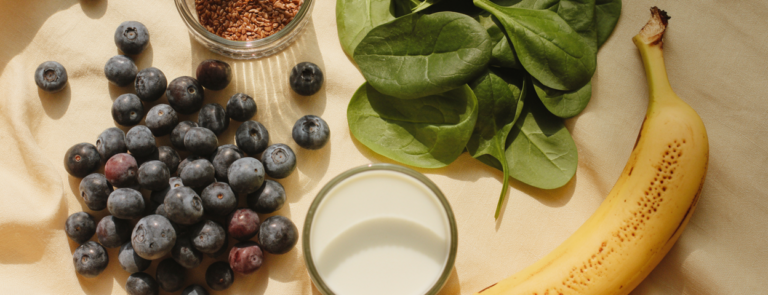
A good blender makes anti-inflammatory smoothies — berries, leafy greens, flaxseed, ginger — a genuinely fast option for mornings or flare days when a full meal feels like too much. Frozen berries and pre-washed spinach straight from the freezer mean almost no prep required.

Frozen wild blueberries — smaller and more antioxidant-dense than cultivated varieties — are one of the most research-backed anti-inflammatory foods available and one of the most accessible at this price point. Keep a bag in the freezer at all times. They go into everything: smoothies, oatmeal, yogurt, a small bowl on its own.

Two of the easiest daily additions to an anti-inflammatory eating pattern — both high in plant-based omega-3s, fiber, and magnesium. Stir into oatmeal, blend into smoothies, mix into yogurt. One to two tablespoons daily is a meaningful addition that requires almost no thought once it becomes habit.
The Mediterranean diet: the pattern most supported by research
If you want a framework — a general structure rather than a rigid plan — the Mediterranean diet is the most extensively researched anti-inflammatory eating pattern available. It has been shown to be protective against cardiovascular disease, type 2 diabetes, Parkinson’s and Alzheimer’s disease, and some cancers.
In practice: plenty of fruits, vegetables, whole grains, and legumes; nuts, seeds, and olive oil as primary fat sources; moderate fish, eggs, and fermented dairy; small amounts of red meat and sweets. It is not a low-fat diet or a calorie-counting system. It is an abundant, genuinely pleasurable way of eating that happens to be deeply aligned with what the research says about inflammation.
You don’t have to adopt it wholesale. Using it as a general orientation — more olive oil, more fish, more vegetables, more legumes, less processed food — is more useful than trying to follow it perfectly.
How to actually start — without overhauling everything at once
This is the part that most anti-inflammatory eating guides skip: the practical reality of making changes when you’re already managing a chronic illness, already fatigued, already navigating a medical system that takes more from you than it gives.
The research itself supports a gradual approach. Don’t try to suddenly switch to a new eating style. Sudden, dramatic dietary changes are hard to maintain under any circumstances and significantly harder when your energy is limited and your relationship with food may already be complicated by symptoms, medications, and the logistics of being chronically ill.
Here are the shifts that tend to be most impactful for the least disruption — and the ones worth starting with.
The substitution approach. One strategy is substitution: finding alternatives to foods that cause inflammation. Swap refined cooking oils for olive oil. Swap white rice for brown rice or quinoa when the energy is there. Swap a packaged snack for a handful of nuts and some fruit. These are not dramatic changes. They don’t require new recipes or a full grocery store overhaul. They are simply different choices within the same general eating pattern you already have.
Add before you subtract. Rather than focusing on removing inflammatory foods, focus first on adding anti-inflammatory ones. More berries. More leafy greens. More fish. More legumes. As these foods take up more space on your plate and in your day, the less beneficial choices naturally reduce without requiring active restriction — which is both easier to maintain and less psychologically taxing.
Build a reliable low-effort base. On good days, you can cook. On hard days, you need options that require almost nothing from you and still support your body. Building a strong pantry is essential: oats, quinoa, canned chickpeas and lentils, nuts, seeds, and extra-virgin olive oil make fast meals possible. Frozen vegetables and frozen wild blueberries are as nutritionally valuable as fresh and require zero prep. Canned salmon and sardines are a complete protein and omega-3 source that live in the pantry indefinitely. A well-stocked pantry is the difference between a flare day that nourishes you and one that doesn’t.
Batch when capacity allows. On a good or medium day, cook once and eat twice. Roast a large tray of vegetables. Make a pot of lentil soup. These keep for several days and mean that when you can’t cook at all, something nourishing is still available. Consistent patterns across the week matter more than any single meal.
Be honest about what your body is telling you. Anti-inflammatory guidelines are based on population-level research — what tends to be true for most people most of the time. Your body may respond differently to specific foods. Tracking symptoms alongside eating patterns over several weeks reveals information that’s impossible to identify in the moment. Personal body literacy is its own form of self-advocacy.
For building your anti-inflammatory kitchen

A large, heavy-gauge sheet pan is the single most-used tool for batch cooking anti-inflammatory vegetables. Roast a full pan of broccoli, sweet potato, cauliflower, and red onion with olive oil and turmeric — it takes 25 minutes active time and feeds you for three days. Invest in a quality pan that doesn’t warp at high heat.

Legumes — lentils, chickpeas, black beans — are among the most powerful and most affordable anti-inflammatory foods available, and the reason most people don’t eat them regularly is the time required to cook them. A pressure cooker reduces dried lentil cooking time to twelve minutes and dried chickpeas to forty, making them genuinely accessible on medium-energy days.
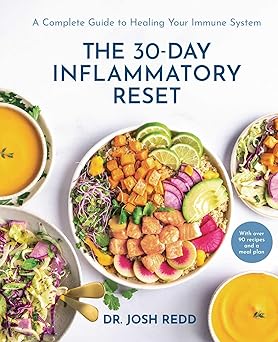
A well-researched anti-inflammatory cookbook takes the thinking out of meal planning — you open it, find something that matches your energy level and what’s in the fridge, and have something nourishing on the table without having to do the nutritional reasoning yourself. Look for ones that include low-effort options alongside more elaborate recipes.

Washed, prepped produce stored in clear fridge containers is the practical infrastructure that makes anti-inflammatory eating work on low-energy days. If the berries are already washed, the greens already rinsed, the vegetables already cut — the barrier between intention and action drops to almost nothing. This is a small investment with an outsized return on flare days.
A word about supplements — and what food does that they can’t
Supplements come up frequently in chronic illness conversations around inflammation — omega-3 capsules, turmeric, magnesium, vitamin D. Some have genuine research support, and there’s a deeper conversation worth having about specific supplements for chronic illness.
For anti-inflammatory eating specifically: the bioactive components in a whole-food diet work synergistically — the interaction between fiber, polyphenols, omega-3s, and antioxidants eaten together in the same meal produces effects that isolated supplements don’t replicate. Food comes first. Supplements support; they don’t substitute.
This doesn’t mean supplements are useless. For people with deficiencies — which are common in chronic illness, particularly magnesium, vitamin D, and omega-3s — targeted supplementation alongside a food-first approach can be genuinely valuable. But the food comes first. The pattern comes first. Supplements are support, not substitution.
If you’re considering adding supplements specifically for inflammation, that conversation belongs with your doctor — particularly because some supplements interact with medications, and because knowing your actual levels (through bloodwork) is more useful than supplementing on assumptions. This is one of those areas where advocating for the right tests and the right information from your healthcare provider genuinely matters.
Speaking of advocating for the right information from your doctor — knowing what to ask for, and how to ask for it, is its own skill. If you’ve ever left a medical appointment without the answers you needed, Say This: 30 Scripts for Chronic Pain Communication was made for exactly that. It gives you the language for the conversations that matter most. Get your copy of SAY THIS here
For tracking, learning, and going deeper

Tracking what you eat alongside how you feel — pain levels, energy, digestive symptoms — over several weeks reveals patterns that are impossible to identify in the moment. This is the most practical tool for understanding your individual inflammatory response and building the personal body literacy that makes anti-inflammatory eating genuinely yours rather than a generic plan.
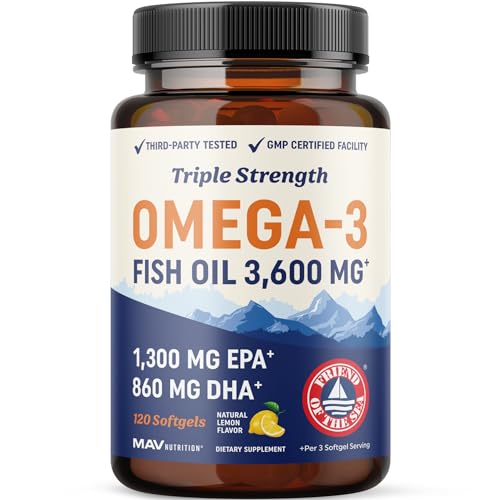
For days when fatty fish isn’t realistic — which for many people is most days — a high-quality fish oil supplement fills the gap. Look for one that specifies EPA and DHA content separately, is third-party tested for purity, and is stored in dark packaging. Discuss dosage with your doctor, especially if you take blood thinners.

Magnesium glycinate is one of the most well-tolerated forms of magnesium — gentler on digestion than magnesium oxide — and magnesium deficiency is common in people with chronic pain conditions. It plays a role in nerve and muscle function and in sleep quality. Worth discussing with your doctor if you experience muscle cramping, poor sleep, or fatigue alongside your other symptoms.

An easy, pleasant daily habit that adds meaningful anti-inflammatory compounds — ginger for its gingerol content, turmeric for curcumin, cinnamon for polyphenols — without requiring any cooking or preparation beyond boiling water. A good herbal tea set is one of the most sustainable anti-inflammatory additions you can make, because it’s something you’ll actually look forward to.
Start with what you have and where you are
Anti-inflammatory eating is not a punishment diet or a rigid protocol. It is not something you do perfectly or not at all. It is a direction — a consistent leaning toward more whole foods, more color, more omega-3s, more fiber, and less of the ultra-processed stuff that actively works against a body that’s already managing a lot.
You don’t need a perfect kitchen or an unlimited grocery budget or the energy to cook elaborate meals every day. You need frozen blueberries and a bag of walnuts. You need olive oil instead of whatever refined oil is currently in your pantry. You need one batch of lentil soup on a good day to carry you through a harder one. You need to know that every meal in the right direction counts, and no single meal in the wrong direction undoes anything.
Your body is already working hard. Feeding it in a way that works with it rather than against it is one of the most concrete, accessible things you can do — on any budget, at any energy level, starting from wherever you are right now.
That’s where to start. Here, with what you have, today.
Note: This post is for informational purposes only and is not intended as medical advice. If you have a chronic health condition, please consult with your healthcare provider before making significant dietary changes.