
The Vitamins and Supplements Worth Knowing About for Chronic Inflammation
The content on this site was created with the help of AI. LOVEOWE LLC participates in the Amazon Services LLC Associates Program and other affiliate programs. As an Amazon Associate, I earn from qualifying purchases. This means I may earn a small commission—at no extra cost to you—when you make a purchase through links on this site. All opinions are my own. Learn more click here. Thank you for your support!
I spent years taking a generic multivitamin and calling it done.
Not because I didn’t care about what was going into my body — I did, deeply — but because the supplement space is genuinely overwhelming. Walk into any pharmacy and there’s an entire aisle of bottles making promises that all sound equally compelling and equally vague. Anti-aging. Immune support. Joint health. Energy boost. Every label looks like it was designed to be chosen, and none of them make it easy to understand what the evidence actually says.
When I started researching what specifically supports a body managing chronic inflammation, I found something more useful than a list of miracle supplements. I found that a small number of specific vitamins and compounds have real, human-trial evidence behind them. And I found that many of the most hyped supplements have much weaker evidence than their marketing suggests — which is information worth having before you spend money on something that won’t do what you’re hoping it will.
This post is the honest version of the supplement conversation. The ones with the strongest evidence, what they actually do, what the research says about how to take them, and the important caveats that wellness content usually skips. Plus the ones that are worth knowing about even if the evidence is more preliminary. And the honest reminder that sits underneath all of it: supplements support a food-first approach. They don’t replace it.
Always talk to your doctor before starting any new supplement — especially if you take prescription medications, as interactions are real and matter.
First: how to think about supplement evidence
The supplement industry is not regulated the same way pharmaceuticals are. A supplement can be sold legally without proving it works — it only needs to be safe. This means the gap between what a label claims and what the clinical evidence actually shows can be significant, and navigating that gap requires knowing what kind of evidence matters.
When evaluating whether a supplement has genuine anti-inflammatory effects in humans, the most credible evidence comes from randomized controlled trials — studies where people are randomly assigned to take the supplement or a placebo — and especially from meta-analyses and systematic reviews that pool results across multiple such trials. Animal studies and cell culture studies are interesting preliminary evidence, but they frequently don’t translate into meaningful human effects.
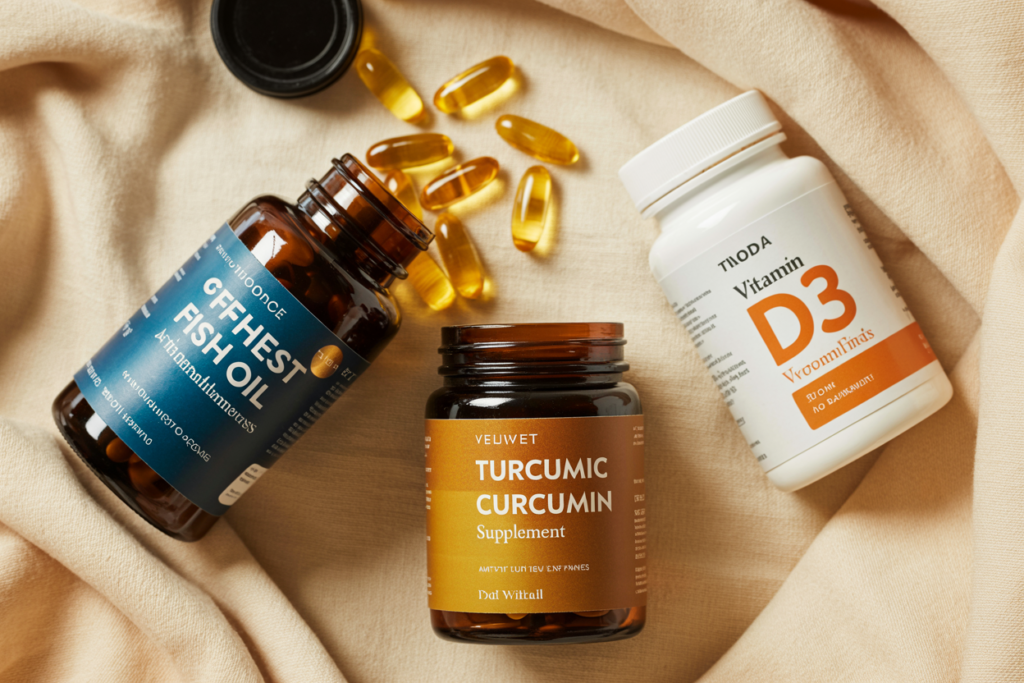
With that framing: just three compounds have good evidence of effectiveness in human trials for fighting chronic inflammation — omega-3 fatty acids, curcumin, and, in certain ailments, vitamin D. That’s the honest answer from a review of dozens of studies. A few others have solid supporting evidence. Many popular supplements have far less than their marketing implies. This post reflects that honestly, because your money, your time, and your body deserve accuracy.
A supplement with strong evidence and the right formulation is genuinely useful. One with weak evidence and a compelling label is just expensive. Knowing the difference matters.
The three with the strongest evidence
Omega-3 fatty acids (fish oil)
Omega-3 fatty acids are the most consistently supported anti-inflammatory supplement in the research, and the evidence is meaningfully strong. Multiple studies suggest that omega-3 supplements can reduce markers of chronic inflammation, especially among people with underlying health conditions. A large, carefully controlled trial called VITAL, which followed more than 25,000 adults for about five years, found that omega-3 supplements slightly reduced CRP in people who rarely ate fish.
The omega-3s that matter most for inflammation are EPA (eicosapentaenoic acid) and DHA (docosahexaenoic acid) — the forms found in fatty fish and fish oil supplements. These directly inhibit the production of pro-inflammatory cytokines and eicosanoids. Aiming for 1 gram per day of total EPA and DHA is a reasonable starting point — this equates to approximately 3 to 4 grams of fish oil. Some people experience GI upset with fish oil; starting at a lower dose and increasing over a week or two helps.
A few things worth knowing about fish oil quality: the EPA and DHA content listed on the label matters more than the total fish oil amount. A capsule might say “1000mg fish oil” but contain only 300mg of actual EPA and DHA — you’d need to read the supplement facts panel to know what you’re actually getting. Third-party testing for purity is important because fish oil can contain heavy metals and oxidize if stored poorly. Buy from reputable brands that specify EPA and DHA separately and store fish oil in the refrigerator after opening.
For those who don’t eat fish or prefer a plant-based option: algae-derived omega-3 supplements provide EPA and DHA directly and are the most effective plant-based alternative. Flaxseed oil provides ALA, a precursor omega-3, but the conversion rate to EPA and DHA in the body is low — typically only 5 to 10 percent.
Curcumin (from turmeric)
Curcumin is the active compound in turmeric and has genuine, well-documented anti-inflammatory properties. Curcumin seems to interfere with the nuclear factor κB pathway, “the apex of inflammatory cascades in the body.” The most convincing evidence for curcumin’s anti-inflammatory activity was among small clinical trials in people with preexisting conditions such as metabolic disorders and osteoarthritis.
The critical issue with curcumin supplements is bioavailability — plain curcumin is poorly absorbed by the body, which is why turmeric powder in food, while beneficial, delivers only a fraction of what a well-formulated supplement can. There has been a notable rise in the utilization of turmeric and ginger supplements among people managing chronic conditions. But not all curcumin supplements are equal. The most effective formulations use one of three absorption-enhancing approaches: combination with piperine (black pepper extract, which increases absorption by up to 2000 percent), lipid-based formulations (phosphatidylcholine or liposomal delivery), or nanoparticle technology. Look for these specifically on labels — plain curcumin powder in a capsule is unlikely to deliver meaningful effects.
If taking turmeric in food: always combine with black pepper and a fat source (olive oil, coconut milk, nut butter) to support absorption. This is why golden milk made with full-fat milk and a pinch of black pepper is a more effective delivery method than turmeric stirred into plain water.
Vitamin D
Vitamin D occupies a complicated position in the supplement conversation — it is both genuinely important for people who are deficient, and significantly overhyped for those who aren’t. Rigorous trials have debunked the once popular idea that vitamin D is a wonder drug for everything from breast cancer to diabetes. For a few autoimmune conditions, however, the vitamin can be helpful. In the VITAL trial, people who took vitamin D daily for five years had a 22 percent lower risk of developing autoimmune diseases such as rheumatoid arthritis, psoriasis, and lupus.
The key context: studies show a vitamin D deficiency is associated with several inflammatory diseases, but it’s unclear if the deficiency contributes to developing these diseases or it’s a symptom. What is clear is that vitamin D deficiency is extremely common — particularly in people who live in northern latitudes, spend limited time outdoors, have darker skin tones, or have certain chronic conditions that affect absorption. And correcting a documented deficiency has genuine benefits for immune function, bone health, and inflammation markers.
The most important thing to know about vitamin D supplementation: get your levels tested first. A simple blood test (ask for 25-hydroxyvitamin D) tells you where you actually are. Supplementing blindly is less useful than supplementing based on actual deficiency data, and vitamin D is a fat-soluble vitamin that can accumulate — high doses carry real risks including elevated calcium and potential organ damage. Work with your doctor on the right dose for your specific levels rather than taking a standard dose and assuming it’s sufficient or safe.
The three highest-evidence supplements
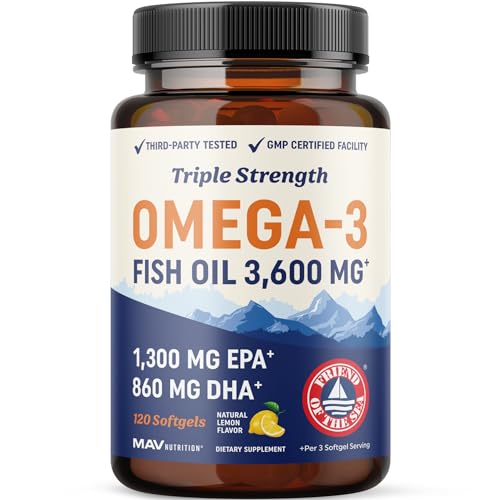
Look for a fish oil supplement that specifies EPA and DHA content separately on the label — not just total fish oil — and carries third-party testing certification (USP, NSF, or Informed Sport). Refrigerate after opening to prevent oxidation. The EPA and DHA content per serving is the number that matters, not the total fish oil milligrams.

For those who prefer a plant-based omega-3 source, algae-derived supplements provide EPA and DHA directly — the same active forms as fish oil — without the fishy aftertaste or sourcing concerns. Algae is where fish get their omega-3s in the first place, so this is the original source.

The formulation matters enormously for curcumin. Look specifically for curcumin combined with BioPerine (a standardized piperine extract) or in a liposomal or phytosome formulation — these significantly increase the amount that actually reaches your bloodstream. Plain curcumin powder capsules without an absorption enhancer are far less effective.
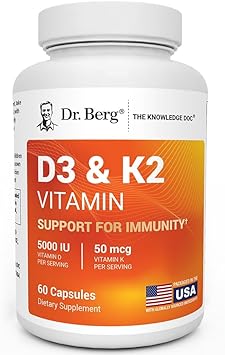
Vitamin D3 is the most bioavailable form (more effective than D2). Combining with vitamin K2 helps direct calcium to bones rather than arteries — a meaningful combination if you’re supplementing at higher doses. Get your blood levels tested before starting and work with your doctor on the right dose for your results.
The supporting cast: solid evidence, worth knowing about
Magnesium
Magnesium is not technically an anti-inflammatory supplement in the way fish oil or curcumin are — but its role in chronic illness is significant enough to belong here. Magnesium plays a role in over 300 enzymatic reactions, including nerve and muscle function, sleep regulation, and stress response. Deficiency — common in people with chronic pain conditions — has downstream effects on inflammation and pain sensitivity.
A meta-analysis found that magnesium supplementation has meaningful effects on inflammatory parameters, particularly in people who were deficient. Magnesium glycinate is the best-tolerated form — significantly less likely to cause digestive upset than magnesium oxide or sulfate. If you have tried magnesium before and had GI issues, this form is worth trying specifically. Taking it in the evening also supports sleep quality — and poor sleep is itself pro-inflammatory, a cycle many people with chronic illness know well.
Ginger
Ginger has documented anti-inflammatory and analgesic properties through its active compounds — gingerols and shogaols. If you’re really trying to reduce chronic inflammation through ginger supplementation, this is something to take for a long time — the benefits accumulate with consistent use rather than appearing acutely. A systematic review and meta-analysis of clinical trials found that ginger supplementation reduces markers of inflammatory and oxidative stress, with consistent effects across studies.
Ginger works both as a food (fresh ginger root, ginger tea, crystallized ginger) and as a supplement. In supplement form, look for standardized extracts that specify gingerol content. As with turmeric, consistent daily use over time produces more meaningful effects than occasional high doses. Ginger is generally very well tolerated, though it can thin the blood at high doses — relevant for anyone on anticoagulants.
Vitamin C
Vitamin C is a powerful antioxidant that reduces inflammation by neutralizing free radicals — molecules that contribute to the inflammatory cascade. A meta-analysis found meaningful effects on serum CRP concentrations. It also supports immune function in ways that help regulate inflammatory response.
Vitamin C is one of the few supplements where food can realistically meet the need — bell peppers, citrus, kiwi, broccoli, and strawberries are all rich sources. If your diet consistently includes these, you may not need a supplement. If it doesn’t — particularly on low-energy days when fresh produce is harder to prepare — a supplement is a reasonable gap-filler. Doses above 2,000mg daily can cause digestive discomfort.
Supporting supplements worth considering

Magnesium glycinate is the most consistently well-tolerated form — significantly less likely to cause digestive upset than magnesium oxide or citrate. Taking it in the evening supports sleep quality alongside its anti-inflammatory and muscle-relaxing effects. If you’ve tried magnesium before and had GI issues, this form is worth trying specifically.
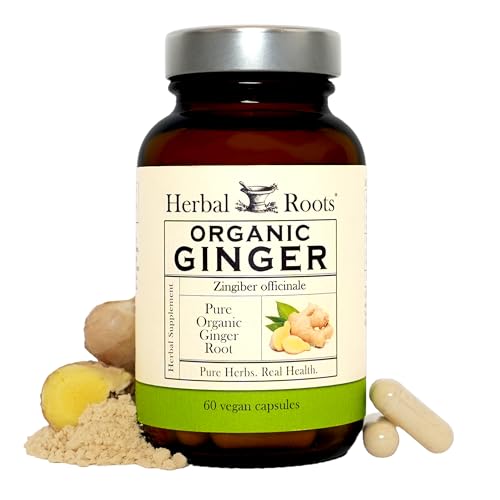
Look for a ginger supplement that specifies its gingerol content on the label — standardized extracts are more reliably potent than plain ginger powder capsules. Ginger is best used consistently over time rather than as an occasional dose; the anti-inflammatory effects accumulate with regular use.

Buffered vitamin C (sodium or calcium ascorbate) is gentler on the stomach than plain ascorbic acid — relevant if your digestive system is already sensitive. Liposomal vitamin C offers improved absorption. Either is a reasonable choice if your diet is inconsistent in fruits and vegetables, particularly on high-fatigue days.

Gut health and systemic inflammation are directly connected — the research on this link has grown significantly in recent years. A quality multi-strain probiotic with at least 10 billion CFU supports the beneficial gut flora that helps regulate inflammatory pathways. Look for refrigerated options or those specifically formulated for shelf stability, and introduce slowly if your gut is sensitive.
The honest conversation about popular supplements
Not every supplement that gets talked about in chronic illness spaces has the evidence to match its reputation. Being honest about that is part of how this post can actually be useful to you — because making informed decisions about what to put in your body is an act of self-advocacy.
Quercetin. Promising anti-inflammatory activity in laboratory and animal studies, but human evidence is more limited and less consistent. Not a waste of money, but the evidence base is weaker than for omega-3s or curcumin. If budget is a consideration, start with the higher-evidence options first.
Glucosamine and chondroitin. Decent evidence for reducing joint pain symptoms specifically, but their mechanism is more about supporting cartilage than reducing systemic inflammation. Worth knowing about for joint concerns, but they don’t operate primarily as anti-inflammatory agents the way fish oil and curcumin do.
Collagen supplements. Growing research, but evidence for anti-inflammatory effects specifically is still limited. The benefit for joint health and skin is more established than for inflammation markers. Food sources — bone broth, gelatin — provide similar compounds.
Boswellia, willow bark, devil’s claw. Each has some human trial evidence for specific conditions. All carry the same advice: discuss with your doctor, especially if you take any medications.
A consistent theme across all the weaker-evidence supplements: lifestyle factors often fuel chronic inflammation, and supplements cannot make up for unhealthy habits. The intervention with the most compelling evidence for reducing inflammation is a healthy diet. Supplements fill gaps — they don’t substitute for the food-first approach discussed in the anti-inflammatory eating guide.
How to approach supplementation practically
The most useful thing to know about supplements for chronic illness is this: start with your bloodwork. Before spending money on vitamin D, magnesium, or anything else, ask your doctor to test your actual levels. Knowing you’re deficient in vitamin D is different from guessing you might be — and supplementing a genuine deficiency produces meaningfully different results than supplementing adequate levels.
The tests worth asking your doctor about: 25-hydroxyvitamin D for vitamin D status, a serum magnesium test (though note that serum magnesium doesn’t always reflect total body magnesium accurately), a complete blood count that includes iron and ferritin, and if relevant to your conditions, inflammatory markers like high-sensitivity CRP and IL-6. This is the conversation worth having — and having the right language to ask for what you need is its own skill.
A few practical principles for supplementing safely and effectively:
Introduce one supplement at a time. Starting multiple supplements simultaneously makes it impossible to know which one is helping — or causing any side effects. Add one new supplement, use it consistently for at least four to six weeks, then assess before adding anything else.
Quality matters. Third-party testing certifications — USP, NSF International, or Informed Sport — mean the product has been independently verified to contain what the label says. These certifications matter more than brand recognition.
Supplements interact with medications. Fish oil can thin the blood. High-dose vitamin D affects calcium metabolism. Ginger and turmeric at supplemental doses affect blood clotting. Before adding any supplement, mention it specifically to your pharmacist or prescribing doctor — interactions that seem unlikely can be genuinely significant.
Consistency matters more than dose. Most anti-inflammatory supplements produce their effects through sustained use over time, not high occasional doses. The best routine is the one you will actually maintain.
Knowing what to ask your doctor — about your bloodwork, your supplement interactions, your treatment options — is one of the most valuable skills you can build as someone managing chronic illness. Say This: 30 Scripts for Chronic Pain Communication gives you the exact language for those conversations, so you can walk into every appointment prepared to advocate for the care and the information you actually need. Get your copy of SAY THIS here
Tools for building a thoughtful supplement routine

A pill organizer with AM and PM compartments is the practical infrastructure that makes supplement consistency possible — particularly on brain fog days when you genuinely can’t remember whether you took something. Fill it weekly on a good day and remove the guesswork entirely.

Tracking which supplements you’re taking, when you started each one, and how you feel over time gives you actual data about what’s working. Chronic illness management benefits enormously from this kind of personal record — both for your own awareness and for reporting accurately to your healthcare provider.

Some supplements — fish oil, probiotics, insulin — benefit from refrigeration, and having a small insulated case keeps them stable during travel or when you’re away from home. Maintaining consistency even when routines are disrupted is one of the harder parts of supplement adherence for anyone with a variable health schedule.

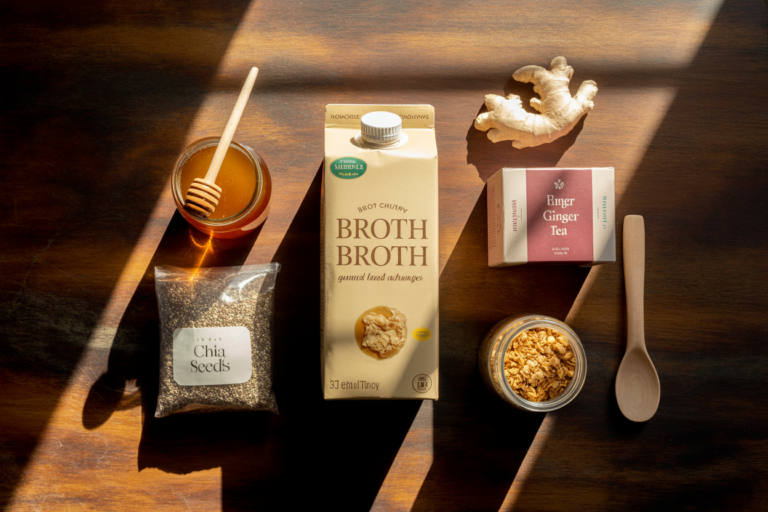
A daily herbal tea practice is one of the most sustainable ways to get consistent anti-inflammatory compounds — ginger, turmeric, and green tea polyphenols — without adding more pills. It’s also a ritual worth building, because the habit of sitting with something warm and intentional each day does something for the nervous system that supplements alone don’t provide.
Where supplements fit in the larger picture
The most important thing the research keeps returning to — and what the most credible medical voices on this topic consistently say — is that supplements support a food-first approach. They do not replace it.
Eating a lot of processed foods, smoking, drinking a lot of alcohol, and chronic stress are very inflammatory, and those are the elephants in the room that need to be addressed first. The intervention with the most compelling evidence for reducing inflammation is a healthy diet.
The anti-inflammatory eating pattern — more whole foods, more omega-3-rich fish, more colorful fruits and vegetables, more fiber, less ultra-processed food — produces effects that no supplement can fully replicate, because the bioactive compounds in whole food work synergistically in ways that isolated supplements don’t. A fish oil capsule is not equivalent to eating salmon twice a week. A curcumin supplement does not replace a diet rich in turmeric, ginger, and anti-inflammatory spices across multiple daily meals.
Supplements fill genuine gaps — particularly for nutrients that are commonly deficient in people with chronic illness, that are difficult to get adequately through food alone in the amounts the research supports, or that require a level of dietary consistency that isn’t always realistic when your energy is limited. In that context, they are genuinely valuable tools.
The useful question is not which supplements to take but what your body actually needs that you are not consistently getting from food — ideally informed by actual bloodwork and your doctor’s input. That is where a supplement routine worth building actually begins.
For the food-first approach alongside your supplement routine

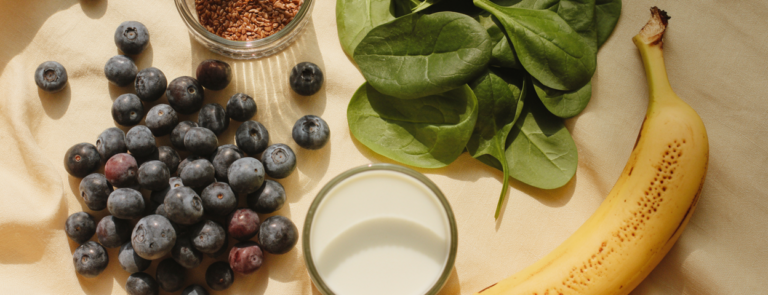
One of the most antioxidant-dense foods available at any price point — and a direct source of the polyphenols that supplements try to isolate. Keep a bag in the freezer at all times and add a handful daily to oatmeal, smoothies, or yogurt. This is food doing supplement work.

The oleocanthal in quality EVOO inhibits the same inflammatory enzymes as ibuprofen — this is a food compound doing pharmaceutical-adjacent work. Used daily as your primary cooking fat and in dressings, good olive oil is one of the most evidence-backed anti-inflammatory choices available regardless of any supplement routine.

Turmeric used consistently in food — combined with black pepper and a fat source for absorption — provides a meaningful daily dose of curcumin through the most bioavailable and sustainable delivery method available. Cooking with it regularly is genuinely different from taking it occasionally.

The single highest plant-based source of omega-3 fatty acids — a small daily handful provides meaningful ALA alongside magnesium, vitamin E, and fiber. Keep refrigerated to prevent the healthy fats from going rancid. This is a pantry staple that sits alongside a fish oil supplement rather than replacing it, giving you omega-3s from multiple daily sources.
Know what you’re taking and why
The supplement conversation in chronic illness can feel like one more overwhelming thing to navigate on top of everything else you’re already managing. The goal of this post wasn’t to add to that overwhelm — it was to simplify it.
Three supplements have strong human-trial evidence: omega-3 fatty acids, curcumin in a bioavailable form, and vitamin D for those who are deficient. Magnesium, ginger, and vitamin C have solid supporting evidence and are generally well tolerated. Everything else requires more scrutiny and more honest conversation with your doctor before spending money on it.
Get your bloodwork. Talk to your provider. Introduce one thing at a time. Buy quality. Keep a record. And remember that the food on your plate every day is doing more work than any bottle in your supplement cabinet — which is not a reason to skip the supplements, but it is a reason to invest equally, if not more, in what you’re eating.
Your body is managing a lot. Every well-informed choice you make for it — whether that’s a fish oil capsule in the morning or wild blueberries on your oatmeal or asking your doctor for a vitamin D test — is an act of self-care that compounds over time. That’s the practice worth building.
This post is for informational purposes only and is not intended as medical advice. Always consult your healthcare provider before starting any new supplement, particularly if you take prescription medications or have existing health conditions.