Hydration Guide for Chronic Illness: Why Water Isn’t Enough and What to Drink Instead
The content on this site was created with the help of AI. LOVEOWE LLC participates in the Amazon Services LLC Associates Program and other affiliate programs. As an Amazon Associate, I earn from qualifying purchases. This means I may earn a small commission—at no extra cost to you—when you make a purchase through links on this site. All opinions are my own. Learn more click here. Thank you for your support!

I spent years drinking water all day and ending every summer still dehydrated.
Not dramatically — not collapsing or showing obvious signs. But the persistent low-level symptoms that chronic illness produces were worse in summer in ways I couldn’t fully account for. The dizziness when standing up. The fatigue that arrived earlier in the afternoon than it should. The headaches that crept in despite what felt like adequate fluid intake. The heat that hit harder and lasted longer than it seemed like it should, given how much water I was drinking.
What I eventually understood, with help from some excellent medical content from registered dietitians and autonomic specialists, was that water alone was not the issue. The body’s ability to actually use the water you drink — to absorb it into circulation, to retain it in the bloodstream rather than passing it straight through — depends on factors that plain water doesn’t address. And for many chronic illness bodies, those factors are where the real hydration challenge lives.
This guide covers what actually happens with hydration in chronic illness, why the standard advice falls short, what to drink instead, the sneaky dehydrating factors that most people don’t know about, and how to build a practical hydration approach that works for your specific body. It’s the post I wish had existed when I was trying to figure this out.
This post is for informational purposes only and is not intended as medical advice. Hydration needs are highly individual, particularly for conditions like POTS and dysautonomia — please work with your healthcare provider on an approach specific to your body and treatment plan.
Why water alone doesn’t work for many chronic illness bodies
The standard hydration advice — eight glasses of water a day — is designed for a body whose fluid-retention systems function typically. For many people managing chronic illness, those systems don’t function typically, and that’s where the gap between drinking enough water and actually being hydrated opens up.
The blood volume problem. Many conditions under the dysautonomia umbrella — POTS, orthostatic hypotension, EDS with autonomic involvement — involve something called hypovolemia: reduced circulating blood volume. When blood volume is low, the body struggles to maintain blood pressure on standing, regulate heart rate, and deliver adequate circulation to the brain and extremities. This is why POTS produces the dizziness, tachycardia, fatigue, and brain fog it does — those symptoms are, in part, the downstream effects of a body working hard to compensate for insufficient blood volume.
Drinking more water helps, but only partially. The body needs electrolytes — specifically sodium — to actually retain the water it takes in. Sodium and water stay together in the body; as sodium intake increases, the amount of water that stays in circulation increases too. Drinking large amounts of plain water without adequate sodium can actually dilute sodium levels further, which can worsen orthostatic symptoms rather than improve them. This is the counterintuitive reality that the standard “drink more water” advice misses entirely for dysautonomia bodies.
The absorption problem. Even with electrolytes, fluid absorption depends on specific transport mechanisms in the small intestine. The most efficient route for sodium absorption involves the presence of glucose — sodium and glucose cross the intestinal wall together through a co-transport mechanism, pulling water with them into the bloodstream. This is the principle behind oral rehydration therapy (ORT), used for decades in clinical medicine to treat dehydration more effectively than plain water. It’s also why the sugar-free approach to electrolyte drinks, while appealing from a general wellness standpoint, isn’t always the right choice for someone with dysautonomia who needs maximum fluid absorption into circulation.
The medication factor. Many medications commonly used for chronic illness affect hydration status. Diuretics increase fluid loss through the kidneys. Antihistamines have mild dehydrating effects. Certain antidepressants affect temperature and fluid balance. Corticosteroids affect electrolyte distribution. If you’re on any of these in summer heat, your baseline hydration challenge is compounded in ways plain water doesn’t address.
The hormonal factor. Reproductive hormones — estrogen and progesterone — affect blood plasma volume, which is why many people with menstrual cycles have a cyclically predictable period of mild dehydration at certain points in the month. For people with conditions affecting hormonal regulation, this fluctuation can be more pronounced. Low-carb diets also increase dehydration because every gram of carbohydrate retains several times its weight in water during digestion — people on lower-carb eating patterns have measurably higher hydration demands.
The question isn’t how much water you’re drinking. It’s how much of that water is actually staying in circulation where your body needs it. Those are different questions with different answers.
What to drink: the honest breakdown
Not all fluids hydrate equally, and not all electrolyte products are created with chronic illness bodies in mind. Here is what each category actually does and when it’s most useful.
Electrolyte packets and powders — the workhorse
For POTS and dysautonomia specifically, the Cleveland Clinic recommends aiming for approximately 2 to 2.5 liters of fluids per day alongside 3,000 to 10,000 milligrams of sodium daily — significantly more than general population recommendations. The wide sodium range reflects how individual this is: the right amount depends on your specific POTS type, your symptoms, your other medications, and your healthcare team’s guidance. This is not a number to self-prescribe at the high end without medical input.
Electrolyte packets that specify sodium content and include potassium and magnesium alongside sodium are the most useful daily tool for this. When evaluating electrolyte products, look for at least 500 milligrams of sodium per serving to make a meaningful contribution toward daily sodium goals. Products like LMNT contain 1,000 milligrams of sodium, 200 milligrams of potassium, and 60 milligrams of magnesium per packet — a ratio that matches what specialized clinics recommend for dysautonomia management. Nuun tablets at two per use are roughly equivalent. The key specification is that sodium content is explicitly listed, not vaguely referenced.
On the sugar question: for someone who is managing general chronic illness and is not severely dehydrated, low-sugar or sugar-free electrolyte packets are appropriate. For someone with POTS who experiences significant dehydration, poor absorption, or has difficulty eating adequate amounts of food, a small amount of glucose alongside the electrolytes genuinely improves absorption through the co-transport mechanism described above. Sugar-free is not automatically better for dysautonomia bodies — it depends on your specific situation, which is another reason this conversation belongs in your medical appointments as well as on your kitchen counter.
Oral rehydration solutions — the clinical standard
Oral rehydration therapy has been used in clinical medicine for decades, and the World Health Organization’s oral rehydration solution formula — a specific ratio of sodium, glucose, and potassium — has been shown to improve fluid absorption more effectively than plain water or most commercial sports drinks. For people with POTS and dysautonomia, oral rehydration solutions have shown ability to improve orthostatic tolerance, and some research suggests they can be as effective as intravenous saline in certain cases — a significant finding for people who rely on IV hydration for symptom management.
You can make a basic oral rehydration solution at home: one liter of water, approximately half a teaspoon of table salt (about 1,000 milligrams of sodium), and a small amount of natural sugar or juice for glucose. This is the affordable, always-available version for people for whom commercial electrolyte products are cost-prohibitive. For taste and consistency, commercial ORS packets are generally better tolerated for daily use.
Coconut water — natural electrolytes with caveats
Unsweetened coconut water provides natural potassium and magnesium and is a genuinely useful hydration tool — particularly for people who struggle with salt-forward electrolyte products. The caveat: coconut water is lower in sodium than most POTS-specific electrolyte products, making it a useful supplement to sodium-containing fluids rather than a replacement. Use it when it’s convenient and enjoyable; don’t rely on it as the primary electrolyte source if your condition requires significant daily sodium.
Bone broth and vegetable broth — the underrated option
Broth is one of the most overlooked hydration tools for chronic illness, and one of the best. It is simultaneously fluid, sodium, and food — three hydration needs addressed in one warm cup. Bone broth specifically provides sodium, potassium, and the gelatin that supports gut integrity. For people with POTS who need to increase sodium intake but find the taste of heavily salted water or electrolyte drinks difficult, a cup of quality bone broth provides approximately 500 to 900 milligrams of sodium in a format that many people find significantly more palatable. In summer, broth can be made and refrigerated and served at room temperature or slightly chilled for people who find hot drinks challenging in the heat.
Herbal teas — hydrating with functional benefits
Herbal teas count toward daily fluid intake and some provide functional benefits alongside hydration. Hibiscus tea supports circulation and provides antioxidants. Nettle leaf is naturally high in minerals including potassium and magnesium. Peppermint is cooling and supports digestion. The important distinction: caffeinated teas (black, green, oolong) are mild diuretics — caffeine increases urine output, which means caffeinated beverages contribute less to net hydration than their volume suggests, and in high quantities can increase dehydration. Herbal teas without caffeine count fully toward fluid intake.
What to minimize
Alcohol is a significant diuretic and inflammatory — it increases urine output, depletes electrolytes, and directly worsens both dehydration and inflammation. Even small amounts in summer heat compound with heat-related fluid loss in ways that chronic illness bodies handle less well than others. Highly caffeinated beverages in large quantities have the same diuretic effect. Sugary drinks without electrolytes provide fluid but the blood sugar fluctuation can interact poorly with conditions affecting blood pressure and energy stability. None of these are absolute prohibitions — this is information for making informed choices, not a rulebook.
Hydration essentials worth having

Look for packets that specify sodium content — at least 500mg per serving — and include potassium and magnesium alongside sodium. Brands formulated for athletic and chronic illness use rather than general wellness tend to have meaningfully higher sodium content. Single-serve packets are the most practical format for daily use and for keeping in bags and car.
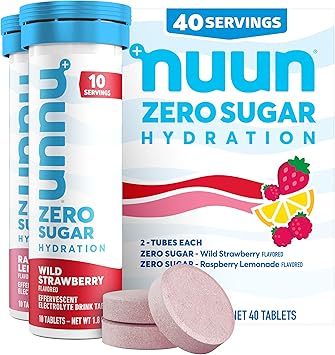
Nuun tablets dissolve in water and provide sodium, potassium, magnesium, and calcium in a convenient, portable format. Two tablets approximate one LMNT-equivalent serving for dysautonomia management. The tablet format is space-efficient — a tube fits in any bag — and the carbonation from dissolving makes them more palatable for people who find plain electrolyte water difficult to drink consistently.

A multi-pack of quality packaged bone broth — look for one that lists sodium content explicitly, preferably 500mg or more per cup — provides a palatable sodium and fluid source for people who struggle with the taste of electrolyte drinks. Keep in the pantry as the alternative on days when electrolyte packets aren’t working. Warm in winter, room temperature or chilled in summer.

The infrastructure that makes consistent daily fluid intake actually happen. A 40-ounce insulated bottle stays cold for 24 hours, holds enough for a significant portion of daily fluid goals, and an easy-open straw lid means drinking without picking up and tilting — relevant for people whose positional changes need management. Fill it with electrolyte water rather than plain water for the full benefit.
The sneaky dehydrating factors most people don’t know about
Understanding what depletes your hydration — beyond simply not drinking enough — is part of building a strategy that actually works. These are the factors that create hidden hydration drains in chronic illness.
Air conditioning and central heating. Artificially conditioned air is significantly drier than outdoor air and creates ongoing fluid loss through breathing and skin — without sweating, without noticeable thirst. Staying in air-conditioned spaces is the right summer management advice for many chronic illness bodies; it just means maintaining fluid intake even when you feel cool and comfortable.
Antihistamines. Many people with chronic illness take antihistamines regularly — for MCAS, for allergies, for histamine intolerance, or for the antihistamine’s secondary effects like sleep support. Antihistamines have mild dehydrating effects. If you’re taking them daily, factor this into your baseline hydration approach rather than treating it as a separate issue.
Low-carb eating patterns. Every gram of carbohydrate retains several times its weight in water during digestion. People eating lower-carbohydrate diets have measurably higher hydration needs than standard recommendations account for — not an argument against low-carb eating, but a clear reason to consciously increase fluid and electrolyte intake when following one.
Hormonal fluctuations. Estrogen and progesterone affect blood plasma volume, which means cyclical fluctuation in hydration status is real and predictable for people with menstrual cycles. Tracking symptoms alongside cycle phase can reveal whether there’s a predictable window of increased hydration need each month — and preemptively increasing electrolyte intake in that window is more effective than reacting to symptoms after they appear.
Caffeine. Caffeine is a mild diuretic. A moderate amount of caffeine from coffee or tea doesn’t create severe dehydration in most people, but it does mean that a coffee doesn’t hydrate at its full volume — some portion of the fluid consumed with caffeine is lost through increased urine output. For people dependent on caffeine for fatigue management (common in ME/CFS, fibromyalgia, and others), pairing each caffeinated drink with an equal or greater volume of electrolyte water is the practical response.
Insufficient eating. Food provides a significant portion of daily fluid intake — fruits, vegetables, and cooked foods all contribute water. People who struggle with appetite due to nausea, medication effects, or low-energy days may be losing meaningful hydration from this source without recognizing it. On low-appetite days, emphasizing high water-content foods (watermelon, cucumber, broth-based soups, smoothies) alongside deliberate fluid intake is more effective than pushing fluid volume alone.
Tools for building a consistent hydration practice

The most affordable and most flexible sodium source for DIY electrolyte drinks and for adding to food and water. A quarter teaspoon of table salt in 32 ounces of water provides approximately 575 milligrams of sodium — a meaningful, free contribution to daily sodium goals. Fine ground dissolves easily. Keep a small container beside the water station rather than in a cabinet.

Soaked chia seeds absorb approximately 12 times their weight in water, forming a gel that releases fluid slowly through digestion — making them one of the more unusual but genuinely effective hydration tools available. Added to morning smoothies, stirred into electrolyte water, or prepared as chia pudding, they contribute both hydration and omega-3 fatty acids and fiber. The slow-release quality is particularly useful for people whose hydration feels unstable through the day.
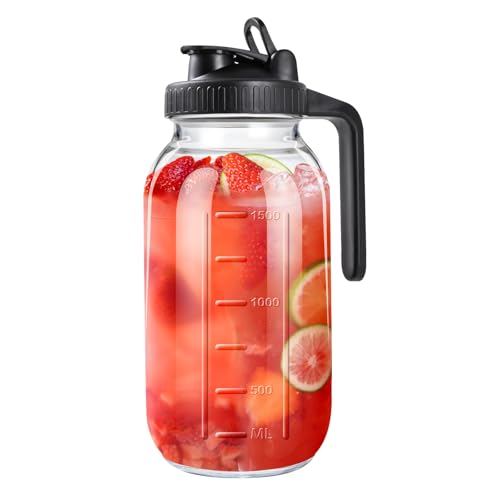
A dedicated pitcher for electrolyte water that lives in the refrigerator — filled each morning with the day’s fluid goal plus electrolyte packets — removes the decision-making from individual drink servings. When the pitcher is empty, the day’s hydration goal is met. Glass specifically because acidic drinks and electrolyte formulas absorb compounds from plastic over time.

Tracking fluid intake, electrolyte consumption, sodium sources, and symptoms daily over two to four weeks reveals patterns impossible to identify otherwise — which days the dizziness is worse, whether it correlates with the previous day’s fluid intake, how symptoms respond to electrolyte increase. This data is also valuable in medical appointments, where the ability to show your provider what you’ve tried and what happened is a meaningful form of self-advocacy.
Hydrating from food: what to eat for better fluid balance
Food contributes meaningfully to daily hydration — and for people who struggle to reach fluid volume goals through drinks alone, building hydrating foods into every meal is a practical way to close the gap.
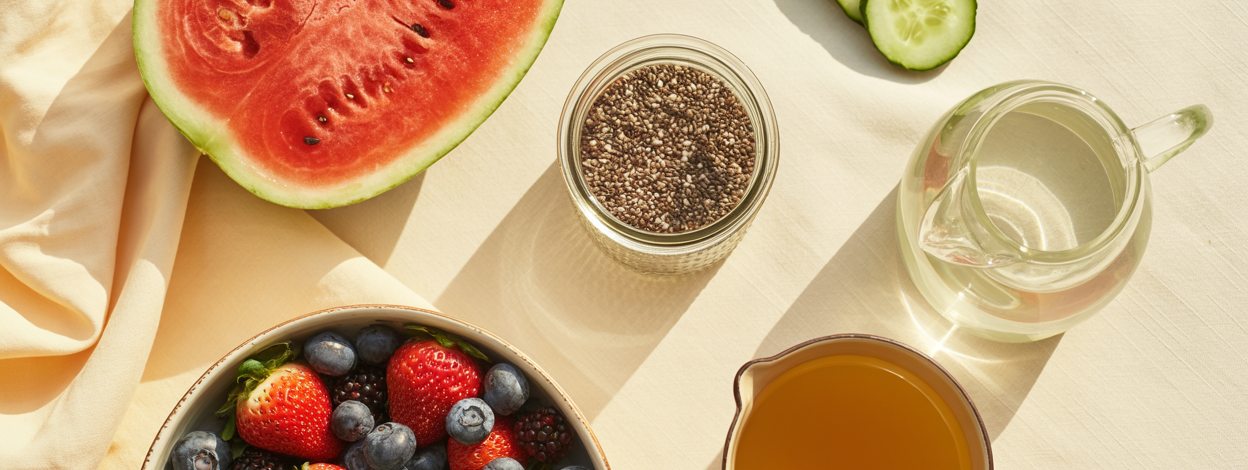
The highest water-content foods worth knowing: Watermelon (92 percent water, plus lycopene and citrulline). Cucumber (96 percent water, flavonoids with anti-inflammatory properties). Lettuce and leafy greens (94 to 96 percent). Zucchini, celery, tomatoes, and bell peppers (all above 90 percent). Strawberries and berries (85 to 92 percent, plus anthocyanins). Building one or two of these into every summer meal adds meaningful fluid intake without requiring additional drinks.
Chia seeds as a hydration tool. Soaked chia seeds absorb approximately twelve times their weight in water, forming a gel that releases fluid slowly through the digestive system. Adding a tablespoon of chia seeds to a smoothie or electrolyte water — and letting them soak for at least fifteen minutes before consuming — contributes both hydration and sustained fluid release. The Dysautonomia Clinic has specifically noted chia seeds as a hydration strategy worth exploring for POTS bodies.
Sodium from food, not just supplements. For people with high sodium requirements, food sources of sodium count toward daily goals and can reduce reliance on electrolyte packets. Pickle juice is one of the most sodium-dense food sources available — two to three ounces contains approximately 500 to 800 milligrams of sodium and is a legitimate, low-cost sodium supplementation strategy. Salted nuts. Olives. Quality canned soups and broths. The goal is distributed sodium intake throughout the day rather than large boluses at once.
What to build every summer meal around: Start with a high water-content vegetable (cucumber, tomatoes, zucchini). Add a protein source. Include a salt element — even a pinch of quality salt on food contributes. Add a fat source that supports fat-soluble nutrient absorption. Finish with a piece of fruit for glucose and water content. This is not a strict protocol — it’s a frame that builds hydration into the meal rather than treating it as a separate, additional task.
For hydrating from food and building the summer pantry

Unsweetened coconut water provides natural potassium, magnesium, and some sodium in a format that most people find genuinely pleasant to drink. Useful as a mid-day hydration option or as a mixer for electrolyte packets when the taste of straight electrolyte water feels like too much. Buy unsweetened specifically — the sweetened versions add sugar that undermines the clean electrolyte benefit.

Wild blueberries are 85 percent water, rich in anthocyanins, and one of the most anti-inflammatory foods available at any price point. A handful in a morning smoothie contributes hydration, antioxidants, and natural glucose to support electrolyte absorption — all three hydration goals in one ingredient. Keep a large bag in the freezer permanently.

Two to three ounces of pickle juice provides 500 to 800 milligrams of sodium in the most concentrated, affordable food-based sodium format available. Consistent with clinical recommendations for POTS sodium management, it’s a legitimate option for people who find it palatable. Keep in the refrigerator and take a small shot before high-heat activities or first thing in the morning.

The tool that makes hydrating smoothies — frozen fruit, spinach, chia seeds, coconut water, and a pinch of salt — a five-minute daily practice rather than a production. A personal blender that blends directly into the drinking cup removes the washing-up barrier on hard days. Look for at least 700 watts for reliable frozen fruit blending.
Building a practical hydration routine for chronic illness
Information about hydration is useful. A routine that actually gets implemented is more useful. These are the practical principles for building a hydration approach that works within the real constraints of chronic illness life.
Front-load your hydration in the morning. Starting the day with electrolyte fluids before significant activity — before standing up for long periods, before heat exposure, before appointments that require effort — is more effective than reacting to symptoms after they appear. For POTS specifically, drinking 16 to 20 ounces of electrolyte fluid in the morning before getting out of bed or within the first thirty minutes of waking can meaningfully reduce orthostatic symptoms for the day. This is one of the most consistently reported practical improvements in the dysautonomia community.
Spread intake throughout the day rather than bolusing. Consuming fluids in small, frequent amounts throughout the day improves absorption and avoids overwhelming the kidneys. Reaching for a drink every thirty to sixty minutes produces better blood volume maintenance than periodic large volumes. Keep a bottle within arm’s reach rather than relying on thirst — thirst is a late signal of dehydration, not an early one.
Hydrate before known triggers. Drink fluids strategically before activities or situations that predictably worsen symptoms — before standing for extended periods, before heat exposure, before physical effort. Pre-emptive hydration is more effective than reactive hydration because it supports blood volume before the demand increases rather than trying to catch up afterward.
Track your intake for a few weeks. Tracking daily fluid intake, sodium sources, and symptom patterns for two to four weeks reveals what clinical advice can’t tell you: your body’s specific response to different approaches. This data is also among the most useful material you can bring to medical appointments — a log of what you’ve tried and how symptoms responded is far more informative than a general description of feeling dehydrated.
Work with your doctor on the numbers. The sodium recommendations for POTS range from 3,000 to 10,000 milligrams daily — a range so wide that it is not self-prescribable at the higher end. The right number depends on your specific condition, whether you have hypertension, what medications you’re taking, and your individual symptom picture. This guide gives you the language and framework for that conversation. Your provider gives you the numbers specific to you.
Understanding your hydration needs is one thing. Getting your doctor to take those needs seriously — and having the specific conversation about sodium targets, medication interactions, and what’s right for your particular condition — is another. Say This: 30 Scripts for Chronic Pain Communication gives you the exact language for those appointments, so you can walk in prepared and walk out with answers that actually help. Get your copy of SAY THIS here
For the full hydration toolkit

Temperature-sensitive medications — including some used for POTS and dysautonomia management — can be compromised within minutes in summer heat. An insulated cooler bag with a hard-sided cooling pack protects medications during outings and travel. If your hydration and medication management intersect, this is a non-negotiable summer tool.
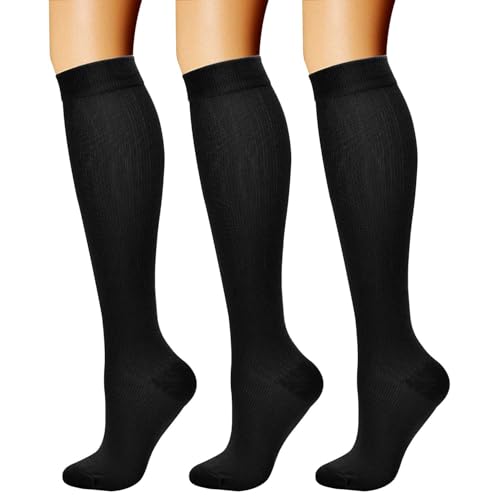
Compression garments work alongside hydration for POTS management by reducing blood pooling in the lower extremities — one of the mechanisms that reduces orthostatic intolerance. They’re not a hydration product but they directly support the same goal: more stable blood volume distribution when standing. A significant portion of people with POTS find that compression alongside electrolytes produces more improvement than either alone.

A bedside insulated carafe filled with electrolyte water the night before enables morning front-loading without having to go to the kitchen first — particularly useful for POTS bodies where the transition from lying to standing is the highest-risk moment of the day. Cold water available immediately upon waking, before getting up, before the orthostatic challenge begins.

Caffeine-free herbal teas count fully toward daily fluid goals. Hibiscus supports circulation and provides antioxidants. Nettle leaf is naturally mineral-rich. Peppermint is cooling and digestively supportive. A collection covering these three bases gives you variety across the day — particularly useful for people who find drinking plain electrolyte water repeatedly throughout the day monotonous, which is a real barrier to consistent intake.
The conversation your body has been trying to have
The symptoms that summer dehydration produces in a chronic illness body — the dizziness, the afternoon fatigue, the headaches, the heart rate that climbs when you stand up, the heat that hits harder and stays longer — are not inevitable features of your condition. Some portion of them are your body telling you that plain water isn’t enough, and that the specific solution to your specific hydration challenge requires more than the standard advice provides.
That solution is usually a combination: electrolytes with adequate sodium, hydrating foods through the day, awareness of the silent depletion factors, and a morning front-loading habit. The specifics — particularly the sodium numbers — belong in a conversation with your provider, with this information as your starting point.
Start with what’s manageable: one electrolyte packet in the morning, a glass of electrolyte water before getting out of bed, one more high water-content food at lunch. Build from there. Track what you notice. Bring what you notice to your next appointment.
Your body has been working very hard to compensate for insufficient hydration. Give it what it actually needs and see what changes. For many chronic illness bodies, the answer to that experiment is one of the more meaningful ones available this summer.
This post is for informational purposes only. Hydration needs and sodium targets for POTS and dysautonomia are highly individual. Please work with your healthcare provider before making significant changes to your electrolyte or sodium intake.