Cozy Fall Outfits for Chronic Illness: What to Wear on Flare Days and Good Days Both
The content on this site was created with the help of AI. LOVEOWE LLC participates in the Amazon Services LLC Associates Program and other affiliate programs. As an Amazon Associate, I earn from qualifying purchases. This means I may earn a small commission—at no extra cost to you—when you make a purchase through links on this site. All opinions are my own. Learn more click here. Thank you for your support!
The first cool morning of fall hit and I did what I always do — I opened my closet and stood there too long. Not because I had nothing to wear. Because I had no idea what kind of day my body was going to have, and the outfit had to work either way.
That’s the thing about dressing with a chronic illness that nobody in fashion ever talks about. It’s not just about looking good. It’s about waking up at 7am not knowing if you’ll be someone who walks to the coffee shop or someone who barely makes it to the couch — and needing your clothes to be ready for both versions of that day. It’s about fabric that doesn’t feel like a sensory punishment by noon. It’s about waistbands that won’t become unbearable during a flare. It’s about actually wanting to get dressed because the clothes feel like yours, not like a compromise.
Fall is one of the hardest seasons to navigate with chronic illness because the temperature swings are unpredictable, layers are a necessity, and the aesthetic pull toward chunky sweaters and structured boots runs headlong into the reality of inflammation, fatigue, and pain. I’ve spent a lot of falls getting it wrong — itchy wool, stiff denim, boots I couldn’t zip by afternoon. This is the version I’ve arrived at after all of that. The fall wardrobe that actually works, on every kind of day.
Why Fall Is Genuinely Hard on Chronically Ill Bodies
Before we get into the clothes, it’s worth saying out loud: fall is not just a vibe shift. For a lot of people managing chronic illness or chronic pain, the seasonal transition triggers real, physical changes. Temperature fluctuations can increase inflammation and joint pain. Barometric pressure changes — the kind that come with fall storms moving through — are a well-documented pain trigger for conditions like fibromyalgia, lupus, and arthritis. The shorter days affect mood, sleep, and energy. The shift back to heavier social calendars after summer’s relative slowness can add stress that compounds physical symptoms.
All of this means your fall wardrobe isn’t just an aesthetic decision. It’s a wellness tool. Clothes that are too tight, too textured, too heavy, or too difficult to put on and take off can genuinely make a hard day harder. Clothes that are soft, flexible, easy to layer, and kind to your body can make a hard day survivable — and a good day beautiful.
That’s what we’re building here.
The Foundation: Soft Fabrics That Don’t Fight Your Body
Everything in a chronic illness fall wardrobe starts with fabric. Not color, not silhouette — fabric. Because you can fall in love with a sweater in a store and be miserable in it by 2pm if it’s the wrong texture. The goal for fall is warmth without weight, softness without shapelessness, and sensory neutrality that doesn’t spike on a bad day.
The fabrics that reliably work: modal, bamboo, cotton-modal blends, brushed fleece, and cashmere or cashmere-blend knits (the real ones, not acrylic masquerading as cozy). What to avoid when you’re managing inflammation or sensory sensitivity: scratchy wool (unless it’s merino, which is a different texture entirely), stiff denim, polyester that traps heat, and anything with tight elastics at the wrist or waist.
Soft Fabrics and Foundational Layers

Modal is the chronic illness wardrobe’s best friend — it’s breathable, incredibly soft against sensitive skin, and drapes beautifully without clinging. This kind of foundational layer works under everything from cardigans to oversized sweaters, and it’s gentle enough to wear on days when most fabrics feel like too much.

Merino is the exception to the no-wool rule — it’s naturally temperature-regulating, non-itchy, and warm without being heavy. A lightweight merino turtleneck is one of the most versatile fall pieces you can own, working equally well on its own and as a base layer under a cardigan or vest.

Bamboo fabric is naturally antibacterial, silky against the skin, and gently warming — the ideal base layer for fall days when regular leggings aren’t quite enough. These work as the bottom layer of an outfit or under wide-leg pants when temperatures drop.

The zip-up is a chronic illness wardrobe essential because it can be added and removed without effort — no pulling over your head, no fumbling with buttons. Brushed fleece on the inside is warm without being heavy, and the right one looks elevated enough to wear out.
The Flare Day Outfit Formula
On a flare day, getting dressed is already a task. The goal is an outfit that requires almost no decision-making, involves zero painful movements to put on, and still feels like you — not like you gave up.
The formula: a soft, wide-leg pant or oversized jogger with an elastic waist that sits at the hip, not the belly. A long, draped top or oversized knit that covers the waistband entirely and gives you the option of whether anything is touching your midsection. A cozy layer on top — a cardigan, a robe-style jacket, a blanket wrap — that you can pull on without raising your arms. And a shoe that slips on: a cushioned flat, a wide-toe boot with a side zip, or a soft sneaker with a supportive sole.
This outfit looks intentional. It reads as “cozy fall aesthetic,” not “I’m in pain today.” That matters, because you deserve to feel beautiful on your worst days too.
Getting Dressed and Going to the Doctor?
Looking put-together at a medical appointment can sometimes work against you — doctors make assumptions about how you’re doing based on how you look. My ebook Say This: 30 Scripts for Chronic Pain Communication gives you the exact language to make sure what you look like never overrides what you’re actually experiencing.Get the Scripts →
Flare Day Outfit Essentials

Wide-leg cuts mean no compression on swollen joints or inflamed areas, and an elastic waistband that sits low eliminates the belly pressure that can make flare days miserable. These look polished enough to wear outside and feel like pajamas when you need them to.

The oversized cardigan is the flare day layer — it slips on like a robe, covers everything that needs covering, and has deep pockets for your phone, your heating pad pack, or your hands. Look for one with a loose, open-front style so there’s no pulling or buttoning required.

On a flare day, the shoe needs to go on without bending over, without lacing, and without fighting. A cushioned slip-on with a wide toe box and a supportive sole checks every box — and the right pair looks chic enough that no one would know it was a pain-management decision.

A longline top that hits at the hip or below covers the waistband of whatever you’re wearing on the bottom, so your midsection stays warm and free from pressure. The draped knit fabric moves with you and doesn’t ride up when you sit or recline — which matters more than it sounds on a bad day.
The Good Day Fall Look: Elevated and Still Kind
Good days deserve good outfits. Not “good for someone who’s sick” — just good. Beautiful. The kind of outfit that makes you want to take a picture. The kind that makes you feel like yourself.
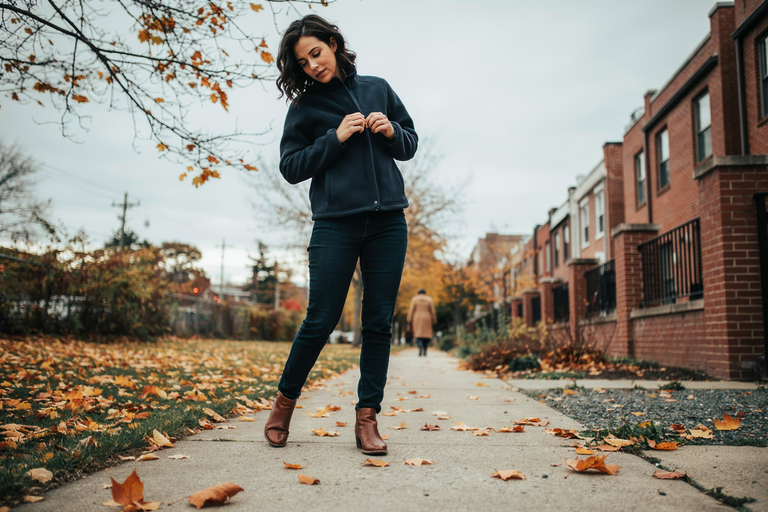
For fall, the good day look leans into the season’s aesthetic — warm tones, layered textures, the satisfying weight of a real knit — while still respecting the body underneath. The difference between a good day outfit and a well-person outfit is mostly in the details: an elastic waistband hidden under a great top, a boot with a side zip instead of laces, a layer that comes off easily if your temperature regulation acts up.
The good day wardrobe isn’t a different wardrobe from the flare day wardrobe. It’s the same core pieces, styled with more intention. That’s what makes the chronic illness closet work — everything has to be able to flex in both directions.
Good Day Fall Outfit Pieces

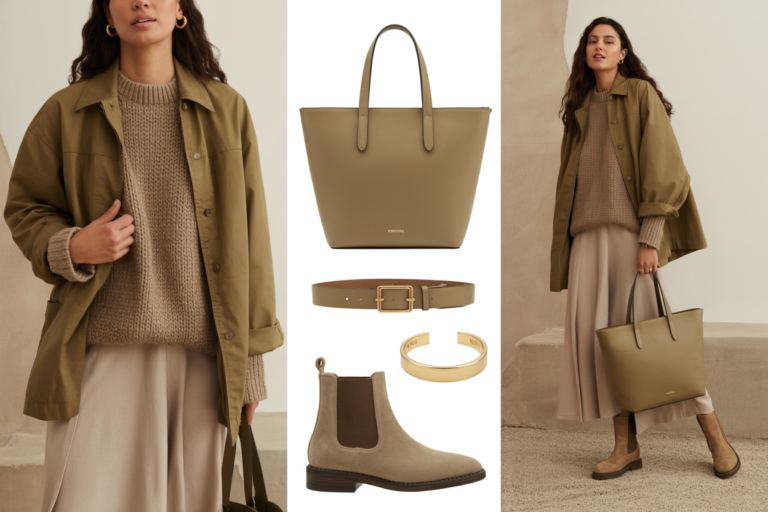
This is the fall sweater — the one that makes you look like you have your whole life together. Look for a cotton or cotton-blend chunky knit rather than synthetic, which traps heat and irritates sensitive skin. The right earthy tone (camel, rust, cream, olive) works with almost everything else in the wardrobe.
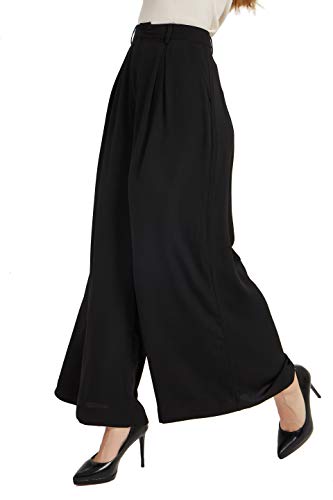
Wide-leg trousers with an elastic back waistband are doing the most work in this outfit category — they look elevated and intentional while keeping your body completely comfortable. A linen-blend fabric for fall is still breathable enough for warmer days and layers easily when temperatures drop.

The slip-on boot is the chronic illness version of a fall classic — it goes on and off without fine motor skill demands, fits over a swollen ankle or compression sock, and still reads as a complete fall outfit. Keep the heel low (under two inches) for all-day wearability.

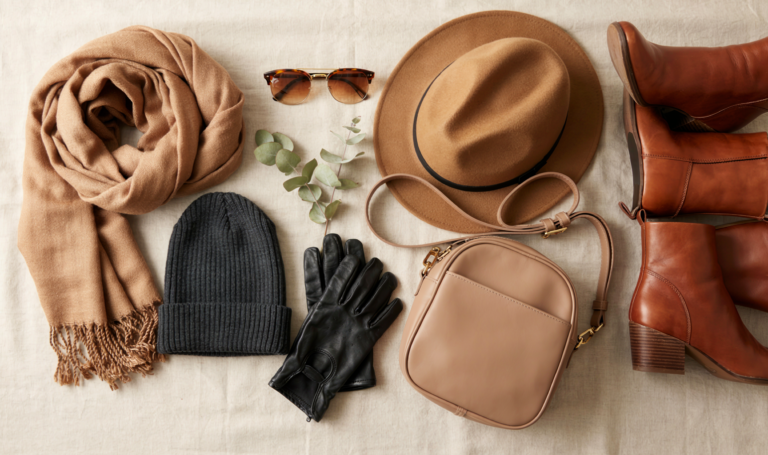
A soft hat is one of those details that elevates a comfortable outfit immediately — it makes a wide-leg knit combo look like a fashion choice rather than a comfort choice. A cashmere-blend is soft enough that it won’t irritate scalp sensitivity, and it adds warmth without requiring another layer.
The Layering System: Temperature Regulation Without the Overwhelm
Temperature regulation is one of the most commonly disrupted functions in chronic illness, especially conditions like dysautonomia, lupus, MS, and fibromyalgia. Fall is particularly challenging because the temperature between indoors and outdoors can swing 20 degrees, and your body may not adjust the way it’s supposed to.
The answer is a layering system that’s easy to manage — pieces you can add and remove with minimal effort, that don’t require going to a bathroom to change, that don’t look like you’re peeling off your entire outfit every time a hot flash hits. The goal is three layers maximum, each easy to put on and take off independently.
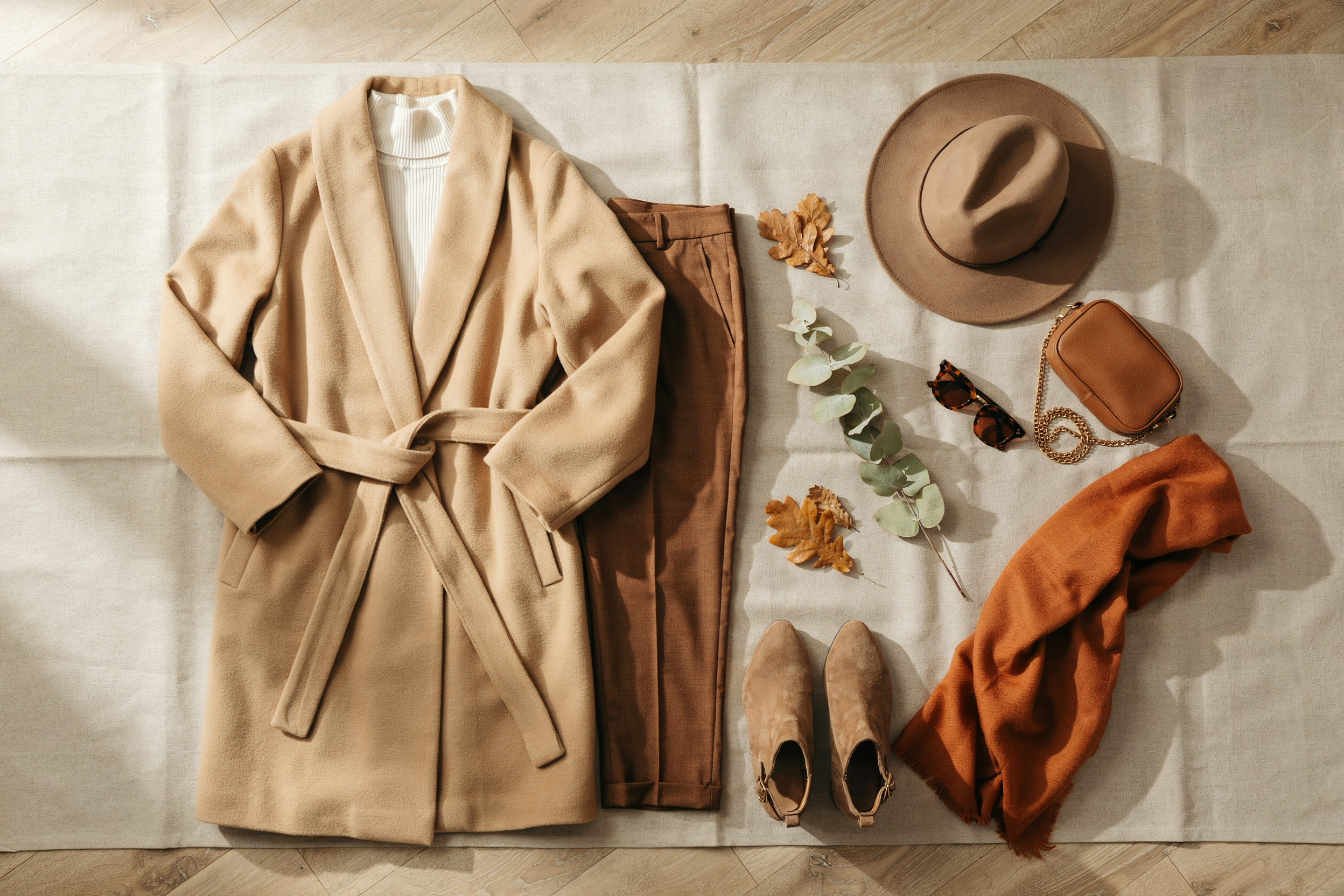
Layer one: your soft base — the modal top, the bamboo thermal, the merino turtleneck. Layer two: the main piece — the chunky knit, the oversized cardigan. Layer three: the outer layer — a wrap coat, a blanket scarf, a quilted vest. Each layer should be able to come off in under ten seconds without assistance and fold into a bag without drama.
Layering Essentials for Temperature Regulation
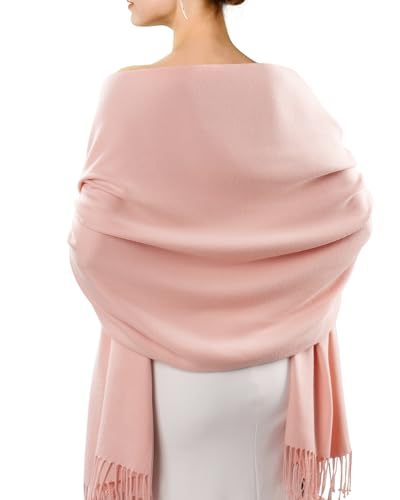
The blanket scarf is the most versatile item in a chronic illness fall wardrobe — it functions as a wrap, a blanket, a lap cover in cold waiting rooms, and an actual scarf. Worn over a sweater, it looks intentionally styled. Pulled over your shoulders on a hard day, it’s pure comfort.
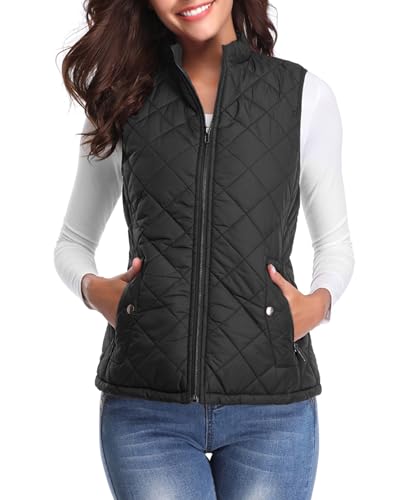
A quilted vest adds core warmth without restricting arm movement or adding sleeve bulk — which matters when your joints are inflamed or your arms ache. It layers over anything, removes easily, and has become a certified fall aesthetic staple. Look for one with snaps or a zip rather than buttons for easier on and off.

A wrap coat ties rather than buttons, which means it goes on and comes off without fine motor demands and can be loosened or tightened based on how your body is feeling that day. A soft wool blend — not scratchy, look for something that feels good against your hand — gives real warmth and looks beautiful over everything.

Cold hands are a chronic illness reality for a lot of conditions — Raynaud’s, poor circulation, inflammation. Fingerless gloves keep your hands warm without eliminating the dexterity you need for your phone, your medication, or your coffee cup. A soft knit in a neutral or fall tone is both functional and quietly stylish.
When Your Outfit Is Together but the Conversation Isn’t
You can walk into a doctor’s appointment looking exactly like yourself — put together, beautiful, dressed in all of this — and still be dismissed. That’s not a wardrobe problem. That’s a communication problem. Say This: 30 Scripts for Chronic Pain Communication gives you the words to make sure what they see never gets in the way of what you need.Get the Scripts →
Building a Wardrobe That Doesn’t Make You Choose
The best thing about a well-built chronic illness fall wardrobe is that eventually, you stop having to think so hard about it. The pieces work together, they flex with your body, and you don’t spend energy every morning negotiating between feeling good and feeling comfortable. Those two things stop being opposites.
That’s the whole philosophy behind how I think about dressing with a chronic condition. Not dressing around it — not hiding it, not accommodating it in ways that make you feel smaller — but dressing with it. Building a closet that understands what your body actually needs and meets it there, beautifully.
Fall is one of the most beautiful seasons to be dressed in. The color palette, the layers, the textures — there’s so much to work with. Your body’s needs don’t have to take you out of it. They just change how you shop for it.
Start with one piece from each section here, see how it integrates with what you already own, and build slowly. You don’t need to overhaul everything. You just need a few things that are fully on your side.
And if you’re navigating medical appointments this fall — which, with fall flares and open enrollment season, many of us are — grab a copy of Say This: 30 Scripts for Chronic Pain Communication. Getting dressed beautifully is one thing. Walking in and being heard is another. You deserve both.