Chronic Illness Couch Day Essentials: Everything You Need When the Sofa Is Where You Live Today
The content on this site was created with the help of AI. LOVEOWE LLC participates in the Amazon Services LLC Associates Program and other affiliate programs. As an Amazon Associate, I earn from qualifying purchases. This means I may earn a small commission—at no extra cost to you—when you make a purchase through links on this site. All opinions are my own. Learn more click here. Thank you for your support!

Comfort is infrastructure. Here’s how to build it.
For a long time I felt guilty about the couch. About what it meant to be there in the middle of a Tuesday, or to still be there at four in the afternoon, or to have spent the better part of a week not making it much further than the kitchen and back. I had absorbed somewhere along the way the idea that the couch was where you ended up when you had failed at the day — and I carried that idea into every hour I spent on it, which meant I was carrying guilt on top of everything else my body was already managing.
The shift happened slowly. It happened through physical therapy appointments where the word “pacing” started to mean something real. It happened through conversations with other people managing chronic illness who talked about their couch days not as defeats but as data — information their bodies were giving them about what was needed. And it happened through a very practical realization: the days I had everything I needed within reach felt materially different from the days I didn’t. Not different in terms of the underlying symptoms, but different in terms of what the day cost me on top of them.
When you’re spending a day on the couch because your body has made that decision for you, there are two versions of that experience available. One is reactive — you end up there unprepared, getting up repeatedly for things you should have had nearby, oscillating between boredom and frustration and the particular low-grade despair of feeling like you’re just waiting for the day to end. The other is intentional — you’ve built a setup that holds you, that keeps what you need within arm’s reach, that makes the sofa feel less like a waiting room and more like a place your body is actually being cared for.
This post is about building the second version. Not because the right lap desk cures anything. But because your environment either supports your body or it doesn’t — and on a couch day, that distinction matters more than almost any other day.
Lap desks and couch tables that make the sofa functional
One of the things that makes couch days harder than they need to be is the absence of a surface. Everything you need — your phone, your water, your medication, your snack, your book — ends up balanced on the cushion beside you or on your chest or on the floor where you have to bend to reach it. Every retrieval costs something. Every spill costs more. And if you’re trying to do any kind of low-energy work — answer an email, fill out a form, manage something that can’t wait — doing it hunched over a phone balanced on your knees is its own separate tax on a body that’s already overdrawn.
A good lap desk or couch table solves this in a way that sounds simple but changes the entire texture of a couch day. It gives you a stable surface at the right height. It keeps your neck in a position that doesn’t compound whatever else is happening. It holds your device so you don’t have to. And it creates a small sense of order in a day that can otherwise feel formless — which matters more than it sounds when you’re trying to rest without disappearing into the experience of being unwell.
The difference between a lap desk that works and one that doesn’t is mostly about weight, stability, and ventilation. Heavy ones are tiring to reposition. Unstable ones are anxiety-inducing when you have a drink on them. Ones without ventilation overheat your laptop and your legs simultaneously. The options below get all three right.
Lap desks and couch tables for couch days

The LapGear lap desk is one of the most consistently recommended options in this category for good reason — it’s lightweight enough to reposition without effort, has a built-in device ledge that holds a phone or tablet upright at a readable angle, and comes in enough sizes to accommodate both small tasks and a full laptop setup. The cushioned underside distributes weight across your lap without creating pressure points, which matters on days when your legs are already tender.

A clip-on tray that attaches to the sofa arm gives you a stable side surface without anything on your lap at all — which is the better option on days when lap pressure is uncomfortable or when you want to lie on your side and still have a surface within reach. Look for one with a lip around the edge to keep items from sliding, and a clamp mechanism that doesn’t require significant hand strength to attach.

An adjustable overbed table on wheels is the most versatile surface option for couch days — it positions at any height, swings over your lap or to the side, and rolls to wherever you’ve settled without requiring you to carry anything. Originally designed for hospital use, these have crossed over into home chronic illness management for exactly this reason: they work for the body you actually have on a hard day, not the body that can easily reach things.

A gooseneck holder that clamps to a couch arm or side table holds your phone or tablet at eye level without requiring you to hold it — which matters significantly when arm fatigue, shoulder pain, or hand weakness is part of the day’s presentation. Look for a neck that holds its position without drooping under the weight of a tablet, and a clamp that opens wide enough for your furniture without scratching the finish.
Blankets and body support that hold you in place
There is a meaningful difference between lying on a couch and being held by one. The difference is usually what’s around you — what’s supporting your lower back, what’s under your knees, what’s covering you with enough weight to feel like something rather than nothing. A flat couch cushion and a thin throw is survivable. An intentionally built nest of the right support pieces is something else entirely.
Body support on a couch day is about managing the positions your body needs to be in for extended periods without creating new pain in the process. Most sofas are not designed for hours of horizontal use — they’re designed for sitting upright, which is a problem on days when upright isn’t comfortable or available. Pillows and supports that fill the gaps — the lumbar curve, the space under the knees, the spot behind the neck — make it possible to rest in a position that your body can actually sustain.
Weighted blankets deserve their own mention here. The deep pressure stimulation of a weighted blanket is one of the most consistently reported tools for nervous system regulation in the chronic illness community — it signals safety to a body that is currently in distress, reduces the hypervigilance that often accompanies pain, and creates a contained, grounded feeling that lighter blankets don’t replicate. On a couch day, that signal matters.
Blankets and body support for couch days

The standard recommendation for weighted blanket selection is approximately 10% of your body weight, but for chronic illness use the priority is finding a weight that feels grounding without feeling constricting — which varies significantly by person and symptom presentation. A 15 lb blanket is a useful middle-ground starting point. Look for a cooling option if temperature dysregulation is part of your picture, or a plush minky cover if your skin runs cold and needs warmth alongside the pressure.
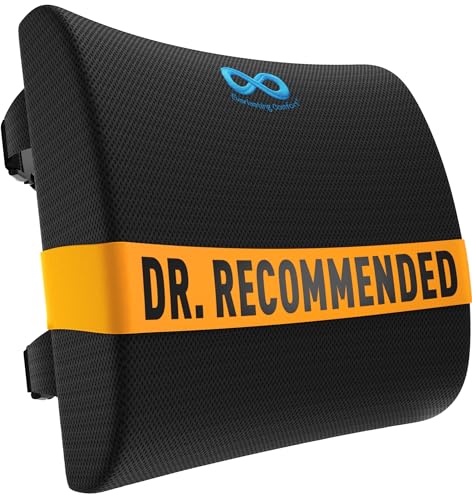
A lumbar support pillow that maintains the natural curve of the lower spine prevents the hours-long slouch that turns a couch day into a couch day plus a back problem. Look for a memory foam option with an adjustable strap that keeps it in position as you shift — because you will shift, repeatedly, and a pillow that migrates every time you move is more frustrating than no pillow at all.

For side-lying rest on the couch — which is often the most comfortable position for abdominal pain, hip pain, or days when your back can’t tolerate any position for long — a knee pillow placed between the knees reduces the hip rotation and spinal torque that accumulates over hours and results in a different pain than the one you started with. Memory foam holds the position; contoured shapes fit the knee joint better than flat pillows.

A second, lighter blanket alongside a weighted one gives you layering options as your temperature shifts throughout the day — which it will, because temperature dysregulation is one of the most consistent features of a chronic illness couch day. An oversized muslin throw covers enough surface area to wrap around rather than just lie flat, which is more useful when you’re changing positions every hour and need the blanket to move with you.
Couch days often come with conversations you weren’t planning to have — someone asking why you’re not at work, a family member who doesn’t understand why yesterday was different from today, a care provider you need to update about how your week actually went. Say This: 30 Scripts for Chronic Pain Communication gives you the exact words for those moments: how to explain a couch day without performing your illness, how to ask for what you need from the people around you, and how to talk to your doctor about the days that don’t make it into the appointment summary. Get your copy here →
Snacks, reach-everything organizing, and staying nourished without getting up
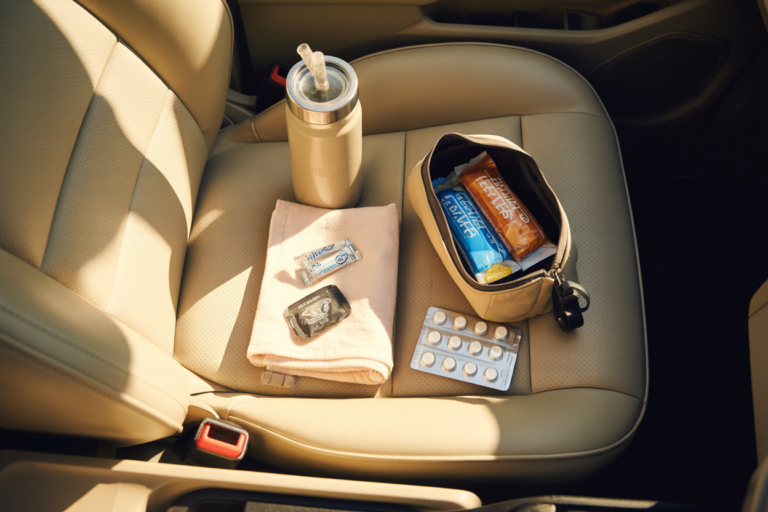
Nutrition on a couch day is a logistics problem. Your body needs fuel — arguably more than usual, because managing pain and illness is metabolically demanding even when you’re not moving — but the capacity to prepare anything is exactly what isn’t available. The solution is not willpower or planning better in advance in some abstract sense. The solution is having the right things already within reach before the couch day begins.
This means two things practically. First, a small organizing system that keeps shelf-stable snacks, medications, a water bottle, and whatever else you need in one accessible place near where you rest — a rolling cart, a basket, a caddy, something that doesn’t require you to get up every time you need something. Second, snack and hydration choices that are nutritionally substantive enough to actually sustain you, don’t require preparation or refrigeration, and are packaged in a way you can manage with limited hand strength or dexterity.
The goal is not a gourmet couch day. It’s a couch day where you don’t end up more depleted at the end of it than you needed to be because you couldn’t get to the kitchen and ran on nothing for six hours. That happens more than people talk about, and it’s entirely preventable with a small amount of setup.
Snacks, organizers, and hydration for couch days

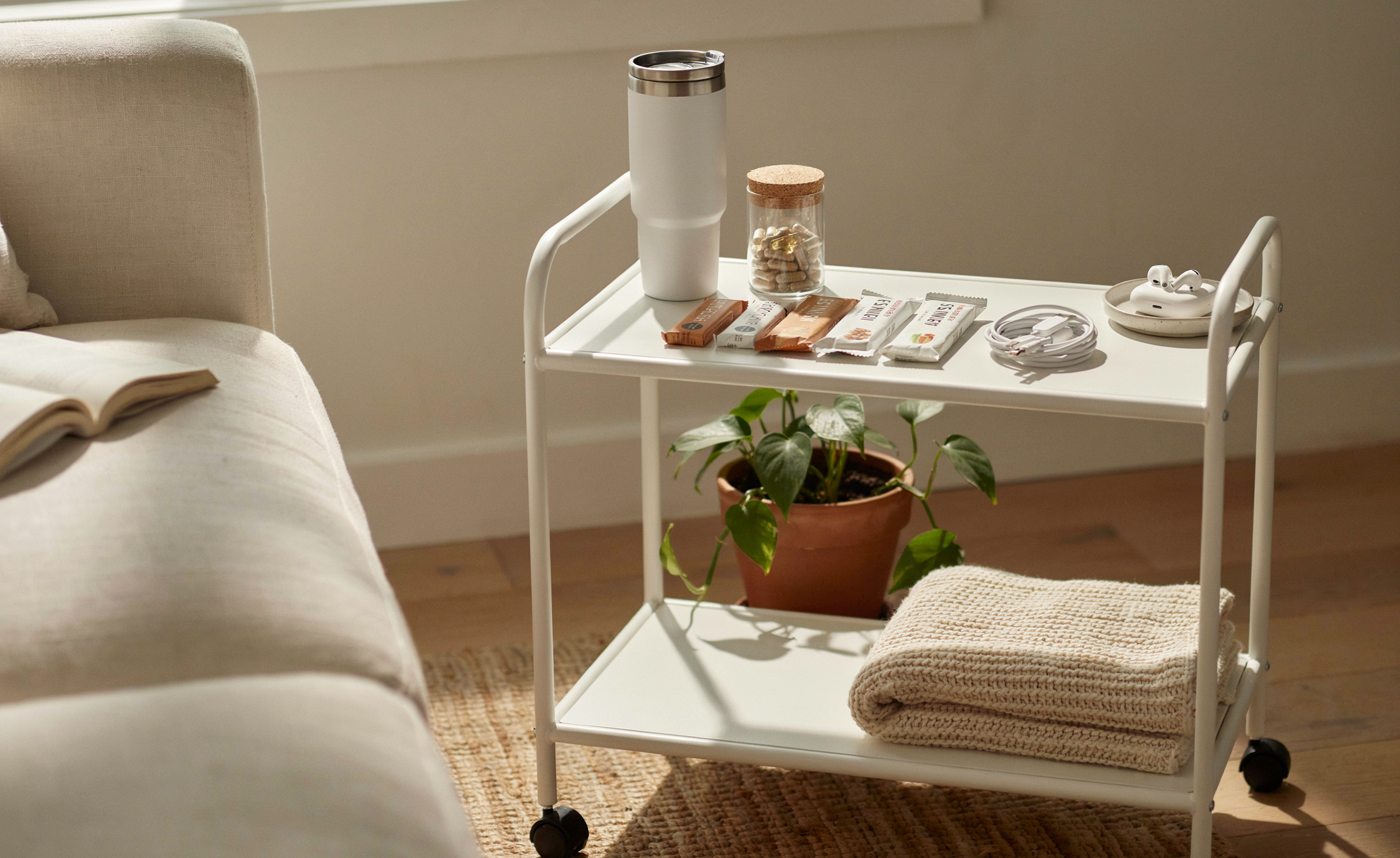
A narrow rolling cart positioned beside the sofa holds everything you need for a full couch day — snacks on one tier, medications and supplements on another, phone charger and remote and whatever else on the third — and rolls with you if you move to a different room. The open-shelf design means you can see everything without digging, which matters when brain fog is part of the day and decision-making bandwidth is low.

A large insulated tumbler means fewer refills — which means fewer times you have to get up — and keeps your drink at the right temperature for hours without ice melt diluting it or warmth fading. A handle makes it easier to carry back from the kitchen on a grip-limited day, and a straw lid means drinking while lying down or reclined without spillage. Forty ounces is the right size for a full couch day without being so large it’s unwieldy.

A curated snack box that includes a mix of protein, fat, and complex carbohydrate options gives you nutritional range without requiring any one snack to do everything. Individual packaging matters here — it means you can take one thing at a time without committing to an open container that needs to be resealed. Look for options with easy-open packaging, no requirement for refrigeration, and enough caloric density to actually sustain rather than just snack.
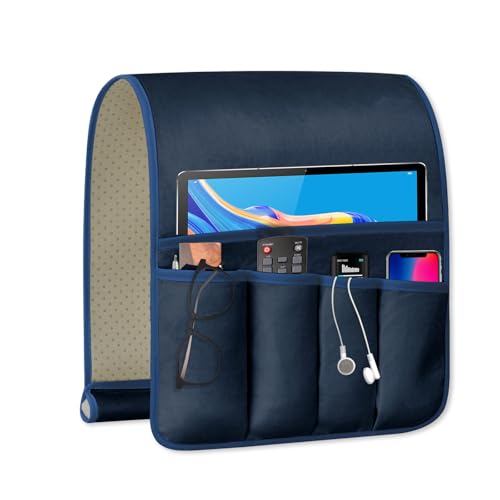
A sofa caddy that slides between the cushion and the arm keeps your most-reached-for items — remote, phone, lip balm, small snacks, anything you pick up more than twice an hour — immediately accessible without a surface. The cup holder feature keeps your drink upright even when you’re not watching it, which is more useful than it sounds when you’re shifting positions frequently and attention is split between pain management and whatever you’re watching.
Rest, entertainment, and the art of doing nothing well
There are two kinds of couch days. The kind where you’re resting — actually resting, letting your nervous system downregulate, letting your body do what it’s trying to do — and the kind where you’re stuck on the couch, scrolling through guilt and comparison and the mental list of everything you’re not doing. The setup can’t entirely determine which kind of day you’re having. But it can make the first kind significantly more accessible.
What supports actual rest on a couch day is different from what fills time on a regular day. Screens are often too stimulating — social media especially, which surfaces comparison and obligation at exactly the moment you have no capacity for either. Long-form content that requires sustained attention can feel like work when your brain is already managing pain signals. What tends to work is audio you can follow with your eyes closed, low-stakes visual content that doesn’t demand plot-following, and options that give your mind something gentle to rest on without revving it up.
There’s also something to be said for intentional do-nothing time — time with no content at all, just warmth and quiet and the deliberate decision to let the day be what it is. That’s harder than it sounds when you’ve spent years treating rest as something you earn rather than something you’re allowed. But it’s one of the most genuinely healing things available on a couch day, and the right environment makes it possible.
Rest and entertainment for couch days

A soft headband with flat built-in speakers lets you listen to audiobooks, podcasts, sleep meditations, or ambient sound while lying on your side — something standard earbuds and over-ear headphones make painful or impossible. The speakers sit flat against the ear inside a comfortable fabric band, so there’s no pressure on the ear canal when your head is on a pillow. For a couch day where audio is your primary company, this is one of the most meaningful comfort upgrades available.
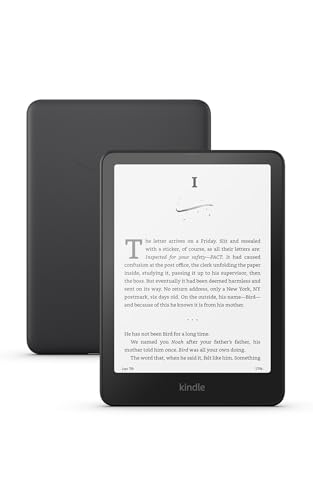
The e-ink screen on a Kindle doesn’t emit the blue light that phone and tablet screens do — which makes it significantly easier on eyes that are sensitive from pain, medication, or the particular visual fatigue that accumulates on hard days. It’s lighter than a physical book, holds more titles than you can read in a month of couch days, and the warm light setting works without needing overhead lighting when bright light is aggravating symptoms. If reading is part of how you rest, this belongs in your couch day setup.
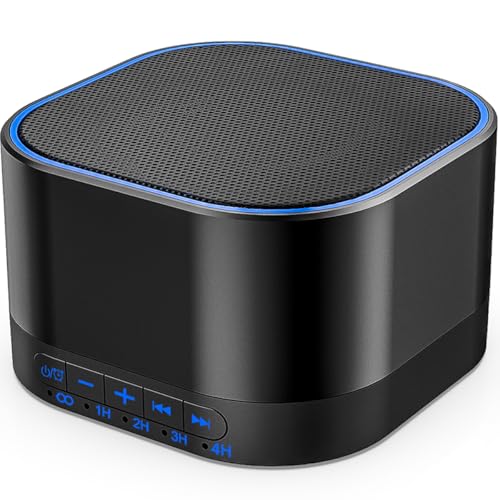
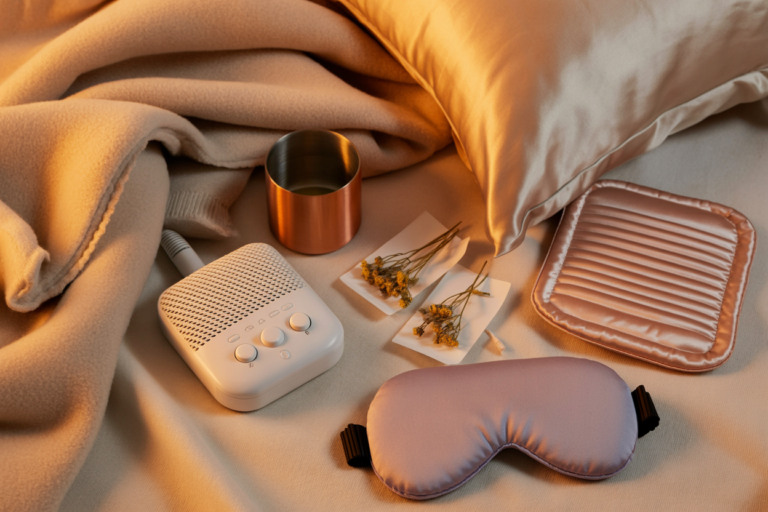
Ambient sound — white noise, brown noise, rain, nature sounds — creates an audio environment that’s low enough stimulation to allow genuine rest but present enough to occupy the part of the brain that would otherwise be generating anxious thought loops. A dedicated sound machine produces better quality and more consistent sound than a phone app, and doesn’t drain your phone battery or interrupt when a notification comes in. For couch days that tip toward anxious rather than restful, this is one of the most effective interventions in the category.

Coloring occupies the hands and a specific kind of focused-but-low-stakes attention that is genuinely restful for a brain managing pain — it’s present without being demanding, creative without requiring output, and completely interruptible when you need to stop. The physical act of holding a pencil and making a small, controlled mark is also grounding in a way that screen-based activities aren’t. Keep a book and a set of pencils in your couch day kit for the hours when screens feel like too much and silence feels like too little.
The couch is not where you failed. It’s where you landed.
There’s a version of a couch day that feels like exile — like you’ve been removed from your life and are watching it continue without you from a horizontal position. That version is real, and it’s hard, and no amount of the right lap desk makes it not hard. But there’s another version available alongside it, not instead of it: a couch day as a place you’ve prepared, a space your body can actually be held in, a day that costs what it costs without costing extra because you weren’t ready for it.
The setup matters. Not because it fixes the underlying reason you’re on the couch — nothing in this post does that. But because when your environment is working for you instead of against you, the day has a different quality. You’re not spending energy you don’t have retrieving things you should have had nearby. You’re not adding physical discomfort to existing pain because your support situation wasn’t set up for extended rest. You’re not ending the day more depleted than you needed to be.
You landed on the couch because your body needed you there. The least you can do — the most loving thing, actually — is make it a place worth landing.
If couch days come with conversations you dread — explaining to someone why today is different, asking for help without over-justifying yourself, or figuring out how to tell your care team how many of these days you’re actually having — Say This: 30 Scripts for Chronic Pain Communication was written for exactly this. Thirty ready-to-use scripts for the moments when you know what you need to communicate but the words feel impossible. Written for people who deserve to be heard without having to perform their illness to be believed. Get your copy here →