Summer Outfits for Chronic Illness: What to Wear When Heat Makes Everything Harder
The content on this site was created with the help of AI. LOVEOWE LLC participates in the Amazon Services LLC Associates Program and other affiliate programs. As an Amazon Associate, I earn from qualifying purchases. This means I may earn a small commission—at no extra cost to you—when you make a purchase through links on this site. All opinions are my own. Learn more click here. Thank you for your support!
Every summer I think it’ll be different. That I’ll have figured out, by some combination of better planning and hopeful thinking, how to dress myself comfortably through the heat without it costing me something.
It never quite works that way. The heat is its own variable. Chronic illness brings its own variables. And the intersection of the two — heat intolerance, inflammation that flares in humidity, sensory sensitivity that gets louder when the body is already working to regulate temperature, the particular cruelty of a waistband on a bloated abdomen when it’s ninety degrees outside — creates a wardrobe challenge that most fashion content doesn’t address, because most fashion content is not written for this body or this experience.
I’ve spent years learning what actually works. Not what looks good on a mood board or in a photo, but what I can put on at eight in the morning on a medium-bad day in July and still be wearing comfortably at four in the afternoon. What I can get into without a full negotiation with my joints. What doesn’t make the heat worse or my symptoms louder. What still makes me feel like myself.
This is that guide. The fabrics. The silhouettes. The outfit formulas that hold up across the whole range of summer days. The footwear that works for a body managing pain. The small details that make the difference between an outfit that depletes you and one that doesn’t.
You deserve to get dressed this summer and feel good in it. Let’s make that easier.
The fabrics that actually work — and the ones to avoid
Fabric is everything in a chronic illness summer wardrobe. It is the conversation your clothes have with your skin all day long, and when your body is already managing heat regulation, sensory sensitivity, and inflammation, that conversation either helps or actively makes things worse. This is where chronic illness wardrobe building starts — not with silhouettes or colors, but with the specific materials that will carry you through a summer day without becoming the problem.
Linen. Linen is the undisputed summer fabric for chronic illness, and the reasons are specific. It breathes better than almost any other material — the loose weave allows air circulation that traps significantly less heat against the skin than tightly woven fabrics. It wicks moisture and dries quickly, which matters when sweating is part of the temperature regulation equation. It softens with every wash, which means a linen piece bought this summer will be even more comfortable next summer. And washed linen — the pre-washed, slightly rumpled variety — has a quality of ease and effortlessness that actually improves with wear rather than looking worse for it. The one consideration: linen can feel slightly coarse to start for people with extreme tactile sensitivity. Look specifically for washed linen or stonewashed linen, which has already been through the softening process.
Bamboo fabric. Bamboo is the fabric that people with chronic illness discover and then can’t stop talking about. It is naturally temperature-regulating — genuinely so, not as a marketing claim — because the bamboo fiber has a micro-gap structure that traps cool air in warm conditions and warm air in cold ones. It is extraordinarily soft, even softer than most cottons, with a slight sheen that makes simple pieces look more elevated than they are. And it is naturally antimicrobial, which matters in summer when heat and moisture create conditions that cotton struggles with. Bamboo loungewear sets, bamboo t-shirts, bamboo midi dresses — these are the pieces that make the hardest summer days livable.
TENCEL (Lyocell). TENCEL is a wood pulp fiber that feels smooth and cool to the touch, breathes exceptionally well, and drapes beautifully in loose silhouettes. It holds color without fading and is consistently gentle for tactile sensitivity. TENCEL in a loose cut is one of the most comfortable summer fabrics available — and one of the most underused in mainstream fashion content.
Modal. Modal has a silky hand feel and excellent moisture-wicking properties — lighter than cotton, consistently gentle for heightened tactile sensitivity, and shape-retaining through washing and wearing. Modal tank tops, basics, and jersey pieces are the backbone of a low-energy summer wardrobe because they require no thought and feel genuinely comfortable through a full day.
What to minimize: Polyester and synthetic blends trap heat and moisture against the skin and can become genuinely unpleasant in high temperatures for anyone with heat sensitivity. Denim in any weight heavier than lightweight stretch denim creates heat buildup and has no flexibility for inflammation days. Thick seams and internal structural elements — underwires, boning, tight waistbands with no give — create pressure points that become more uncomfortable as the day heats up. Fabrics that require ironing to look presentable add cognitive load to a morning that already has enough.
The right summer fabric doesn’t just feel good in the dressing room. It still feels good eight hours later, in the heat, on a medium-bad day. That’s the test that matters.
Summer fabrics worth building your wardrobe around

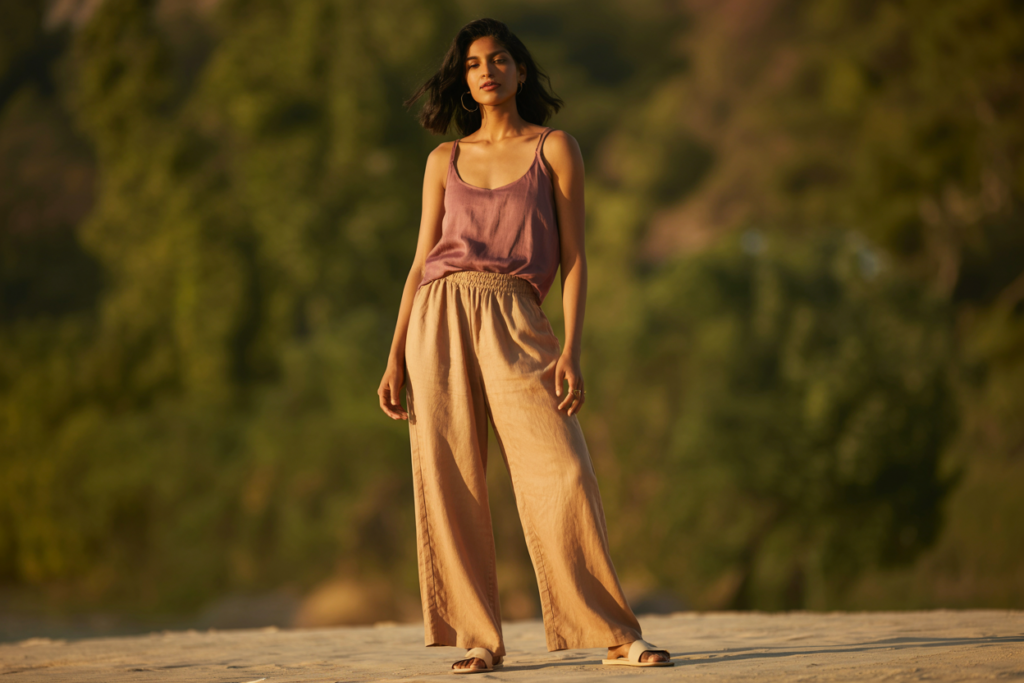
Wide-leg linen pants with an elastic waistband are the single most versatile piece in a chronic illness summer wardrobe. They dress up for appointments, down for rest days, and feel like wearing nothing on the worst heat days. Washed linen specifically — the pre-softened variety — is the version that works for sensory sensitivity. Look for an elastic waist with no rigid waistband elements and a loose enough leg that airflow is unimpeded.

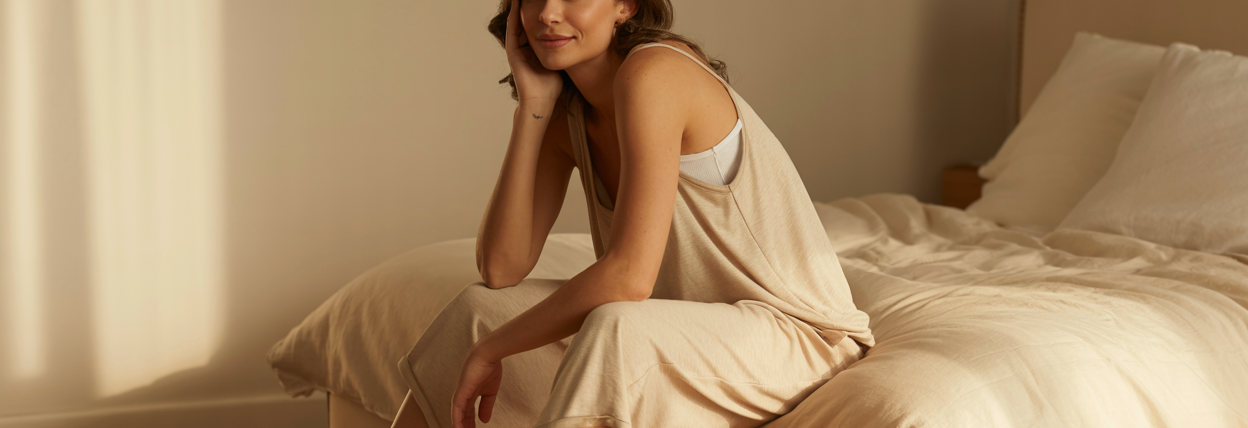
A matching bamboo set — top and bottom in the same fabric — is the piece that works as both a home outfit and an errands outfit without requiring a change. The temperature-regulating quality of bamboo fabric becomes immediately apparent on a hot day. Look for sets in soft neutrals — oatmeal, dusty rose, sage, warm white — that photograph well and feel seasonally right.

A TENCEL or modal midi dress is a single-piece summer outfit that requires no coordination, no fitting together of separates, and no thought on the mornings when thinking is the hardest part. A smock style or tiered skirt provides ease over bloated or inflamed midsections. A side-button or wrap closure makes dressing easier on days when overhead pulling is difficult.

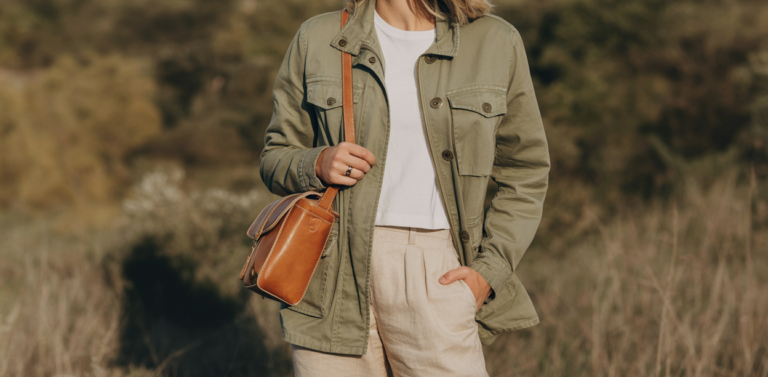
An oversized linen button-down worn open over a bamboo set or tied loosely at the waist over a slip dress is the layering piece that does more work per garment than almost anything else in a summer wardrobe. It protects arms from sun without creating heat, adds an outfit layer without adding effort, and works from indoors to outdoors without transition. Get one in a neutral — cream, sand, pale blue, soft white — and reach for it constantly.
Outfit formulas for every kind of summer day
The most useful thing a chronic illness summer wardrobe can do is eliminate decisions — not by limiting what you own, but by building around formulas so reliable that getting dressed becomes choosing which version of a working outfit you want today. These formulas are organized by the type of day rather than the occasion, because chronic illness dressing is organized by energy and symptoms first and social context second.
The nothing-left day. One piece only. A bamboo or modal midi dress in a soft color with an elastic waistline — no structure, no thought required. Slip-on footwear. Done. If you want to add anything, add a hair clip and a tinted lip balm. If you don’t, don’t. The bamboo dress alone is the answer to the mornings when getting dressed is the whole accomplishment.
The medium day — at home or low-key errand. Matching bamboo or linen set: loose top and wide-leg or straight-leg pants in the same fabric. Slides or slip-on sneakers. A hair tie or clip. Optional: a light cardigan or linen shirt worn open if you’re going to an air-conditioned space. This outfit reads as intentional rather than comfortable-by-default, photographs well, and can be worn horizontally for rest or upright for errands without needing to change.
The appointment or presentable day. Wide-leg linen pants with a soft modal or bamboo top tucked loosely in. The linen button-down open over the top if additional coverage is needed. Sandals with cushioned footbeds or a comfortable flat. Simple jewelry if energy allows — stud earrings or a thin necklace that goes on once and stays. This outfit looks completely put together and costs very little physically to assemble because every piece is soft, requires no tucking in under tension, and has no elements that need adjustment throughout the day.
The outdoor summer day. A loose linen or cotton dress, longer rather than shorter for sun protection on the legs. An oversized linen button-down or kaftan to layer on and off as needed. A wide-brim hat. Sandals or comfortable sneakers. A cooling towel in the bag. This formula works for a slow walk, a farmer’s market, a lunch outside, a visit to someone’s backyard. It also works if you end up spending most of the day sitting in the shade, which is fine.
The genuinely difficult summer day. Your softest bamboo shorts and a loose tank. Slides so you can leave if you need to or rest if you can’t. The line between a rest outfit and an outfit disappears when the fabric is right — and on the hardest days, that disappearance is the most useful thing your wardrobe can do.
The pieces that anchor every formula

A linen shorts set in a solid neutral is the summer equivalent of the matching bamboo set — one decision, complete outfit, works both indoors and out. High-waist shorts with an elastic waistband provide the midsection coverage and comfort that low-rise styles don’t. Look for a loose, relaxed fit rather than a tailored one — on the body, not just the hanger.

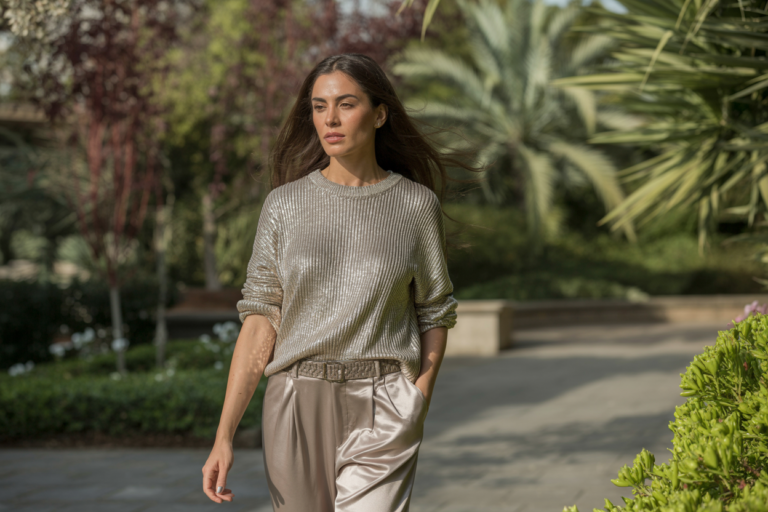
A slip dress in TENCEL or a satin-finish fabric is the elevated version of the one-piece formula — it looks like more effort than it is, photographs beautifully, and works for everything from a summer appointment to a quiet afternoon at home. The slip silhouette has no structure to fight against on hard days and layers beautifully under a linen shirt when air conditioning is involved.

A cotton gauze maxi dress — lightweight, slightly sheer, with a loose silhouette — is the outdoor summer formula in a single piece. It provides full leg coverage for sun protection without trapping heat, moves beautifully in a breeze, and has the visual quality of something effortlessly summer. Look for ones with pockets, adjustable straps, and a skirt full enough to not restrict movement.

The foundation layer of any chronic illness summer outfit. A wire-free bamboo bralette with enough support for daily wear removes the underwire negotiation from every single morning. In bamboo fabric, it stays cool rather than creating heat at the band and doesn’t create the pressure point that underwires do when worn for long periods on inflamed or sensitive days.
Summer footwear for a body that needs more from its shoes
Footwear is where a lot of chronic illness summer wardrobes break down. The sandals that are beautiful on Instagram create pressure points after an hour. Flip-flops leave you paying for them the next day. And the answer isn’t just any flat shoe — flat shoes without adequate support can be as much of a problem as an unsupportive heel. The brief is specific: something that slips on without fine motor precision, has enough support to carry you through hours of use without compounding joint or nerve pain, and still looks like a choice rather than a medical accommodation.
Cushioned footbed sandals. The gold standard of chronic illness summer footwear. Birkenstock-style molded footbeds or similar — brands like Vionic, Naot, and Alegria make versions with the same molded arch support in more varied aesthetic options — provide genuine biomechanical support rather than just cushioning. A molded footbed that contours to the arch and supports the heel distributes weight across the foot differently than a flat sole, and that difference compounds over hours of standing and walking. Look for adjustable straps rather than a single fixed band — adjustability accommodates swelling and inflammation fluctuation.
Slides with cushioning. A quality slide — not a thin rubber flip-flop, but a slide with a real sole and substantial footbed — can be slipped on one-handed without bending over significantly, which matters on mornings when bending is difficult. Platform slides add height and visual interest while keeping the foot on a cushioned, even surface rather than the thin sole that makes low platforms uncomfortable over time. Look for a footbed that covers the full length of the foot and a strap wide enough to hold the foot in place during walking without creating a narrow pressure point.
Slip-on sneakers with arch support. For the days that will involve more walking than anticipated, or for the errand run that takes twice as long as expected, a slip-on sneaker that provides real support is the safety net of a summer wardrobe. Without laces to tie, without a back to step on, slip-on sneakers work on the mornings when fine motor function is limited. With a molded insole and a thick, supportive midsole, they carry you through the unexpected hours without the cost that unsupportive footwear extracts.
A note on insoles. Almost any summer sandal or slip-on becomes significantly better with a quality aftermarket insole. Full-length insoles provide arch support and heel cushioning that most fashion footwear doesn’t include. A twenty-dollar insole can make a thirty-dollar sandal more comfortable than a two-hundred-dollar one without it.
Summer footwear that works for a body managing pain

Look for a contoured footbed with visible arch support — not just a flat cushioned sole — and at least two adjustable straps for different points of the foot. Brands with a strong chronic illness following in this category use EVA foam or cork-based footbeds that mold slightly to the individual foot over time, providing better support with more use rather than breaking down.

A platform slide in neutral leather, raffia, or woven fabric elevates the look while keeping the foot on a stable, level surface. The platform sole distributes weight more evenly than a thin flat. For anyone with plantar fasciitis, heel pain, or neuropathy, the combination of platform height and cushioned footbed is significantly more comfortable than a flat-soled sandal of any kind.

The summer sneaker for the days when more walking happens than planned. A slip-on with an elastic or stretchy upper requires no laces, no bending, and no fine motor precision — just step in. Memory foam or molded EVA insoles provide cushioning that standard sneaker insoles don’t. Look for a wide toe box if foot swelling is part of your experience.

A thin-profile full-length insole that fits into sandals, slides, and casual footwear — not just sneakers — extends the support and comfort of almost any summer shoe significantly. Look for ones specifically designed for low or medium arch support rather than high arch insoles, which can be uncomfortable if your arch doesn’t match. Trim-to-fit versions accommodate different shoe sizes from one pair of insoles.
Summer accessories: the practical and the finishing touches
Accessories in a chronic illness summer wardrobe complete the outfit aesthetically and do real functional work simultaneously. The best ones do both without calling attention to the functional purpose — they read as a style choice and operate as a health tool.
A wide-brim hat that stays on. A hat that keeps flying off in a breeze requires constant management, which is energy the hat is supposed to be saving. Look for a deep-crowned wide-brim hat — raffia, straw, or packable fabric — with either a chin strap or a crown circumference snug enough to stay in place without constant hand-holding. Four inches of brim width provides meaningful shade for the face and back of the neck. This is the summer accessory that photographers reach for and chronic illness bodies rely on — it’s both of those things at once.
A cooling bandana or scarf. A lightweight bandana soaked in cold water and tied around the wrist or neck provides sustained cooling in a less conspicuous format than a full cooling towel — useful for situations where you want the cooling effect without the visibility of the towel. A silk or satin bandana worn as a headband or neck scarf on a cooler day doubles as a genuine outfit accessory. The crossover between functional and beautiful is widest here.
A lightweight tote that holds everything. Summer with chronic illness requires carrying more: medications, electrolytes, a cooling towel, sunscreen, a snack for blood sugar management, a phone, your wallet, and whatever else that day requires. A large lightweight tote — woven cotton, canvas, or soft leather — that has at least one interior pocket for the items that can’t get lost at the bottom holds all of it without adding significant weight. The bag itself should be light enough that carrying it doesn’t become the physical cost of the outing.
Minimal jewelry that goes on once and stays. Stud earrings or small hoops. A simple chain necklace. One ring if rings are comfortable. On hard days, jewelry that requires fine motor precision to put on or take off is a tax on a morning that already has enough. The most beautiful summer jewelry lives on your body for the season — on in May, off in September, never thought about in between.
Accessories that complete the outfit and do real work
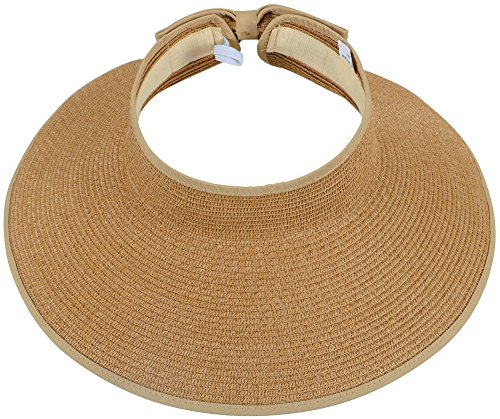
Look for a brim width of at least four inches, a crown that fits snugly rather than sitting loosely, and a packable option if you don’t always have it on your head when you leave home. A chin cord adds security for breezy outdoor situations. The visual impact of a good sun hat on a summer outfit is significant — it reads as the most intentional thing in the look.
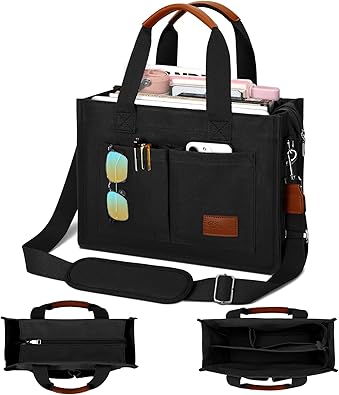
Large enough to hold everything a summer chronic illness day requires, light enough that the bag itself doesn’t become the problem. An interior zipper pocket for medications and valuables, a water-resistant lining or base for anything that might leak, and a shoulder strap long enough to wear comfortably across the body as well as on the shoulder. Natural straw, woven cotton, or soft canvas in cream or natural tan photographs most beautifully and wears the most easily across a full summer.

A set of silk or satin bandanas in dusty rose, cream, and sage gives you three accessories that function as cooling tools (soaked in cold water, worn at the wrist or neck), hair accessories, and outfit finishing details simultaneously. The crossover between functional and beautiful is complete in a silk bandana — it is both things at once, which is exactly what a chronic illness wardrobe needs.
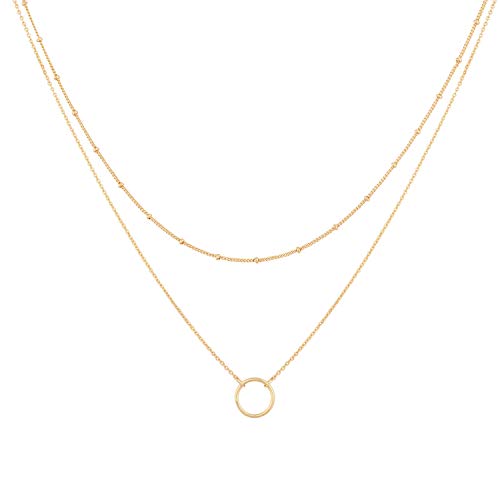
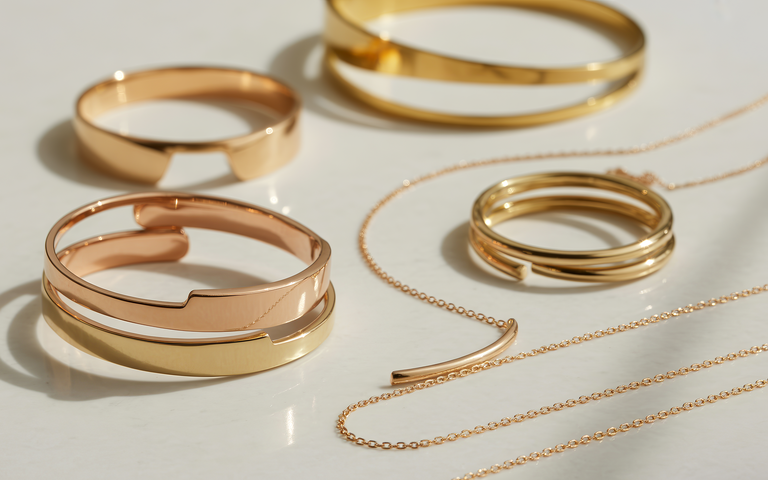
A set of lightweight layering necklaces that stay on through summer — through swimming, showering, sleeping — because they’re delicate enough not to bother you and sturdy enough not to tangle or break. The gold tone works with every summer colorway. Put them on in May, wear them all summer, take them off when the season ends. Zero daily decision-making. Maximum consistent effect.
Getting dressed well on the hard days is one form of self-advocacy. Showing up for yourself in the medical spaces that shape how you feel through every season is another. If you’re working on that second piece, Say This: 30 Scripts for Chronic Pain Communication gives you the language for 30 real situations — the appointments, the conversations, the moments when you need the right words and can’t find them. Get your copy of SAY THIS here
Dress for the day you actually have
The most useful reframe I’ve found for chronic illness dressing — in summer or any season — is this: the goal is not to dress for the day you hoped to have. It’s to dress for the day you actually have, in a way that still feels like you.
That means a wardrobe where every piece is already soft enough, already breathable enough, already adaptable enough that the good day and the hard day and the medium day all have an answer. Where getting dressed costs as little as possible, because the day has other costs you’re already managing. Where you can look in the mirror on a Tuesday in July and see something that looks like a person who chose what they’re wearing, not a person who put on whatever required the least negotiation.
Build toward that wardrobe this summer. One linen piece at a time, one bamboo set at a time, one pair of shoes that doesn’t cost you anything to wear. It adds up into something that makes the whole season softer — which is exactly what you deserve.