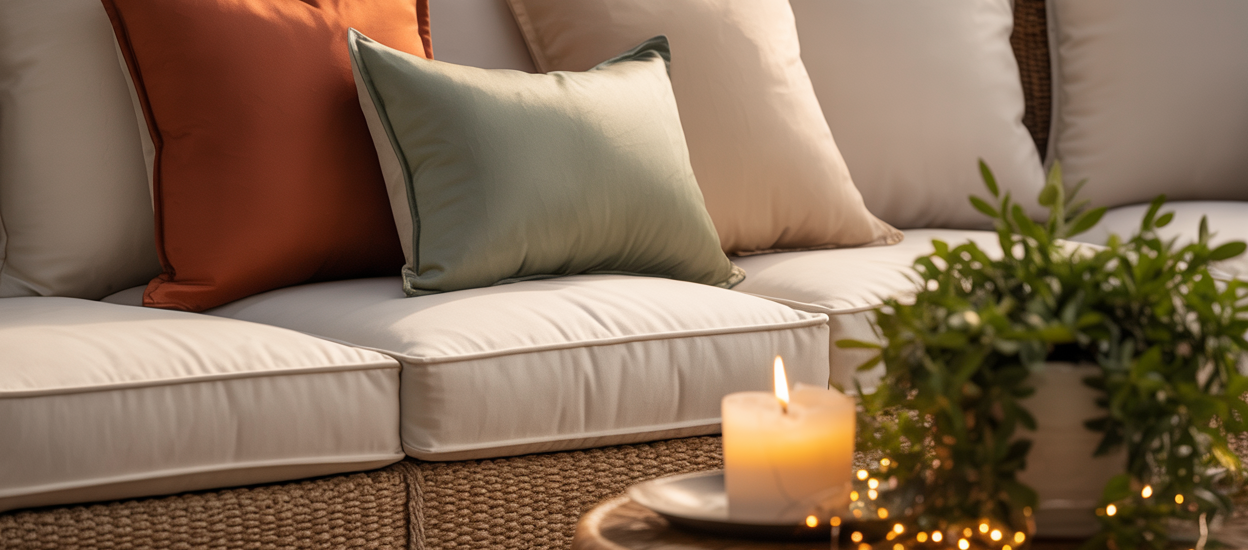
Summer Patio Refresh: 10 Affordable Updates That Make Outdoor Living Feel Like a Retreat
The content on this site was created with the help of AI. LOVEOWE LLC participates in the Amazon Services LLC Associates Program and other affiliate programs. As an Amazon Associate, I earn from qualifying purchases. This means I may earn a small commission—at no extra cost to you—when you make a purchase through links on this site. All opinions are my own. Learn more click here. Thank you for your support!
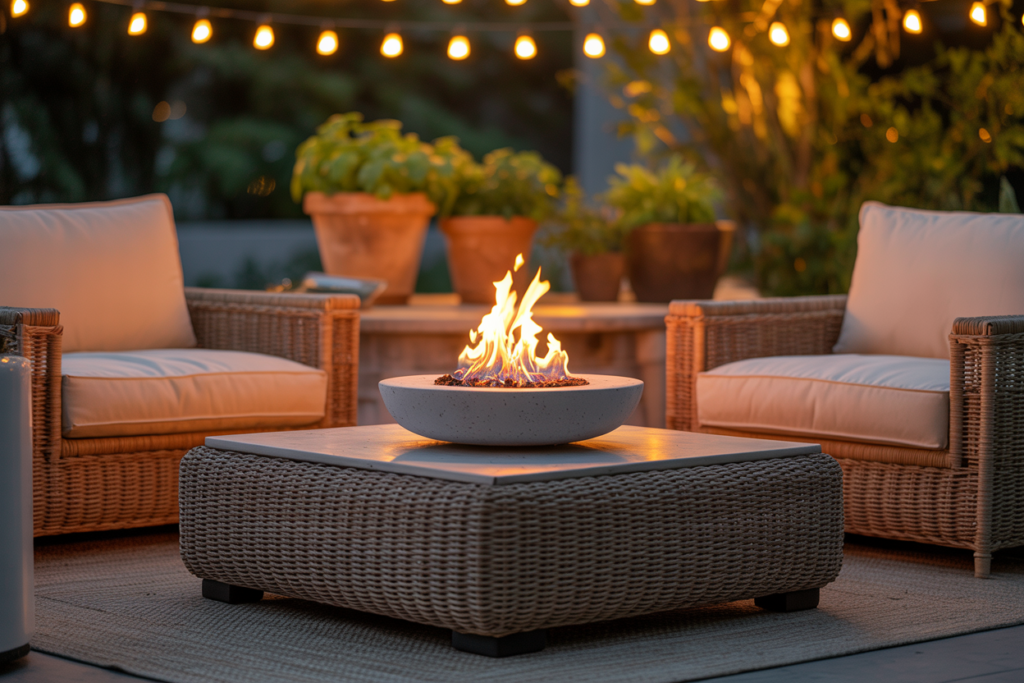
I used to walk past my patio like it was someone else’s responsibility.
It wasn’t ugly. It wasn’t broken. It was just there — a concrete slab with two chairs that didn’t quite match, a planter I’d had good intentions about, and the vague sense that at some point I’d do something with it. Every summer I’d think about it in May and run out of energy for it by June. The space existed but it didn’t feel like mine, and spaces that don’t feel like yours don’t invite you in.
What changed it wasn’t a renovation or a significant budget. It was ten specific things — some under twenty dollars, none requiring power tools or professional help — that collectively transformed a forgotten concrete rectangle into a space I actually wanted to be in. A space that had the quality of somewhere intentional. Somewhere that felt like it had been chosen and arranged with care, which is exactly what it is.
These are the ten updates. They’re organized not by cost but by impact — starting with the ones that change the most and working toward the finishing touches that make a patio feel complete. Most of these can be done in a single afternoon. All of them can be done incrementally, one update at a time, as budget and energy allow.
Your patio deserves to be somewhere you actually go this summer. Let’s make that happen.
The updates that transform — lighting, seating, and the green layer
Update 1: String lights
If there is one single update that transforms an outdoor space more than any other for less money, it is string lights. Not because they’re decorative — though they are — but because they change what the space does at night. A patio without string lights is a space you leave when the sun goes down. A patio with them is a space you stay in. The whole quality of summer evenings outside shifts when the light is warm and overhead and gentle rather than absent.
Warm Edison bulb string lights draped above a seating area — between two posts, along a fence line, across a pergola — create an instant ceiling of amber warmth that transforms even a bare concrete patio into somewhere atmospheric. The critical specification is color temperature: 2700K or lower. Cool white string lights do not produce this effect. Warm amber ones do.

Look for shatterproof bulbs on a weatherproof cord, 2700K color temperature (not “warm white” if the actual Kelvin isn’t specified — verify the number), and spacing of at least 12 inches between bulbs. A 48-foot strand covers most standard patio seating areas generously. Get two if the space is large.
Update 2: Solar lanterns and candles
String lights give you the ceiling. Lanterns at ground level and mid-height give you the layers that make a space feel complete rather than lit-from-above only. A cluster of three to five lanterns — varying heights, varying sizes, all in the same material family — placed at the corners of your seating area, along a pathway, or grouped on a low table creates the layered light quality that makes outdoor spaces feel genuinely warm rather than just illuminated.
Solar lanterns now run reliably for six to eight hours on a full charge — enough for a full summer evening. Look for warm white output and natural material designs: rattan, warm-patina metal, or simple geometric glass. Pillar candles in ceramic holders add the warmest, most flickering layer — real flame creates a quality of presence that LED alternatives don’t fully replicate, though flameless LED candles work beautifully for low-maintenance use.

A set of two or three lanterns in varying heights gives you the layered look without having to source each piece individually. The natural material (rattan, bamboo, or warm-patina metal) matters more than the specific design — it’s what keeps the aesthetic from looking mass-produced.

Grouped on a low table or arranged at staggered heights on a surface, pillar candles in simple ceramic holders add the layer of warmth and movement that makes a patio feel like somewhere special after dark. Flameless LED versions in the same holders provide the same aesthetic without the fire management.
Update 3: Seating that invites you to stay
The furniture on a patio determines whether you sit outside for twenty minutes or for three hours. Uncomfortable seating — thin cushions, unsupportive chairs, seats you can’t relax fully into — is the reason most people don’t actually spend time on their patios even when the weather is perfect. You sit down, you shift, you go inside within half an hour. The furniture is subtly but consistently working against staying.
You don’t need new furniture to fix this. You need better cushions, or a hammock chair, or a floor cushion that turns the hard chair you already have into somewhere genuinely comfortable. The single most cost-effective outdoor seating update is replacing thin standard patio chair cushions with thick, supportive ones — two to four inches of density rather than one. The difference in how long you stay outside is immediate and significant.
If the budget allows for one new seating piece: a hanging egg chair or hammock chair is the addition that makes a patio feel like it belongs to the person who uses it most. The quality of rest available in suspended seating — the gentle sway, the way it holds rather than just supports — is different from any ground-level alternative.

Look for cushions with at least 3 inches of fill density, UV-resistant and water-repellent fabric, and tie-downs that keep them in place on the chair rather than sliding forward. Neutral tones — oatmeal, warm white, soft terracotta, sage — photograph best, layer with patterned throw pillows most easily, and last the longest before showing wear.

A hanging chair that can be mounted to a ceiling beam, porch overhang, or a free-standing frame gives you the most restorative seating available outdoors for the price. Look for cotton or macramé rope rather than synthetic, a spreader bar that keeps the seat open and stable, and a weight capacity appropriate for your needs. This is the single outdoor furniture addition with the highest quality-of-stay return.
The greenery layer: update 4
Update 4: One statement plant and a cluster of pots
A patio without plants is a patio that looks like it’s waiting to become something. Plants are the element that signal a space is lived in and loved — and they do something specific for the quality of being outside that furniture and lighting can’t replicate. Visual contact with growing things reduces cortisol. The sound of leaves in a breeze, the smell of a lavender plant in the afternoon heat, the particular quality of filtered light through a large leafy plant — these are inputs to the nervous system that have documented calming effects and that cost almost nothing once the plant is established.
The formula: one large statement plant as the anchor — bird of paradise, banana plant, large ornamental grass, or an olive tree — and a cluster of three to five smaller pots at varying heights around the seating area. In the smaller pots: herbs that serve double duty — lavender for scent and calm, rosemary for fragrance and culinary use, mint for summer drinks and the intensely satisfying smell when you brush past it. Large terracotta pots in graduated sizes are the most forgiving container choice — they weather beautifully and photograph consistently well with every plant and every aesthetic.

Classic terracotta in three sizes — large, medium, and small — gives you a complete planting cluster without having to source individual pots. The natural clay color works with everything, the material breathes well for plant health, and terracotta looks better the older it gets. Look for pots with drainage holes already included.

A lavender plant placed where you’ll brush past it as you move through the patio releases scent on contact — one of the most effortless aromatherapy tools available. Drought-tolerant, low-maintenance, and beautiful in flower, lavender earns its place in outdoor space specifically created for nervous system rest.

A large dried pampas grass arrangement in a statement terracotta pot is the zero-maintenance statement plant for anyone who wants the visual impact without the watering schedule. The soft, feathered plumes in natural cream or blush photograph beautifully and add the height and movement that a patio corner often needs.
The comfort and textile updates
Update 5: An outdoor rug
An outdoor rug does more for a patio than almost any other single addition below a hundred dollars. It defines the seating zone — creates a visual room within the outdoor space — and transforms bare concrete, stone, or wood into something that reads as intentional living space rather than utilitarian surface. It also adds a layer of softness underfoot that makes walking barefoot on the patio a pleasure rather than an afterthought.
Natural fiber outdoor rugs — jute-look synthetic, flatweave cotton, or natural sisal designed for outdoor use — are the most aesthetically versatile options and the ones that photograph most beautifully. Look specifically for UV-resistant and weather-resistant materials that can stay out through summer rain without growing mold or losing their appearance. Neutral tones in warm beige, terracotta, cream, or natural tan work with every plant and furniture color and won’t date the space season to season.

A flatweave outdoor rug in a neutral tone that reads as natural fiber — jute-look synthetic holds up through weather better than actual jute while providing the same visual warmth. Size up rather than down: a rug that fits all the furniture legs on it makes the seating area look designed rather than cramped. At minimum, the front legs of all seating should sit on the rug.
Update 6: Throw pillows in a cohesive palette
Throw pillows are the most visible textile update on a patio and the one that contributes most directly to the aesthetic feeling of the space. The formula for outdoor pillows that actually looks good rather than just filled: mix textures within a tight color family rather than matching perfectly or mixing widely. Stripe plus solid plus something with a subtle pattern, all in the same warm palette — terracotta, cream, sage, warm white, dusty blush — reads as collected and intentional rather than coordinated-set or chaotic.
The practical specification for outdoor pillows that will stay out through summer: fade-resistant, water-repellent outdoor fabric, with inserts made for outdoor humidity. Outdoor pillow covers over standard pillow forms don’t hold up — look for complete outdoor pillows or outdoor-rated inserts specifically.

A set of four to six outdoor pillows in complementary earth tones and mixed textures gives you the layered look without the effort of sourcing individually. Look for sets that include at least two different textures — woven and solid, or stripe and pattern — and a color palette that reads as intentionally warm rather than matchy.
Update 7: An outdoor throw blanket
The outdoor throw blanket is the update most likely to extend how long you stay outside on summer evenings — when the temperature drops after dark and the choice is between going in for a blanket and just going in, an outdoor throw already on the chair or draped over the back of the sofa makes staying outside the easier option. For anyone who finds that temperature regulation requires management across an evening, having warmth already accessible without any logistics is worth significantly more than the throw’s price.
A lightweight cotton or linen outdoor throw in a solid neutral or simple stripe works year-round and doesn’t look seasonal in a way that requires storage. Leave it outside through summer, bring it in for washing every few weeks, replace it when it wears out. It costs thirty dollars and will be used more consistently than almost anything else on this list.

A cotton or cotton-blend throw lightweight enough to pack into a bag and substantial enough to actually provide warmth on a cool summer evening. Washable, fade-resistant, and durable enough to live outside through the season. Drape it casually over the arm of a chair or the back of the sofa — it should look like it landed there naturally, not like it was placed deliberately.
This post contains affiliate links. I may earn a small commission at no extra cost to you.
The surface and detail updates: 8, 9, and 10
Update 8: A low table or surface moment
Every seating area needs a surface — somewhere to put a drink, a book, a candle, a plate. If your patio currently has seating but no convenient surface, this is the update that makes the seating actually usable for more than the first five minutes before you need to go inside for something to put things on. It is a small logistical fix that unlocks hours of use.
Low tables — concrete drum tables, acacia slab side tables, rattan occasional tables — keep the visual profile of the space open and airy while providing the surface function. An overturned terracotta pot with a slab of tile or stone on top is a free option that looks intentional if the materials are right. A tree stump as a side table, a stack of outdoor-sealed crates, a small wooden step stool — the surface solution is as much a creative decision as a purchasing one.
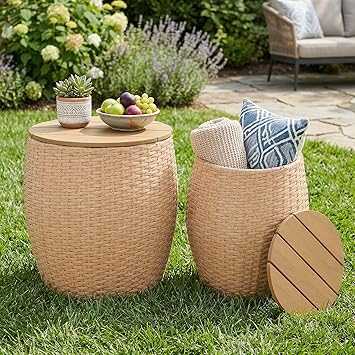
A low side table in natural rattan or sealed acacia wood that holds a drink, a candle, and a small plant without competing visually with the seating it serves. The low height keeps sightlines open and creates the casual, horizontal quality that makes a patio feel relaxed rather than formal. One beside each seating area is ideal; one central coffee table serves a sofa arrangement.
Update 9: A tabletop fire feature or cluster of pillar candles
There is an element that string lights cannot provide and candles only partially replicate: actual flame. A small tabletop fire pit — propane, gel fuel, or bioethanol — brings a quality of presence to an outdoor space that completely changes how the evening feels. Fire gives you something to look at that isn’t a screen. It draws people together around a center point. It produces the kind of warm, flickering light that the nervous system recognizes as safe and restful in a way that is not metaphorical — there is research on fire and human nervous system response that explains why sitting around a fire reliably produces calm.
Without a fire feature: a generous cluster of pillar candles in varying heights on the coffee table or a low surface produces a similar quality of warm, flickering evening light for under thirty dollars.

A small tabletop fireplace in concrete, ceramic, or brushed metal is the summer patio investment with the highest quality-of-experience return. Look for one with an adjustable flame, a refillable fuel reservoir, and a material that weathers without rusting. Bioethanol fuel burns clean without smoke — relevant for anyone with respiratory sensitivities.
Update 10: The finishing details — the tray, the herbs, the small beautiful things
The difference between a patio that looks finished and one that looks like furniture placed outside is almost entirely in the finishing details. The small things that signal: someone tended to this space. Someone chose these objects and arranged them with care and returns to them regularly.
A wooden or concrete tray on the coffee table that holds a candle, a small plant, and one object of interest — a smooth stone, a small vase with a single stem, a crystal if that resonates. An herb pot on the table that you actually use — basil, mint, rosemary — so the space has the smell of something growing and useful. A small stack of outdoor-appropriate books or a waterproof journal beside the seating. A bird feeder hung from a branch or bracket that brings movement and life to the space without any maintenance once it’s filled.
These are the details that make a patio feel like it belongs to a specific person rather than anyone who might wander through. For a body that needs outdoor space to feel genuinely restorative, that specificity matters — being somewhere made for you is its own kind of medicine.
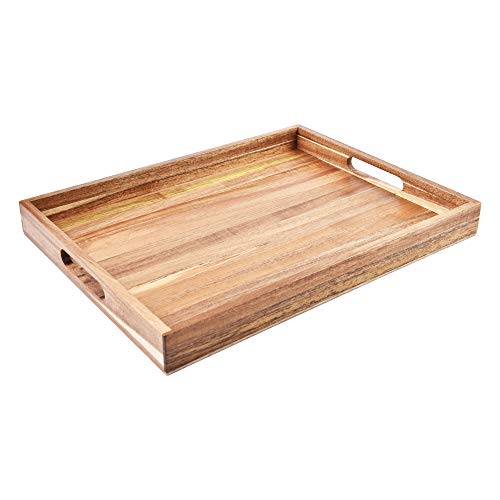
A simple tray on the outdoor coffee table or side surface creates a contained, intentional moment that reads as designed rather than accumulated. Keep it edited: one candle, one small plant, one object. The tray’s job is to contain and elevate the items on it — it shouldn’t be crowded.
[AMAZON IMAGE LINK]

A small ten-pack herb planter for the patio table adds scent, visual interest, and something practically useful — mint in summer drinks, basil on everything, rosemary just to run your fingers through. The growing, living quality of herbs on a table is different from dried or decorative plants; it signals that this is a space that gets used and tended, not just looked at. And don’t force yourself to do all ten at once, baby steps. One plant at a time.
Building a space that actively restores you is one form of self-care. Advocating for yourself in the medical spaces that shape your health is another — and both come from the same belief that you deserve environments that support you rather than drain you. Say This: 30 Scripts for Chronic Pain Communication gives you the language for 30 real situations, so you can show up for yourself in every room this summer. Get your copy of SAY THIS here
The full refresh shopping list

Solar pathway stakes along the edges of a patio, through a planted area, or defining a path to the seating add a layer of low, warm ground-level light after dark that gives the space visual depth and definition. Look for warm white specifically (not cool white) and natural-material casings that disappear during the day rather than looking utilitarian.

Woven seagrass or rattan-look outdoor baskets used as planters or to cover utilitarian plastic pots immediately elevate the aesthetic of any plant arrangement. These work as an alternative to terracotta when weight is a consideration (seagrass is significantly lighter) and add the natural texture that makes an outdoor space feel warm rather than functional.
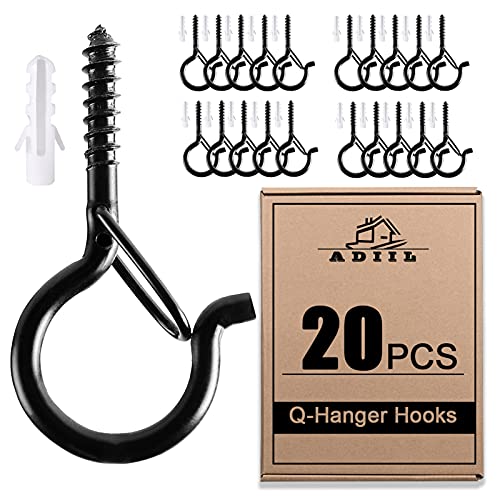
The hardware that makes string lights actually hang where you want them rather than drooping in the middle or requiring nails in surfaces you can’t damage. Adhesive clips rated for outdoor use, S-hooks for chain-link fences or railings, and small screw-in cup hooks for wooden surfaces are the unglamorous essentials that make string light installation achievable in an afternoon.

A beautiful copper or painted metal watering can left on the patio surface serves dual function — practical tool and decorative object — and signals the ongoing tending of the space that makes a patio feel alive rather than static. The act of watering plants on the patio, which takes three minutes, is one of the most grounding small rituals summer outdoor living offers.
How to do the full refresh without doing it all at once
Ten updates sounds like a project. Done sequentially — one per weekend or one per paycheck — it’s a summer of gradual transformation. Start with string lights: they have the most immediate impact per dollar and require no other changes to be effective. From there, the order depends on what the space most needs. Uncomfortable seating? Cushions next. No defined zone? Rug. No plants? One terracotta pot with something green.
The full ten updates will cost somewhere between two hundred and five hundred dollars depending on what you already have. Done over a full summer, that’s twenty to fifty dollars a week toward a space that actively restores you. That’s not decoration. That’s infrastructure for a summer that belongs to you.
Ten things, one summer, one patio that’s finally yours
The patio you’ve been walking past is ready to become somewhere. It already has everything it needs in terms of structure. What it needs is the light that makes it worth staying in after dark. The seating that invites you to actually relax. The plants that make it feel alive. The small beautiful things that signal: this space was made with care, for a person who deserves somewhere soft to land outside.
Pick one update from this list and do it this week. Not all ten — one. And then go sit in the space and notice how it feels different from before you added that one thing. That noticing is the practice. That’s how you build an outdoor space that works — not in a single renovation weekend, but in small, deliberate choices that accumulate into somewhere genuinely restorative.
Your nervous system knows the difference between a space that was designed for rest and one that just has chairs in it. This summer, give it the former.