Summer Swimwear for Every Body That’s Been Through Something
The content on this site was created with the help of AI. LOVEOWE LLC participates in the Amazon Services LLC Associates Program and other affiliate programs. As an Amazon Associate, I earn from qualifying purchases. This means I may earn a small commission—at no extra cost to you—when you make a purchase through links on this site. All opinions are my own. Learn more click here. Thank you for your support!
I spent three summers avoiding the water.
Not all of it — I wasn’t completely absent. I’d go to the beach. I’d sit near the pool. I’d watch other people move through water with an ease that felt like a different language, one I used to speak and somehow forgot. But getting in the water myself, in a swimsuit, in a body that had changed in ways I hadn’t chosen and wasn’t sure I’d made peace with yet — that felt like too much to ask.
The weight that came with medication. The surgical scar I didn’t know how to introduce. The way chronic fatigue had changed my posture and my relationship with a body that used to feel more mine. I’d stand in changing rooms holding swimsuits I mostly liked and feel a specific kind of grief that doesn’t have a clean name — not quite body shame, not quite illness grief, something in between. The feeling of being a guest in your own body at exactly the moment the season demands you show up in it.
What eventually shifted: I stopped looking for the swimsuit that would make my body look different and started looking for the one that would make me feel like myself. That’s a different search. It ends, eventually, in the water.
This guide is for bodies that have been through something. Bodies with scars, with medication weight, with pain that changes your posture, with fatigue that changes your confidence, with a complicated relationship with the mirror that summer tends to make louder. You deserve to be in the water this summer. You deserve a swimsuit that fits your actual body and honors what it’s carried. And you deserve to feel beautiful in it — not in spite of everything your body has been through, but alongside it.
Finding your swimsuit style: what actually works for different bodies and different needs
The swimwear industry has gotten meaningfully better at inclusive sizing and body-positive messaging in recent years. It has gotten less good at designing specifically for the needs that chronic illness, surgical history, and medically complicated bodies actually have. So this section isn’t about which swimsuit will make you look the most “flattering” — that word can find the exit — it’s about which styles serve your body’s actual needs this summer.
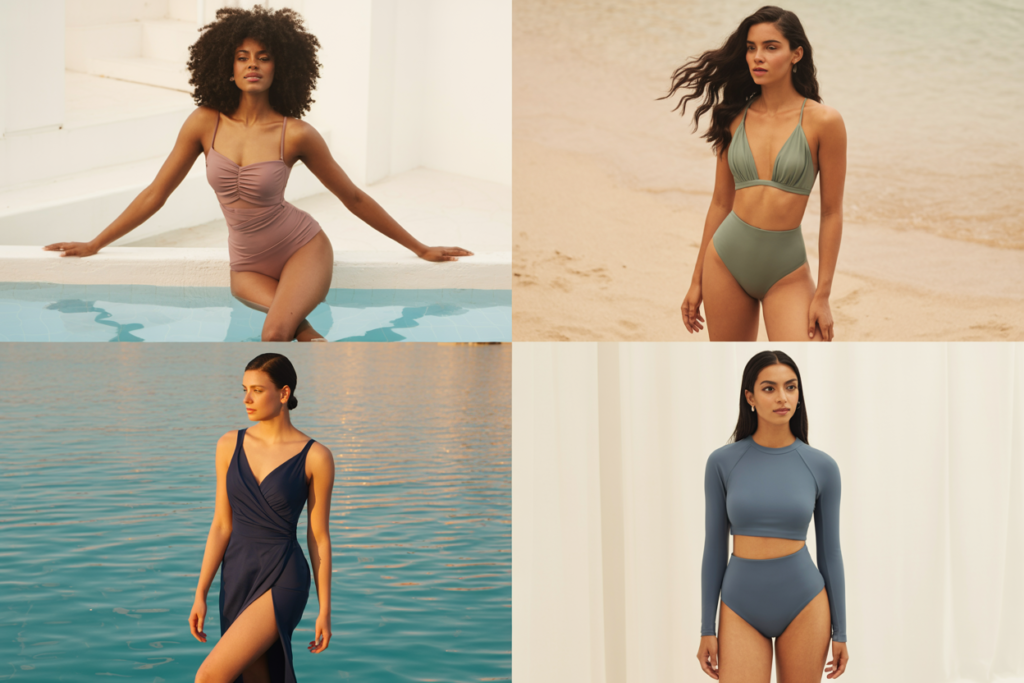
If you have abdominal scarring or want gentle compression. A ruched one-piece is one of the most useful swimsuit designs for a body with abdominal scars or surgery history — the gathering of the fabric softens lines without pressing on sensitive areas, and the visual texture means the suit itself draws attention rather than what’s underneath. Ruching across the midsection specifically provides light compression that many people find comfortable rather than constricting. Look for suits with a built-in shelf bra and adjustable straps so you can customize the fit without requiring a specific bra size.
If bloating and inflammation fluctuate. A high-waisted bikini bottom paired with a longline or bralette top gives you coverage and gentle support across the midsection without the full compression of a one-piece. The high waist accommodates fluctuation better than a lower cut — you’re not fighting the waistband on a bad inflammation day. This style also photographs beautifully and has been a consistent Pinterest trend for three consecutive summers, which means it’s easy to find in a wide range of sizes and price points.
If you have a medical port, PICC line, or visible medical device. Swim dresses and tankini tops provide coverage with significantly more style than a plain rash guard. A swim dress with a built-in shorts layer gives you full confidence regardless of where your port or device sits. Alternatively, a long-sleeve rash guard in a beautiful print over a simple swim bottom creates a complete, sun-protective look that reads as a style choice rather than a coverage decision.
If pain or mobility affects how you dress. Front-closure swimsuits — either with a zipper or a button-style closure — are genuinely underrated for anyone whose shoulder mobility, fine motor function, or pain levels make standard back-tied styles difficult on hard days. Stretchy, chlorine-resistant fabrics with at least 15 to 20 percent elastane allow for easier dressing and undressing. Side-tie bottoms that can be loosened completely and re-tied are more accessible than standard pull-on styles on difficult days.
If sun and heat sensitivity are factors. UPF-rated swimwear provides sun protection in the fabric itself rather than relying entirely on sunscreen. For people with photosensitivity from conditions like lupus or certain medications, UPF swimwear reduces the management burden significantly. Long-sleeve rash guards, high-neck one-pieces, and full-coverage swim leggings have all become considerably more fashionable than they used to be.
The right swimsuit for your body is the one you actually wear. Not the one that looks best on someone else, or performs best in a changing room — the one that makes getting in the water feel possible.
Swimsuit styles worth exploring this summer

The workhorse style for bodies with abdominal scarring, bloating concerns, or anyone who wants coverage with confidence. Look for adjustable straps, a shelf bra with removable padding, and chlorine-resistant fabric. Ruching that runs vertically as well as horizontally gives the most softening effect and the most flexibility for different body shapes.
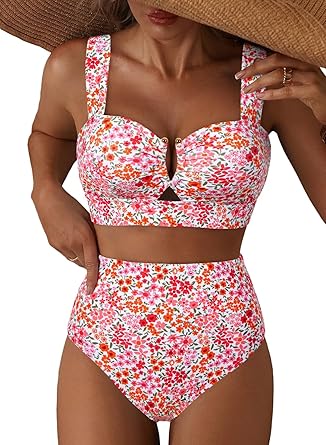
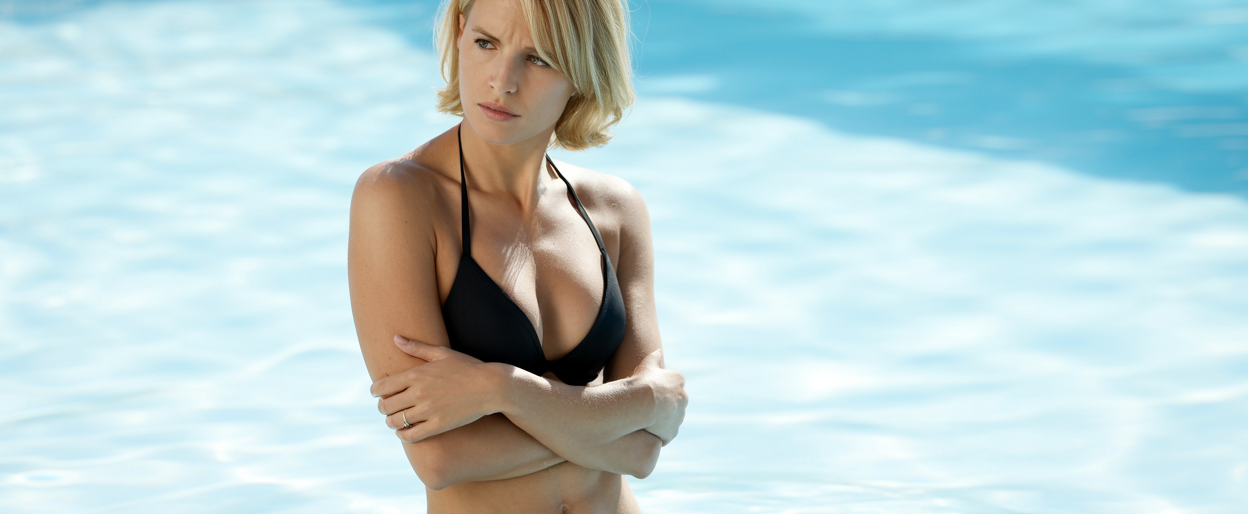
A high-waisted bikini set with a longline bralette or bandeau top accommodates midsection fluctuation better than any other two-piece style. The extended top coverage means you’re not managing a standard bikini bottom’s waistband on inflammation days. Look for sets with adjustable ties on both top and bottom for maximum fit flexibility.

A swim dress with a built-in shorts layer gives you the most coverage in the most elegant way — it reads as a style choice and functions as one. Look for ones in a stretch fabric with at least 15 percent elastane so the skirt moves with you in the water rather than floating up. Midi-length swim dresses are having a significant Pinterest moment this summer.

A long-sleeve rash guard in a beautiful color or print is a legitimate swimwear piece, not a medical garment. In jewel tones, botanical prints, and solid deep colors, they look intentional and styled. Pair with high-waist swim leggings or classic swim bottoms. UPF 50+ blocks over 98 percent of UV radiation — meaningful for anyone with photosensitivity or medication that increases sun sensitivity.
Cover-ups that feel like a choice, not a hiding place
There is a version of the cover-up conversation that I want to actively step away from — the one where a cover-up is framed as the thing you wear because you’re not confident enough, or haven’t worked hard enough, or need to hide. That version of the conversation can stay at the door.
A cover-up is an outfit layer. It’s fabric you put on when you want to, take off when you want to, and choose based on what makes you feel good — not what you feel obligated to conceal. When you approach it that way, cover-up shopping becomes something entirely different. It becomes finding the most beautiful piece of fabric you can justify, the one that makes you feel like you’re on a Mediterranean island even if you’re at a public pool in a suburb.
The linen kaftan. This is the summer cover-up that does the most. Loose, breathable, beautiful in motion, available at every price point, and works as a beach layer, a poolside outfit, and a casual afternoon dress all in one. In cream, terracotta, dusty blue, or sage green, a good linen kaftan photographs exactly the way a summer should feel. For chronic illness specifically: linen breathes better than almost any other fabric, which makes it genuinely useful for people managing heat sensitivity or temperature dysregulation.
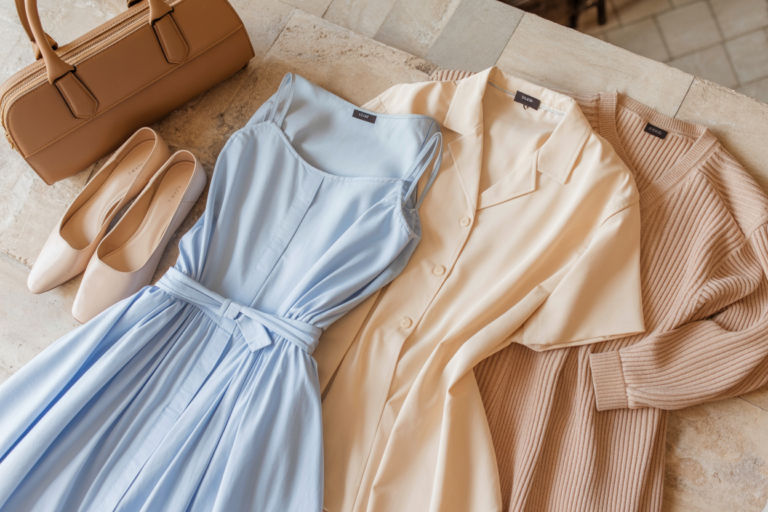
The oversized linen button-down shirt. One of the most versatile pieces in a summer wardrobe regardless of swimwear — worn open over a swimsuit, belted loosely as a dress, or tied at the waist over high-waisted swim bottoms. In a neutral or soft color, a good linen shirt moves between beach and lunch to errands without requiring a full outfit change. The button-through opening is also significantly easier to manage on days when fine motor function is limited.
The crochet or open-knit cover-up. This is the summer cover-up with the most Pinterest traction right now — crochet maxi dresses, open-knit cardigans over swimsuits, handmade-looking tops in natural cotton. They’re textural, beautiful, and work across a wide range of sizes. Look for ones where the knit is open enough to feel like fashion rather than fashion-adjacent but with a lining or worn over a solid color that gives the coverage you want.
The wrap skirt. A wrap skirt ties at whatever point works for your body that day — higher if bloating is a factor, lower if you want more hip coverage, loosely if sensory sensitivity is up. It’s a genuinely adaptive piece most people don’t think to reach for, and one of the most flattering and body-accommodating cover-up options available.
Cover-ups worth bringing to the water this summer

The single most versatile summer cover-up available. Look for washed linen that already has some softness built in — stiff linen loses the effortless quality that makes a kaftan beautiful. Midi length is the most universally flattering and the most Pinterest-ready. Cream, terracotta, dusty sage, and warm white photograph most beautifully in natural summer light.

A quality oversized linen shirt that reads as an intentional outfit piece rather than something borrowed from a partner. Look for one with a collar that lays flat, a hem long enough to cover swim bottoms when worn open, and a fabric that breathes rather than traps heat. This is the piece that photographs best at the beach, transitions most easily off the sand, and works the hardest per dollar of anything in a summer wardrobe.

The Pinterest-trending summer cover-up this season — crochet and open-knit styles in natural cotton or cotton blend feel handmade and beautiful. Worn over a solid swimsuit, the open knit frames the color underneath in a way that’s genuinely striking. Look for ones with a solid lining layer in the bodice if full coverage at the chest is a priority for you.
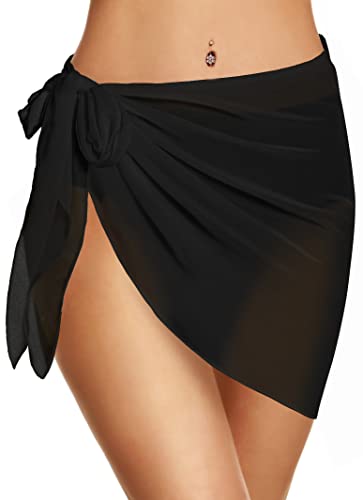
A wrap skirt in lightweight chiffon, cotton voile, or crinkle fabric ties exactly where you need it, adjusts easily as your body changes through the day, and can be worn multiple ways — as a skirt, as a strapless cover-up, as a shawl on the beach in the evening. One of the most adaptable, most affordable, and most consistently beautiful summer pieces available.
Beach and pool accessories: the practical and the beautiful
The accessories you bring to the water matter more than most swimwear guides acknowledge — particularly for a body managing chronic illness in summer heat. This is where sun protection, cooling strategy, and the small details that make being outside feel possible rather than depleting all live. And they happen to be some of the most beautiful, most Pinterest-friendly, most giftable products of the summer season.
A wide-brim sun hat that actually stays on. Sun exposure is a significant consideration for many chronic illness conditions — lupus, certain medications, and post-surgical skin all have different relationships with UV than a body without these factors. A wide-brim hat that blocks UVA and UVB and that either has a chin strap or a deep enough crown to stay on in a breeze is a functional necessity that also happens to photograph beautifully. Raffia, woven straw, and packable fabric hats are the summer aesthetic at its most elevated — and you’ll wear it every time you’re outside, not just at the beach.
A cooling towel. This is the item most often missing from summer packing lists for people with heat sensitivity or autonomic conditions. A cooling towel — activated by water, worn around the neck or across the forehead — can drop perceived body temperature by several degrees in a way that a regular wet towel cannot. For people with POTS, lupus, MS, or any condition that affects heat regulation, a cooling towel can be the difference between two hours outside and having to leave after forty-five minutes.
Reef-safe, mineral sunscreen in a gentle formulation. Many people with chronic illness have medication-related skin sensitivities, reactive skin, or conditions that make standard chemical sunscreen less tolerable. Mineral sunscreen — using zinc oxide or titanium dioxide rather than chemical UV absorbers — is gentler on sensitive skin and doesn’t disrupt hormonal pathways the way some chemical sunscreens do. Reef-safe formulations are also environmentally better, which aligns with the values many people in the chronic illness community hold about their relationship with the natural world.
A proper beach or pool bag. This sounds mundane until you’re trying to carry everything you need for a day at the water — medications, snacks, a cooling towel, sunscreen, a book, your phone, your cover-up — in a bag that isn’t designed for it. A large, structured tote with interior organization and a water-resistant lining holds everything without the chaos that a bag you picked because it was on sale never will. A beautiful woven or canvas tote that looks like a summer choice is carrying everything your body needs for the outing — it’s form and function in the same item.
UV-protective sunglasses. Standard sunglasses with dark lenses but no UV rating don’t actually protect — they make pupils dilate more, which can increase UV exposure. Look specifically for UV400 or 100 percent UV protection ratings. Eye sensitivity to bright light is common in several chronic illness contexts, making this one of the accessories worth prioritizing for genuine protection rather than just aesthetics.
Summer accessories that do real work and look beautiful doing it
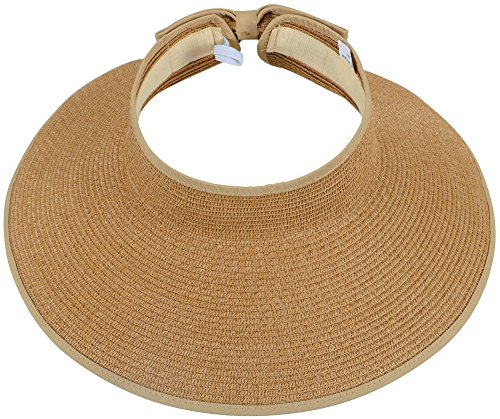
Look for a brim width of at least four inches for meaningful shade coverage, and a crown deep enough to sit securely without constant readjustment. Packable options that can be rolled or folded for travel are worth the slightly higher price if you’re not always going somewhere with your hat already on your head.

Activate with water, wring out, and wear or drape over the back of the neck, wrists, or forehead. The evaporative cooling effect is immediate and meaningful. A pack between two to four means one in the beach bag, one at home for the drive back, one as a backup and another for someone you love. The single most useful summer tool for anyone with heat intolerance or autonomic conditions.

Zinc oxide or titanium dioxide-based mineral sunscreen that works for reactive or medication-sensitive skin without chemical UV absorbers. Look for a formulation that blends in without a white cast — many mineral sunscreens have improved significantly on this in recent years. Tinted mineral options provide light coverage that evens skin tone at the same time.

A large woven tote with interior organization — a zippered pocket for medications and valuables, water-resistant lining for wet items — holds everything a chronic illness summer day requires without the chaos of a bag that wasn’t designed for it. Natural straw, woven cotton, or canvas in a neutral tone is the summer aesthetic that photographs most beautifully and wears the most easily.
The getting-ready ritual: how you approach the mirror matters
For many of us, the getting-ready part is the hardest part. The mirror before the water is a more difficult conversation than the water itself. So here is the frame I want to offer before we get to the products.
Your body right now — changed by medication, marked by surgery, shaped by the particular physics of chronic illness — is a body that has carried you through genuinely difficult things. The scars are evidence of survival. The weight is the body doing what it needed to do to be here. The fatigue in your posture is what honest looks like on a body that’s been working harder than most people understand. None of that makes getting dressed easier on a hard day. But it’s a different frame — one where you’re not measuring whether your body meets a standard, but acknowledging what it has done and choosing to take it somewhere beautiful anyway.
A body oil or lotion that you love. Applying something that feels genuinely good to your skin before getting dressed changes the relationship between you and your body in that moment — not dramatically, but meaningfully. Choose a scent you love, a texture that feels luxurious, something that signals this body is worth caring for. That signal matters most on the days when the mirror is loudest.
A soft, beautiful towel. This is a small thing that earns its place every time. A worn, thin towel that smells like storage is a different experience than a large, soft, beautifully colored one that feels genuinely good against skin that may be sensitive, scarred, or simply tired. Turkish towels are lightweight, dry quickly, and fold into a beach bag with ease — they’re the upgrade that costs thirty dollars and changes the quality of the experience in a way that costs much more to replicate with anything else.
A cooling face and body mist. For heat sensitivity, for the moments between getting out of the water and feeling comfortable, for the car ride home when the air conditioning takes a few minutes to work — a cooling mist with gentle, skin-calming ingredients (aloe, rosewater, cucumber, green tea) is both a functional tool and a small ritual of care that belongs in every beach or pool bag. The act of misting your face and cooling down is its own form of self-care, taking thirty seconds, costing almost nothing, and making the afternoon in the heat more manageable.
You deserve a summer that feels beautiful and supported — at the water and in every space where your health decisions are made. If you’re working on advocating for yourself in medical settings with the same confidence you’re building in your body, Say This: 30 Scripts for Chronic Pain Communication gives you the language for the hard appointments. Because showing up for yourself in a swimsuit and showing up for yourself in an exam room come from the same place. Get your copy of SAY THIS here
For the getting-ready ritual and the day at the water

A body oil or fast-absorbing lotion with a scent you genuinely love changes the pre-swimwear getting-dressed experience from logistical to intentional. Look for lightweight formulas that absorb quickly rather than leaving residue that gets on clothing, and fragrance that feels like summer — citrus, coconut, gardenia, neroli. Applied as a ritual rather than a task, it reframes the whole getting-ready moment.
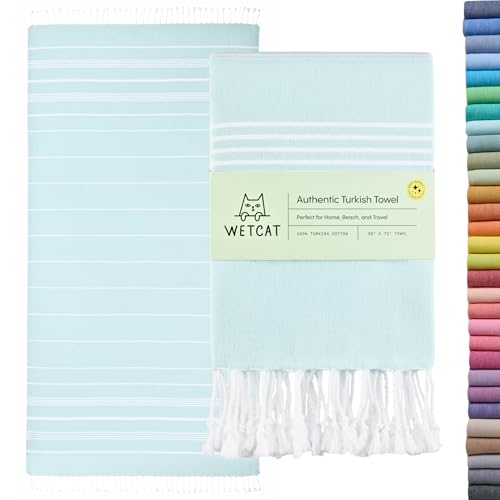
A large Turkish towel in a beautiful color is the beach and pool upgrade that costs the least and improves the experience the most. Lighter than standard terry, faster to dry, softer against sensitive skin, and beautiful as a beach blanket, wrap, or just something to lie on. Bring two — one for drying, one for lying on — and leave the old scratchy ones at home.

A small bottle of cooling mist in the beach bag for the moments when heat sensitivity, flushing, or general summer overwhelm peaks. Aloe-based mists soothe and calm; rosewater mists hydrate and refresh; cucumber-based options reduce redness. Keep one in the bag, one in the car, one in the refrigerator for when you come home. A thirty-second ritual of self-care that earns its place every time.
![Large Waterproof Pouch [Up to 10"] - 2 Pack](https://m.media-amazon.com/images/I/51QMAQ+MUAL._SL500_.jpg)
A small waterproof pouch that holds medications, electrolyte packets, a lip balm with SPF, and anything else that needs to survive a day near the water without getting wet. This is the organizational piece that makes the difference between a beach or pool day that works and one that ends early because something got ruined or left behind. It also clips to the inside of your tote bag so it doesn’t get buried.
Get in the water
Three summers ago I stood at the edge of a pool in a swimsuit I’d almost put back on the rack twice, wearing a cover-up I wasn’t ready to take off, watching people I love splash and laugh and live in their bodies in a way that felt impossibly far away.
I took the cover-up off anyway. I got in the water. It was warm and quiet underneath and nobody looked at my scar and the afternoon stretched out in the light in a way that felt, actually, like summer.
It wasn’t a transformation. It wasn’t a before-and-after. It was just a Tuesday afternoon in a pool, and it was enough, and I deserved it, and so do you.
Your body has carried you through things most people can’t see. It has absorbed medication and surgery and pain and exhaustion and kept going anyway. It deserves to be in the water. It deserves the warmth of the sun and the weightlessness of the pool and the sound of a summer afternoon going on around it.
Find your swimsuit. Find your cover-up. Pack your bag. Get in the water.
This summer belongs to you.