How to Get Dressed for a Night Out When Your Body Doesn’t Cooperate: The Chronic Illness Guide to Going Out in Style
The content on this site was created with the help of AI. LOVEOWE LLC participates in the Amazon Services LLC Associates Program and other affiliate programs. As an Amazon Associate, I earn from qualifying purchases. This means I may earn a small commission—at no extra cost to you—when you make a purchase through links on this site. All opinions are my own. Learn more click here. Thank you for your support!
There is a specific kind of complicated that a night out creates when you have chronic illness.
It is not just the logistics — though the logistics are real. It is the calculation that happens before you even open your wardrobe: how am I feeling right now, how will I feel in three hours, will I be able to stand in heels for that long, is the venue going to be too loud or too warm or too far from a place to sit, and — underneath all of that — do I still deserve to go out and look beautiful and have a version of an evening that most people take completely for granted?
The answer to that last question is yes. Unequivocally, without conditions, yes. And the getting-dressed part of a night out with chronic illness deserves a guide that understands the actual constraints — not the aspirational ones, not the what-I-could-wear-if-my-body-cooperated version, but the real one. The version that accounts for the fact that sensory sensitivity is real, that pain levels change between getting dressed and arriving, that the heel you could wear at seven may be unwearable by nine, that a beautiful evening is still possible within all of that and is still completely worth having.
This guide is the one I wish had existed. Not the generic night-out fashion content that assumes you have unlimited energy and a body that behaves predictably. The version written for a body that requires more thought, more planning, and more self-knowledge than average — and that still deserves to look extraordinary when it walks through the door.
The fabric foundation: what actually works all night
The most important night-out decision for a chronic illness body happens before any outfit is assembled: the fabric. Fabric is the conversation your clothes have with your skin for the entire duration of the evening, and when that conversation is wrong — scratchy, too hot, too constricting, generating the kind of low-level sensory irritation that a sensitized nervous system cannot tune out — it doesn’t just make the outfit uncomfortable. It makes the evening harder than it needed to be.
The fabrics that earn their place in a chronic illness night-out wardrobe are the ones that pass the eight-hour test: they feel as good at the end of the evening as at the beginning, they don’t create heat, they don’t restrict, and they don’t require the body to manage them alongside everything else it’s already managing.
Satin and charmeuse. Satin — particularly charmeuse satin — is the night-out fabric that simultaneously looks the most elevated and feels the most gentle. It is smooth against skin, creates no friction, and drapes rather than clings, which means it accommodates the body’s fluctuations — bloating, inflammation, the swelling that chronic conditions can produce through the day — without fighting them. A satin slip dress or satin wide-leg trouser reads as evening wear at its most sophisticated and feels like wearing nothing at all.
Silk and silk alternatives. Real silk and high-quality polyester silk alternatives both provide the same key quality: temperature regulation. Silk is one of the few fabrics that keeps you cool in warmth and warm in cool — which matters enormously for anyone managing temperature dysregulation. A silk camisole under a blazer in an air-conditioned restaurant, or worn alone in summer heat, is the fabric most likely to keep your body in a comfortable thermal range without requiring active management.
Stretch velvet and quality knits. For cooler evenings and autumn nights out, stretch velvet and fine-gauge knits are the evening fabrics that look luxurious and behave sensibly. Stretch velvet has the rich, light-catching quality of formal wear and the give of jersey — it accommodates the body rather than structuring against it. A stretch velvet midi dress reads as evening wear and wears like comfort.
Linen and lightweight cotton. For summer evenings and casual nights out, linen and quality lightweight cotton are the most practical choices — breathable, sensory-friendly, and able to look deliberately casual in a way that reads as intentional rather than underdressed. Washed linen specifically has a quality of effortless sophistication that suits the “I look this good without trying” energy that is, genuinely, the most attractive thing anyone can wear to a night out.
What to leave in the wardrobe: Stiff boning, underwires, rigid waistbands with no give, synthetic fabrics that trap heat, anything requiring tight foundation garments underneath, fabrics with scratchy seams that become irritating over hours. These are not style compromises — they are the rational choices of someone who knows their body and dresses accordingly.
The most elegant thing you can wear to a night out is something your body is still comfortable in when the evening ends. Everything else is logistics.
Night-out fabrics worth building your wardrobe around

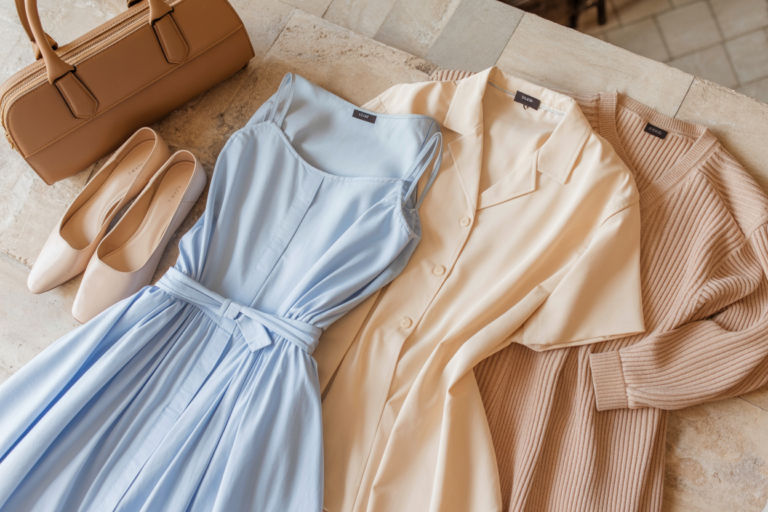
The chronic illness night-out dress. Adjustable spaghetti straps accommodate body changes through the evening without requiring readjustment. Midi length is more forgiving of seated time than mini. Satin or silk fabric drapes over rather than compressing against the body. In black, champagne, deep emerald, or burgundy, this is one outfit decision that covers the full range of night-out occasions from dinner to dancing.

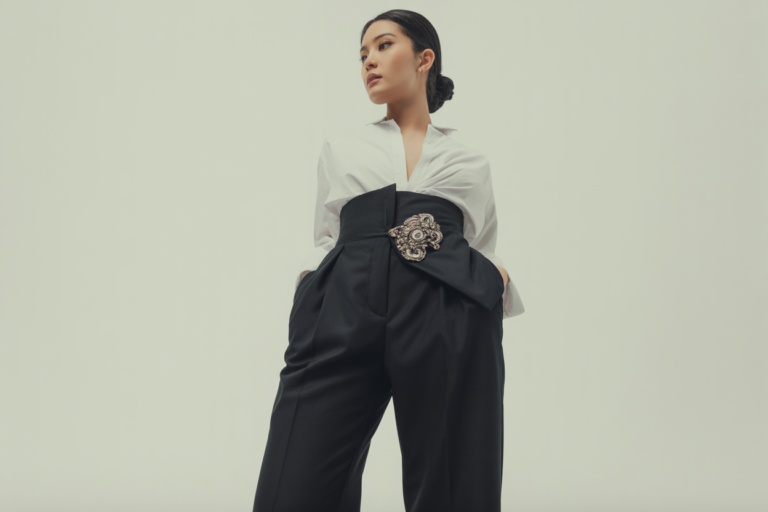
Wide-leg trousers in a fluid fabric with an elasticated back waistband are the night-out alternative to dresses for anyone who finds dresses uncomfortable or who wants the flexibility of separates. An elastic back waistband accommodates fluctuation without the rigid constraint of a fully structured waistband. Pair with a satin camisole and blazer for an outfit that reads as completely intentional and carefully assembled.

For autumn and winter nights out, stretch velvet is the fabric that looks most formal and behaves most practically. A long-sleeve stretch velvet midi dress provides warmth, full coverage for sensory comfort, the light-catching richness of velvet, and the body-accommodating stretch of jersey — all in one piece that requires nothing else except shoes and earrings.

A high-quality silk-feel camisole is the most versatile top in a chronic illness night-out wardrobe. Worn under a blazer for dinner, layered under a cardigan for warmth, or on its own on a warm evening, the right camisole works across every night-out scenario. Adjustable straps mean the fit adapts to the body rather than requiring the body to adapt to the fit.
Outfit formulas by energy level — not occasion
Most night-out fashion guides organize outfits by occasion — dinner date, cocktail party, dancing, casual bar. The chronic illness wardrobe organizes them differently, because the most important variable is not where you’re going. It is how you are when you’re getting ready to go there. The same dinner date can be a medium-energy evening or a low-energy one, and your outfit needs to work for both versions — ideally without requiring a change in between.
These formulas are organized by energy level, from the most accessible to the most elaborate. All of them look intentional and beautiful. The difference is what they ask of the body to execute.
The minimum-effort formula. One piece only. A satin slip midi dress with adjustable straps, a stretch velvet midi, or a wide-leg jumpsuit in a fluid fabric. Slip-on shoes. Hair down or in a simple low bun. One pair of earrings that go on and stay on. This is a complete and genuinely elegant night-out look that requires exactly one decision — the dress — and nothing else. When the body has the least to offer the getting-ready process, this formula produces the most return per unit of energy spent.
The two-piece formula. Wide-leg or straight-leg satin trousers plus a silk camisole or fitted knit top. Slip-on shoes or a low heel. Simple jewelry. Optional blazer draped over the shoulders for warmth and polish. This formula reads as more assembled than the single-piece option and is worth the extra decision on medium-energy evenings when you want to feel more put-together without significantly increasing the dressing cost.
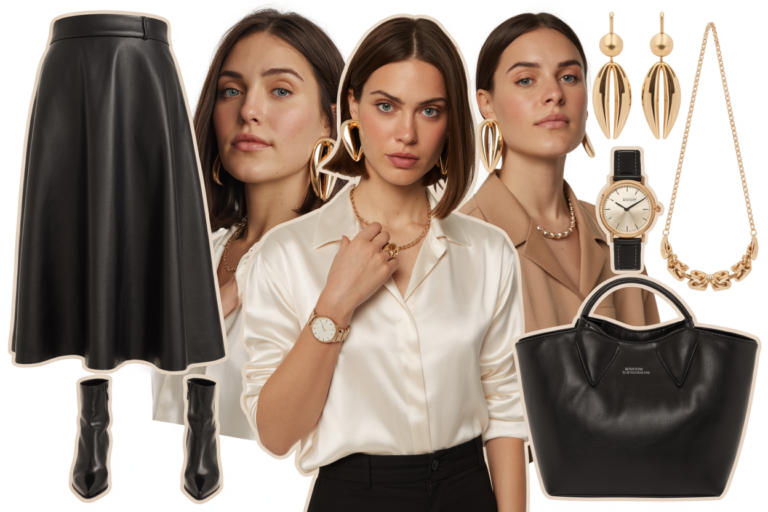
The elevated casual formula. Dark-wash straight-leg trousers or a satin midi skirt paired with a beautiful blouse or silk-feel top. A blazer or structured cardigan. Low heels or dressy flat. This formula works for everything from nicer restaurants to cocktail events and looks completely intentional. The extra layering piece adds warmth management flexibility — on and off through the evening as venues and temperatures change.
The good-day formula. For the evenings when you feel genuinely well and want to dress accordingly: the satin slip dress with a heel that you’ve tested for comfort, the full jewelry moment, the blazer that elevates the look past effortless into polished. This formula exists not to shame the lower-energy formulas but to give you something to reach for on the evenings when you have the capacity to reach. You deserve to dress fully for the good days.
The emergency formula. For the evenings when backing out feels worse than going: your most comfortable outfit elevated with good shoes and jewelry. The bamboo set in a rich color. The stretch dress you wear at home. The goal is not to look underdressed — it is to look like you chose this deliberately. A statement earring and a confident entry make anything read as intentional.
The pieces that anchor every formula
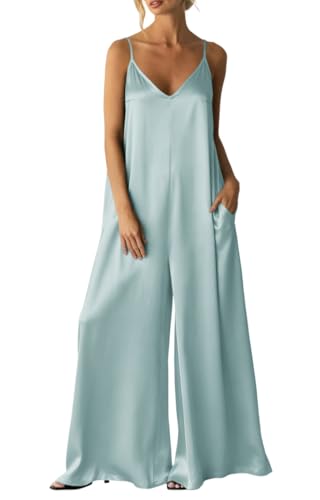
A wide-leg jumpsuit in a fluid fabric is the night-out piece that requires the fewest decisions and produces the most impact. One piece, complete outfit, nothing to coordinate. Look for a V-neck or draped neckline that creates visual interest without structure, an elastic or tie waist that accommodates fluctuation, and wide-leg trousers that flow rather than cling. In black or jewel tone, this is the piece that photographs beautifully and wears completely comfortably.

A satin midi skirt with a full elastic waistband is the most forgiving and most elegant bottom for a chronic illness night out. Bias cut creates a natural drape that moves with the body. Pair with a silk camisole for dinner, a fitted knit top for a cooler evening, a blazer for a more polished look. The elastic waist means the fit is right regardless of how the body changes through the day.

A softly constructed blazer without rigid shoulder pads or structured boning is the layering piece that transforms any of the formulas above into a more polished look. Soft construction means it sits on the body rather than holding a shape away from it — more comfortable for extended wear and more forgiving of seated posture. Look for a relaxed fit with real pockets. The pockets are not optional.
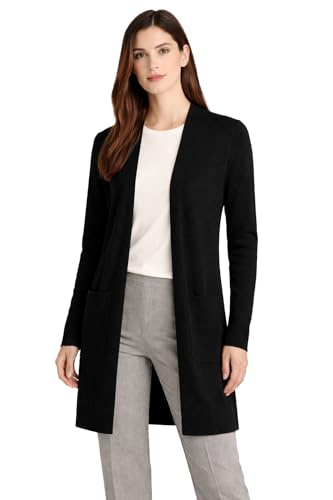
A longline fine-knit cardigan is the temperature management tool of every chronic illness night out. When the venue is too cold — and venues are often too cold — a beautiful cardigan that can be worn on the shoulders, draped, or fully worn is more useful and more elegant than most jackets. In a rich jewel tone or a soft neutral, a quality longline cardigan reads as a deliberate outfit choice rather than a concession to temperature sensitivity.
Footwear that makes it to the end of the evening
Footwear is where the chronic illness night out most often falls apart — and where the gap between what looks good and what is wearable for hours can feel the widest. The stiletto that photographs beautifully becomes a different object entirely at the two-hour mark when you’re standing on a hard floor in a warm room. The flat that seemed sensible becomes a problem when its lack of cushioning has traveled up through the ankle and into joints that were already managing more than their share.
The goal is not to abandon heels entirely — though that is always a valid choice — but to find the specific heel constructions that are manageable over an evening and to pair them with the insole and the footwear preparation strategies that extend what’s possible. And to know which flat and low-heel options look genuinely dressed-up rather than like a compromise.
Block heels and stacked heels. The most wearable elevated heel for chronic illness is a block heel or stacked heel of two to three inches — wide enough to provide stability and distribute weight more evenly than a stiletto, short enough to not place the foot at the extreme angle that creates forefoot pain and plantar fascia strain. A block heel mule or a stacked-heel ankle boot is a night-out heel that can be worn for a full evening by most people without the specific post-event physical cost of stilettos.
Kitten heels. The kitten heel — one to two inches, slender but short — is the formal footwear option that asks the least of the body while still providing the line and elongation that heels create. A satin kitten heel pump or a pointed-toe kitten heel mule with a satin midi dress is genuinely elegant rather than merely practical. This is the heel for the evenings when you want the presence of a heel without its cost.
Dressy flats. Not all flats read as evening wear — but the right ones absolutely do. Pointed-toe flats in satin, velvet, or quality leather. Embellished ballet flats. Strappy sandals with a flat but structured sole. These read as intentional, dressed-up choices when the rest of the outfit is doing its work. The satin flat under a satin midi dress is not a compromise — it is a complete, elegant look.
The insole investment. Nearly any shoe becomes more wearable over an evening with a quality full-length insole inserted. Gel insoles specifically designed for high-friction, high-pressure wear in dress shoes provide cushioning at the ball of the foot and heel that most dress shoes don’t include. A twenty-dollar insole can make a thirty-dollar dressy flat more comfortable than a two-hundred-dollar one without it. This is the footwear strategy that chronic illness bodies discover and then tell everyone about.
The backup plan. Keep foldable ballet flats in the bag — not as a failure contingency, as a sensible preparation. Having the option of a shoe change at a point of your choosing rather than being forced out by pain is a form of autonomy over the evening that costs nothing to prepare for.
Evening footwear that works for chronic illness bodies

The most wearable evening heel available for most chronic illness bodies. Wide heel base for stability, slip-on entry that requires no bending or buckling, and a height that creates the line of a heel without the extreme pitch of a stiletto. In satin or suede, this reads as a deliberate evening choice. Look for a padded insole rather than a flat footbed — the extra cushioning at the ball of the foot matters over a full evening.

A pointed-toe flat in a dressy material — satin, patent leather, or a metallic finish — reads as an evening shoe rather than a day flat. The pointed toe creates the elongating line that most people associate with heels, without any of the height. In black satin under a slip dress or in metallic patent under wide-leg trousers, this is the dressed-up flat that requires no apology and no explanation.

Slim-profile gel insoles designed specifically for dress shoes and heels — thin enough to fit without making the shoe too tight, with cushioning concentrated at the ball of the foot and heel where dress shoe pressure is highest. Trim-to-fit versions work across multiple shoe sizes from one pair of insoles. Insert these into every pair of evening shoes before the first wear and assess the difference. It is significant.
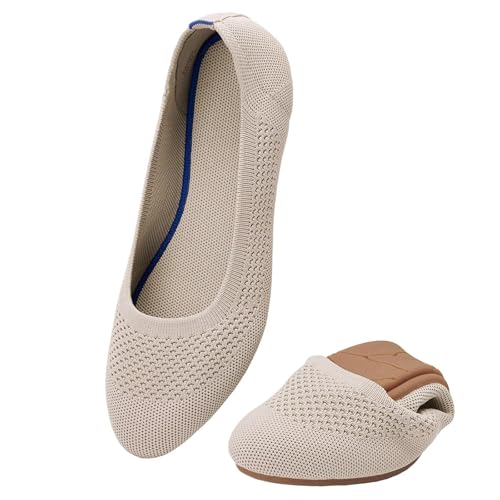
The bag-backup that makes the evening on your terms rather than on your feet’s terms. A foldable ballet flat in a satin or metallic finish that comes in its own small pouch fits in any evening bag and provides the option of a shoe change at the point of your choosing — before the pain, not because of it. This is not weakness. This is planning for the full evening rather than just the first two hours of it.
Accessories that do real work and look beautiful doing it
Night-out accessories for the chronic illness wardrobe serve two simultaneous purposes: they elevate the outfit aesthetically, and they make the practical management of the evening as frictionless as possible. The bag needs to hold what you actually need — including medications, electrolytes, a pain relief option, the foldable flats, your phone. The jewelry needs to go on before you leave and stay on without requiring attention. The hair and beauty choices need to survive the full evening without touch-up anxiety.
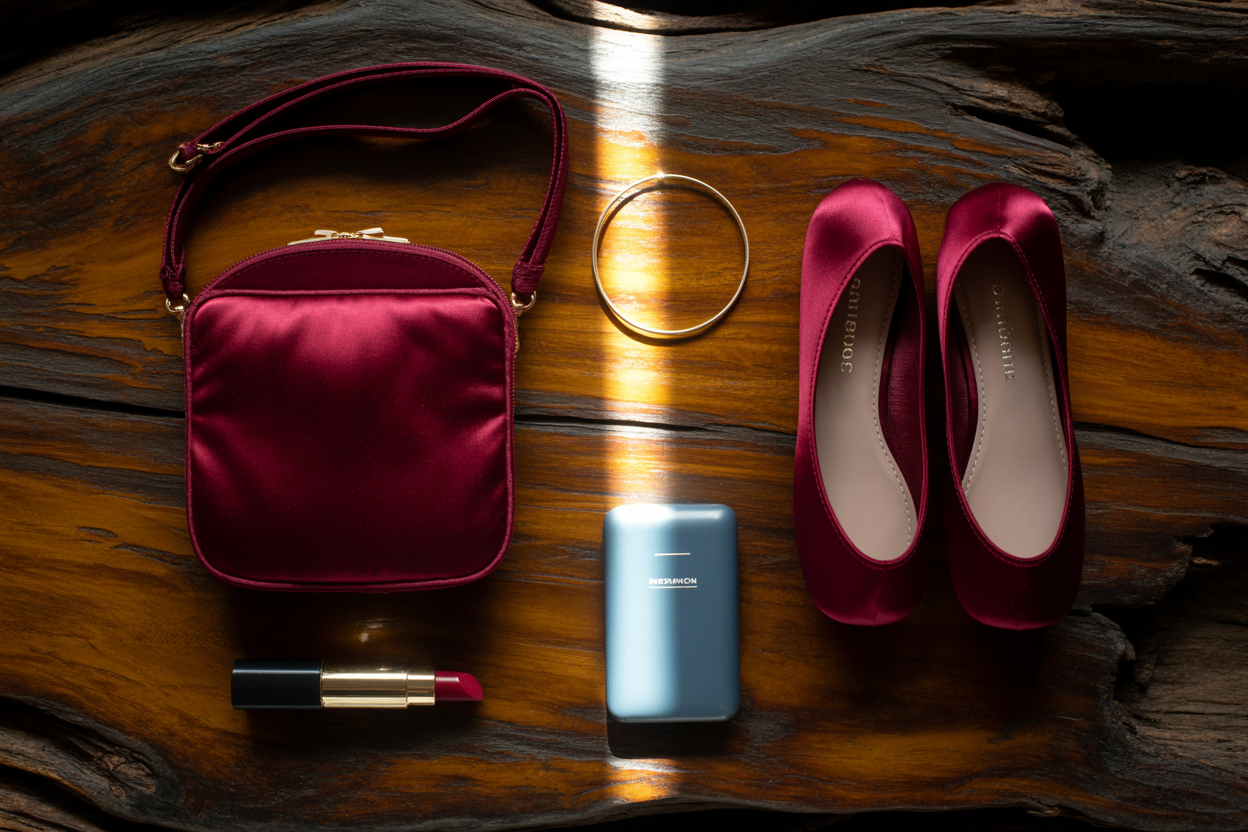
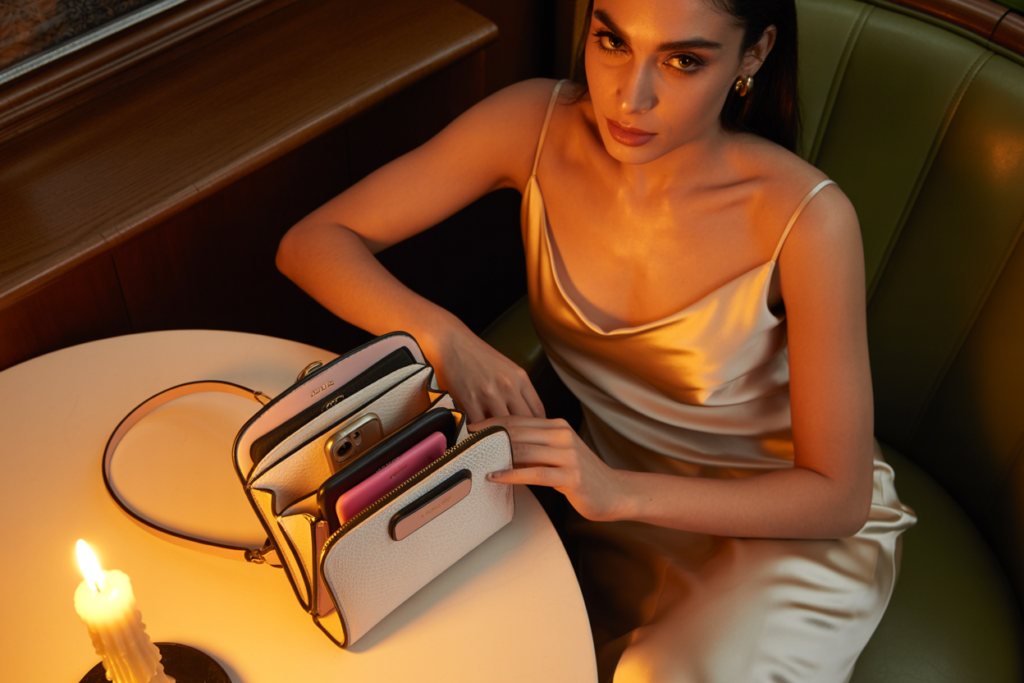
The bag that actually holds everything. The most beautiful clutch in the world is useless if you spend the evening holding it in one hand and can’t put it down without anxiety about its contents falling out. For a chronic illness night out, the bag needs to hold: medications, electrolyte packets or a small bottle, lip product, phone, cards, keys, the foldable backup flats, and anything else your specific management requires. A small crossbody bag with a secure closure — structured enough to hold its shape, small enough to not look like a day bag — does all of this while keeping your hands free, which matters for anyone whose balance, energy, or joint stability benefits from unencumbered hands.
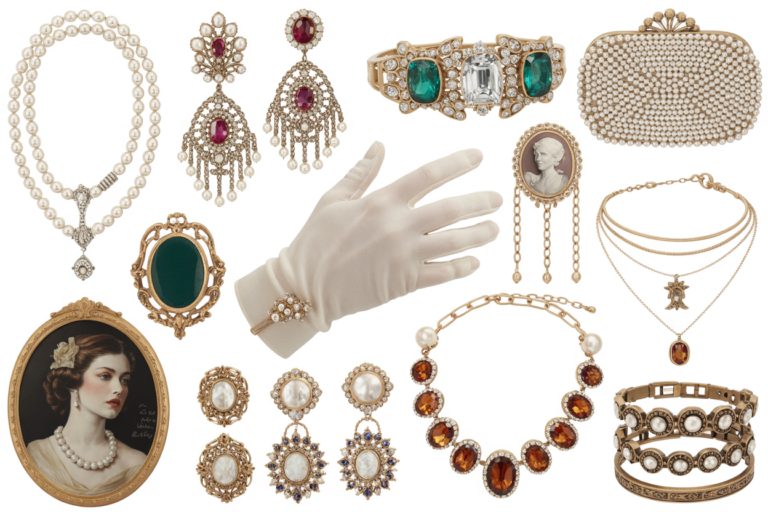
Statement earrings as the anchor piece. A single pair of statement earrings — chandelier, large hoop, bold geometric — elevates any outfit in the chronic illness night-out wardrobe without requiring anything else from the jewelry selection. Statement earrings are also the jewelry most likely to still be in place and looking intentional at the end of the evening, unlike necklaces that get tangled or rings that create pressure on joints through extended socializing. Put them in before you leave. Do not take them out until you’re home.
Jewelry that stays on. For the rest of the jewelry selection: simple, secure, requiring no adjustment. Studs rather than drop earrings if statement earrings aren’t the direction today. A thin chain necklace that lives on the body rather than being put on and taken off. A simple ring on a hand that can manage it. The goal is jewelry that reads as chosen and intentional rather than jewelry that requires active management through the evening.
The beauty shortcut. A bold lip color — true red, deep berry, rich plum — with everything else minimal is the most effective evening beauty approach for a body with limited getting-ready energy. It reads as fully put-together, requires only mascara and a filled brow alongside it, and lasts with far less touch-up than complex eye looks. Reapply once after dinner and you are done.
Accessories built for the full evening

A compact crossbody bag in satin, velvet, or quality faux leather that holds everything a chronic illness evening requires while reading as an intentional evening accessory rather than a practical concession. Secure zip or clasp closure. Long enough strap to cross the body rather than only wearing on one shoulder. Interior organization for medications and small items. In black, gold, or deep jewel tone, this is the bag that works across every night-out occasion.

One pair of statement earrings that works with the full range of outfits in your night-out wardrobe — gold or silver tone, a size that reads from across the room, a closure that stays secure through an evening of movement. The single most transformative accessory per unit of effort available in any wardrobe. Put them on last. They make the outfit complete without requiring anything else.

A transfer-resistant, long-wearing bold lip in your best red, berry, or plum — the color that makes your face look most alive and your outfit most finished with the least additional effort. Look for a formula that stays through eating and drinking without requiring constant reapplication. A bold lip that lasts is the beauty investment with the highest return per unit of morning preparation time.

A small waterproof zip pouch that holds medications, electrolyte packets, pain relief, and anything else your evening management requires — organized and accessible inside the crossbody without creating bulk or disorder. This is the practical infrastructure of the chronic illness night out: the management tools present without being visible, accessible without requiring the entire bag to be emptied to find them. The evening is more confident when everything needed is already there.
Getting dressed for a night out is one form of showing up for yourself. Advocating for yourself in the medical conversations that shape the life you’re able to live — including the evenings you’re able to have — is another. Say This: 30 Scripts for Chronic Pain Communication gives you the exact language for 30 real situations, so you can show up confidently in every room you walk into — not just the beautiful ones. Get your copy of SAY THIS here
The night out that belongs to you
The chronic illness night out is not a lesser version of anyone else’s night out. It is a more considered one. It has been thought about more carefully, prepared for more thoroughly, and chosen more deliberately than most — which means that when you walk through the door in the satin slip dress or the wide-leg trousers and silk camisole, in the block heel mule that will still be on your feet at the end of the evening, with the statement earrings that anchor the whole look — you have earned that entrance in a way that most people in the room have not.
You chose to come. You dressed deliberately and beautifully within real constraints. You brought what you needed to manage the evening without making it visible. You are there, fully — not despite your illness, not by pretending it away, but alongside it and beyond it for the duration of an evening that belongs entirely to you.
That is not a small thing. That is, in fact, one of the most LOVEOWE things imaginable: showing up in your full, complicated, beautifully dressed self, for a night out that you absolutely deserve to have.
Wear the dress. Go to the dinner. Stay as long as feels good and leave when it doesn’t. And look extraordinary the entire time.