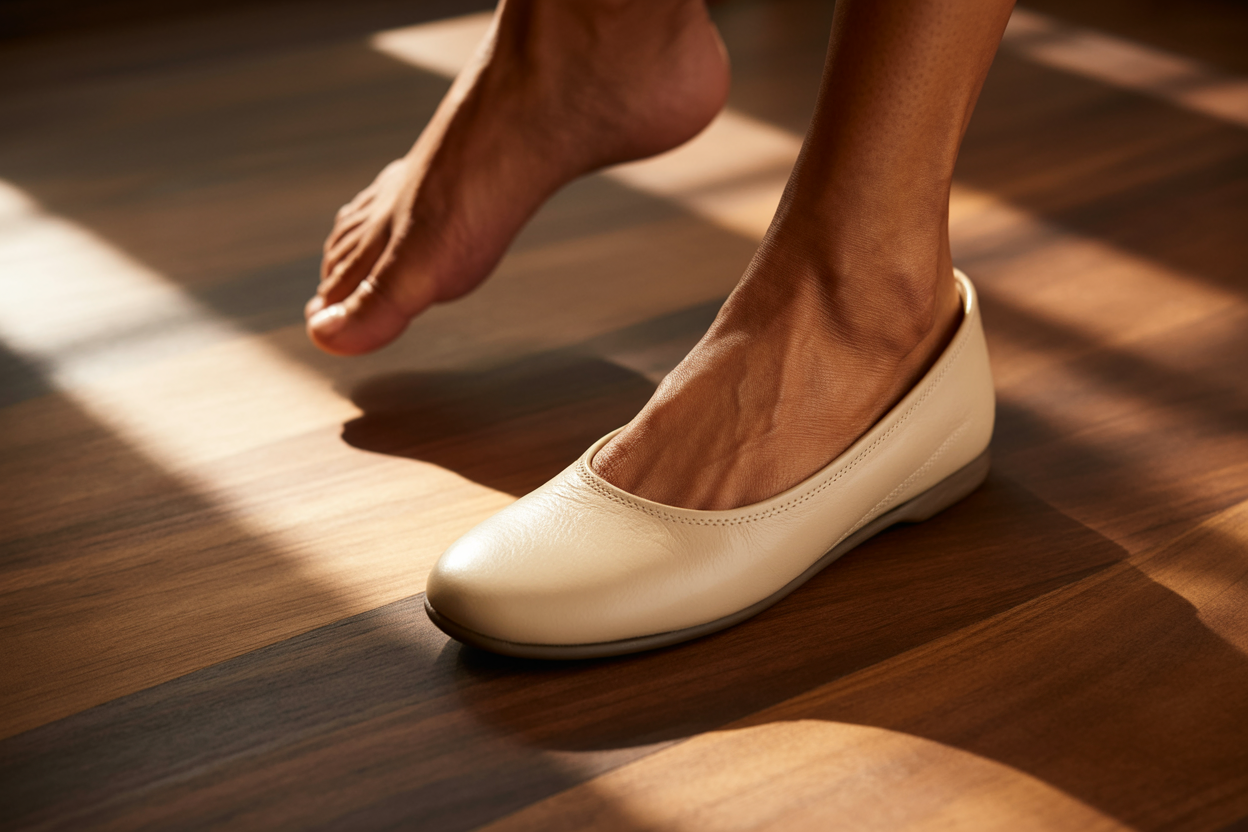
Comfortable Shoes for Chronic Pain: The Elevated Edit That Doesn’t Look Like It’s Trying
The content on this site was created with the help of AI. LOVEOWE LLC participates in the Amazon Services LLC Associates Program and other affiliate programs. As an Amazon Associate, I earn from qualifying purchases. This means I may earn a small commission—at no extra cost to you—when you make a purchase through links on this site. All opinions are my own. Learn more click here. Thank you for your support!
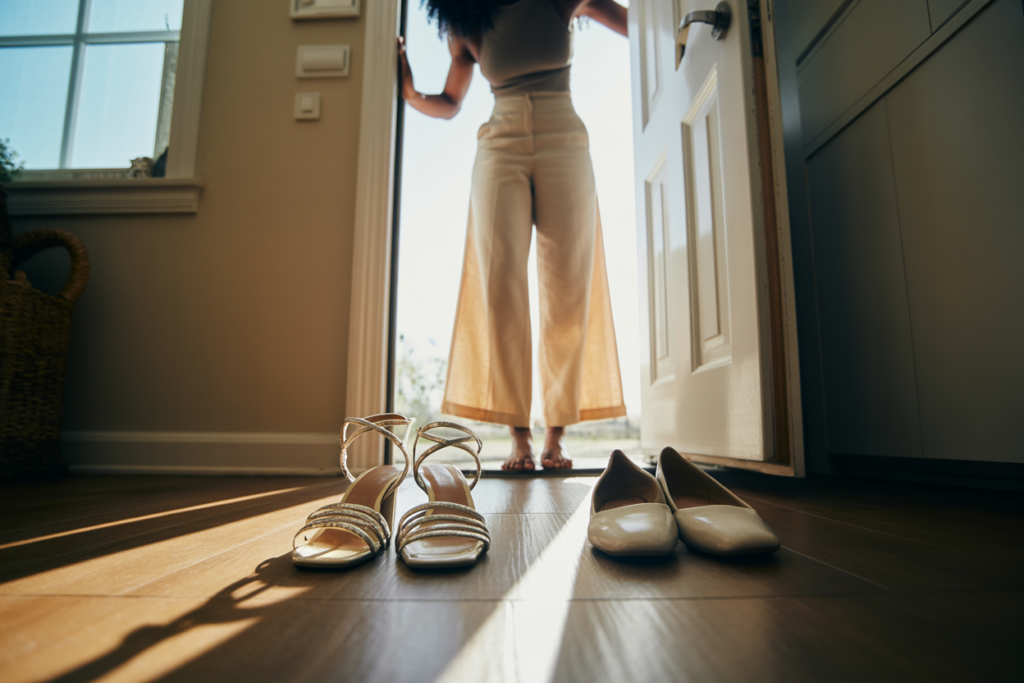
There is a specific grief that lives in the back of a closet. Mine had heels in it — a pair of block-heeled mules I bought before I understood what my body was going to ask of me, a strappy sandal I wore exactly once to a wedding and paid for with three days I’d rather not revisit, a pointed-toe flat that looked perfect and felt like a slow punishment from the arch up. I kept them for a long time. Longer than made sense. I think because getting rid of them felt like admitting something I wasn’t ready to admit — that my feet, and what I put on them, were now part of the negotiation.
The negotiation goes something like this: every shoe you wear is making a decision about your day before your day has started. A shoe with no arch support is deciding that by 2pm you’ll be managing pain you didn’t have at 9am. A shoe with a narrow toe box is deciding that your joints will spend the afternoon compressed into a shape they were not designed to hold. A heel — even a small one — is deciding that your spine, your hips, and your knees will spend the day at an angle that adds to whatever they’re already carrying.
Most people can absorb those decisions. People with chronic pain, fibromyalgia, lupus, arthritis, POTS, Ehlers-Danlos, neuropathy, plantar fasciitis, or any condition that affects joints, circulation, or nerve sensitivity — we can’t. Or rather: we can, but the cost is real, and we’ve been paying it without always knowing that there was another option.
There is another option. And it doesn’t look like what you think it looks like.
This post is the shoe edit I wish I’d had years ago — elevated, intentional, and built entirely around the principle that your footwear should support your life, not subtract from it. We’re going to cover what to actually look for in a shoe when chronic pain is part of your reality, the specific features that make the difference between a shoe that helps and one that harms, and sixteen pieces across four categories that do both things at once: look good and leave you standing at the end of the day.
What Chronic Pain Actually Needs From a Shoe
Before we get to product recommendations, let’s talk about what matters and why — because understanding the mechanics helps you shop for yourself, not just follow a list.
Arch support is the foundation of everything. Without it, the foot pronates — rolls inward — which creates a chain reaction up through the ankle, knee, hip, and lower back. For someone whose body is already managing inflammation or joint instability, that chain reaction compounds daily. True arch support isn’t the thin foam insert inside a flat. It’s a structured footbed that holds the arch in its natural position throughout the full range of movement.
Cushioning is about shock absorption. Every step sends a force through your body equivalent to roughly one and a half times your body weight. In a well-cushioned shoe, that force is distributed and absorbed. In a thin-soled flat or a hard-bottomed dress shoe, it travels directly up through the foot into the joints above it. For people with joint pain, neuropathy, or any condition that makes impact painful, cushioning is not a comfort feature — it’s a functional requirement.
Toe box width is the most consistently overlooked factor in shoe shopping. A narrow toe box compresses the toes laterally, which aggravates bunions, hammertoes, and any inflammatory condition affecting the forefoot joints. A wide or rounded toe box allows the toes to sit in their natural spread, which reduces forefoot pain and improves balance — relevant for anyone with proprioception issues or instability.
Heel drop refers to the difference in height between the heel and the forefoot of the shoe. A zero-drop shoe is flat throughout. A high-heel-drop shoe pitches the foot forward. For chronic pain, low to moderate heel drop — no more than eight to twelve millimeters — keeps the body in better alignment and reduces the load on the lower back and knees. This is why even small heels can cause significant pain over a full day: it’s not the height, it’s the angle.
Ease of entry is the practical piece that doesn’t get enough attention. On a morning when your hands are stiff, your back won’t bend, or your energy is already depleted before you’ve put on shoes — a lace-up oxford is a problem. Slip-ons, elastic closures, hook-and-loop fasteners, and side-zip designs are not a compromise in style. They’re a feature.
The Everyday Edit: Flats and Loafers That Go the Distance
The everyday shoe is the one doing the most work — the one you reach for on appointment days, errand days, and the days where you don’t know yet what kind of day it’s going to be. These four earn their place in that rotation.

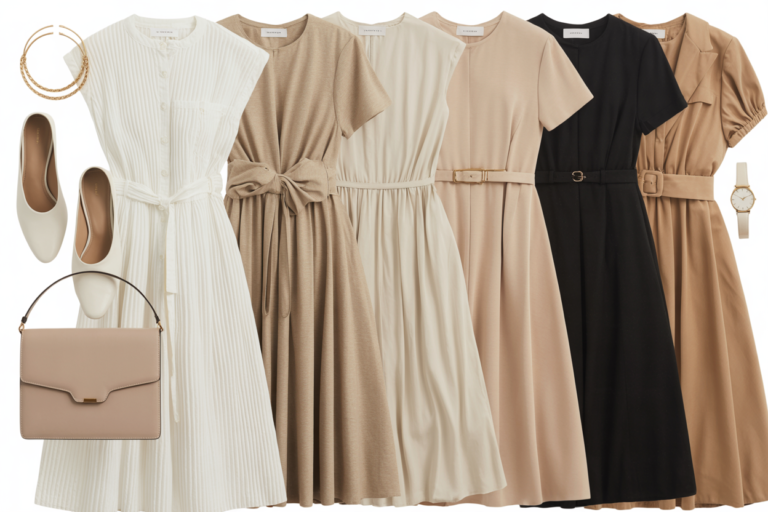
Vionic builds their shoes around a biomechanically designed footbed developed with podiatrists — meaning the arch support is structural, not decorative. The Minna is their most elegant slip-on: a clean ballet flat silhouette in leather or suede, wide enough in the toe box to accommodate natural foot spread, and cushioned enough to wear through a full day without the energy cost of managing foot pain on top of everything else. Available in neutral tones that work with everything.

Clarks’ Cloudstepper technology uses an EVA foam footbed that is genuinely exceptional at shock absorption — the kind that makes you feel the difference on hard floors, long walks, and days when every step costs something. The loafer silhouette reads as polished and intentional. Slip-on entry, no laces, lightweight enough that the shoe itself doesn’t add fatigue. One of the most consistent performers in the comfortable-but-elevated category.

For the days when you need something that reads unambiguously like a fashion choice rather than a comfort compromise. The Loraine has a padded insole, a flexible sole, and a rounded toe box that doesn’t pinch — all inside a silhouette that photographs like a luxury flat. Available in an unusually wide range of colors and materials, which matters when your shoe rotation needs to do a lot of stylistic work.

The Birkenstock footbed is one of the most well-documented examples of genuine arch support in mainstream footwear — contoured cork that molds to the individual shape of your foot over time, creating a custom support structure that gets better with wear. The Boston clog in the soft footbed version adds an extra layer of cushioning under the footbed for people with significant sensitivity. Slip-on, adjustable buckle, and a silhouette that has moved firmly into fashion territory in recent years.
The Insole Conversation: When the Shoe Is Right but Needs Help
Not every shoe you love will have adequate built-in support. And that doesn’t always mean you have to give it up. A quality orthotic insole can transform a shoe that’s close into one that actually works — adding arch support, cushioning, and stability that the original footbed doesn’t provide.
The key is fit: an insole that raises the arch too aggressively can create new problems. Look for insoles designed specifically for your condition — plantar fasciitis insoles prioritize heel and arch; metatarsal pad insoles address forefoot pain; full-length cushioning insoles work for general shock absorption and neuropathy. Many brands offer condition-specific options that take the guesswork out of choosing.
Keep in mind that insoles work best in shoes with some depth — a very flat, very thin shoe may not have the interior space to accommodate a proper insole without making the fit too tight. When you find an insole that works, buy two pairs: one for your everyday shoes, one for whatever you reach for on harder days.
The Warm Weather Edit: Sandals That Support Without Sacrificing the Look
Sandals are where the comfortable shoe conversation gets most complicated — because the category is dominated by flat, thin-soled options that look effortless and feel like walking on pavement. These four are the exceptions: sandals with real structure, real support, and a silhouette that belongs in your actual life.

The podiatrist-recommended flip flop that actually means something. The Vionic Tide II has the same biomechanically designed footbed as their flats — contoured arch support, deep heel cup, and a cushioned base — inside a clean, minimal sandal silhouette. It comes in leather and a wide range of colors, and it’s the answer to the summer footwear problem that most people with chronic pain quietly dread every May.
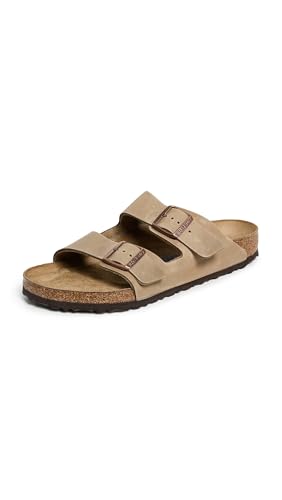
The Arizona is the most iconic sandal in the Birkenstock line and for good reason: the two-strap design distributes pressure evenly across the foot, the adjustable buckles accommodate swelling that changes throughout the day, and the soft footbed version adds cushioning that makes it appropriate for people with significant foot sensitivity. Available in suede, leather, and several seasonal colors. The sandal that goes with everything and asks very little in return.

For occasions that require something more polished than a two-strap sandal. Naot builds their footwear around a removable, cork-and-latex footbed that can be replaced with a custom orthotic — making them one of the most genuinely adaptive sandal options available. The Kayla’s strappy silhouette reads as dressed-up without requiring any of the foot compromise that usually comes with occasion sandals. Wide width options available.

For the sandals you already own that are close but not quite there. Slim-profile orthotic insoles designed for open-toe shoes add arch support and metatarsal cushioning without the bulk of a full insole. These are the bridge between the sandals you love and the support your feet require — a practical, affordable addition that extends the wearable life of shoes you’d otherwise have to retire.
On Grieving the Shoes You Used to Wear
Let’s name what this post is dancing around, because it deserves to be said directly: there is a real loss in this conversation. Not just the shoes themselves — the identity that went with them. The version of you that wore four-inch heels to a dinner and felt powerful in them. The strappy sandal that was just a sandal, not a medical decision. The spontaneous shoe purchase that didn’t require research into toe box width and heel drop and orthotic compatibility.
Chronic illness takes things from you in ways that don’t always have names. The shoe grief is real. It’s allowed to be real. It doesn’t have to be resolved before you start building something better — you can hold both things at once, the loss and the new wardrobe you’re building in its place.
What I’ve found, on the other side of that grief, is that the shoes I wear now fit my actual life in a way the others never could. They let me stay longer, go further, feel less. They make days possible that would have cost me too much before. That’s not a consolation prize. That is, in the most literal sense, a better shoe.
Advocating for your comfort is a skill — and it extends far beyond your shoe closet.
If you’ve ever struggled to explain to a doctor, a family member, or an employer exactly what your pain costs you and what you need to manage it, Say This: 30 Scripts for Chronic Pain Communication was written for those conversations. Thirty ready-to-use scripts for the moments that matter most — from dismissive appointments to the people in your life who still don’t quite understand. Because knowing what you need is only half of it. Being able to ask for it is the other half.
The Sneaker Edit: When You Need Function and Don’t Want to Sacrifice Form
The sneaker is the workhorse of a chronic illness shoe wardrobe — the one that goes to the long appointment, the slow walk, the physical therapy session, the day where you’re upright for longer than you planned. These four are elevated enough to wear with an outfit and supportive enough to actually do the job.

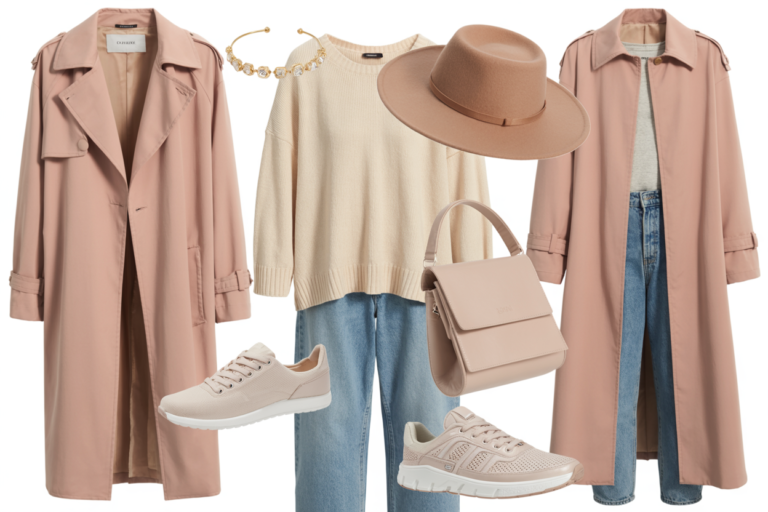
New Balance has built their reputation on genuine cushioning and support technology, and the 327 brings that in a retro-inspired silhouette that reads as a fashion sneaker first. The ENCAP midsole provides both cushioning and structured support — meaning your foot is held, not just padded. Wide width options available. One of the most consistently recommended sneakers in chronic pain communities for a reason.

Technically a slide, functionally a revelation. Hoka’s signature thick EVA midsole — the technology that made them the running world’s worst-kept secret — in a slip-on slide format. For post-appointment recovery, for around-the-house days when you still need foot support, or for the morning before you’ve decided what kind of day it’s going to be, the Ora Slide delivers more cushioning per step than almost anything else in this price range. Available in muted, wearable colorways.

The Brooks Ghost is a perennial top recommendation from podiatrists for people with chronic foot and joint pain — not because it’s designed as a medical shoe, but because it’s designed exceptionally well as a running shoe, which means the cushioning, stability, and arch support technology is genuinely advanced. In a neutral colorway — white, grey, blush — it reads as a clean lifestyle sneaker. Wide width available. Buy them a half size up if your feet swell during flares.

The practical everyday option that requires nothing from your hands or your energy to put on. A quality slip-on canvas sneaker with a memory foam insole is the shoe you grab on the hardest mornings — the one that asks the least of you while still giving your foot something to stand on. Look for an elastic gore panel at the instep for genuine ease of entry, and a sole with some flexibility rather than a rigid board.
How to Shop for Shoes When You Have Chronic Pain: A Practical Framework
Shopping for shoes with chronic pain requires a different approach than shopping for shoes without it — and having a framework before you walk into a store or open a product page makes the process less overwhelming and the outcome more reliable.
Shop in the afternoon. Feet swell throughout the day, and feet with chronic illness or circulation issues may swell more than average. A shoe that fits in the morning may be too tight by 3pm. Shopping when your feet are at their largest means the shoe will fit when you need it most.
Bring your insoles. If you use a custom orthotic or an over-the-counter insole, bring it with you. Try the shoe with the insole already in — it changes the fit significantly, and a shoe that fits without it may not fit with it.
Walk on a hard surface. Store carpeting absorbs impact and makes most shoes feel more cushioned than they are. If you can, walk on the hard floor near the entrance. That’s closer to the surface you’ll actually be wearing them on.
Trust the first five minutes. A shoe that requires breaking in is a shoe that’s hurting you while you break it in. For chronic pain, that’s a cost that isn’t worth paying. If a shoe doesn’t feel right within five minutes of wearing it in the store, it won’t feel right in three weeks either.
Size up if you’re between sizes. Especially if toe box compression is part of your pain picture. A half size up gives your toes room to move without making the shoe unwearable.
The Support Edit: Insoles, Heel Cups, and Foot Care Tools That Extend Every Shoe in Your Closet
These are the tools that work on the shoes you already have — the ones that close the gap between the footwear you love and the support your feet require. They’re also the lowest-cost, highest-return additions to a chronic illness shoe wardrobe.

The most consistently podiatrist-recommended over-the-counter insole available. Superfeet GREEN uses a high-density foam base with a deep heel cup and a structured arch that supports the foot from underneath rather than simply cushioning it from below — a meaningful distinction. Trim-to-fit design works in most shoe types. One of the few insoles that actually delivers what it promises for people with significant arch support needs.
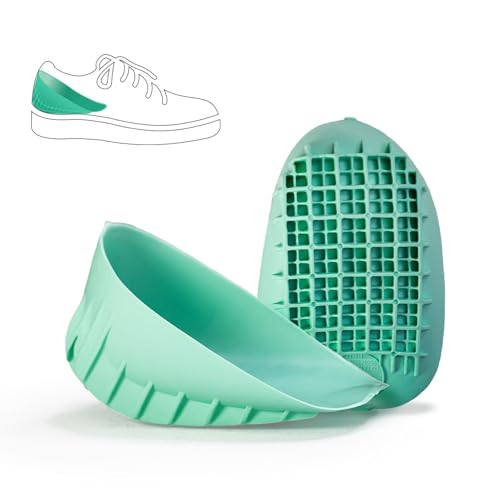
For plantar fasciitis, heel spurs, or any condition that makes the impact of each step land heavily in the heel. Tuli’s heel cups use a waffle-pattern silicone construction that absorbs and disperses shock at the point of impact — not just cushioning but actively redirecting force away from the heel. Fit inside most closed-toe shoes without altering the overall fit significantly.

For forefoot pain, metatarsalgia, or the burning sensation across the ball of the foot that develops after standing or walking. Metatarsal gel pads adhere inside the shoe just behind the toes, elevating and cushioning the metatarsal heads — the part of the foot that bears the most weight during the push-off phase of walking. Small, inexpensive, and one of the most targeted interventions available for forefoot pain without changing your footwear.

The end-of-day piece of the chronic illness shoe wardrobe. A textured massage ball rolled under the foot for five minutes after a day of being upright releases tension in the plantar fascia, stimulates circulation, and addresses the specific kind of foot fatigue that chronic pain amplifies into something that radiates up through the legs. Keep one under your desk, one on your nightstand. Low effort, immediate relief, and one of the most consistent recommendations from physical therapists for chronic foot pain management.
The Closet You’re Building Now
The shoes in the back of your closet — the ones you’re keeping for a version of your life that may not come back — deserve an honest conversation. Not a ruthless purge, not a grief-free letting go, but an honest one. What is staying because it still serves you? What is staying because giving it up feels like losing something you’re not ready to lose?
Both are allowed. You don’t have to resolve that yet. But alongside whatever you’re holding onto, start building the wardrobe that fits the life you’re actually living. The flat that lets you stay at the party longer. The sandal that makes summer possible again. The sneaker that goes to the appointment and comes home with you still standing.
That wardrobe is not a consolation prize. It is not the lesser version of the shoe closet you used to have. It is, in every practical sense, better — because it was built around the truth of your body rather than in spite of it. And there is something quietly powerful about that. About choosing, deliberately and specifically, what serves you.
That’s what this whole practice is. Not just the shoes. All of it. Choosing, as often as you can, what serves you — and releasing, slowly and gently, what doesn’t.
Your feet carry you through everything. They deserve shoes that carry them back.
You’ve learned to advocate for your feet. Now let’s talk about advocating for the rest of it.
If there are conversations you’ve been avoiding — with your doctor about what your pain actually costs you, with your family about what you actually need, with yourself about what you’re allowed to ask for — Say This: 30 Scripts for Chronic Pain Communication is the place to start. Thirty real scripts for thirty hard conversations, written for the moments when you know what’s true and can’t find the words to make someone else understand it too.