Silk and Satin Self-Care: Why the Fabric You Wear Every Day Is Doing More Than You Think
The content on this site was created with the help of AI. LOVEOWE LLC participates in the Amazon Services LLC Associates Program and other affiliate programs. As an Amazon Associate, I earn from qualifying purchases. This means I may earn a small commission—at no extra cost to you—when you make a purchase through links on this site. All opinions are my own. Learn more click here. Thank you for your support!
I used to think fabric was just fabric. You bought what fit, what was on sale, what looked right on the hanger. The idea that what I put against my skin could actually change how my body felt — that it could calm something down, or ramp something up, or make the difference between a manageable day and one that unraveled before noon — that wasn’t something I’d ever been taught to consider.
Then I had a bad stretch. The kind where everything felt like too much — light, sound, temperature, touch. My nervous system was running so hot that even the seams on a cotton t-shirt felt like an argument. I pulled on a satin slip I’d bought years ago for reasons I couldn’t remember and sat down on the edge of my bed. And something, very quietly, shifted. Not everything. Not dramatically. But the absence of friction — the way the fabric moved with me instead of against me — was the first moment that morning where my body stopped bracing.
That’s when I started paying attention to fabric the way I paid attention to everything else I put into and onto my body.
This post is about what I learned. It’s about why silk and satin aren’t just luxurious — they’re functional. Why the softness isn’t a bonus feature, it’s the whole point. And why choosing what you wear with the same intentionality you’d bring to what you eat or how you sleep is one of the quietest, most underrated forms of self-care available to you.
We’re going to get into the science of it, the real difference between silk and satin, how fabric affects your nervous system and your skin, and the specific pieces worth bringing into your wardrobe — from morning to night, good days and hard ones.
The Science Behind Why Fabric Affects How You Feel
Your skin is your largest sensory organ. It contains millions of nerve endings that are constantly sending signals to your brain — about temperature, pressure, texture, movement. For most people, this system runs quietly in the background. For people with chronic illness, chronic pain, fibromyalgia, lupus, eczema, sensory processing differences, or any condition that affects the nervous system, that background noise is often turned all the way up. Every sensation registers. Everything that touches your skin becomes information your brain has to process.
Rough, stiff, or synthetic fabrics create what’s called tactile friction — not just against your skin, but against your nervous system. They require your body to constantly manage low-level sensory input, which costs energy and can keep your stress response gently activated throughout the day. Over time, that adds up. It contributes to fatigue, irritability, and the specific kind of worn-down feeling that’s hard to explain because nothing dramatic happened — you just wore the wrong thing all day.
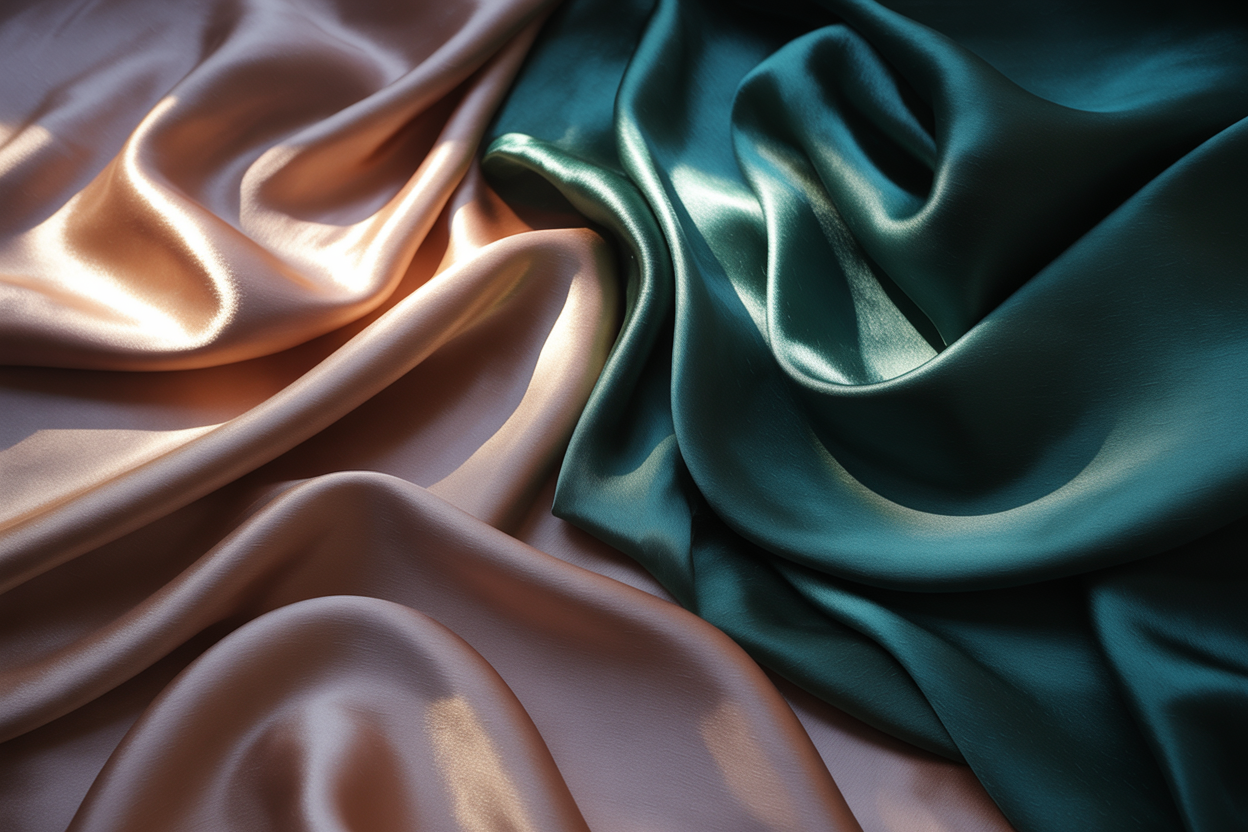
Silk and satin work differently. Silk is a protein fiber — structurally similar to human skin — which is part of why it feels so compatible with the body. It’s naturally thermoregulating, meaning it responds to your body temperature rather than working against it. It’s hypoallergenic, moisture-wicking, and so low in friction that it doesn’t create the kind of constant micro-resistance that rougher fabrics do. Satin, which is a weave rather than a fiber, replicates much of this smoothness at a more accessible price point.
The result, for people whose nervous systems are already working overtime, is something that feels less like wearing a fabric and more like wearing nothing at all. And that absence of sensation — that quiet — is not a small thing. It’s rest your nervous system doesn’t have to earn.
Silk vs. Satin: What’s Actually the Difference
This distinction matters for your wallet and for your care routine, so let’s clear it up simply. Silk is a natural fiber produced by silkworms. It’s genuinely thermoregulating, naturally hypoallergenic, and has a subtle luminosity that synthetic fabrics can’t fully replicate. It’s also more expensive and more delicate — hand wash or gentle cycle, no harsh detergents, no direct sunlight for drying.
Satin is a weave, not a fiber. It can be made from silk, but it’s most commonly made from polyester or a polyester-silk blend. The satin weave creates that characteristic smooth, slightly glossy surface and the fluid drape that feels so good against the skin. It’s much more affordable, generally easier to care for, and durable enough for everyday wear. For most people, high-quality polyester satin delivers the sensory benefits of smooth fabric at a fraction of the cost of pure silk.
The practical answer: invest in silk for the pieces that matter most — the pillowcase that’s against your face every night, the base layer you wear on your worst days. Reach for quality satin for everything else. Both earn their place in a self-care wardrobe. Neither is a compromise.
The Loungewear Edit: Silk and Satin Pieces for Every Part of Your Day
The foundation of a fabric-conscious wardrobe is what you reach for first — the pieces you put on when you’re at home, when you’re resting, when your body is determining what kind of day it’s going to be. These are four worth knowing.

A genuine investment piece. Mulberry silk is the highest quality silk available — softer, more durable, and more thermoregulating than lower-grade alternatives. This robe is the one you reach for on your worst mornings, when getting dressed feels like too much and you need something that wraps around you without demanding anything in return. Floor-length options offer the most coverage for pain and temperature sensitivity.

The everyday version of the silk robe experience. A quality satin pajama set in a relaxed fit is the piece that makes mornings feel intentional even when they’re hard. Look for sets with an elastic waist (no drawstrings to fumble with), long sleeves for temperature regulation, and a loose enough cut that there’s no compression against inflamed joints or tender skin.

For warmer days, overheating flares, or anyone who runs hot. A satin cami and shorts set is the closest thing to wearing nothing while still being dressed — relevant for days when sensory sensitivity is high and even the weight of fabric feels like too much. Choose a cami with adjustable straps and a relaxed, non-binding shorts cut.
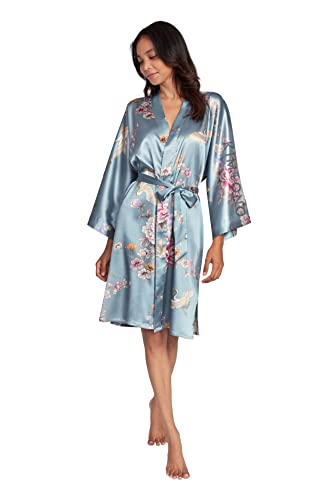
The most versatile piece in a silk-and-satin wardrobe. A lightweight satin kimono works as a layer over a lounge set, as a coverup on a flare day when you need the comfort of being wrapped without the heat of a heavier robe, and as an elevated piece you can actually wear outside your bedroom. Tie closures mean no buttons, no zippers, no fastenings that require dexterity.
What Silk Does for Your Skin (That Other Fabrics Don’t)
Beyond the nervous system piece, silk and satin offer specific, documented benefits for the skin — benefits that matter more when your skin is already dealing with the effects of chronic illness, medication, inflammation, or hormonal shifts.
Cotton, for all its breathability, is a relatively rough fiber at the microscopic level. It creates friction against skin, which over time contributes to sleep creases, hair breakage, and for people with sensitive or reactive skin, low-grade irritation that keeps inflammation slightly elevated. Rough synthetic fabrics are often worse — they trap heat, don’t wick moisture effectively, and can feel scratchy even when they look fine.
Silk’s protein structure means it doesn’t strip moisture from skin the way cotton does. It also has a natural temperature-regulating property that helps skin stay at a more consistent temperature through the night and throughout the day — relevant for anyone with conditions that affect circulation, temperature sensitivity, or inflammatory skin responses. For people managing eczema, psoriasis, lupus rashes, or medication-related skin changes, the difference between sleeping on a cotton pillowcase and a silk one can be genuinely significant.
Satin, while not identical, replicates the low-friction surface that makes most of this possible. For everyday wear and sleep, high-quality satin delivers most of the skin benefits of silk at a price that makes it sustainable to actually use rather than save for special occasions.
The Silk Pillowcase: The Single Most Impactful Upgrade in This Entire Post
If you take one thing from everything written here, make it this: change your pillowcase. You spend six to nine hours a night with your face pressed against it. The friction, temperature, and moisture absorption of that surface affects your skin, your hair, and the quality of your physical rest in ways that compound every single night. A silk pillowcase is not a luxury. It is maintenance.

The benchmark. Slip’s pillowcases are made from 22-momme mulberry silk, which is the weight that delivers the full thermoregulating, low-friction, moisture-retaining benefit. The color range includes several shades that feel specifically right for a LOVEOWE aesthetic — blush, caramel, and white are the standouts. This is the invest-once, use-forever piece of the silk wardrobe.

A more accessible entry point into genuine silk without compromising significantly on quality. Nineteen-momme silk is slightly lighter than 22-momme but still delivers the essential benefits — low friction, temperature regulation, moisture retention. The hidden zipper keeps the pillow secure through the night, which matters when restless sleep or frequent repositioning is part of your reality.

The honest everyday option. Bedsure’s satin pillowcases are among the most consistently reviewed in their category — smooth, low-friction, and available in a wide range of colors including blush, ivory, and deep rose that photograph beautifully and hold up well through repeated washing. Buying two means you always have a clean one ready, which matters on hard days when laundry is low on the priority list.
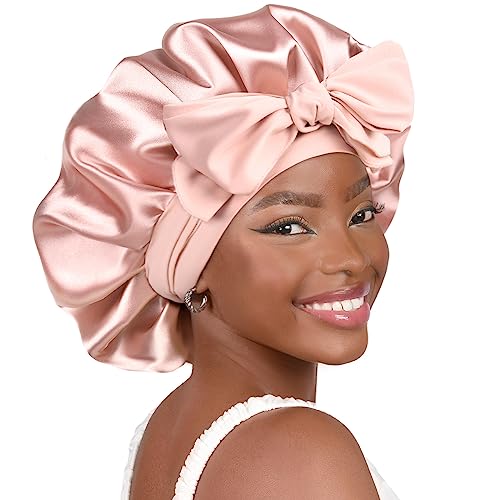
Because the silk pillowcase conversation has to include hair. For natural hair especially, sleeping without a protective covering means cotton friction against strands all night — breakage, dryness, disrupted curl pattern. A satin bonnet or silk-lined sleep cap is the hair-specific piece of this puzzle: low-effort, high-return, and the thing that makes every other hair care investment actually work.
How to Dress in Silk and Satin Beyond the Bedroom
The mistake most people make with silk and satin is keeping it purely in the sleepwear category. But the nervous system doesn’t stop being sensitive when you leave the house. The sensory benefits of smooth, low-friction fabric don’t stop mattering when you put on real clothes. Taking this approach into your actual wardrobe — the things you wear to appointments, to work, to the occasions you have to show up for even on hard days — is where the self-care application becomes genuinely radical.
A silk blouse instead of a cotton oxford. A satin slip dress layered under a blazer. A satin-lined jacket that doesn’t create that scratchy-wool-against-arms sensation that makes focus impossible. These are not just aesthetic choices. They’re decisions about how much sensory input your body has to manage throughout a day when it’s already managing a great deal.
The key is fit. Silk and satin that clings creates its own kind of sensory noise — the constant awareness of fabric moving with every breath. The pieces that work best for chronic illness are the ones with ease built in: relaxed through the body, not restrictive around the waist, with sleeves that don’t bind at the elbow or wrist. The goal is wearing something so compatible with your body that you forget you’re wearing it at all.
Dressing for your body is one form of self-advocacy. Speaking up for it is another.
When you’ve spent years learning to accommodate a body that requires more care than most, advocating for that body — in doctor’s offices, with family, at work — becomes one of the most important skills you can develop. Say This: 30 Scripts for Chronic Pain Communication gives you the exact language for thirty of those conversations, written for the moments when you know what you need but can’t find the words to ask for it.
Taking Silk and Satin Into Your Actual Life: The Daywear Edit
These are the pieces that bridge the gap between loungewear and fully dressed — the ones that let you take the sensory benefits of smooth fabric into the world without sacrificing the look of someone who has it together.

The most versatile piece in this entire post. A midi-length satin slip dress works alone on warm days, layered over a long-sleeve top or under an oversized blazer for cooler ones, dressed up with simple jewelry for appointments where you need to feel polished, and dressed down with sneakers for everything else. The length provides coverage without compression, and the slip silhouette means no waistband, no zipper digging in, nothing to manage.

Easy buttons to navigate on stiff-fingered mornings, no pullover that requires raising your arms above your head on a shoulder-pain day. The satin surface is professional enough for any setting and sensory-friendly enough for a hard one. Wear it tucked loosely into wide-leg trousers or left open over a cami — both work, neither requires precision.

The inside of your trousers matters as much as the outside. Unlined pants — especially in linen, denim, or rough cotton — create constant friction against the thighs and lower legs throughout the day. Satin-lined wide-leg trousers eliminate that. The wide leg also means no compression at the knee or ankle, which matters for anyone dealing with swelling, joint sensitivity, or circulation issues. Look for an elastic waistband over a button-and-zip closure.
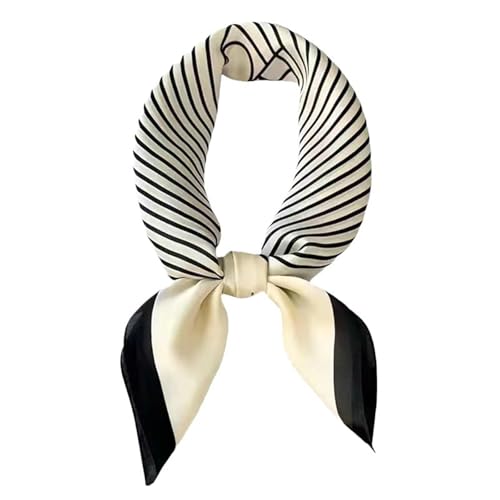
The finishing piece that does three things: protects natural hair from friction and weather, adds an intentional, elevated element to any outfit, and on days when washing or styling hair isn’t possible, makes it look like a choice. A square silk or satin headscarf tied at the nape, wrapped as a headband, or knotted at the crown is the low-effort, high-impact accessory that belongs in every LOVEOWE wardrobe.
Building a Silk and Satin Wardrobe Without Starting Over
You don’t need to replace everything you own. You need a few anchor pieces — the ones you reach for on your hardest days, the ones that become so associated with feeling a little better that putting them on becomes part of how you take care of yourself. Start there.
The pillowcase first, because it works while you sleep and requires nothing from you. The robe or kimono second, because it’s the thing you put on before anything else in the morning — before you’ve decided what kind of day it’s going to be. The slip dress or wrap blouse third, because having one piece in your daywear wardrobe that you know is safe — that you know won’t add to whatever you’re managing — is worth more than ten pieces that might.
From there, you add slowly and intentionally. You notice what helps. You pay attention to your skin, your nervous system, your energy levels at the end of days when you wore rough fabric versus smooth. You let your body tell you what it needs and then you believe it — which is, ultimately, what all of this is about.
The Silk and Satin Hair and Body Edit
The fabric self-care conversation extends past clothing and bedding. These are the silk and satin tools for your hair and body that complete the practice — the pieces that protect your skin and hair from friction throughout the day and night.

Standard elastics create tension and crease at the point of contact — relevant for people with hair breakage concerns, scalp sensitivity, or headaches triggered by tight hair ties. Satin-wrapped ties hold without pulling, don’t leave a crease in the hair, and are gentle enough to wear during a flare without adding any sensory distraction at the scalp.

The elevated version of the satin hair tie. Slip’s scrunchies are made from the same mulberry silk as their pillowcases — the surface is so smooth that even delicate, heat-processed, or natural hair moves through it without catching. The skinny size works for updos that need to feel secure without feeling tight. A small luxury that earns its cost if your hair or scalp is part of what your body is managing.
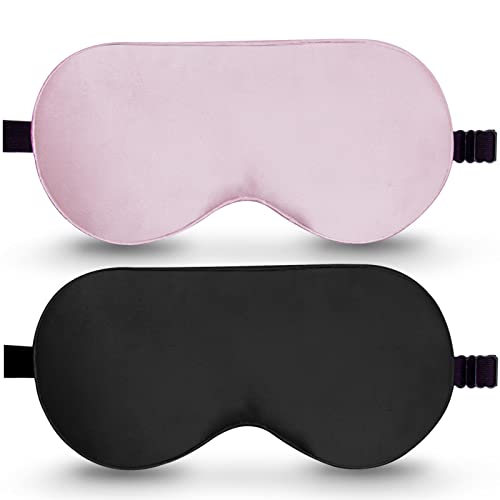
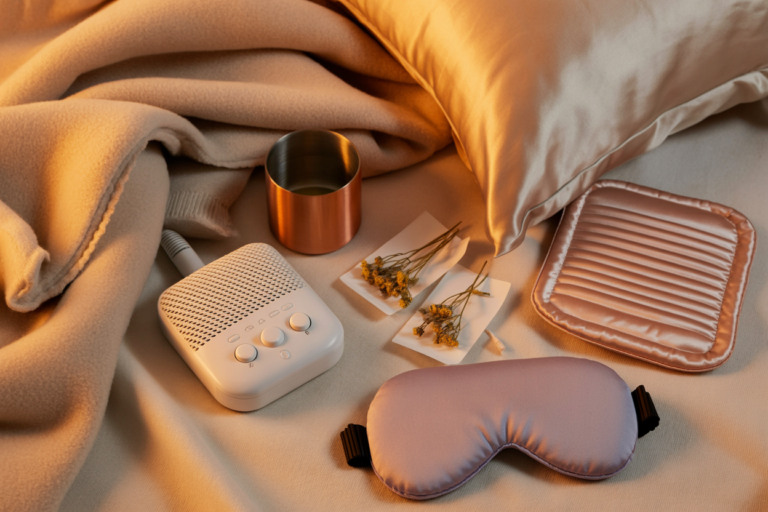
For anyone with light sensitivity, migraine, or sleep disruption — which covers a significant portion of the chronic illness community — a satin sleep mask is one of the most effective, lowest-effort tools available. The satin surface means no fabric friction against the delicate skin around the eyes, the adjustable strap means no pressure headache from elastic, and the complete darkness it creates is one of the most reliable nervous system regulators there is.
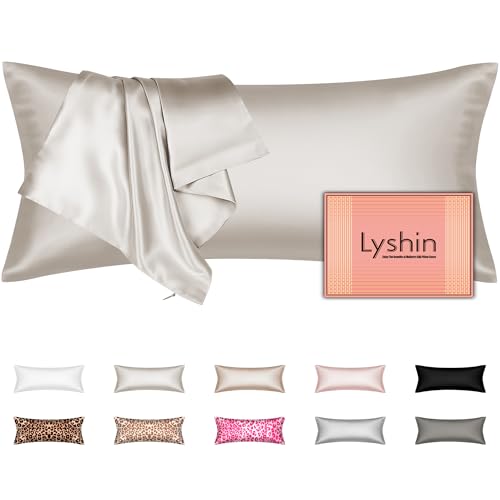
For people who sleep with a body pillow for joint support, pregnancy, or chronic pain positioning — the cover matters as much as the pillow itself. A rough cotton body pillow cover creates friction along the full length of your body all night. A silk or high-quality satin cover eliminates that. If a body pillow is part of how you manage pain at night, the cover is worth the upgrade.
The Real Reason This Matters
Fabric is easy to dismiss. It sounds like the kind of thing someone says when they’ve never had a day where everything hurt and the texture of their own clothes made it worse. But if you’ve had that day — if you know exactly what it feels like when your nervous system is so overloaded that the seam on a sock becomes the thing that finally makes you cry — then you already understand why this matters.
Self-care is not always dramatic. It is not always a bath or a ritual or a meditation practice or a hard conversation you finally had. Sometimes it is the quiet, unglamorous decision to stop wearing things that hurt you. To stop tolerating friction because you didn’t know you were allowed to demand something softer. To treat your skin, your nervous system, and your body’s sensory experience as information worth responding to.
The fabric you choose is a daily, wearable form of that decision. It says: I know what my body needs. I believe it deserves to have it. And I’m going to give it that, starting today, starting with the simplest thing I put on in the morning.
That is self-care. That is self-love. And you deserve both.
Knowing what your body needs is step one. Being able to ask for it is step two.
If advocating for your body — with doctors, with family, with anyone who has ever minimized what you’re managing — feels harder than it should, Say This: 30 Scripts for Chronic Pain Communication was written for you. Thirty ready-to-use scripts for the conversations that matter most, from the dismissive appointment to the family dinner where nobody understands. You already know what you need. This gives you the words.