
Cool, Calm and Collected: How to Make Your Bedroom Feel Like a Summer Sanctuary
The content on this site was created with the help of AI. LOVEOWE LLC participates in the Amazon Services LLC Associates Program and other affiliate programs. As an Amazon Associate, I earn from qualifying purchases. This means I may earn a small commission—at no extra cost to you—when you make a purchase through links on this site. All opinions are my own. Learn more click here. Thank you for your support!

My bedroom used to turn against me every June.
Not dramatically — it didn’t suddenly become uninhabitable. But gradually, as the temperatures climbed, the room that was supposed to be my sanctuary became the room I was slightly dreading going into. Too warm by nine in the morning. Light coming through curtains that weren’t designed to block summer sun. The duvet I loved in February now sitting folded on a chair because sleeping under it was out of the question. Everything slightly off. Nothing quite right. A space that had stopped actively supporting rest without my ever making a decision to let that happen.
The shift, when I finally made it, wasn’t expensive or dramatic. It was a series of deliberate summer swaps — bedding that breathes, curtains that actually block the light, a specific quality of warmth in the lamps that made the evenings feel genuinely different. The addition of a few things that turned a bedroom functioning adequately for winter into one designed for summer.
If your bedroom feels like the hardest room to be in right now — too bright, too warm, too un-restful for the season — this is the guide for transforming it. Not a renovation. A refresh. The summer version of the sanctuary your nervous system deserves year-round.
Summer bedding: the layer swap that changes everything
Nothing undermines a summer bedroom faster than winter bedding that didn’t get the memo. A heavy duvet in July is not just uncomfortable — for anyone with heat sensitivity, temperature dysregulation, or conditions that affect sleep quality, it’s actively working against the rest your body needs. The bedding swap is the highest-return bedroom change of the summer, and it costs less than most people expect.
The summer duvet or lightweight blanket. A summer-weight duvet — typically rated at 4.5 tog or less — provides the psychological comfort of sleeping under something without the heat buildup of a standard duvet. Alternatively: a lightweight cotton or linen blanket replaces the duvet entirely for people who find even a summer-weight insert too warm. The goal is something you can have on the bed that you’ll actually sleep under rather than kicking off at three in the morning. Bamboo or eucalyptus fill in a summer duvet provides temperature regulation beyond what standard polyester fill offers.
Cooling sheets. The sheet is the layer in direct contact with your skin, and in summer that contact matters enormously. Bamboo sheets, TENCEL (lyocell) sheets, and percale cotton sheets (as opposed to sateen, which has a denser weave that traps more heat) are the three consistently recommended options for cooling sleep. Bamboo in particular has a micro-gap fiber structure that genuinely regulates temperature rather than just feeling cool initially — it stays cool through the night rather than warming to body temperature and staying there. A set of high-quality summer sheets is the single most impactful sleep investment of the season.
The linen pillowcase. Even if you change nothing else about your bedding, switching to linen pillowcases in summer makes a perceptible difference. Linen breathes better than cotton, stays cooler, and softens with every wash — the washed linen pillowcase that goes on the bed in May becomes the softest thing in the room by August. For people who wake frequently in the night from heat or pain, a cool, soft pillowcase is worth more than it sounds.
The light layer system. A sheet plus a light cotton or gauze throw folded at the foot of the bed covers the full range from warm nights to air-conditioned coldness without a full bedding decision at two in the morning. Particularly useful for anyone whose temperature needs shift unpredictably through the night — which is a significant portion of people managing chronic illness.
Your bedroom in summer should feel like stepping into a cool, quiet exhale. The bedding is where that exhale starts.
Summer bedding worth the switch

The most impactful single summer bedroom purchase. Bamboo sheets genuinely regulate temperature throughout the night rather than just feeling cool initially — the fiber structure is what does this, not a treatment that washes out. Look for 100 percent bamboo viscose or bamboo lyocell, a thread count between 300 and 400 (higher is not better in bamboo — it reduces breathability), and a deep pocket if your mattress has a topper.

A linen duvet cover changes the thermal properties of whatever insert you have inside it — the linen exterior breathes significantly better than cotton or polyester, making a standard duvet usable into early summer. In washed oatmeal, warm white, or dusty sage, a linen duvet cover is also the single most aesthetically impactful bedroom change available.

Pre-washed linen pillowcases that arrive soft rather than requiring a break-in period. Get two sets so one is always clean and available — the pillowcase is the highest-contact item in the bedroom and benefits from frequent washing, particularly in summer.

The foot-of-bed layer that covers the full temperature range of summer nights. Cotton gauze breathes better than knit or fleece, feels genuinely light, and layers beautifully over linen bedding. In cream, soft white, or warm sand, it reads as a deliberate design choice while functioning as the versatile temperature-management tool it actually is.
Cooling strategy: working with summer rather than fighting it
A summer bedroom that actually stays cool requires more than a single fan pointed at the bed. Temperature management in a room is a system — blocking heat before it enters, circulating air once you’re in the room, and addressing the specific microclimate of the sleeping surface. Each of these is a different problem that requires a different solution.
Block heat during the day, not just at night. The single most effective temperature management strategy for a bedroom is keeping heat from entering in the first place. Blackout curtains or cellular shades kept closed on the sun-facing sides of your bedroom from late morning through early evening can keep a room six to twelve degrees cooler than the same room with open curtains. This feels counterintuitive when you want natural light, but the thermal difference on a hot afternoon is significant. Opening windows in the early morning when outside air is cooler than inside air — and closing them before the outside temperature surpasses the indoor temperature — creates natural cooling without any electrical cost.
Cross-ventilation over single-point airflow. A fan pointed directly at you cools through evaporation but doesn’t actually reduce room temperature. A window fan that draws hot air out of the room (facing outward in the hottest window) while another window is open on the cooler side creates cross-ventilation that actually reduces air temperature rather than just moving hot air around. For rooms where this isn’t possible, a tower fan with an oscillation function distributes air more effectively than a stationary directional fan.
Address the sleeping surface specifically. The mattress and the body together generate heat that has nowhere to go on a warm night. A cooling mattress pad or topper with a gel or copper-infused surface layer draws heat away from the body more actively than a standard mattress surface. Combined with bamboo sheets and a summer-weight duvet, this addresses the sleeping surface as a system rather than hoping the sheets alone are enough.
A bedside cooling station. Cold water within reach. A cooling towel on the nightstand. A small fan angled toward the pillow at low speed. These micro-scale cooling tools make the difference between a night you get through and one you actually sleep through — particularly for anyone with conditions that cause night sweats, heat flashes, or temperature dysregulation in the early hours.
Cooling tools worth adding to a summer bedroom

Thermal-lined blackout curtains that seal along the sides as well as across the face of the window provide both heat blocking and light blocking — two problems solved simultaneously. Floor-length panels read as more intentional and more elegant than shorter options and create the enveloping, room-darkening effect that genuinely changes sleep quality. Linen-look fabric in cream, warm white, or natural linen keeps the aesthetic soft rather than functional-looking.

A tower fan with oscillation, multiple speed settings, and a sleep timer that reduces to low after an hour distributes air without the noise of a box fan and without a single directional airflow that wakes you when you move away from it. Look for a model with a remote so you can adjust from bed without getting up — a small consideration that earns its place on hard nights.
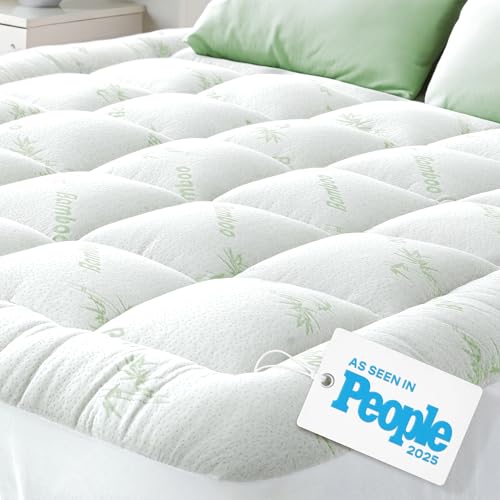
A cooling mattress topper addresses the sleeping surface specifically — the one layer that bedding changes alone can’t fully address. Gel-infused or copper-infused foam toppers draw heat away from the body more actively than a standard mattress surface. Look for a thickness between one and two inches so it doesn’t change the feel of the mattress significantly while still providing the thermal regulation you need.

A vacuum-insulated carafe keeps water cold through the night without needing ice — you fill it before bed and the water is still cold at three in the morning. Having cold water immediately accessible without reaching for a phone or turning on a light is the kind of low-friction nighttime accommodation that costs very little and earns back in sleep quality consistently.
Summer bedroom lighting: managing the longest days
Summer light is one of the most beautiful things the season offers and one of the most disruptive forces in a bedroom designed for rest. The sun rises early and sets late, which means a bedroom without deliberate light management is operating on summer’s schedule rather than yours — flooding with light hours before you want to be awake, and staying bright well into the evenings when your nervous system should be beginning to settle.
Blackout during sleep, beautiful during waking hours. The same blackout curtains that block heat during the day block light during sleep — one solution serving both functions. What changes is the quality of light you add back in during the hours you’re awake in the room. The bedroom in summer should transition from darkened rest space to warmly lit sanctuary as you move through your day in it, and that transition should feel intentional rather than accidental.
Warm lamps instead of overhead light. Standard overhead light in a bedroom is rarely the right light for any part of the day in summer. Too bright in the mornings, too stimulating in the evenings. Replace or supplement overhead lighting with lamps at nightstand height and lower — warm-spectrum bulbs at 2700K or below, positioned so the light pools around your rest areas rather than flooding the room uniformly. A single warm lamp beside the bed, turned on in the morning before the curtains are opened, transitions the room from sleep to waking more gently than a ceiling light ever will.
Golden-hour light as an evening ritual. Opening the curtains in the late evening after the heat drops — for ten to twenty minutes of dusk light — is a form of circadian support that no lamp can replicate. Natural summer light at dusk is one of the most nervous-system-supportive things available, and it costs nothing.
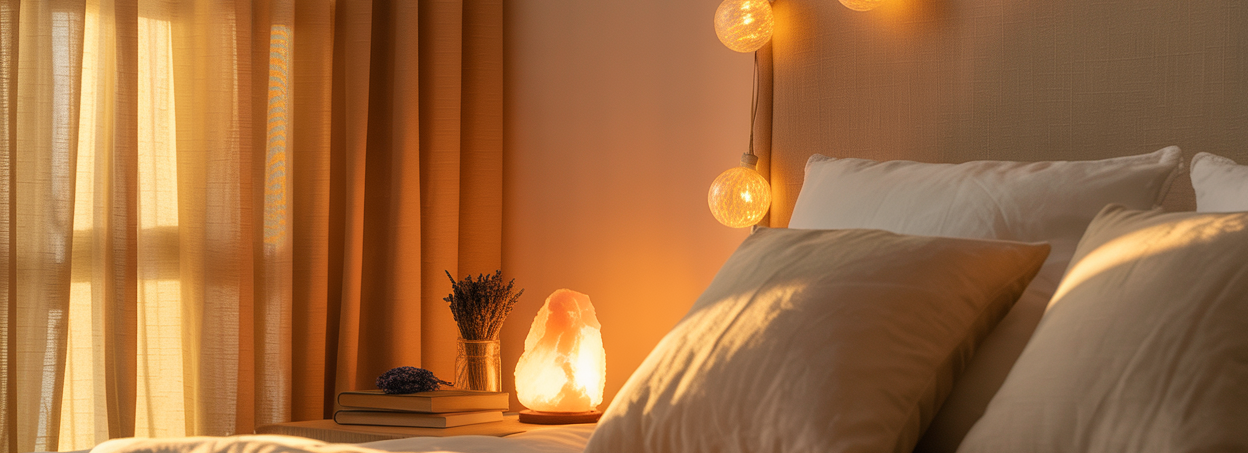
String lights for summer magic. The bedroom aesthetic that Pinterest returns to every summer without fail is string lights — warm Edison bulbs draped above the headboard or along a window frame. There is a reason this keeps coming back: the quality of warm, point-source light from string lights at lower intensity is genuinely different from lamp light, closer to candlelight in its effect on the nervous system, and it creates a quality of summer-evening atmosphere in an indoor space that changes how the room feels at night. They’re inexpensive, require no installation, and are among the most effective per-dollar aesthetic and atmospheric upgrades available for a summer bedroom.
Summer bedroom lighting that supports rest and ritual

Draped above the headboard, along a window frame, or woven through a canopy, warm white Edison string lights transform the evening quality of a summer bedroom more effectively than almost any other single addition. Look for 2700K or lower and a plug-in style that doesn’t require hardwiring. Battery-operated versions offer placement flexibility but require more maintenance.

A warm-toned bedside lamp — in rattan, linen shade, or natural wood — is the ambient lighting anchor for a summer bedroom. The shade material matters: linen or fabric shades diffuse light warmly rather than directing it sharply the way glass or metal shades do. Get one for each side of the bed and use them in place of overhead lighting from evening through morning.

A salt lamp on the nightstand produces the warmest, most non-stimulating evening light available — close to candlelight in quality, gentle on eyes that may be sensitive after a long day, and deeply calming in the amber tones it casts. For anyone who struggles to wind down in the evening, replacing phone light with salt lamp light in the last hour before sleep is a meaningful shift.

A plug-in dimmer that goes between the lamp cord and the outlet requires no wiring and gives you full light intensity control — bright enough to read by in the morning, dim enough to wind down in the evening. One for each lamp in the bedroom gives you complete control over the room’s light environment across the full range of a summer day.
Plants and scent: the living elements of a summer sanctuary
A summer bedroom sanctuary isn’t just a room with good temperature management and beautiful bedding. It’s a space that feels alive in a specific way — that has something growing in it, something scented in a way that the body recognizes as safe and restorative. Plants and scent are the elements that move a room from decorated to genuinely inhabited, and in summer they earn their place more than in any other season.
Plants that thrive in summer and contribute to the room. Summer is when indoor plants are at their most active and most beautiful — and when the air-purifying benefits they provide matter most, as closed windows and air conditioning recirculate indoor air. A snake plant beside the bed filters air and releases oxygen at night. A small aloe vera plant on the windowsill provides both a visual element and a practical one — aloe gel applied to sun-exposed skin after a day outside is one of the most immediately soothing things available. Trailing pothos from a high shelf adds movement and living texture in a way that static decor can’t replicate. For chronic illness specifically, the visual presence of growing things in a rest space has documented effects on cortisol and nervous system state that are worth taking seriously.
Lavender as the summer scent anchor. Lavender is the most researched aromatherapy option for sleep support and nervous system calm — the evidence for lavender’s effect on cortisol, sleep quality, and anxiety is more consistent than for almost any other scent. In summer, a small lavender plant on the windowsill provides both visual softness and a gentle, constant ambient scent that doesn’t require any action. A dried lavender bundle in a small vase on the nightstand. A linen spray with lavender and chamomile misted over the pillow before sleep. These are the summer scent rituals that layer into a room that smells like rest.
Light, clean scents over heavy ones. The heavy, spiced, or deeply woody scents that work in a winter bedroom feel oppressive in summer heat, particularly for anyone with fragrance sensitivities. Summer bedroom scent should be light, clean, and cooling — eucalyptus for clarity and breathing ease, peppermint in a diffuser for cooling effect, citrus notes that feel like fresh air rather than perfume. Essential oil diffusers set to a low, intermittent setting provide ambient scent without saturating the air in a way that can trigger sensitivities.
Fresh flowers on a nightstand or windowsill. A small vase of whatever is available — garden stems, a few from the grocery store, wildflowers — is the detail that costs the least and changes the room the most. Flowers are a daily signal: this space was tended to. That signal is worth more than its price.
Plants, scent, and living details for a summer sanctuary

A diffuser with an auto-shutoff and a bottle of pure lavender essential oil is the most research-supported aromatherapy investment for a summer bedroom. Run it for thirty to sixty minutes before sleep rather than continuously — the intermittent use prevents olfactory habituation and keeps the effect meaningful. Lavender and chamomile combined is the most effective sleep-support blend.

The most forgiving, most air-purifying, and most architecturally beautiful bedroom plant available. Tolerates low light, irregular watering, and significant neglect — which suits a bedroom whose owner’s energy is sometimes needed elsewhere. Releases oxygen at night and filters airborne toxins. In a clean white or terracotta pot, it reads as both functional and intentional.

A tied bundle of dried lavender in a small vase on the nightstand provides ambient scent without any management — no diffuser to fill, no spray to apply. The scent fades gradually over weeks, which means it becomes a gentle background note rather than an overwhelming presence. Replace every four to six weeks through the season or whenever the scent no longer carries.

A set of small bud vases in matte ceramic — in cream, dusty rose, or sage — on the nightstand or windowsill gives fresh flowers a home that looks intentional rather than improvised. The small size means a single stem, a few wildflowers, or one branch from the garden is enough to fill the vase and change the quality of the room.
Building a bedroom that supports your rest and healing is one way to advocate for yourself through the summer. Showing up for yourself in the medical spaces that shape your health is another. If you’re working on that piece, Say This: 30 Scripts for Chronic Pain Communication gives you the language for 30 real situations — so you can walk into every appointment this summer as grounded as you feel in the sanctuary you’re building. Get your copy of SAY THIS here
The summer bedroom you deserve to sleep in
A bedroom that works in winter doesn’t automatically work in summer. The light is different, the heat is different, the way your body responds to the room is different. A room that supported you through February needs deliberate attention to support you through July — and that attention doesn’t require starting over or spending significantly. It requires a few key swaps, a couple of well-chosen additions, and the decision to treat your sleep environment as something worth tending to through every season.
Start with the bedding. Then the curtains. Add a fan that actually moves air rather than just displacing it. Put a plant on the windowsill. Drape string lights above the headboard. Mist the pillow with lavender before you sleep.
Build toward the bedroom that meets this summer’s body — the one that’s managing heat and pain and the particular challenge of rest when rest is already harder than it should be. Build it deliberately, one swap at a time, in the direction of a room that says: this is where you recover. This is where the season gets to be soft.
You deserve to sleep well this summer. Your bedroom can help with that.