Dressy Two Piece Sets for Chronic Illness: Looking Gorgeous at Every Event Without Paying for It Later
The content on this site was created with the help of AI. LOVEOWE LLC participates in the Amazon Services LLC Associates Program and other affiliate programs. As an Amazon Associate, I earn from qualifying purchases. This means I may earn a small commission—at no extra cost to you—when you make a purchase through links on this site. All opinions are my own. Learn more click here. Thank you for your support!
Because you deserve to show up beautifully — in this body, at this event, right now
For years I kept a small category of clothing in the back of my closet that I called, in my head, “for when I feel better.” A dress I loved but couldn’t wear because the back zipper required someone else’s hands. A blazer that looked exactly right but made my shoulders ache after forty minutes. A pair of trousers with a waistband that worked fine on normal days and became a problem by the second hour of any event. I kept them because I couldn’t quite let go of the version of myself that wore them without thinking — and I kept not wearing them because that version of myself didn’t always show up when I needed her.
The shift happened at a dinner I almost didn’t go to. I had agreed to attend before I understood how the week before it would go, and by the day of the event I was managing enough symptoms that getting dressed felt like its own separate obstacle before I’d even gotten to the logistics of the evening itself. I stood in front of my closet for a while. And then I put on a satin wide-leg set I had ordered three weeks earlier and hadn’t worn yet — elastic waist, pull-on top, fabric soft enough that I forgot I was wearing it within ten minutes — and I went.
That night I looked, by any reasonable measure, dressed up. People said so. I felt it too — not the performance of feeling it, but the actual thing, the sense of having shown up as myself rather than as a diminished version of myself trying to pass. And I paid almost nothing for it afterward. A little fatigue, which was expected. None of the additional cost that used to come from the wrong clothing compounding everything else my body was already managing.
That is what this post is about. Not compromise dressing — not “here are some comfortable options if you can’t manage real clothes.” Genuinely beautiful, genuinely dressy two piece sets that happen to also work for the body you have on an event day. The ones that let you show up looking like you tried, because you did, just not in the direction of suffering.
Satin wide-leg trouser sets: the dressiest pull-on option that exists
Satin wide-leg trousers paired with a matching top is the combination that does the most work for the least physical cost in the dressy two piece category. The silhouette reads formal — it photographs as intentional and elevated, it holds its own at dinners and events and celebrations without requiring any additional effort to look right — and the construction, when you find the right pieces, requires almost nothing from your body to wear.
What makes satin work for chronic illness specifically is the fabric itself. It moves with the body rather than against it. It doesn’t create friction against sensitive skin. It doesn’t compress, doesn’t constrict, doesn’t generate heat the way structured fabrics do. Against an already-sensitized nervous system, satin is often the most tolerable dressy option available — and it happens to also be one of the most beautiful.
The details that matter when you’re choosing a satin set for chronic illness wear: elastic waist on the trousers, always. A pull-on top with enough stretch to go on without a zipper or button. Lining, because unlined satin can be clingy in ways that are uncomfortable and unflattering simultaneously. And a fabric weight that has enough body to drape rather than cling — too light and it shows everything, too heavy and it stops moving the way satin is supposed to.
Wide-leg specifically is worth emphasizing. The wide leg creates visual length and formality without any of the compression or restriction that comes from a fitted trouser. It accommodates swelling, bloating, and the day-to-day variation in how your lower body feels without requiring you to plan around it. It is, in the best possible way, forgiving — and it looks nothing like forgiveness. It looks like a choice.
Satin wide-leg trouser sets for events

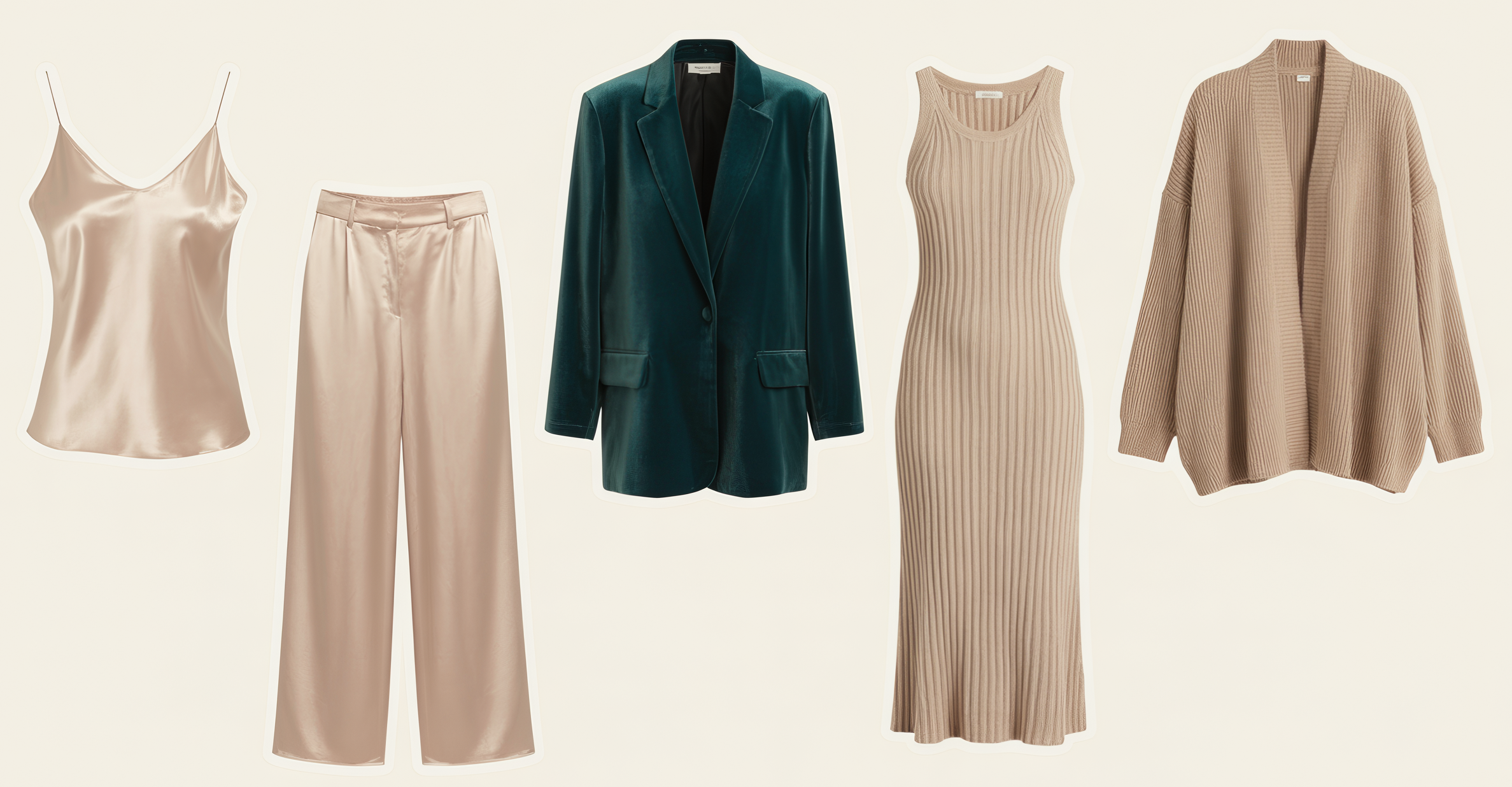
A matching satin top and wide-leg palazzo pant set is the foundational piece in this category. Look for a set where the cami has adjustable straps and enough coverage to wear without layering, and where the trousers have a fully elasticated waist with no visible waistband structure. The palazzo silhouette — wider than a standard wide leg, nearly floor-length — reads extremely formal while moving like pajamas. Ivory, champagne, and dusty rose are the color options that photograph most beautifully and read as most intentionally dressy.

For events in cooler months or environments where a cami would leave you cold, a long-sleeve satin blouse paired with matching wide-leg trousers gives you full coverage at the same formality level. Look for a blouse with a relaxed fit through the sleeve — not tight, which restricts arm movement and becomes uncomfortable — and a v-neck or wrap neckline that doesn’t require pulling over the head. The long sleeve eliminates the need for a separate layer, which reduces the number of pieces you have to manage getting dressed.

A crop top and high-waist wide-leg set creates the illusion of a longer torso and a more structured silhouette without any of the structure in the actual garment. The high waist on the trouser covers the midsection fully, which means the crop top reads as styled rather than revealing. Look for a wide, soft waistband on the trouser — wide waistbands distribute pressure more evenly than narrow ones and are significantly more comfortable for anyone managing abdominal sensitivity or bloating.
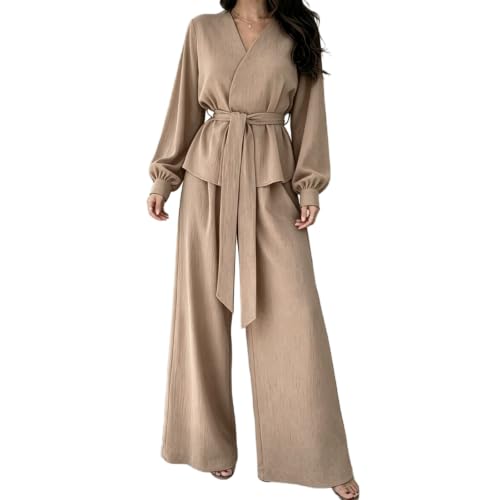
A wrap top paired with matching wide-leg trousers is the most adjustable option in this category — the wrap tie allows you to customize the fit at the torso to wherever it’s comfortable on any given day, which accommodates the kind of bloating and swelling variation that makes fixed-size tops unreliable for event dressing. Look for a wrap that ties at the side rather than the back, which is significantly easier to manage without help.
Velvet two piece sets: the winter event option that feels like wearing a hug
Velvet has a particular quality that makes it one of the best dressy fabrics for chronic illness bodies specifically: it is simultaneously warm, soft, structured-looking, and forgiving. A velvet set reads formal in a way that very few other fabrics do — it carries the event without you having to do anything additional to elevate it — and modern velvet with stretch content moves with the body in a way that traditional velvet does not.
Stretch velvet is the distinction that matters here. Traditional velvet is a woven pile fabric with no give — beautiful, but unforgiving in fit and restrictive in movement. Stretch velvet uses a knit base with velvet pile on the surface, which means it moves, accommodates, and drapes like a knit while looking like velvet. For chronic illness dressing, this is the version you want. It sits at the intersection of looking exactly right and feeling like it could double as loungewear — which, on an event day when your body is already managing more than usual, is the intersection worth living in.
Color is worth thinking about with velvet. Deep jewel tones — emerald, burgundy, navy, plum — are the most traditional event choices and also the most forgiving in terms of what they show. Lighter velvet colors photograph beautifully but can show texture variations that darker shades absorb. For an event where you want to look unquestionably put-together without thinking too hard about it, a deep jewel-tone velvet set is the choice that does the most work on your behalf.
Velvet two piece sets for winter events

A stretch velvet blazer paired with matching wide-leg trousers is the most formal two piece set in this entire category — it reads as a suit, photographs as a suit, and requires nothing from your body to wear that a matching knit set does not. Look for a blazer with an open front or single large button rather than a structured lapel closure, and trousers with a full elastic waist. The blazer can be worn open over a soft top underneath, which removes the button as a dexterity requirement entirely.

A velvet crop top and flared pant set in a deep jewel tone is the holiday and winter event piece that photographs as though you planned it for months. Look for a crop top with a scoop or square neckline — necklines that don’t pull over the head or require adjustment — and flared trousers with an elastic waist and enough flare through the leg to move freely. Emerald, burgundy, and deep plum are the strongest color choices for this silhouette.
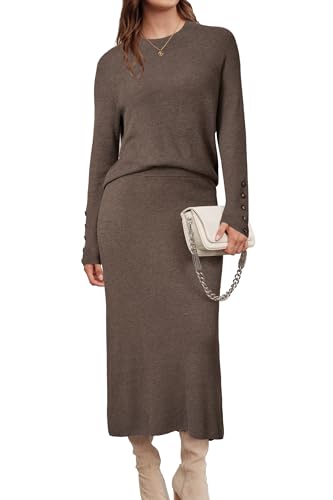
Not velvet but a wool blend top and midi skirt set is the alternative to trousers for anyone who finds skirts more comfortable than pants on event days — which is a legitimate and frequently correct preference for people managing lower body swelling, hip pain, or the particular discomfort of a waistband at the front of the body for several hours. The midi length provides coverage and formality without the hem management of a maxi. Look for a fully elasticated skirt waist and a top that pulls on rather than buttons.

A velvet top has all the adjustability advantages of a basic silhouette — comfortable all day — combined with the warmth and formality of velvet. Paired with matching straight-leg trousers with a wide elastic waist, this set works for a range of event types from dinner to holiday party to formal celebration. Look for a loose buttoned down top.
Getting dressed for an event with chronic illness is only part of the preparation. The other part is knowing what to say when someone asks how you are, how to manage the energy of a social environment when your body is already working hard, and how to leave early without it becoming a whole conversation. Say This: 30 Scripts for Chronic Pain Communication gives you the exact language for those moments — so you can spend your event energy on the event, not on explaining yourself. Get your copy here →
Knit dress and cardigan sets: the option that looks put-together from across the room
A matching knit dress and cardigan set occupies a specific and extremely useful category in dressy chronic illness dressing: it reads as an outfit — a considered, complete, intentional outfit — while being constructed entirely from the same materials as your most comfortable clothes. Knit fabric, by definition, has stretch. It moves. It accommodates. It does not create the friction, compression, or restriction that woven fabrics do, and it does not require the same precision of fit that structured garments demand.
The cardigan component of this set is doing significant work that isn’t immediately obvious. It provides warmth without requiring a coat or wrap at the event itself, which removes one logistical layer from an already-complicated getting-ready process. It provides coverage for arms that may be managing IV marks, compression sleeves, or simply the kind of sensitivity that makes bare arms uncomfortable in public spaces. And it provides something to take off and put on during the event if your temperature shifts — which, for many chronic illness presentations, it will.
What distinguishes a dressy knit set from a casual one is mostly detail work — the neckline, the length, the weight of the knit, the finish at the hem. A ribbed midi dress in a heavier weight knit with a clean square or v-neckline paired with a fine-gauge cardigan in the same color reads as an intentional, elevated look. The same silhouette in a lighter, looser knit reads as casual. You are shopping for the former, and the detail language in the product listing — fine gauge, structured knit, midi length, ribbed — will tell you which category you’re in.
Knit dress and cardigan sets for events

A ribbed knit midi dress paired with a matching open cardigan is the most versatile dressy set in this section — it works for dinners, celebrations, work events, and holiday gatherings without requiring any styling decision beyond which shoes to wear. Look for a dress with a square or v-neck, a length that hits below the knee, and a knit weight that has enough body to hold its shape through a full evening. The cardigan should be fine-gauge and close in length to the dress — cropped cardigans create a deliberate break that reads as styled.

A mock neck knit dress paired with a long cardigan coat — a cardigan that hits at or below the knee — creates a layered, intentional silhouette that reads as significantly more elevated than either piece alone. The mock neck provides warmth at the collarbone without the restriction of a turtleneck, and the long cardigan coat adds formal weight to the overall look while remaining as easy to put on and take off as any open-front layer. This combination works particularly well in monochromatic dressing — one color head to toe reads as very considered.

A sweater dress and oversized matching cardigan in a fall neutral — camel, cream, chocolate, oatmeal — is the set that does not require accessories to look complete. The neutral palette is inherently elevated, the matching set removes any styling decision, and the oversized cardigan provides the kind of all-over warmth that makes cold event venues manageable without a coat. Look for a dress length that hits at or below the knee and a cardigan with deep enough pockets to hold your phone and whatever else you need to carry without a bag.

A sequin-embellished knit top — where the sequins are applied to a knit base rather than a structured woven fabric — gives you the visual impact of a statement holiday piece without any of the scratchy, heavy, structured qualities that make traditional sequin garments unwearable for sensitive bodies. The knit base stretches, moves, and softens against the skin in a way that woven sequin fabric does not. Paired with matching wide-leg knit trousers, this set reads as the most dressed-up option in the room and requires nothing from your body to wear.
Soft tailored sets: the blazer option for chronic illness bodies
The word “tailored” in the context of chronic illness fashion needs its own reframe. Traditional tailoring — structured interfacing, boning, fitted seams, rigid construction — is the opposite of what most chronic illness bodies can sustain for an evening. But soft tailoring, which uses draping and cut rather than structure to create a polished silhouette, is a different category entirely and one worth knowing about.
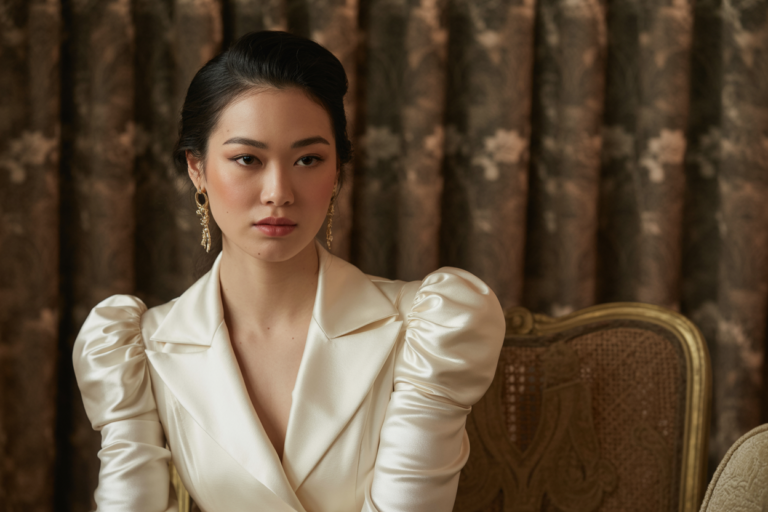
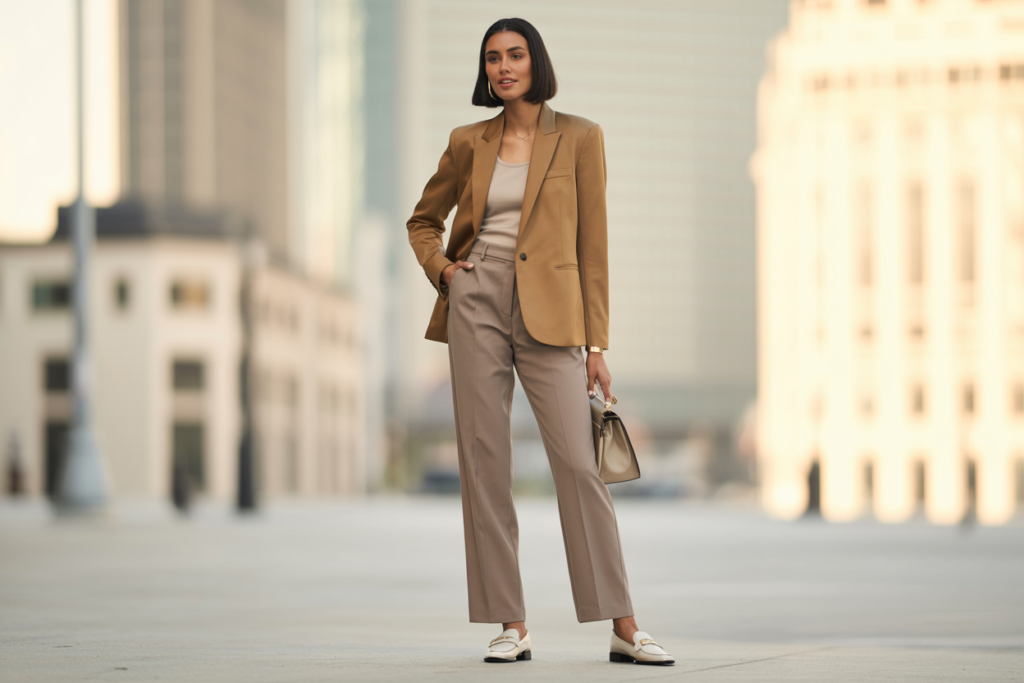
A soft tailored blazer made from ponte, crepe, or a soft woven fabric with stretch looks exactly like a blazer from any distance that matters socially. It has lapels, it has the visual weight of outerwear, it photographs as a suit jacket. But worn against the body, it behaves more like a cardigan — it doesn’t constrict, doesn’t restrict arm movement, doesn’t create the shoulder tension that padded structured blazers do. Paired with matching wide-leg or straight-leg trousers in the same fabric, it creates a two piece set that reads as the most formal option in this entire post while being among the most comfortable to wear.
This is the category for the events where you want to look unambiguously dressed up — the professional celebration, the formal dinner, the occasion where you want no one to be thinking about your health when they look at you. You are wearing a suit. It just happens to be a suit that your body can sustain.
Soft tailored sets for chronic illness bodies

Ponte is the fabric that makes soft tailoring possible for chronic illness bodies — it has the visual weight and structure of a woven suiting fabric and the stretch and comfort of a knit. A ponte blazer and wide-leg trouser set reads as a full suit while behaving like a comfortable two piece. Look for a blazer with an open front or a single soft button, no shoulder padding, and a length that hits at the hip. Trousers should have a full elastic waist — never a zip fly in this category.

Crepe fabric — a softly textured woven with a natural drape — creates the most elevated-looking soft tailored option in this category. It photographs with more structure than ponte while remaining lightweight and gentle against the skin. An open-front blazer in crepe requires no closure management at all — it stays put with its own drape and weight — and palazzo trousers in the same fabric create a full-length, floor-grazing silhouette that reads as very intentional formal dressing.

A longline cardigan blazer — a structured cardigan cut and finished to read as a blazer, hitting below the hip — is the softest entry point in the tailored category and the most comfortable to wear for an extended period. It has no lining, no interfacing, no internal structure of any kind, but it reads as outerwear when worn over a matching straight-leg pant and a simple top underneath. For anyone who finds traditional blazers impossible due to shoulder or arm pain, this is the alternative that doesn’t look like one.
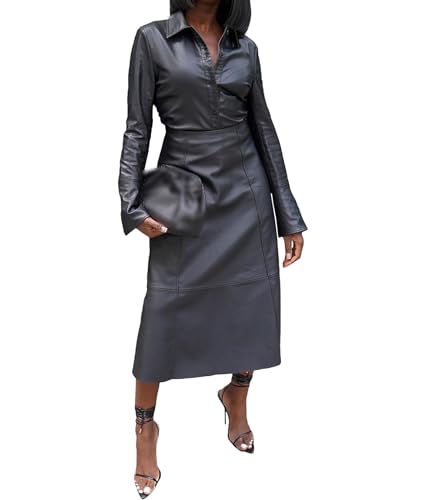
A faux leather or coated fabric co-ord set — typically a boxy crop jacket and matching wide-leg or straight-leg trouser — is the statement option in the soft tailored category. Faux leather looks structured and intentional without having any of the rigidity of real leather, particularly in the stretch versions that are increasingly available. For a winter event where you want to make an impression rather than blend in, this is the set that does it — while still pulling on, still accommodating an elastic waist, still moving with your body rather than against it.
You were always allowed to show up beautifully
The category of clothing this post is about — dressy two piece sets that work for chronic illness bodies — did not used to exist in any meaningful way. What existed was dressy clothing designed for bodies without chronic illness, and the implicit message that if your body had different requirements, you could either suffer through it or opt out.
What has changed is not just the availability of the pieces, though that has genuinely improved. What has changed is the permission — the growing understanding, inside the chronic illness community and slowly outside it, that accessible dressing and beautiful dressing are not opposites. That an elastic waistband is not a compromise. That a pull-on top is not a consolation prize. That the woman who shows up in a stretch velvet set and looks magnificent did not give anything up to be comfortable in it. She found the intersection, and she dressed from there.
You are allowed to want to look beautiful at events. You are allowed to care about what you wear even when your body is making everything else harder. You are allowed to shop for something that makes you feel like yourself rather than settling for whatever causes the least pain. Those things are not in conflict with having chronic illness. They are part of what it means to live fully inside a life that chronic illness is part of — not all of.
The sets in this post exist. They are real, they are available, and they are waiting for the event you have been trying to figure out how to attend. Go. Wear something gorgeous. Come home at whatever hour your body requires. Pay nothing extra for it.
Showing up to events with chronic illness is an act of self-advocacy every time — knowing your limits, communicating them, and giving yourself permission to leave when you need to without spending the drive home in a guilt spiral. Say This: 30 Scripts for Chronic Pain Communication gives you thirty ready-to-use scripts for exactly those moments: how to decline invitations without over-explaining, how to leave early with grace, how to tell the people you love what you need from them at events before you get there. Because showing up beautifully includes being able to leave beautifully too. Get your copy here →