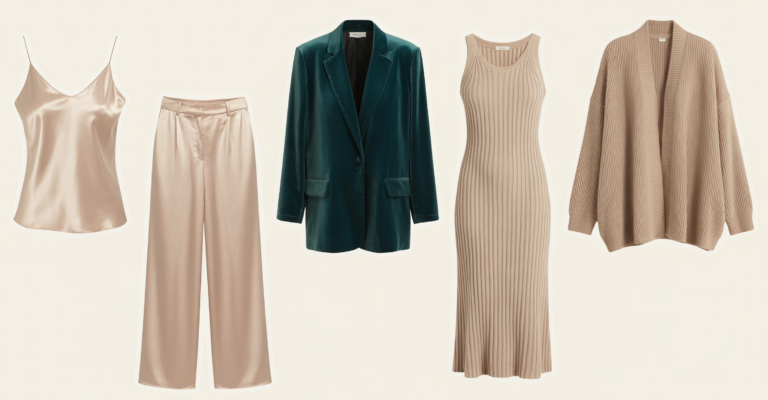

The Best Fall Jackets for Chronic Illness: Easy-On Styles That Don’t Aggravate Your Shoulders, Neck, or Pain
The content on this site was created with the help of AI. LOVEOWE LLC participates in the Amazon Services LLC Associates Program and other affiliate programs. As an Amazon Associate, I earn from qualifying purchases. This means I may earn a small commission—at no extra cost to you—when you make a purchase through links on this site. All opinions are my own. Learn more click here. Thank you for your support!

The right jacket disappears when you put it on. The wrong one reminds you it’s there all day.
My last bad jacket purchase was a beautiful camel wool coat that I wore twice before I understood what it was costing me. The first time, I came home with my shoulders elevated by about an inch from where they started — the weight of the coat had been pulling them forward and down in a way I had not noticed until I took it off and felt the release. The second time, I tracked the timeline more carefully: twenty minutes in, I was aware of the shoulder seams. Forty minutes in, my trapezius on the right side had a specific, located ache. By the time I arrived at my destination, I had spent the entire journey managing the jacket rather than resting in it, which is not a use of my limited energy I can afford on most days and was not a use of it I had agreed to when I got dressed that morning.
Outerwear is the category where chronic illness dressing gets the most complicated, because jackets and coats interact with the body in ways that other clothing does not. They sit on the shoulders — directly on the joint and the surrounding muscle structure that chronic illness most commonly affects. They add weight to the upper body that the trapezius, levator scapulae, and cervical spine have to manage on top of whatever they are already managing. They require getting into and out of — a process that involves shoulder rotation, arm elevation, and bilateral coordination that may not be reliably available on every day. And they often have closures — zippers, buttons, snaps, toggles — that require fine motor engagement precisely when hands are coldest and least capable.
The jacket that works for a chronic illness body has to solve all of these problems simultaneously. It has to be light enough that its weight does not become a load the upper body cannot sustain. It has to be constructed so that the shoulder seams and armhole do not create pressure at the joint. It has to go on and come off without requiring movements that aggravate whatever is already happening in the neck and shoulder. And its closures have to be manageable with the hands that show up on the day, not the hands that were available last Tuesday when symptoms were lower.
This post covers the fall jacket options that meet that standard — organized by closure type and construction, with the specific details that distinguish a jacket that supports your day from one that quietly costs you called out for every recommendation. The right jacket exists. Several of them do. Here is where to find them.
Snap-front and magnetic closure jackets: the dexterity-friendly fall layer
The zipper is the most common jacket closure and, for many chronic illness bodies, the most problematic one. A standard zipper pull requires pinching a small metal tab between two fingers, aligning the zipper teeth at the base, and pulling upward with sustained grip pressure — a sequence of fine motor tasks that is unremarkable for hands without pain or weakness and genuinely challenging for hands managing arthritis, fibromyalgia, Raynaud’s, nerve damage, or simple cold-induced stiffness. On the mornings when hands are at their worst, a zipper can be the difference between being able to leave the house and not.
Snap closures solve this by replacing the zipper mechanism with a simple press-to-close and pull-to-open system that requires significantly less fine motor precision. A snap can be closed with the heel of the hand, with a closed fist, or with any two fingers rather than requiring a specific pinch grip. Magnetic closures go further — they require no motor engagement at all beyond bringing the two halves of the closure into proximity, at which point the magnet does the closing. For chronic illness bodies where hand function varies significantly from day to day or hour to hour, magnetic closures represent a genuinely different category of accessibility in outerwear.
The aesthetic of snap and magnetic closure jackets has improved significantly as accessibility features have moved closer to the mainstream of fashion design. Snap-front fleece jackets, quilted snap-front vests, and structured ponte jackets with magnetic closures are all available at current price points in styles that read as intentional and polished rather than medical or utilitarian. The closure type no longer requires sacrificing the look.
Snap-front and easy-closure fall jackets

A snap-front fleece jacket is the most dexterity-friendly warm layer in this section — snaps close with a press rather than a pinch, open with a pull rather than a coordinated two-hand zipper sequence, and can be managed with significantly reduced hand function relative to any zipper closure. Fleece as a fabric is also among the most sensory-neutral outerwear materials available — soft against the skin at every contact point, warm without weight, and flexible enough to move with the body rather than resisting arm and shoulder movement. Look for a style with a relaxed fit through the body and a slightly dropped shoulder seam.

A quilted vest with snap closure concentrates warmth at the core of the body — where it matters most for temperature regulation — without adding any weight or restriction at the shoulders, arms, or hands. For chronic illness bodies where arm and shoulder movement is limited or painful, a vest that leaves the arms entirely free while keeping the torso warm is often a more functional solution than a full jacket. The snap closure is manageable with reduced dexterity, and the quilted construction provides warmth significantly in excess of its weight. Pairs over any soft layer for a complete fall outfit.

A fleece jacket with a large-gauge zipper and an oversized pull tab — look for these features specifically in the product description or photos — reduces the fine motor demand of zipper closure significantly. A large pull tab can be grasped between two fingers without a precise pinch grip, and a large-gauge zipper aligns more reliably at the base than a standard fine-gauge one. For days when hand function is reduced but snaps feel too casual for the context, this is the zipper jacket that chronic illness bodies can actually manage. Look for a ring or loop pull tab rather than a flat tab, which is the easiest format to grip with limited dexterity.
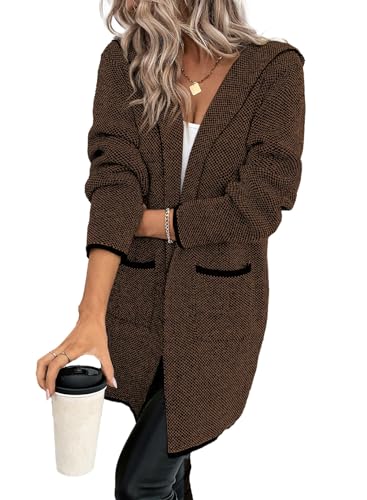
An open-front cardigan coat — a structured, coat-weight cardigan that stays open at the front — requires no closure management at all. It goes on like a cardigan, drapes like a coat, and requires nothing from your hands to wear for the duration of the day. For conditions where any repetitive hand movement is cost-prohibitive, eliminating the closure step from the getting-dressed process is not a small thing. Look for a fabric with enough weight and structure to read as outerwear rather than an oversized cardigan — ponte, brushed wool-look acrylic, and soft tweed all achieve this. A belt at the waist is an optional finishing detail, not a required one.
Lightweight puffer jackets: warmth without the weight that costs your upper body
Weight is the jacket specification that chronic illness bodies need to evaluate before aesthetics, before color, before silhouette. A jacket that weighs eight hundred grams — a standard weight for a structured wool coat — adds that load to the trapezius, the cervical spine, and the shoulder musculature for every minute it is being worn. For a body already managing upper body pain or muscle fatigue, this is not a neutral addition. It is a compounding one — and it compounds continuously, in the background, while you are trying to focus on whatever the day actually requires of you.
Lightweight puffer jackets solve this more completely than any other outerwear category. The insulating fill — down or synthetic down alternative — provides warmth that is entirely disproportionate to the weight of the garment. A well-constructed lightweight puffer can weigh under three hundred grams while providing warmth equivalent to a wool coat weighing three times as much. The shell fabric adds minimal weight of its own, and the overall garment moves with the body rather than constraining it, which eliminates the shoulder restriction that structured jackets create.
The puffer jacket has also undergone a significant aesthetic rehabilitation in the past several years — the boxy, unflattering silhouettes of earlier puffer generations have been replaced by cropped styles, belted styles, longline styles, and silhouettes that read as intentional and fashionable rather than purely functional. The chronic illness case for a lightweight puffer is now also the fall fashion case, which is a coincidence worth taking full advantage of.
Lightweight puffer jackets for fall chronic illness wear

A packable puffer jacket — one light enough to compress into its own pocket for storage — is by definition a jacket in the lightest weight category for its warmth level. Look for a product description that notes the packed size or total weight, which confirms you are in the genuinely lightweight category rather than a standard puffer that happens to be described as light. The packable format also means the jacket can be removed and stored in a bag without creating a carrying burden, which matters on days when you arrive somewhere warmer and do not want to manage carrying outerwear for the rest of the outing.

A longline puffer jacket that hits at the hip or upper thigh provides warmth coverage through the lower back and hips — areas that standard-length puffers leave exposed — without adding weight beyond the extended length of the shell. The dropped shoulder construction removes the jacket seam from the shoulder joint, which eliminates the pressure point that standard set-in sleeve jackets create at the shoulder. For chronic illness bodies managing lower back pain or hip involvement, the extended coverage of a longline puffer is a functional benefit as much as a stylistic one.

A cropped puffer jacket worn over a longer knit layer — an oversized sweater, a longline cardigan, a knit midi dress — creates a complete fall outfit that distributes warmth between two layers rather than requiring one jacket to do all the thermal work. The cropped length means the puffer itself is lighter than a full-length style, and the combination of cropped outerwear and longer knit layer reads as very considered and on-trend for fall. Look for a style with a relaxed fit through the body rather than a fitted construction, which allows unrestricted arm movement without the jacket pulling at the shoulder.

A puffer vest removes the sleeve weight from the equation entirely while providing insulated warmth at the core — the most critical area for body temperature regulation. For chronic illness bodies where arm and shoulder involvement makes any sleeved jacket uncomfortable or restrictive, a puffer vest worn over a thermal or soft long sleeve is often the most functional outerwear solution available. The insulated vest format means the warmth-to-weight ratio is the best in this post — maximum thermal benefit, zero sleeve weight, and no armhole restriction at the shoulder joint.
Finding the right jacket gets you out the door. Knowing what to say when you get where you are going is a different skill — one that chronic illness requires and nobody teaches. Say This: 30 Scripts for Chronic Pain Communication gives you thirty ready-to-use scripts for the conversations that matter most: how to explain your limitations without over-explaining, how to ask for accommodations without apologizing, and how to advocate for yourself in the moments when you are already managing enough. Get your copy here →
Wrap jackets and open-front styles: the layer that requires nothing from your arms
Getting into a jacket is a bilateral movement sequence that most people perform without thinking and that chronic illness bodies sometimes cannot perform at all. The standard jacket entry — hold the jacket behind you, locate each armhole by feel, thread both arms simultaneously into the sleeves while rotating at the shoulder — requires shoulder rotation above the horizontal, bilateral arm coordination, and enough grip strength and dexterity to manage the jacket body while performing the movement. On a high-symptom day where shoulder mobility is reduced, arm strength is low, or coordination is compromised by pain or fatigue, this sequence is not always available.
Wrap jackets and open-front styles sidestep this problem by eliminating the overhead or behind-the-back entry requirement entirely. A wrap jacket is put on like a robe — held in front of the body, one arm slipped in, then the other — which requires only forward arm movement rather than the shoulder rotation that jacket entry typically demands. An open-front cardigan coat requires no specific entry technique at all — it can be draped over the shoulders without threading the arms through if arm movement is restricted, and worn as a shoulder layer until arm movement becomes available.
These styles also have a particular ease in removal that standard jackets do not — unwrapping or sliding an open front off the shoulders requires significantly less coordination than unzipping and pulling arms from fitted sleeves. For chronic illness bodies where the end of an outing may find the upper body more limited than the beginning, this matters in both directions.
Wrap jackets and open-front fall layers

A wrap jacket in a soft wool-look acrylic or ponte fabric ties at the front rather than closing at a fixed point — which means the fit adjusts to wherever your body is comfortable on any given day and the closure requires a simple tie rather than a zipper or button sequence. The wrap entry means both arms go in from the front in a forward movement rather than requiring the behind-the-back shoulder rotation of standard jacket entry. Look for a tie that is long enough to knot comfortably at the front or side, and a fabric weight substantial enough to read as outerwear rather than a heavy cardigan.

A fleece wrap jacket cut like a robe — wide lapels, generous sleeves, a self-tie belt — is the outerwear option with the lowest physical demand of any in this post. The robe cut means it can be put on with the most minimal arm movement possible, the fleece fabric is the softest and lightest outerwear material available, and the self-tie closure requires nothing from the fingers beyond gathering and looping. For the highest-symptom days when leaving the house is already a significant accomplishment, this is the jacket that adds the least possible additional cost to the getting-dressed process while still providing genuine fall warmth.

A longline open-front blazer in ponte or soft tweed-look fabric reads as the most polished option in this section — it has the silhouette and visual weight of a structured coat while requiring no closure management and no specific entry technique. Worn open over a matching or complementary knit outfit, it reads as a considered layering choice rather than an open-front garment by default. Look for a ponte or soft acrylic tweed-look fabric rather than a stiff woven tweed, which would add shoulder resistance and weight that defeats the purpose of the open-front construction.

A shacket — the shirt-jacket hybrid that has become one of the most useful fall layering pieces in the current fashion moment — combines the visual structure of a jacket with the ease of entry of a shirt. The button-front opening means both arms go in from the front with forward motion rather than the shoulder-rotation entry of traditional jackets, and a shacket worn open requires no closure management at all. In a soft flannel or brushed cotton fabric with large, easy-to-manage buttons, a shacket is among the most accessible jacket options available while reading as entirely on-trend for fall.
Heated and thermal-layer jackets: the option for bodies that can’t regulate temperature
Temperature dysregulation — the body’s difficulty maintaining a consistent internal temperature in response to environmental changes — is one of the most underaddressed chronic illness symptoms in the context of fall dressing. It shows up differently across conditions: in dysautonomia and POTS, where the autonomic nervous system’s temperature regulation mechanisms are directly affected; in fibromyalgia, where the hypothalamic temperature set point may be altered; in lupus and other autoimmune conditions, where inflammation affects peripheral circulation; and in many other presentations where the body’s response to cold is either excessive, insufficient, or unpredictable.
Standard outerwear is designed for bodies that regulate temperature normally — it adds a fixed amount of insulation and assumes the body will manage the rest. For chronic illness bodies where the rest is the problem, a fixed insulation level does not solve the temperature regulation challenge. It may be too warm at one point in the day and insufficient at another, or adequate for the external temperature but unable to compensate for the internal dysregulation that is producing the cold sensation regardless of ambient temperature.
Heated jackets and vests — with battery-powered heating elements distributed through the garment body — address this by providing adjustable, controllable warmth that responds to the body’s needs rather than the ambient temperature. Heated layers are a meaningful category for chronic illness bodies managing temperature dysregulation, and the technology has improved significantly in recent years in both effectiveness and wearability.
Heated and adaptive warmth jackets for temperature dysregulation

A battery-heated vest with multiple warmth settings is the most practical heated layer for chronic illness bodies because it concentrates active warmth at the core — where temperature regulation matters most — without adding sleeve weight or shoulder restriction. Look for a vest with at least three heat settings, a battery that provides a minimum of four hours on the medium setting, and a control button large enough to manage with reduced dexterity. The vest format means it layers under a standard jacket on days when both active warmth and weather protection are needed simultaneously.

A heated jacket with a USB rechargeable battery extends active warmth to the arms and shoulders in addition to the core — which matters for chronic illness bodies managing Raynaud’s, peripheral circulation issues, or the kind of arm and hand coldness that a vest cannot address. Look for heating zones that include the back panel and collar in addition to the front panels, as these are the areas most relevant to chronic illness temperature management. A USB charging format means the battery can be recharged from any standard power bank, extending the heated wear time on long outings.

A fleece-lined jacket — where a thermal fleece layer is bonded to the interior of a soft shell exterior — provides significantly more warmth than either layer would alone, without the bulk or weight of a heavy insulated coat. For chronic illness bodies that run cold but do not need the active heat of a battery-powered layer, this passive thermal construction is the warmest lightweight option available. Look for a shell fabric that is wind-resistant — which extends the thermal performance significantly in fall weather — and a fleece lining that extends to the cuffs, which prevents the cold gap at the wrist that undermines the warmth of the rest of the garment.

A heated scarf or neck wrap with a rechargeable battery element provides targeted warmth directly at the cervical spine and trapezius — the area where chronic pain most commonly concentrates and where cold weather most consistently triggers symptom worsening. Worn under or over any jacket in this post, it provides active warmth at the exact location where passive insulation is least effective and most needed. For chronic illness bodies where neck and shoulder cold sensitivity is the primary temperature regulation challenge, this targeted approach is often more effective than a heated garment covering a larger surface area.
A jacket should add warmth to your day. Nothing else.
The wrong jacket is not a neutral wardrobe choice for a chronic illness body. It is an active cost — paid in shoulder pain that builds through the morning, in trapezius ache that establishes itself before you have arrived at your destination, in the fine motor effort of a zipper that your hands are not equal to on a cold day, in the weight that sits on a neck that was already managing enough before you put the coat on. These costs are real, they are predictable, and they are entirely avoidable with the right outerwear choices.
The right jacket adds warmth. That is its job. It does not add load to the upper body, does not create new pressure points at the shoulder joint, does not require dexterity you cannot guarantee, does not sit stiffly against arms that need to move freely. It goes on without a production, stays on without demanding attention, and comes off without becoming its own separate effort at the end of an already-effortful day.
Every recommendation in this post was chosen because it meets that standard — because warmth was not the only criterion, and ease was not an afterthought. Your fall jacket should disappear when you put it on. The ones here will. That is the entire point, and it is enough.
You have learned to choose a jacket that doesn’t cost your body anything extra. The same principle applies to every conversation chronic illness asks you to have — with your doctors, your employer, your family, and yourself. The right language costs you nothing extra either. Say This: 30 Scripts for Chronic Pain Communication gives you thirty ready-to-use scripts for those conversations — so you can get through them without paying more than the situation actually requires. Get your copy here →