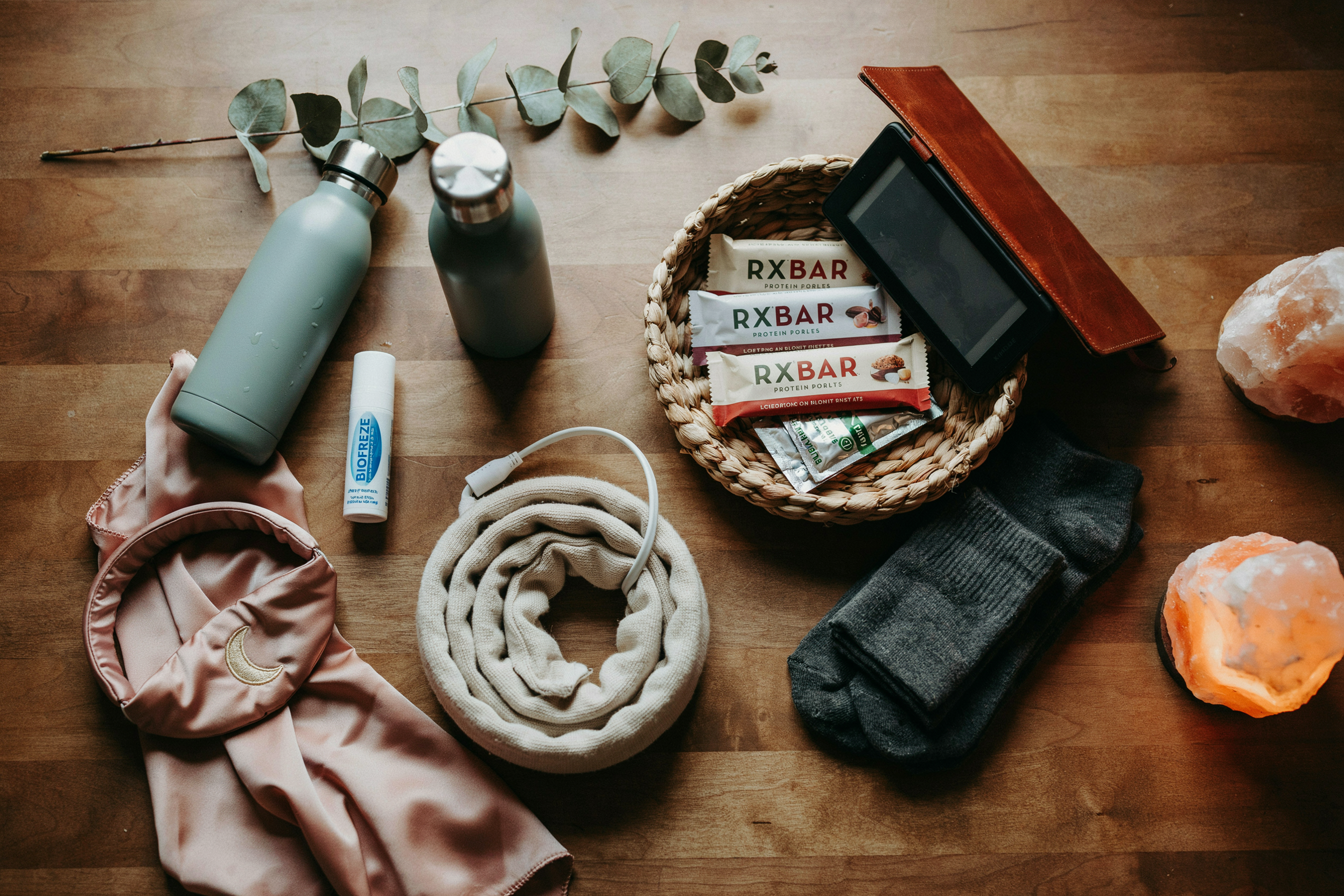
Flare Day Products That Actually Help: What to Keep Within Reach on Your Worst Days
The content on this site was created with the help of AI. LOVEOWE LLC participates in the Amazon Services LLC Associates Program and other affiliate programs. As an Amazon Associate, I earn from qualifying purchases. This means I may earn a small commission—at no extra cost to you—when you make a purchase through links on this site. All opinions are my own. Learn more click here. Thank you for your support!
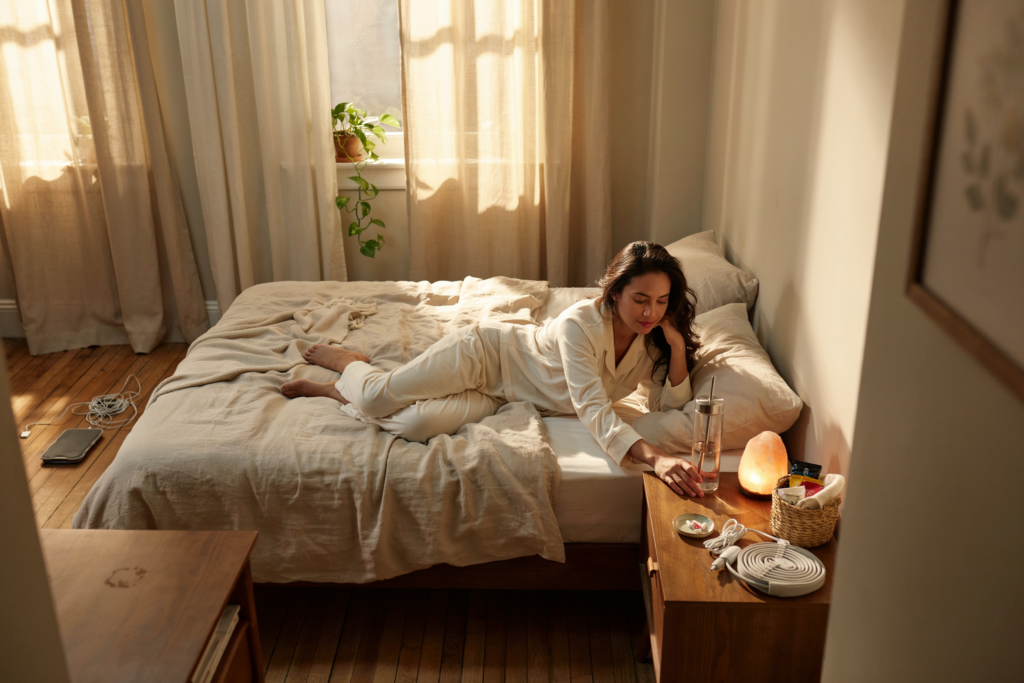
Because staying in bed can be a choice, not a defeat
The first time I built what I’d eventually call my flare day setup, I wasn’t thinking about it that intentionally. I was just moving things closer to my bed because getting up to get them was costing me too much. A heating pad that lived in the closet got moved to the floor beside me. A water bottle that required two hands to open got swapped for one I could manage with one. A snack that needed refrigerating got replaced by something I could leave on the nightstand. It wasn’t strategic. It was survival.
But somewhere in that survival, something shifted. The days I had everything I needed within reach felt different from the days I didn’t. Not better in terms of pain — but better in terms of how I moved through the pain. I wasn’t spending energy I didn’t have retrieving things I should have already had. I wasn’t lying there feeling like I was failing a test every time I needed something. I was just resting. Actually resting.
That distinction — between suffering through a flare day and moving through one — turned out to have a lot to do with what was in the room with me. Not in a toxic positivity way, not in a “the right products will fix you” way. But in the very practical sense that your environment either supports your body or it doesn’t, and on a flare day, every ounce of support counts.
This post is about the things that actually help. The ones that hold you when getting up isn’t a real option. The ones that keep you nourished, warm, comfortable, and functional enough to rest without guilt. Not a kit you need to buy all at once. A list of things worth knowing about, and having, before you need them.
Warmth and pain relief that comes to you
Heat is one of the oldest, most reliable tools in chronic pain management — and on a flare day, it matters less that you have access to heat somewhere in your home and more that you have access to it exactly where you are. The heating pad that lives in the closet doesn’t help when you can’t get to the closet. The one that lives next to your bed or on your couch does.
What you want on a flare day is warmth that requires nothing from you — no adjusting, no repositioning, no getting up. Cordless options have changed this significantly. So have wearable heat formats that stay with you when you shift positions. So have topical options that layer into fabric without any cord at all.
Warmth is also nervous system regulation. Heat applied to a painful area doesn’t just address the physical sensation — it signals safety to a body that is currently under distress. That’s not a small thing when you’re trying to get through a hard day without compounding the experience with panic or despair.
Build your warmth toolkit before you need it. A flare day is not the day to research and order. It’s the day to reach for what’s already there.
Warmth and pain relief for flare days
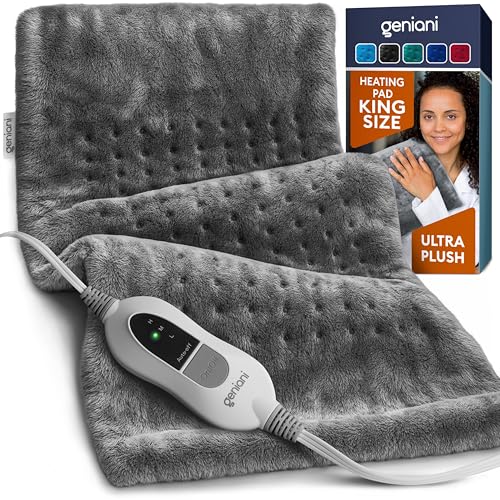
A cordless heating pad is the single most useful upgrade you can make to your flare day setup. Without the cord, you can move it with you — from your side to your back to your stomach — without repositioning around a cable. Look for one with multiple heat settings and an auto shut-off so you can fall asleep with it on without worry.

For neck, shoulder, and upper back pain, a microwavable wrap that drapes and conforms to your body does something a flat pad can’t — it holds its position even when you’re not. Many are filled with flaxseed or rice and hold heat for 20 to 30 minutes. The lavender-scented versions add a nervous system reset to the physical relief.

A topical pain relief gel with a roll-on applicator means no mess, no hand contact, and no cap to struggle with. Biofreeze uses menthol to create a cooling counterirritant effect that gives temporary relief to muscles and joints. The roll-on format is specifically worth noting for flare days when hand dexterity isn’t at its best.

A smaller weighted pad applied to the lap, lower abdomen, or thighs provides gentle deep pressure that supports nervous system regulation — similar to a weighted blanket but targeted and easier to reposition. For conditions that involve abdominal cramping, pelvic pain, or lower body flares, this is one of the most underrated tools in the category.
Easy nutrition when cooking isn’t a real option
One of the cruelest aspects of a flare day is that your body needs nourishment most on the days it has the least capacity to prepare it. You’re not able to stand at the stove. You may not be able to grip a knife. Opening certain containers is its own small battle. And yet you still need to eat — ideally something that isn’t going to further aggravate whatever is already happening in your body.
The flare day nutrition problem is not about healthy eating in the aspirational sense. It’s about caloric and nutrient intake under conditions of severe limitation. That reframe matters because it removes the guilt. You are not failing at food. You are managing a logistics problem with a body that has temporarily made everything harder.
The products that solve this problem share some common features: they require no cooking or minimal preparation, they’re accessible with limited hand strength or dexterity, they have some nutritional value beyond just empty calories, and they don’t require refrigeration so you can have them within arm’s reach before a flare even begins.
Stock these things in advance. Not because you’re being pessimistic — because you’re being strategic. A shelf in your room, a drawer in your nightstand, a small basket on the floor beside your bed. Whatever it looks like, having it ready changes what a flare day costs you.
Easy nutrition for flare days

Dehydration compounds pain and fatigue, and on a flare day drinking enough water is harder than it sounds when getting up to refill feels impossible. These single-serve electrolyte packets dissolve in water and provide cellular hydration more efficiently than water alone — particularly helpful for those managing conditions that affect fluid retention or cause excessive sweating.

A wide-mouth insulated bottle with a built-in straw means drinking while lying down — which sounds like a small thing until the alternative is sitting up every time you’re thirsty. Look for one that holds at least 32 ounces so you’re not refilling constantly, and a straw that can be sipped without tipping the bottle.

RXBARs are made from whole food ingredients — egg whites, dates, nuts — with no added sugar and a protein content that actually sustains. For a flare day snack that’s shelf-stable, individually wrapped, easy to open, and nutritionally substantive rather than just filling a craving, these are one of the best options on the market. Keep a box within arm’s reach before the flare arrives.

Drop one tablet into water and it dissolves in about two minutes with a light effervescence and a mild flavor — much easier to get down than plain water when nausea is part of the flare experience. Lower in sugar than most sports drinks, and the tube format is compact enough to keep on a nightstand without taking up real estate you don’t have.
Flare days often mean conversations you’re not ready to have — with your employer, your family, your care team, or yourself. Say This: 30 Scripts for Chronic Pain Communication gives you the exact language for those moments: how to cancel without over-explaining, how to ask for what you need without apologizing for needing it, how to tell someone you’re not okay without performing for their comfort. If you’ve ever gone silent on a hard day because you couldn’t find the words, this was written for you. Get your copy of SAY THIS
Entertainment and distraction that doesn’t require much from you
There’s a particular kind of exhaustion that comes from a flare day that is distinct from being tired. You’re not necessarily sleepy — you may have already slept as much as your body will let you. What you are is in pain, possibly anxious, possibly bored, possibly cycling through all three every twenty minutes. You need something to occupy your mind without demanding anything from your body.
The entertainment that works on flare days is different from what works on normal days. Screens can be too bright or too stimulating. Long-form content requires attention spans that pain disrupts. Social media is often the worst choice — it surfaces comparison and obligation at exactly the moment you have no capacity for either.
What tends to actually work: audio content you can listen to with your eyes closed, low-stakes visual content that doesn’t require following a plot, and tactile options that give your hands something gentle to do when your brain needs occupying but your body can’t move much.
The goal here is not productivity. It’s not even entertainment in the full sense. It’s distraction — the kind that creates enough mental separation from the pain that you can get through the next hour without it being its own separate ordeal.
Entertainment and distraction for flare days
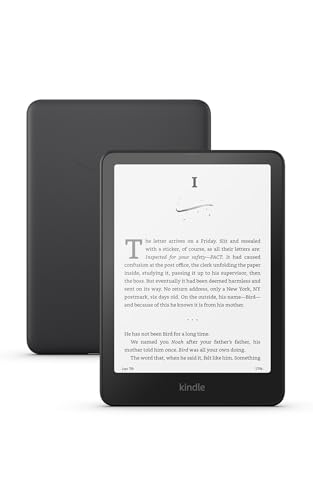
The Kindle is one of the most genuinely useful tools for flare days for a specific reason: the e-ink screen doesn’t emit the same blue light as a phone or tablet, which means it’s significantly easier on eyes that are already sensitive from pain or medication. It’s also lighter than a book or tablet, holds thousands of titles, and has an adjustable warm light that works without overhead lighting. If you read at all, this belongs in your flare day toolkit.

A flat-speaker headband lets you listen to audiobooks, podcasts, or sleep meditations while lying on your side — something standard earbuds and over-ear headphones make impossible or uncomfortable. The speakers sit flat inside a soft fabric headband so there’s no pressure on the ear canal when your head is on a pillow. On a flare day when audio is your main company, this is a meaningful upgrade.
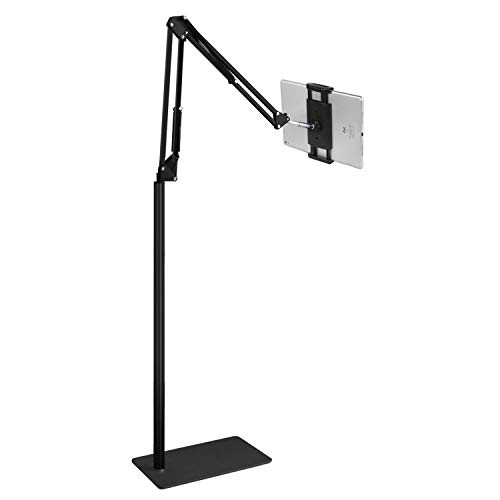
A gooseneck stand that clamps to a nightstand or bed frame holds your phone or tablet at eye level without requiring you to hold it — which matters more than it sounds when arm fatigue or shoulder pain is part of the picture. Look for one with a clamp base that doesn’t require tools, a neck that holds its position without drooping, and compatibility with your device size.

For the flare days when distraction isn’t enough and what you actually need is guided nervous system support, a meditation app subscription gives you access to body scans, sleep stories, breathwork sessions, and guided rest that is specifically designed to regulate rather than stimulate. A gift card to either Calm or Headspace is also one of the more thoughtful things you can give someone managing chronic illness — or yourself.
Comfort clothing that holds you without making things worse
What you wear on a flare day is not a trivial decision. Fabric that irritates sensitive skin becomes a constant low-grade stimulus on top of the pain you’re already managing. Waistbands that compress an already-tender abdomen make a bad situation worse. Clothing that requires effort to put on or take off — buttons, tight necklines, anything over the head when your shoulders hurt — adds a tax you can’t afford to pay.
The clothing that works on flare days tends to share a few characteristics: it’s soft enough to disappear against the skin, loose enough not to create pressure anywhere, and easy enough to get into and out of without help. It’s also warm enough to layer without being heavy, because temperature regulation is its own challenge on days when your nervous system is already overwhelmed.
There’s also something worth naming about comfort clothing that nobody always says directly: what you wear when you’re suffering matters for how you feel about yourself in that suffering. There is a version of flare day dressing that feels like surrender and a version that feels like care. The difference is often the fabric. Choosing something soft and intentional, even on the worst day, is a small act of self-respect — and those add up.
Comfort clothing for flare days

Barefoot Dreams makes some of the softest fabric in the category — the Cozychic Lite line is lighter than their classic but still has that almost-weighted softness that is genuinely comforting against the skin. An open-front cardigan requires no pulling over the head, no buttons, and drapes rather than compresses. It’s the piece that makes a flare day look and feel like a decision rather than a defeat.

Wide-leg pants with a soft elastic waist and no button, zipper, or rigid waistband structure are the foundation of flare day dressing. Look for a fabric described as “buttery soft” or “ultra-soft” — these typically use a microfiber or modal blend that genuinely softens against the skin rather than pilling or stiffening over time. The wide leg allows air circulation and doesn’t cling to any part of the body.

Satin isn’t just a luxury fabric — it’s a genuinely functional choice for bodies dealing with temperature sensitivity, skin reactivity, or pain that makes rougher textures unbearable. A satin sleep set worn during a flare day serves as both comfortable clothing and something that feels elevated enough to make rest feel intentional. The slip-on format means no overhead pulling and no waistband pressure beyond the lightest elastic.

Cold feet compound everything — they’re a circulation issue, a temperature regulation issue, and a comfort issue all at once. A thick, non-slip house sock that pulls on easily, stays on without binding, and keeps warmth from the toes up is one of the smallest and most reliable upgrades in a flare day wardrobe. Look for a seam-free toe box if foot sensitivity or neuropathy is part of your picture.
The thing about flare days is that they end
Every product in this post exists to serve the same purpose: to reduce the cost of getting through a day that is already expensive. That’s it. Not to fix anything. Not to cure anything. To reduce friction, support your body’s basic needs, and create enough comfort that you can rest without fighting your environment at the same time you’re fighting your pain.
What I’ve learned — slowly, over more flare days than I’d have chosen — is that the setup matters. Not because the right heating pad is the answer to chronic illness, but because every small thing that removes effort from a hard day gives that effort back to healing. Every moment you’re not getting up for something you should have had within reach is a moment your body gets to just be still.
Staying in bed on a flare day can be a defeat. Or it can be a choice — a deliberate, self-respecting decision to give your body what it’s asking for, in a space that’s actually prepared to hold you. The difference between those two versions of the same day often comes down to what’s already in the room with you.
And flare days end. Not fast enough, and not without cost. But they end. Having what you need to get through them doesn’t make you dependent — it makes you prepared. There’s a version of that preparation that looks a lot like love.
If flare days mean difficult conversations — with people who don’t understand why you can’t come, providers who minimize what you’re going through, or the version of yourself that still needs permission to rest — Say This: 30 Scripts for Chronic Pain Communication was written for exactly this. Thirty ready-to-use scripts for the moments when you know what you need to say but the words won’t come. Written specifically for people living with chronic pain who deserve to be heard without having to perform their illness to be believed. Read more and get your copy here →