
Lymphatic Drainage for Chronic Illness: What Actually Helps Swelling and Fatigue at Home
The content on this site was created with the help of AI. LOVEOWE LLC participates in the Amazon Services LLC Associates Program and other affiliate programs. As an Amazon Associate, I earn from qualifying purchases. This means I may earn a small commission—at no extra cost to you—when you make a purchase through links on this site. All opinions are my own. Learn more click here. Thank you for your support!

Supporting your body between appointments — gently, intentionally, on your own terms
I was sitting in a rheumatology appointment about two years into my diagnosis when my doctor mentioned, almost in passing, that my lymphatic system was probably not doing its job well. She wasn’t alarmed. She said it the way you might say the traffic on a particular road is always slow — as a fact of the landscape, not a crisis. But I drove home thinking about it the entire way.
Up until that point, the lymphatic system had been something I remembered vaguely from a biology class — the body’s drainage network, the thing that gets swollen when you’re sick, the reason your glands feel tender before a cold. I had not connected it to the swelling I kept noticing in my hands by the end of the day. I had not connected it to the heaviness in my legs after sitting too long. I had not connected it to the particular kind of fatigue that felt less like sleepiness and more like everything in my body had slowed down to a crawl.
Once I made those connections, I started researching what I could actually do about it at home. What I found was a mixed landscape: some genuinely useful tools and techniques backed by physical therapy and occupational therapy practice, and a lot of beauty-industry noise about gua sha and jade rollers that treated lymphatic drainage as an aesthetic trend rather than a physiological need.
This post is for people who are dealing with the real version — the chronic illness version, where swelling and fatigue are symptoms with causes, not inconveniences to smooth away. What follows are the tools and approaches that actually have a basis in how the lymphatic system works, what disrupts it in chronic illness, and what you can do between appointments to support it without making things worse.
Understanding lymphatic drainage and chronic illness — what’s actually happening
The lymphatic system is a network of vessels, nodes, and fluid that runs parallel to your circulatory system. Its job is to collect excess fluid, waste products, and immune cells from your tissues and return them to the bloodstream for processing. When it’s working well, you don’t notice it. When it’s not, the fluid that should be moving accumulates — in your limbs, your joints, your abdomen — and you feel it as swelling, heaviness, aching, and fatigue.
In chronic illness, lymphatic dysfunction can happen for several reasons. Chronic inflammation overloads the system with more fluid and cellular debris than it can efficiently process. Conditions that affect connective tissue — fibromyalgia, lupus, Ehlers-Danlos syndrome, rheumatoid arthritis — can compromise the integrity of the vessels themselves. Medications that cause fluid retention add volume the system has to manage. And reduced mobility, which is a reality for many people with chronic pain, removes one of the lymphatic system’s primary drivers: muscle movement. Unlike the circulatory system, the lymphatic system has no pump. It depends on movement, breathing, and external pressure to keep fluid flowing.
This is why the tools that actually help are the ones that address these root mechanisms — gentle movement, targeted pressure, diaphragmatic breathing, and positioning. Not because they cure anything, but because they work with the system’s actual biology rather than just treating the surface symptom.
One important note before we get into products: if you have a condition that specifically affects your lymphatic system — lymphedema, lipedema, certain cancers or cancer treatments — please work with a certified lymphedema therapist before starting any drainage practice at home. The tools below are appropriate for general lymphatic support in the context of chronic illness, but they are not a substitute for professional manual lymphatic drainage if your situation requires it. If you’re unsure, that’s worth a conversation with your care team — and I’ll talk about how to have that conversation at the end of this post.
Dry brushing and massage tools for lymphatic support
Dry brushing is one of the most accessible at-home lymphatic support practices — it uses light, directional strokes on dry skin to stimulate the superficial lymphatic vessels just below the skin’s surface. The direction matters: always brush toward the heart, starting at the extremities and working inward. The pressure should be light — this is not a deep tissue practice. If it leaves marks or feels aggressive, you’re pressing too hard.
Gua sha and facial massage tools have a place here too, specifically for facial and neck lymphatic congestion — the kind that shows up as puffiness, under-eye swelling, or jaw tension. Again, direction and pressure are everything: light strokes downward along the neck, toward the collarbone, where the lymphatic ducts drain.

A dry brush with natural bristles and a long handle is the foundation of an at-home lymphatic brushing practice. The long handle is not a convenience feature — it’s a functional one, allowing you to reach your back and lower legs without the bending and twisting that may not be available to you on a given day. Look for a detachable handle so you have both options. Use on dry skin before a shower, with light pressure and strokes toward the heart.

For facial and neck lymphatic drainage specifically, a gua sha tool used with light oil along the jaw, neck, and collarbone can help move congestion that shows up as morning puffiness, under-eye swelling, or the particular heaviness that settles in the face after a poor night’s sleep or a flare. Stainless steel stays cool longer than stone, which adds a mild constricting effect that can help with inflammation. Rose quartz is gentler for very sensitive skin.

Certain essential oil blends have a clinical tradition in lymphatic massage support — cypress and grapefruit in particular are commonly used by massage therapists working with lymphatic congestion. A pre-blended massage oil in a pump bottle makes the practice accessible without requiring you to mix anything yourself. Use it for self-massage of the legs, arms, and abdomen using light, sweeping strokes toward the lymph node clusters at the groin, armpits, and collarbone.
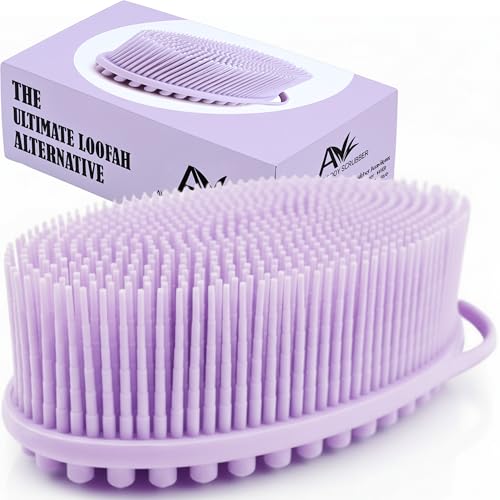
For skin that’s too sensitive for natural bristle dry brushing — which is common with fibromyalgia, MCAS, lupus flares, or medication-related skin sensitivity — a soft silicone massage brush provides gentle stimulation without the abrasion. It can be used dry or in the shower, and the pressure is entirely controllable. Not as stimulating as natural bristles, but significantly better than nothing and far better tolerated on reactive skin.
Compression garments that support lymphatic flow
Compression works with the lymphatic system by applying external pressure that encourages fluid to move out of the tissues and into the vessels where it can be processed. This is why compression is prescribed for conditions ranging from post-surgical swelling to venous insufficiency to lymphedema — the mechanism is well-established and the evidence base is solid.
For chronic illness more broadly, compression garments can help manage the day-to-day fluid accumulation that makes limbs feel heavy, joints feel stiff, and movement feel more effortful than it should. The key is getting the right level of compression — too little does nothing, too much can be counterproductive or uncomfortable, and the wrong kind for your specific presentation can make things worse.
If you have a diagnosis that involves significant lymphatic dysfunction, talk to your care team about prescription-grade compression before purchasing over-the-counter garments. For general chronic illness swelling management, the options below are appropriate starting points — but listen to your body and back off if anything increases discomfort rather than reducing it.
Compression garments for swelling and circulation
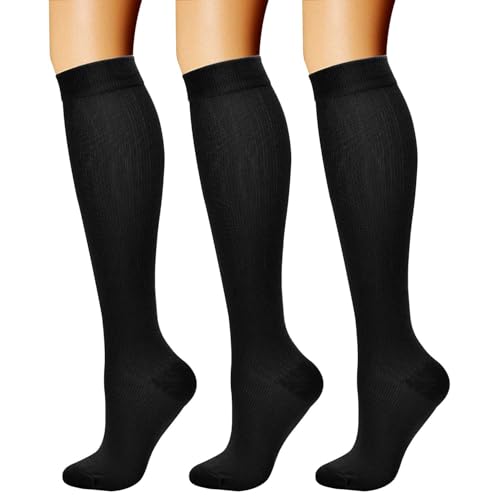
Graduated compression socks apply the most pressure at the ankle and gradually decrease up the leg — the correct direction for supporting lymphatic and venous return toward the heart. The 15–20 mmHg range is appropriate for general swelling management and fatigue without requiring a prescription. Look for a seamless toe box if foot sensitivity is part of your picture, and a moisture-wicking fabric if temperature regulation is a concern.
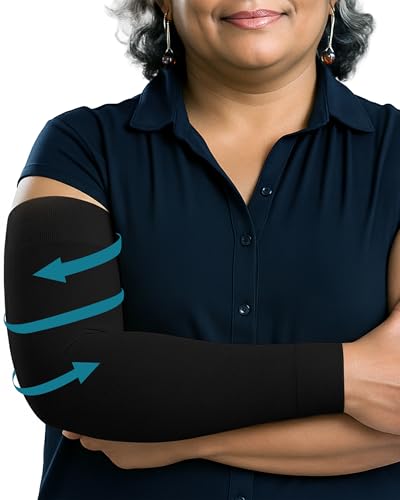
For swelling that concentrates in the hands, wrists, and forearms — common in rheumatoid arthritis, lupus, and other inflammatory conditions — a compression arm sleeve provides consistent pressure throughout the day without requiring repeated application. Look for a fingerless design that allows normal hand function and a fabric with enough stretch to accommodate day-to-day fluctuation in swelling.

Abdominal swelling and bloating that’s lymphatic in origin — rather than purely digestive — can be helped by gentle abdominal compression that supports the lymphatic vessels running through the torso. An adjustable abdominal binder with velcro closure allows you to control the pressure level and adjust throughout the day as your symptoms change. Look for a breathable fabric and an adjustable design that doesn’t require you to pull anything over your head.

Specifically designed for hand and finger swelling, lymphedema gloves provide targeted compression to the areas where fluid most commonly pools in inflammatory conditions. The fingerless design preserves dexterity for daily tasks. These are worth having even if your swelling isn’t severe — used during activities that tend to worsen hand swelling (typing, cooking, driving), they can meaningfully reduce end-of-day puffiness and stiffness.
Knowing that lymphatic drainage could help you is one thing. Knowing how to bring that conversation to your doctor — and getting a response that actually addresses your specific situation — is another. Say This: 30 Scripts for Chronic Pain Communication gives you the exact language for moments like this one: how to introduce a symptom your provider hasn’t asked about, how to ask whether a home practice is safe for your diagnosis, and how to advocate for a referral to a lymphedema therapist if you need one. Get your copy here →
Movement and elevation tools that work with your capacity
Because the lymphatic system has no pump of its own, movement is one of its most important drivers. Muscle contractions squeeze the lymphatic vessels and push fluid upward. Diaphragmatic breathing creates pressure changes in the thoracic cavity that pull lymphatic fluid toward the drainage ducts at the collarbone. Even gentle, minimal movement — the kind that’s available on a moderate pain day — supports lymphatic flow in ways that stillness cannot.
The challenge for people with chronic illness is that the movement most beneficial for the lymphatic system — walking, swimming, light rebounding — may not always be accessible. On high-pain days, the answer is not to push through movement that will worsen symptoms. It’s to use the tools that support lymphatic drainage with the least possible physical cost: elevation, breathwork, and the gentlest available movement options.
Elevation is particularly underutilized. Simply positioning swollen limbs above the level of the heart allows gravity to assist lymphatic return in a way that requires nothing from your muscles. Fifteen to twenty minutes of elevated legs or arms can meaningfully reduce end-of-day swelling — not as a replacement for other approaches, but as an accessible daily practice that costs you almost nothing.
Movement and elevation tools for lymphatic support

A firm wedge pillow designed specifically for leg elevation positions your legs at the correct angle — heels above hips above heart — to allow gravity to assist lymphatic and venous return. This is different from propping your legs on a regular pillow, which often doesn’t maintain the angle or provide enough support for the full length of the leg. Use for 15–20 minutes daily, or during rest periods when you’re already lying down.

Rebounding — gentle bouncing on a small trampoline — is one of the most efficient lymphatic movement practices available, because the vertical acceleration and deceleration cycle directly stimulates lymphatic vessel contractions throughout the body. Even very gentle bouncing, barely lifting the feet, activates this mechanism. The stability bar is non-negotiable for anyone with balance concerns, joint instability, or fatigue — it turns an otherwise inaccessible tool into something usable on moderate days.

Restorative yoga positions — supported legs up the wall, supported reclined bound angle, gentle supported twists — are among the most accessible movement-adjacent lymphatic practices for people with limited capacity. A set of two blocks and a bolster gives you the support you need to hold these positions comfortably for the 5–10 minutes that makes them effective. No flexibility required; the props do the work.

Diaphragmatic breathing — slow, deep breaths that expand the belly rather than the chest — creates rhythmic pressure changes in the thoracic duct that actively pump lymphatic fluid toward its drainage points. A breathing trainer provides resistance that strengthens the diaphragm over time, or a guided breathwork app gives you a structured practice you can do lying down in under ten minutes. Either option is accessible on almost any day and costs nothing in terms of physical output.
Soaking, bathing, and hydrotherapy for swelling and fatigue
Water is one of the oldest tools in physical medicine, and its application to lymphatic health has a legitimate basis. Contrast hydrotherapy — alternating between warm and cool water — causes blood vessels and lymphatic vessels to alternately dilate and constrict, creating a pumping action that supports fluid movement. Epsom salt soaks provide magnesium absorption through the skin that supports muscle relaxation and may help with the fluid retention component of swelling. And the hydrostatic pressure of water itself — the gentle, even compression of being submerged — has a mild lymphatic drainage effect that’s part of why aquatic therapy is often recommended for chronic illness.
You don’t need a pool or a spa for any of this. A bathtub, a foot basin, and the right products get you most of the way there. On days when even a bath is too much, a warm foot soak with Epsom salts applied for fifteen minutes provides some of the same benefit in a format that costs almost no energy.
These are supportive practices, not treatments. But they’re the kind of supportive practices that, done consistently, contribute to a body that feels less overwhelmed — and that’s worth something on every ordinary day.
Soaking and hydrotherapy tools for lymphatic support

Pure magnesium sulfate Epsom salts without added fragrance are the most versatile option — they can go in a full bath or a foot soak, and the absence of fragrance makes them appropriate for MCAS, fragrance sensitivity, or reactive skin. Two cups in a warm bath for 20 minutes is the standard recommendation. Look for the unscented variety specifically if your nervous system is sensitive to added scents during a flare or difficult symptom period.

A foot spa basin that maintains water temperature and provides gentle massage at the soles of the feet supports lymphatic drainage in the lower extremities through both the hydrostatic pressure of the water and the massage stimulation of the lymphatic vessels running through the foot. It’s also one of the most accessible soaking options on days when a full bath isn’t manageable — you can use it seated on the couch or in bed with a waterproof mat underneath.

A handheld showerhead with adjustable pressure settings lets you practice contrast hydrotherapy in the shower — alternating 30 seconds of warm water with 10 seconds of cooler water across your legs, arms, and torso. This is more accessible than a full contrast bath and can be worked into an existing shower routine without adding significant time or energy. The handheld format also makes it usable while seated in a shower chair on lower-capacity days.

For days when soaking isn’t possible, topical magnesium applied directly to swollen or heavy limbs provides transdermal magnesium absorption and a mild localized circulation effect. Magnesium chloride oil or spray is more bioavailable than magnesium sulfate in this application, and can be massaged in using the same directional strokes toward the heart that you’d use in lymphatic massage. It tingles on some skin — if that’s uncomfortable, dilute with a carrier oil before applying.
What home practice can and can’t do — and why that distinction matters
Everything in this post is a support practice. It works with your lymphatic system’s existing capacity and helps it do what it’s trying to do more efficiently. What it doesn’t do is replace what a certified lymphedema therapist can do with manual lymphatic drainage, or what your care team can do with prescription compression or medication adjustments if your swelling has an underlying cause that needs direct treatment.
If your swelling is new, asymmetrical, rapidly worsening, or accompanied by skin changes, pain, or warmth in a specific area, please bring that to your doctor before starting any home drainage practice. The same is true if you’ve had cancer or cancer treatment involving lymph nodes — the rules are different in that context, and getting it wrong can cause harm.
For most people managing chronic illness, though, the space between appointments is long and the body keeps accumulating what it can’t process fast enough. The practices and tools in this post exist for that space — not to replace medical care, but to make the time between appointments feel less like waiting and more like tending.
Your lymphatic system is working as hard as it can. Some days it just needs a little help finding its way.
If reading this post has surfaced symptoms you’ve been meaning to bring up — swelling you’ve minimized, fatigue you’ve written off, questions you haven’t known how to ask — Say This: 30 Scripts for Chronic Pain Communication gives you the language to bring those observations to your care team in a way that gets heard. Thirty ready-to-use scripts for the appointments where you know something is wrong but the words haven’t come yet. Written for people who deserve to be taken seriously. Get your copy here →