How to Create an Afrohemian Living Room: Layered Textures, Warm Neutrals & Cultural Accents
The content on this site was created with the help of AI. LOVEOWE LLC participates in the Amazon Services LLC Associates Program and other affiliate programs. As an Amazon Associate, I earn from qualifying purchases. This means I may earn a small commission—at no extra cost to you—when you make a purchase through links on this site. All opinions are my own. Learn more click here. Thank you for your support!
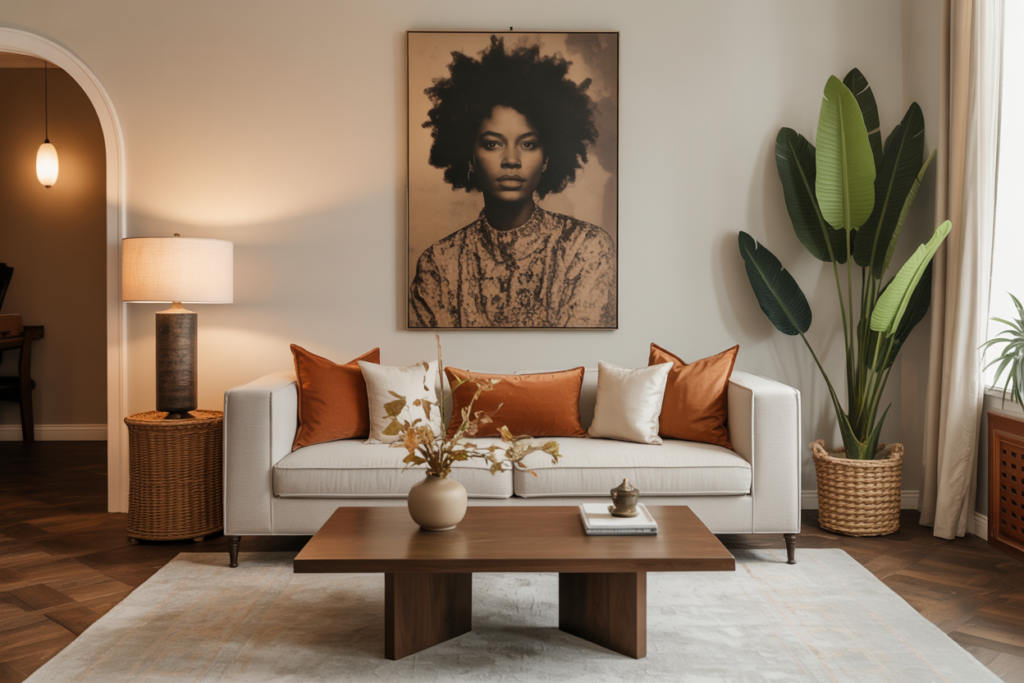
The Afrohemian aesthetic represents a beautiful convergence of African cultural heritage, bohemian free-spiritedness, and contemporary design sensibility. It’s a style that celebrates richness without ostentation, warmth without clutter, and cultural authenticity without feeling like a museum exhibition. When executed thoughtfully, an Afrohemian living room becomes a deeply personal space that honors ancestral roots while embracing modern comfort—a place where layered textures create visual and tactile interest, warm neutral palettes provide a sophisticated foundation, and carefully curated cultural accents tell stories of heritage, travel, and identity. This isn’t about following a rigid formula or recreating a Pinterest board; it’s about creating a living space that feels both grounded in tradition and refreshingly current, where every element serves a purpose and contributes to an overall atmosphere of warmth, authenticity, and intentional curation.
What makes Afrohemian design so compelling is its emphasis on natural materials, handcrafted elements, and the artful mixing of patterns and textures that would feel chaotic in less skilled hands but somehow achieves perfect harmony when guided by thoughtful principles. The style embraces imperfection, celebrates craftsmanship, and creates spaces that feel collected over time rather than designed in a single shopping trip. Whether you’re starting from scratch or transforming an existing living room, understanding how to layer textures effectively, work within a warm neutral palette while adding strategic pops of color, and incorporate cultural accents that feel authentic rather than appropriative creates a space that’s uniquely yours while honoring this rich aesthetic tradition. Let’s explore how to build an Afrohemian living room layer by layer, from foundational pieces to finishing touches that tie everything together.
Understanding the Afrohemian Aesthetic: Foundations and Philosophy
Before diving into specific design elements, it’s essential to understand what defines the Afrohemian style and the principles that guide its creation.
Core Aesthetic Elements:
- Natural materials: Wood, rattan, jute, clay, stone, leather—organic textures prevail
- Warm neutral palette: Earth tones, terracotta, ochre, warm browns, creamy whites
- Layered textiles: Mudcloth, kente, batik, woven fabrics, multiple patterns coexisting
- Handcrafted elements: Artisan-made pieces, visible craftsmanship, imperfect beauty
- Cultural artifacts: Masks, baskets, pottery, textiles with heritage significance
- Low, comfortable seating: Floor cushions, low-profile sofas, inviting lounging
Philosophical Underpinnings:
- Authenticity over decoration: Items should have meaning or story, not just fill space
- Mix of old and new: Vintage finds alongside contemporary pieces
- Celebration of craft: Honoring makers, traditional techniques, handwork
- Connection to nature: Natural materials, plants, organic forms
- Curated eclecticism: Thoughtful collecting, not random accumulation
- Comfort as priority: Beautiful spaces should also be livable and welcoming
Avoiding Cultural Appropriation:
- Source responsibly: Buy from African artisans and Black-owned businesses when possible
- Understand significance: Research meaning behind patterns, symbols, artifacts
- Avoid sacred objects: Don’t use ceremonial or religious items as mere decoration
- Respect origins: Give credit to cultural sources, don’t claim as generic “tribal”
- Personal connection: Items should relate to your heritage or meaningful experiences
- Quality over quantity: Better to have fewer authentic pieces than many knock-offs
Creating Your Personal Version:
- Not every Afrohemian space looks identical—interpret through your lens
- Mix African influences with your other cultural touchpoints
- Adapt to your climate, lifestyle, existing architecture
- Let your space evolve over time through collecting
- Balance aesthetic goals with practical living needs
- Remember it’s about feeling, not rigid rule-following
Tips and Considerations:
- Start with research—understand the cultures and traditions you’re drawing from
- Visit cultural centers, museums, markets for authentic inspiration
- Follow African and diaspora designers, artists, makers on social media
- Read books on African design traditions and contemporary interpretations
- Allow your space to tell your story, not someone else’s
- Invest in quality foundational pieces, add layers gradually
Shop Design Resource Books
African Design Books Collection $30-$60
Visual inspiration, cultural context, designer profiles, authentic sources
Interior Design Sketchbook $15-$25
Plan your space, color palettes, mood boards, measurements
Textile Pattern Reference Book $15-$30
Understand pattern origins, meanings, how to mix, educational
Building the Foundation: Warm Neutral Color Palette
The Afrohemian palette centers on warm, earthy neutrals that create a sophisticated, cohesive backdrop for layered textures and cultural accents.
Primary Neutral Tones:
- Warm whites and creams: Not stark white—think linen, ivory, ecru, bone
- Terracotta and clay: Earthy oranges, burnt sienna, rust tones
- Rich browns: Chocolate, cognac, walnut, espresso shades
- Warm grays and taupes: Greige, mushroom, warm stone colors
- Ochre and mustard: Golden yellows, turmeric, saffron tones
- Caramel and honey: Warm amber tones, golden browns
Accent Color Strategies:
- Indigo and deep blues: From African indigo dyeing traditions
- Forest and olive greens: Natural, grounding, connects to nature
- Burgundy and wine: Rich, regal, adds depth without overwhelming
- Burnt orange: Energizing, warm, cultural significance
- Black accents: Grounding, defines spaces, adds sophistication
- Metallic touches: Brass, bronze, copper for subtle shine
Applying Color in Your Space:
- Walls: Warm white or soft terracotta as base
- Large furniture: Neutral tones—tan, caramel, brown, deep cushions
- Textiles: Where patterns and accent colors appear
- Accent pieces: Bolder colors in smaller doses
- Art and artifacts: Can introduce vibrant cultural colors
- Plants: Living green as color element
Creating Cohesion:
- Stick to warm undertones throughout—avoid mixing warm and cool
- Use the 60-30-10 rule: 60% neutral base, 30% secondary color, 10% accent
- Repeat colors in different textures and patterns for unity
- Layer shades of same color family for depth
- Let natural wood tones count as part of your palette
- Test paint colors at different times of day—lighting dramatically affects warm tones
Tips and Considerations:
- Warm neutrals make spaces feel inviting and cozy
- They serve as perfect backdrop for colorful textiles and art
- Natural light enhances warm tones—consider your room’s exposure
- Paint large swatches on wall to test before committing
- Matte and flat finishes feel more organic than high gloss
- Remember that neutrals aren’t boring—they’re sophisticated
Shop Paint & Color Essentials
Warm White Paint Samples Set $20-$35
Test multiple shades, includes terracotta options, large sample sizes
Paint Supplies Kit| $30-$50
Brushes, rollers, tray, tape, drop cloth, quality tools
Color Swatch Fan Deck $15-$25
Portable reference, coordinate colors, show contractors/designers
Foundational Furniture: Setting the Stage
Furniture in an Afrohemian living room should prioritize natural materials, comfortable low profiles, and pieces that look collected rather than matched sets.
Essential Seating:
- Low-profile sofa: Natural linen, leather, or textured fabric in neutral tone
- Accent chairs: Different styles—rattan, wooden frame with cushions, vintage finds
- Floor cushions: Large poufs, oversized pillows for casual seating
- Bench or ottoman: Multi-functional, can be extra seating or coffee table
- Mix of seating heights: Variety creates visual interest and accommodates different activities
Tables and Storage:
- Coffee table: Natural wood, rattan, or woven—organic materials preferred
- Side tables: Mix materials—wooden stool, drum table, metal plant stand
- Open shelving: Display books, artifacts, plants—not everything hidden
- Storage baskets: Woven, various sizes, functional and decorative
- Media console: Natural wood or rattan, houses electronics tastefully
Material Priorities:
- Wood in natural finishes: Teak, mango, acacia—let grain show
- Rattan and wicker: Chairs, tables, storage—adds texture
- Metal in warm tones: Brass, copper, bronze—not chrome or silver
- Leather: Aged brown leather, natural patina over time
- Stone and clay: Side tables, decorative elements, grounding weight
Furniture Arrangement:
- Create conversation areas: Seating facing each other, intimate groupings
- Leave room to breathe: Not every wall needs furniture
- Vary heights: Mix low and standard height pieces
- Consider flow: Easy movement through space
- Anchor with area rug: Defines seating area, adds texture layer
- Pull furniture away from walls: Creates more intimate, curated feel
Tips and Considerations:
- Vintage and secondhand pieces add character and authenticity
- Don’t match—collected look is more interesting
- Comfort is crucial—test before buying
- Natural materials age beautifully—embrace patina
- Mix upholstered and hard surfaces for balance
- Consider scale relative to your room size
Shop Foundational Furniture
Natural Linen Sofa $600-$1200
Neutral base, comfortable, natural fabric, timeless style
Rattan Accent Chair $250-$450
Adds texture, natural material, statement piece, comfortable
Reclaimed Wood Coffee Table $300-$600
Unique piece, sustainable, natural wood, substantial presence
Woven Storage Ottoman $120-$220
Multi-functional, texture, hidden storage, natural fiber
Wooden Shelving Unit $200-$400
Display space, natural wood, open storage, various sizes
Layering Textiles: Creating Depth and Warmth
Textiles are where Afrohemian style truly comes alive—layering patterns, textures, and handcrafted fabrics creates the signature warmth and richness of this aesthetic.
Essential Textile Elements:
- Mudcloth (bògòlanfini): Traditional Malian fabric, geometric patterns, earth tones
- Kente cloth: Ghanaian woven fabric, bold colors, meaningful patterns
- Batik: Wax-resist dyed fabric, intricate patterns, various origins
- Woven textiles: Handwoven throws, pillow covers, wall hangings
- Natural fiber rugs: Jute, sisal, wool—textured foundation layers
- Leather and hide: Authentic or faux, adds another texture layer
Layering Strategy:
- Start with neutral base: Solid sofa or large rug as foundation
- Add pattern gradually: Begin with one patterned piece, build from there
- Mix pattern scales: Large, medium, small patterns work together
- Vary textures: Smooth, chunky, woven, soft—sensory diversity
- Repeat colors: Different patterns sharing colors creates cohesion
- Don’t match exactly: Coordinating, not matching, feels more authentic
Pillow Layering Formula:
- Start with 2 large solid or textured pillows (20-24″)
- Add 2 medium patterned pillows (18-20″)—mudcloth, kente, batik
- Include 1-2 smaller accent pillows (16-18″)—complementary patterns
- Mix pillow shapes—square, lumbar, round—adds interest
- Vary textures—woven, printed, embroidered, fringed
- Odd numbers often look more dynamic than even
Throw and Blanket Placement:
- Draped over sofa arm or back—casual, inviting
- Folded in basket nearby—accessible, decorative
- Layered over chair—adds color and texture
- Multiple throws create collected look
- Mix weights—lightweight for layering, chunky for statement
Rug Layering:
- Large neutral jute or sisal as base
- Smaller patterned rug layered on top
- Creates depth and defines specific areas
- Mix textures—smooth over chunky
- Ensure rugs are proportional to furniture
Tips and Considerations:
- Buy textiles from African artisans when possible
- Natural fibers feel better and age more beautifully
- Don’t be afraid of pattern mixing—it’s signature to the style
- Start conservatively, add more as comfort grows
- Wash and care properly—natural fibers need specific care
- Rotate textiles seasonally to preserve and refresh
Shop Textile Essentials
Authentic Mudcloth Pillow Covers (Set of 2) $60-$110
Genuine handmade, unique patterns, supports artisans, statement pieces
Jute Area Rug Large $150-$300
Natural fiber, textured base, durable, various sizes, neutral foundation
Woven Throw Blanket Set (2) $80-$140
Handwoven texture, natural materials, layering pieces, warm neutrals
Batik Fabric by the Yard $20-$40 per yard
DIY pillows/covers, authentic patterns, versatile, cultural significance
Textured Lumbar Pillow Set $50-$90
Various textures, neutral tones, mixing shapes, comfortable support
Leather Pouf Ottoman $120-$200
Authentic Moroccan, handmade, flexible seating, floor-level element
Cultural Accents: Adding Authentic Character
Cultural accents are what make an Afrohemian space feel personal and meaningful—these are the pieces that tell stories and connect to heritage.
Wall Art and Decor:
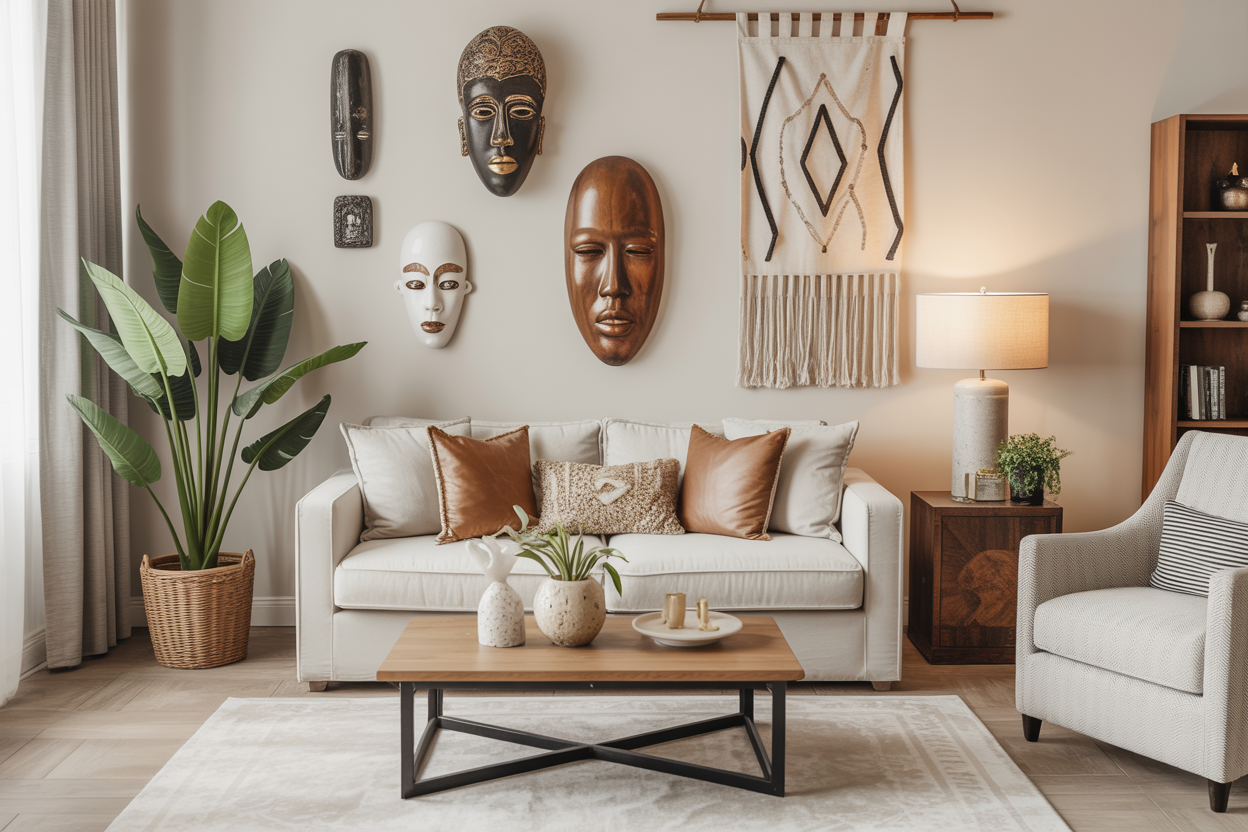
- African masks: Authentic or quality reproductions, understand symbolism
- Woven wall hangings: Baskets mounted on walls, textural art
- Framed textiles: Mudcloth, kente, batik in simple frames
- Black art: Support contemporary African and diaspora artists
- Photography: African landscapes, cultural documentation, portraits
- Mixed media: Collages, assemblages incorporating cultural elements
Sculptural Elements:
- Wooden sculptures: Hand-carved figures, abstract forms, natural wood
- Pottery and ceramics: African earthenware, decorative vessels
- Brass and bronze: Traditional casting techniques, decorative objects
- Gourds and calabashes: Natural vessels, traditional uses
- Soapstone carvings: Smooth, tactile, often from Kenya/Zimbabwe
- Contemporary sculpture: Modern artists interpreting traditional forms
Functional Cultural Objects:
- Woven baskets: Wall-mounted, floor storage, coffee table displays
- Wooden stools: Traditional carved stools as tables or seating
- Textiles as throws: Using traditional fabric functionally
- Beaded objects: Decorative pieces, boxes, frames
- Drums: Djembe or talking drums, decorative and potentially playable
- Market bags: Hanging storage, decorative and practical
Creating Display Vignettes:
- Group items in odd numbers: 3, 5, or 7 creates visual interest
- Vary heights: Stack books, use risers, create levels
- Mix textures and materials: Wood, metal, textile, ceramic together
- Leave negative space: Not every surface needs objects
- Tell a story: Group related items—travel finds, family heritage
- Rotate displays: Keep space fresh, honor different seasons or occasions
Tips and Considerations:
- Quality over quantity—one authentic piece beats many reproductions
- Research before buying—understand what you’re bringing into your home
- Support Black-owned businesses and African artisans
- Ask about provenance—where did item come from, who made it?
- Avoid items with unclear origins or that might be sacred
- Display with respect—not everything is decoration
Shop Cultural Accent Essentials
Set of 3 Woven Baskets for Wall $60-$110
Handmade, fair trade, textural art, supports artisans, authentic
Hand-Carved Wooden Sculpture $80-$150
Artisan-made, unique piece, conversation starter, cultural significance
African Pottery Collection (3 pieces) $70-$130
Traditional techniques, functional art, various sizes, earthy tones
Framed Textile Art $100-$200
Museum-quality framing, authentic fabric, ready to hang, statement piece
Brass Decorative Objects Set $50-$95
Traditional casting, warm metal, various objects, display together
Bringing Nature Inside: Plants and Organic Elements
Plants and natural elements are essential to the Afrohemian aesthetic, connecting the space to nature and adding living, breathing beauty.
Plant Selection:
- Large statement plants: Fiddle leaf fig, bird of paradise, monstera
- Medium plants: Snake plants, ZZ plants, rubber plants—low maintenance
- Trailing plants: Pothos, string of pearls, trailing philodendron
- Sculptural succulents: Aloe, euphorbia, cacti—architectural forms
- Palms: Areca palm, parlor palm—tropical feel
- Leafy greens: Various ferns, peace lilies—lush texture
Natural Containers:
- Woven baskets: Various sizes, natural fibers, textural
- Clay and terracotta: Unglazed earthenware, warm tones
- Wooden planters: Natural or stained, boxes or barrels
- Ceramic in earth tones: Handmade, organic shapes
- Hanging planters: Macramé, woven, creates vertical interest
- Mixed heights and materials: Variety creates visual interest
Organic Decorative Elements:
- Driftwood pieces: Sculptural, natural art
- Natural fiber elements: Dried grasses, pampas, wheat
- Stones and geodes: Display collections, natural beauty
- Shells and coral: If ethically sourced
- Branches and twigs: Arranged in tall vessels
- Seed pods and dried botanicals: Textural interest
Plant Placement Strategy:
- Corner fill: Large plants in corners create focal points
- Shelf styling: Trailing plants on high shelves
- Grouped clusters: Multiple plants at varying heights
- Floor plants: Substantial presence, grounds the space
- Table plants: Smaller scale, accessible, table décor
- Hanging plants: Utilizes vertical space, adds dimension
Tips and Considerations:
- Choose plants appropriate for your light conditions
- Start with low-maintenance if you’re not experienced
- Terracotta breathes—good for plants, but dries soil faster
- Group plants with similar water needs
- Odd numbers in arrangements look more natural
- Rotate plants occasionally for even growth
- Consider air-purifying varieties—snake plant, pothos, spider plant
Shop Plant & Natural Element Essentials
Large Indoor Plant (Fiddle Leaf Fig or Bird of Paradise) $50-$120
Statement piece, living art, air purifying, substantial presence
Set of Natural Woven Baskets as Planters $40-$80
Various sizes, natural material, hides plastic pots, textural
Terracotta Planter Collection (5) $30-$60
Classic, breathable, warm tones, various sizes, affordable
Macramé Plant Hangers (3) $25-$50
Handmade, bohemian element, saves floor space, various lengths
Assorted Low-Maintenance Plant Bundle $60-$100
Multiple plants, beginner-friendly, various sizes, thriving varieties
Lighting: Creating Warmth and Ambiance
Lighting in an Afrohemian space should be warm, layered, and include both functional and ambient sources that create inviting, intimate atmosphere.
Overhead Lighting:
- Natural fiber pendants: Woven rattan, bamboo, jute shades
- Basket light fixtures: Inverted baskets as pendant lights
- Moroccan-inspired lanterns: Pierced metal, creates patterns
- Simple drum shades: Linen or textured fabric
- Multiple pendants: Clustered at different heights
- Statement chandelier: Natural materials, organic form
Task and Accent Lighting:
- Floor lamps: Tripod bases, natural wood, warm metal finishes
- Table lamps: Ceramic bases, textured shades, reading lights
- Wall sconces: Brass or bronze, traditional patterns
- String lights: Warm white, creates cozy atmosphere
- Candle lanterns: Various sizes, grouped together
- LED candles: Safe ambient lighting
Creating Layered Lighting:
- Ambient lighting: Overall illumination, overhead fixtures
- Task lighting: Reading lamps, work areas, functional
- Accent lighting: Highlights art, plants, creates mood
- Multiple switches: Control different lighting zones
- Dimmers: Adjust brightness for different times and moods
- Warm bulbs: 2700K-3000K color temperature, not cool white
Natural Light Maximization:
- Sheer curtains: Filter light without blocking completely
- Natural fiber blinds: Bamboo, woven wood, jute roman shades
- Mirrors strategically placed: Reflect and amplify natural light
- Light walls: Warm neutrals maximize light reflection
- Keep windows unobstructed: Furniture placement doesn’t block light
- Trim plants near windows: Allow maximum light penetration
Tips and Considerations:
- Warm light temperature crucial—cool light feels wrong in Afrohemian space
- Layer different light sources—never rely on one overhead
- Consider ceiling height when choosing pendant length
- Natural materials in fixtures tie to overall aesthetic
- Candlelight (real or LED) adds essential warmth
- Install lighting on different circuits for flexibility
Shop Lighting Essentials
Woven Rattan Pendant Light $80-$150
Natural material, statement piece, warm filtered light, handmade
Brass Floor Lamp with Wood Base $100-$180
Warm metal, natural wood, adjustable, quality construction
Table Lamp Set with Textured Bases (2) $80-$140
Ceramic or wood, warm shades, ambient lighting, various styles
Moroccan Lantern Collection (3 sizes) $60-$110
Pierced metal, candlelit ambiance, authentic design, creates patterns
Warm White LED Edison Bulbs (6-pack) $20-$35
Correct color temperature, energy efficient, vintage look, long-lasting
Bamboo Roman Shades $40-$90
Natural fiber, filters light beautifully, various sizes, window treatment
Final Layers: Details That Complete the Space
The finishing touches transform a well-designed room into a truly lived-in, personal Afrohemian sanctuary.
Books and Magazines:
- Coffee table books: African art, photography, design, culture
- Stacked on surfaces: Adds height, color, intellectual element
- Bookshelf styling: Mix vertical and horizontal stacking
- Vintage books: Worn spines, natural aging, character
- Cultural literature: Authors from diaspora, African writers
- Design magazines: Current, shows space is lived-in and evolving
Textural Accents:
- Woven trays: Display on ottoman, coffee table, corrals items
- Decorative bowls: Various materials, hold remotes, keys, small items
- Coasters: Natural materials, protect surfaces, functional beauty
- Beaded or shell garlands: Draped over objects, adds detail
- Tassels and fringe: On pillows, throws, adds movement
- Macramé wall hangings: Textural art, bohemian element
Aromatic Elements:
- Incense and holders: Traditional scents, spiritual element
- Candles in natural vessels: Clay, wood, coconut shell
- Essential oil diffuser: Natural materials, therapeutic scents
- Dried herbs: Sage bundles, palo santo, cleansing
- Natural potpourri: Dried flowers, spices, organic scents
- Reed diffusers: Subtle, continuous scent
Personal Touches:
- Family photos: In natural frames, grouped on shelf or wall
- Travel mementos: Items from meaningful journeys
- Heirlooms: Passed down objects, family history
- Art you’ve created: Personal expression, authentic to you
- Collections: Items you genuinely love, not decorator collections
- Handwritten notes: Framed quotes, recipes, meaningful words
Tips and Considerations:
- Details should feel collected over time, not bought in one trip
- Edit regularly—remove items that no longer serve or resonate
- Group small objects together for impact
- Leave some surfaces clear—breathing room matters
- Rotate seasonal elements to keep space fresh
- Each item should have purpose, meaning, or beauty (ideally all three)
Shop Final Detail Essentials
Woven Tray Set (3 sizes) $40-$75
Functional and decorative, natural material, nested storage, display piece
Decorative Bowl Collection $50-$90
Various materials, different sizes, functional art, surface styling
Natural Incense and Holder Set $20-$40
Traditional scents, beautiful holder, aromatic element, ritual object
Soy Candles in Clay Vessels (3) $35-$60
Natural ingredients, reusable containers, warm scents, earth-toned
Natural Wood Picture Frames (5) $40-$70
Various sizes, natural finish, display photos, gallery wall
Bringing It All Together: The Afrohemian Living Room
Creating an authentic Afrohemian living room is a journey, not a destination. It’s about building layers gradually, making intentional choices, and allowing your space to evolve as you discover new pieces, deepen your understanding, and refine your personal interpretation of this rich aesthetic. The most successful Afrohemian spaces don’t look like they were designed in a weekend—they feel collected, curated, and deeply personal, reflecting both cultural heritage and individual style.
The Layering Process:
- Start with foundation: Neutral walls, quality furniture in natural materials
- Add textile layers: Rugs, then larger textiles, then pillows and throws
- Incorporate cultural accents: Begin with meaningful pieces, build collection
- Bring in plants: Living elements that grow and change with you
- Install lighting: Create warm, layered ambiance
- Finish with details: Books, bowls, personal objects, aromatic elements
- Live with it: Adjust, edit, refine as you inhabit the space
Maintaining Authenticity:
- Source from African and Black-owned businesses when possible
- Learn about the items you bring into your home
- Invest in quality over quantity—fewer authentic pieces
- Mix vintage and new, handmade and contemporary
- Let your space tell your story, not a generic “African” aesthetic
- Respect the cultural significance of patterns, symbols, objects
- Support artisans directly when you can
Making It Livable:
- Ensure seating is actually comfortable for your household
- Maintain clear pathways and functional flow
- Include practical storage for daily life items
- Choose durable fabrics if you have kids or pets
- Keep surfaces manageable—not so styled you can’t use them
- Remember it’s your home, not a museum or showroom
- Adapt the aesthetic to your real life and needs
Evolving Over Time:
- Allow your space to grow and change
- Add new finds from travels, markets, artists
- Rotate textiles seasonally
- Update as your understanding deepens
- Remove items that no longer resonate
- Document your space’s evolution
- Enjoy the journey of creating your sanctuary
The Afrohemian living room you create should be a space that grounds you, welcomes others, honors heritage, and reflects your authentic self. It’s a room that tells stories through its layers—stories of tradition and innovation, of craftsmanship and care, of cultural pride and personal expression. When you walk into your completed space, you should feel both energized by its beauty and comforted by its warmth, proud of its authenticity and grateful for its invitation to slow down, connect, and simply be. That’s the true magic of Afrohemian design—it creates rooms that aren’t just aesthetically stunning, but emotionally nourishing, culturally meaningful, and deeply, unmistakably yours.