Minimal and Magical Outdoor Patio Ideas for a Clean, Calm & Aesthetic Setup
The content on this site was created with the help of AI. LOVEOWE LLC participates in the Amazon Services LLC Associates Program and other affiliate programs. As an Amazon Associate, I earn from qualifying purchases. This means I may earn a small commission—at no extra cost to you—when you make a purchase through links on this site. All opinions are my own. Learn more click here. Thank you for your support!
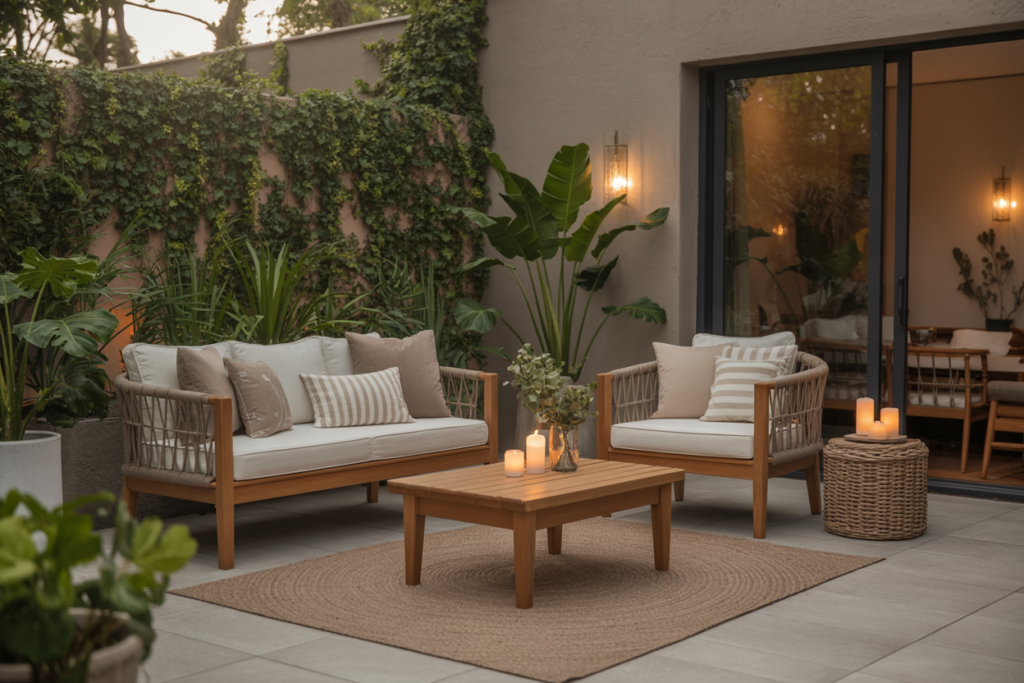
The most peaceful outdoor space I’ve ever spent time in belonged to someone who owned almost nothing for it.
Two low chairs in matte black. A single concrete planter with one large palm. A linen cushion. String lights barely visible during the day, transformative after dark. No clutter, no color, nothing competing for attention. Just clean lines, natural materials, and the kind of quiet that makes you exhale the moment you step into it.
I stood there thinking: this is what a nervous system reset actually looks like. Not more — better. Not louder — calmer. Not decorated — intentional.
The minimal outdoor aesthetic makes complete sense right now. We live in environments that ask an enormous amount from our attention — screens, noise, the general overwhelm of modern life. An outdoor space that strips all of that away and offers clean surfaces, gentle materials, and breathing room is not just beautiful. It is genuinely restorative in a way that busier spaces rarely manage.
Whether you have a sprawling backyard, a modest concrete patio, or a balcony just wide enough for two chairs, this guide walks through every element — furniture, surfaces, lighting, plants, and the finishing details that make a minimal space feel magical rather than simply empty.
Minimal outdoor furniture: less pieces, more intention
The foundational principle of minimal outdoor design is restraint — and restraint in furniture means choosing fewer pieces with more intention. A minimal patio is not underfurnished. It is precisely furnished. Every piece has a reason to be there, a clear visual purpose, and enough breathing room around it that the eye can rest rather than having to navigate.
The furniture silhouettes that work best in this aesthetic are low-profile, clean-lined, and in a tightly edited material palette. Think: the difference between a rattan sectional with six throw pillows and a teak bench with one cushion. Both are beautiful in their respective aesthetics. The minimal version simply does more with less — and often costs less, too, because you are investing in quality over quantity.
Your anchor seating: one or two pieces, done well. A minimal patio typically centers on one strong seating moment rather than a full arrangement. Two low chairs facing each other across a small concrete or stone table. A single low sofa in a neutral outdoor fabric with two simple cushions. A teak bench against a wall with one long linen cushion. The key is that the anchor piece is high-quality enough to be the focus — because in a minimal space, every piece is visible in a way that a busier arrangement forgives.
Material palette: teak, concrete, powder-coated steel, natural stone. These are the materials that define the minimal outdoor aesthetic — each has a clean, elemental quality that requires nothing added to it. Teak weathers to a beautiful silver-grey if left unsealed, or maintains its warm honey tone if oiled regularly. Concrete ages with dignity. Powder-coated steel in matte black or warm white is the most architectural option and the one that reads most contemporary. Natural stone — slate, travertine, limestone — brings the earth in without adding visual noise. Mix two of these materials, not five, and the palette holds together effortlessly.
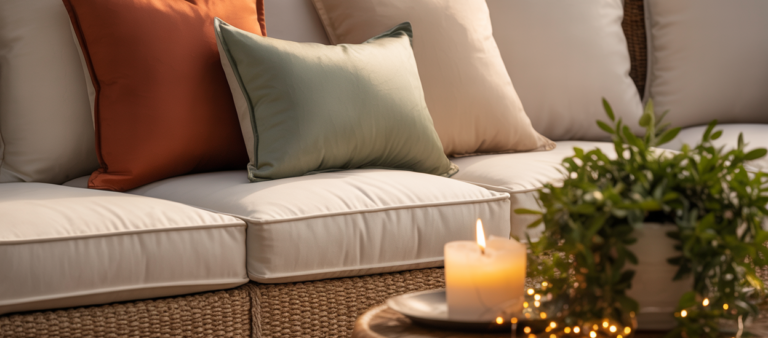
Cushions: one color, one texture. Cushions in a minimal space are a commitment, not an opportunity for pattern play. Linen, canvas, or outdoor performance fabric in oatmeal, warm white, soft sage, or stone grey. One solid color per seat. Clean seams, no fringe. The cushion complements the frame — its job is comfort and softness, not decoration.
A low table as the anchor surface. Every minimal seating arrangement needs one good surface — somewhere to place a drink, a book, a candle. A concrete drum table. A slate slab on low legs. A simple teak side table. Keep it low to maintain the open, horizontal visual line that makes minimal outdoor spaces feel so calm, and resist the urge to add a second table unless the space genuinely requires it.
A minimal space doesn’t ask anything of you the moment you step into it. That quality — that immediate exhale — is something you can design for.
Clean-line outdoor furniture worth investing in
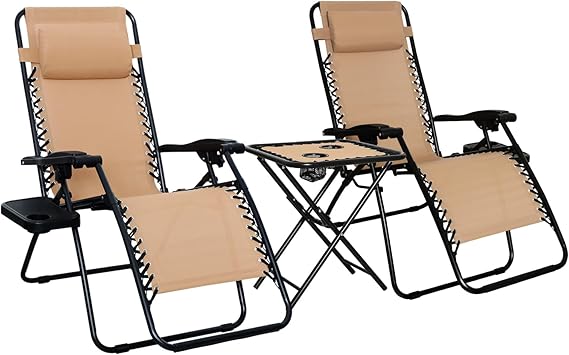
Two low lounge chairs are the minimal patio’s most versatile anchor — casual enough to feel restful, structured enough to read as designed. Look for powder-coated steel or teak frames in matte black, natural wood, or warm white, with cushions in a performance fabric that won’t fade or absorb moisture. The low seat height is key — it changes the way you hold your body into something more genuinely relaxed.

A single bench against an exterior wall or along a fence line does the most with the least floor space and adds a sculptural quality that multiple chairs often can’t. Solid teak or acacia with a single long cushion in linen or canvas — this is the piece that photographs best and ages most beautifully of anything in this material palette.

A concrete or stone side table requires nothing else around it to look intentional — the material is the statement. Low, heavy, elemental. It grounds the seating area without adding visual noise and weathers in a way that improves rather than degrades with time outdoors. Make it versatile. This one is made of PATENTED stone-plastic composite. The look/feel of stone with the performance of plastic.

The cushion decision in a minimal space is a commitment — choose a quality outdoor fabric in one clean neutral and let it be the only soft note in the furniture arrangement. Performance linen-look fabrics that resist UV fading and moisture are worth the premium because you will not want to replace them seasonally.
Surfaces and layout: the foundation everything else rests on
In a minimal outdoor space, the ground surface and the layout carry more visual weight than in any other aesthetic. When there is less to look at — fewer pieces, less color, less decoration — what you do look at becomes more significant. The negative space in a minimal patio is not emptiness. It is an active design element, and the surface beneath it defines its quality.
The minimal outdoor aesthetic works best with surfaces that are clean, cohesive, and in the natural-to-neutral material range. Here’s how each option performs.
Large-format pavers. This is the surface that most defines the contemporary minimal outdoor aesthetic. Large concrete or natural stone pavers — 24 by 24 inches or larger — with tight, even joints create the clean, gallery-like ground plane that makes furniture and plants read as intentional sculpture. The scale of the pavers matters enormously: small pavers feel busy in a minimal space; large ones feel expansive even in small areas. Light grey, warm white, buff, and natural stone tones all work beautifully. Lay them with a consistent joint width and fill with polymeric sand for a finish that stays clean through seasons.
Poured or resurfaced concrete. A poured concrete slab with a brushed or honed finish is the purest expression of the minimal outdoor aesthetic — monolithic, precise, everything placed on it looks deliberate. If you have existing cracked or stained concrete, a concrete resurfacer in a clean tone achieves a seamless look at a fraction of the cost of new paving.
Light wood decking. Blonde or light grey composite decking brings warmth without introducing pattern or noise. Composite maintains the clean look without the maintenance demands of real wood — no uneven greying, no splinters, no annual sealing.
White or pale gravel. White marble pebbles or pale limestone gravel amplifies light, reads as cleaner than warm pea gravel, and creates stronger contrast with dark furniture and green plants. Edge it with simple steel or stone borders to maintain the precise lines the minimal aesthetic requires.
Layout: space as a design element. Furniture arrangement in a minimal space should leave significant open ground visible. Resist the impulse to fill. A seating area in one corner with open ground in front, or furniture centered with clear walkways on all sides — the open areas are where the calm lives.
Surfaces and layout tools for a clean foundation

The fastest way to transform a plain concrete slab or bare ground into a clean, cohesive minimal patio surface — no tools, no mortar, no permanent installation. Light grey or cream tones in a large-format tile create the visual effect of poured concrete or stone at a fraction of the cost and effort. Fully removable, which suits renters or anyone whose space is still evolving.

White marble pebbles or pale limestone gravel define a minimal patio zone with the clean, light-reflective quality the aesthetic needs. Use to fill the area within steel or stone edging borders, as a surround for large planters, or as a path surface. The lighter tone against dark furniture and green foliage is one of the most effective contrast combinations in minimal outdoor design.

Precise, clean edges between your gravel or planted areas and the surrounding ground make the single biggest difference between a minimal space that looks intentional and one that looks unfinished. Thin steel edging in dark or natural finish is nearly invisible once installed and holds its line through seasons without shifting or fading.

A single solid-color flatweave outdoor rug in cream, light grey, or warm stone defines the seating zone and adds the softness that bare ground or gravel can’t provide — without introducing pattern or color that competes with the minimal palette. Look for UV-resistant, low-profile weaves that stay flat in outdoor conditions and clean easily.
Minimal outdoor lighting: warm, precise, and transformative after dark
Lighting is where the minimal outdoor patio earns the “magical” in its description. During the day, a well-designed minimal space reads as clean and calm. After dark, with the right lighting, it becomes something genuinely atmospheric — the kind of space that makes you want to stay outside until late and feels worth protecting as an evening ritual.
The minimal lighting approach differs from the boho approach in one key way: precision over abundance. Where a boho patio layers lighting generously and eclectically, a minimal patio uses fewer sources with more deliberate placement. Each light has a specific job, and together they create an effect that looks considered rather than accumulated.
One overhead pendant or hanging light. A single pendant light hung above the seating area — a simple globe, a concrete shade, a clean-lined rattan or woven pendant in a more restrained style than its boho counterpart — anchors the space after dark and creates the sense of a room overhead. One good pendant, hung at the right height, does more for a minimal outdoor space than a dozen string lights strung without intention.
String lights as a secondary layer — used precisely. In a minimal space, string lights are edited rather than generous. A single straight run along a fence line or overhead beam rather than zigzagged across the whole space. Bulbs that are spaced further apart for a more refined, less festive feel. Café globe bulbs in warm white (2700K maximum) rather than Edison vintage styles, which read slightly busier. The effect should look like moonlight through branches — present but not the focal point.
Ground-level lighting along edges. Recessed ground lights set into paving, low bollard lights along a path edge, or discreet solar stake lights at the border of a planted area create definition and safety after dark without any visual intrusion during the day. In a minimal space, lighting that disappears in daylight is the ideal — it contributes to the evening experience without adding to the daytime visual field.
Candles as the warmest layer. A cluster of pillar candles in concrete or simple ceramic holders on the coffee table, or a single large candle lantern placed on the ground near the seating area. Flameless LED candles in clean-lined holders work just as well for the light quality and require no management. In a minimal space, candles are the one element that softens the architectural precision of everything else — they introduce the warmth and flicker that makes a space feel inhabited rather than staged.
Wall sconces for permanent warmth. A pair of simple wall sconces in matte black or brushed brass on an exterior wall adds directed warmth that feels more considered than almost any other lighting option. In a minimal space, a quality sconce reads as architectural detail rather than added lighting — which is exactly how outdoor lighting should work.
Lighting that makes the evening worth staying for

A single clean-lined pendant hung above the seating area transforms the space after dark more than any other lighting element in this list. Look for a plug-in version that hangs from a ceiling hook — a globe shade in matte black or white, or a simple concrete shade, reads as architectural and intentional without adding visual complexity.

Spaced-bulb string lights in warm white (2700K) run in a single clean line along a fence or overhead beam — edited and precise rather than layered and abundant. The wider spacing between bulbs produces a more refined effect than standard closely-spaced lights and suits the minimal aesthetic in a way that denser strings don’t.

Flush solar ground lights set into gravel or along a path edge provide evening definition without any daytime visual impact — the ideal minimal lighting specification. Look for designs with a metal or stone-look casing and warm white output. A set of six to eight placed at regular intervals creates a quietly elegant edge to the space after dark.

A simple lantern in concrete, matte ceramic, or dark metal placed on the ground or coffee table adds the warmest, most human layer to a minimal space after dark. Clean lines, no ornamentation, no cut-out pattern — just a material and a flame. This is the piece that makes a minimal patio feel magical rather than just designed.
Plants in a minimal outdoor space: one great plant over ten adequate ones
Plants in a minimal outdoor space are about curation rather than abundance — one large sculptural plant that earns its place visually, surrounded by enough negative space that the eye can appreciate it fully. Each plant is chosen deliberately. The overall effect is composed rather than collected. A minimal planting scheme is more demanding to get right than an abundant one because there is nowhere to hide a poor decision.
One large statement plant per zone. The minimal outdoor space earns its visual interest from one or two plants of genuine presence rather than many smaller ones. A large olive tree in a clean white or concrete planter — one of the most architectural and beautiful plants available in temperate climates. A single Agave or architectural succulent for a more graphic, contemporary statement. A tall ornamental grass — Pennisetum or Miscanthus — that moves in the breeze and catches light in a way that static plants can’t. A banana plant or bird of paradise for a larger space that needs drama without fuss.
Clean, simple planters. In a minimal outdoor space, the planter is as important as the plant. A beautiful plant in the wrong container can undermine the whole aesthetic; a simple plant in the right container can elevate it. Look for: large-scale concrete planters in light grey or raw finish, clean white ceramic pots with a matte glaze, simple terracotta in a consistent size grouping, dark resin planters that read as matte black from a distance. Whatever you choose, keep all planters within one or two materials and avoid mixed sizes unless they are deliberately graduated.
Grouped in odd numbers, placed with intention. If you use multiple plants, group them in threes with deliberate height variation — tall, medium, ground-level — considering the view from your primary seating angle. The group should read as a single composed element, not a collection of individual pots.
Low-maintenance choices that look intentional. The minimal aesthetic is undermined by plants that look stressed or overgrown — so choosing plants that genuinely thrive in your conditions with minimal intervention matters more here than in any other style. Agave, ornamental grasses, olive trees, lavender, and snake plants are the most forgiving and architecturally appropriate choices. They look good without demanding much, which suits the aesthetic and anyone whose energy for maintenance is limited.
Plants and planters for a composed, minimal look

The planter decision in a minimal space carries as much visual weight as the plant inside it. A large concrete or matte ceramic pot in light grey, raw finish, or clean white is the right container for almost any architectural plant — it disappears visually when it’s right and elevates the plant without competing with it.

A tall ornamental grass — Pennisetum, Miscanthus, or blue oat grass — in a simple planter brings movement, light, and architectural presence to a minimal outdoor corner. It shifts with every breeze, catches afternoon sun in a way that static plants cannot, and requires almost nothing once established.

A cluster of three lavender plants in matching matte pots is one of the most complete minimal planting moments available — clean, fragrant, low-maintenance, and visually cohesive in a way that mixed species plantings rarely are. The scent alone justifies the placement near seating; the nervous system benefit is a quiet bonus. Nourish them and watch them bloom!

For shadier spots or anyone who needs plants that ask very little, a large snake plant in a clean white or concrete planter is the minimal outdoor aesthetic’s most forgiving option. The upright, graphic form reads as intentional sculpture. It tolerates irregular watering, limited light, and changing temperatures with minimal visible protest.
The finishing details: what makes a minimal space feel magical
The difference between a minimal outdoor space that feels intentional and one that feels unfinished is almost always in the finishing details — the few, carefully chosen elements that add warmth, personality, and the sense that a person lives here and chose this deliberately. In a minimal space, these details carry more weight than in any other aesthetic, because they are not competing with much. Each one is seen clearly.
One quality outdoor throw. A single linen or cotton throw in a clean neutral — folded precisely over the arm of a chair or the back of a bench — is the softest, most human element in a minimal patio and the one that makes the space feel livable rather than architectural. One throw. One color. No fringe, no tassels, no pattern. Just the quality of the fabric and the signal it sends: someone sits here, and they are comfortable.
A tray as a contained surface moment. A simple tray — concrete, stone, or dark wood — on the coffee table holds a candle, a small plant, a single object of interest, and keeps the surface from looking bare without making it look decorated. The tray contains the moment. Everything on it is curated. Nothing beside it competes.
One sculptural object. A smooth river stone of unusual size. A piece of driftwood with a beautiful form. A simple ceramic vessel. One object chosen for its shape rather than its function, placed where it can be seen clearly. In a minimal space this is not excessive — it is the single note of personality that prevents the aesthetic from tipping into sterility.
A small water feature. The sound of water does something no visual element can replicate. A simple tabletop fountain — nothing elaborate, just moving water — turns a patio into a genuine sensory sanctuary. For anyone who finds the residue of a difficult day follows them outside, that gentle auditory foreground makes it easier to actually arrive in the space.
Negative space as the final element. Resist. When a minimal space is almost right and something still feels off, the instinct is to add. Almost always the right move is to remove. Take one thing away. Leave more ground visible. Give the remaining pieces more air. The calm you are building this space toward lives in the breathing room — not in the objects themselves, but in what surrounds them.
Building a space that supports your calm is one kind of self-care. Showing up for yourself in the medical spaces that shape your health is another — and it requires its own kind of preparation. Say This: 30 Scripts for Chronic Pain Communication gives you the language for 30 real situations, so you can walk into the hard appointments with the same groundedness you feel in your most peaceful space. Get your copy of SAY THIS
Design for the exhale
The minimal outdoor patio is not about having less because you can’t have more. It is about choosing less because you’ve learned that more isn’t what actually makes a space feel good. What makes a space feel good is clarity. Warmth. The feeling that every element in it was chosen, and that the space itself asks nothing from you except to be in it.
Start with one decision. The right chairs. A single good planter with a plant that will thrive in your light conditions. One string of lights run clean along a single line. These things accumulate into an aesthetic — not because you followed a formula but because you kept returning to the same question: does this make the space feel calmer or busier?
Build toward calmer. Every single time.
Your outdoor space — however large, however small — can be the place your nervous system fully exhales. That is worth designing for. And you deserve a space that makes it easy.