Gut Health and Chronic Illness: What to Eat When Everything — Including Your Digestive System — Is Inflamed
The content on this site was created with the help of AI. LOVEOWE LLC participates in the Amazon Services LLC Associates Program and other affiliate programs. As an Amazon Associate, I earn from qualifying purchases. This means I may earn a small commission—at no extra cost to you—when you make a purchase through links on this site. All opinions are my own. Learn more click here. Thank you for your support!

There was a period where I was afraid of food. Not in the way that gets named and treated and talked about openly — in a quieter, more exhausting way. The way where you sit down to eat something you’ve always eaten and spend the meal waiting to find out what it’s going to cost you. Where the aftermath of eating becomes as much a part of your day as the eating itself. Where your relationship with food stops being about nourishment or pleasure and becomes entirely about management — what you can get away with, what you can’t, and the long, demoralizing process of trying to figure out the difference.
Chronic illness had inflamed my joints, my nerves, my fatigue levels, my ability to predict what any given day would look like. And quietly, without anyone naming it or connecting the dots for me, it had inflamed my gut too. The bloating that arrived without warning. The nausea that had nothing to do with what I’d eaten. The way certain foods that used to be fine suddenly weren’t, and the way that list of things that weren’t fine kept growing until the list of things that were felt impossibly small.
What nobody told me — what took me an embarrassingly long time to find out — was that this was not a coincidence. The gut and the rest of the body are not separate systems that happen to share a body. They are deeply, bidirectionally connected, and what happens in one consistently affects what happens in the other. Chronic inflammation in the body drives gut inflammation. Gut inflammation drives systemic inflammation. The two feed each other in a loop that, once you understand it, reframes the entire experience of managing chronic illness through food.
This post is what I wish I’d had during that period. Not a rigid elimination protocol, not a list of foods you’re no longer allowed to enjoy, not a wellness-coded version of restriction dressed up as healing. A real, practical, chronically-ill-person guide to eating in a way that supports your gut without making your already complicated relationship with food more complicated. We are going to cover the gut-inflammation connection, the foods and tools that genuinely support digestive healing, and sixteen products that make eating well possible on the days when everything — including the cooking — feels like too much.
The Gut-Chronic Illness Connection: Why This Matters and What It Actually Means
The gut is home to approximately 70 percent of the immune system. This is not a wellness industry talking point — it is a well-documented physiological fact with significant implications for anyone managing a chronic inflammatory condition. The gut lining, when healthy, functions as a selective barrier: it allows nutrients to pass into the bloodstream while keeping pathogens, undigested food particles, and inflammatory compounds out. When that lining becomes compromised — through chronic stress, certain medications, poor sleep, dysbiosis, or systemic inflammation — that selectivity breaks down.
What follows is a cascade. Inflammatory compounds that should have stayed in the gut pass into circulation. The immune system, already activated by whatever the primary condition is, responds to these additional triggers. Inflammation increases. And because the gut-brain axis — the bidirectional communication pathway between the digestive system and the central nervous system — is also implicated, symptoms can include not just digestive distress but worsening pain sensitivity, mood changes, cognitive fog, and fatigue that is distinct from and additive to the fatigue the primary condition already produces.
For people with fibromyalgia, lupus, rheumatoid arthritis, chronic fatigue syndrome, POTS, endometriosis, and many other chronic conditions, gut symptoms are not a separate problem to manage separately. They are part of the same inflammatory picture — and addressing gut health as part of managing the primary condition is not alternative medicine. It is increasingly supported by mainstream research and recommended by functional and integrative practitioners who treat chronic illness comprehensively.
The dietary approach that supports gut healing in the context of chronic illness has several consistent principles: reduce inflammatory inputs, support the gut lining, rebuild a diverse microbiome, and do all of this in a way that is sustainable across the full range of days your illness produces — the manageable ones and the ones where eating anything at all is the best you can do.
What Gut Inflammation Actually Feels Like in a Chronic Illness Body
Before we get to what to eat, it is worth naming what gut inflammation looks and feels like when it is happening alongside an existing chronic condition — because it is frequently misattributed, dismissed, or absorbed into the general noise of being chronically ill without being identified as its own specific thing requiring its own specific attention.
Gut inflammation in chronic illness can present as bloating that has no clear dietary trigger and arrives seemingly at random. It can present as nausea that is separate from medication side effects, or that predates any medication. It can present as alternating constipation and loose stools, as food sensitivities that weren’t present before the chronic illness developed, as a feeling of fullness that arrives almost immediately after eating begins, or as a low-grade abdominal discomfort that you have stopped mentioning to anyone because it has become so constant you have normalized it.
It can also present systemically — as a worsening of joint pain following meals, as increased fatigue in the two to three hours after eating, as cognitive fog that has a digestive correlate that becomes visible only when you start paying attention to the timing. These systemic presentations are the ones most likely to go unrecognized as gut-related, and they are the ones where dietary intervention tends to produce the most surprising and meaningful improvement.
If any of this sounds familiar, what follows is for you.
Always consult your healthcare provider before beginning any new supplement protocol, particularly if you are managing a chronic condition or taking medications.
The Supplement Foundation: What Supports Gut Lining Repair and Microbiome Restoration
Food is the foundation of gut healing, but for people with chronic illness — where the gut lining may be significantly compromised and the microbiome significantly disrupted — targeted supplementation supports what food alone may not be able to accomplish quickly enough. These four address the most critical elements of gut repair: lining integrity, bacterial diversity, digestive enzyme function, and systemic inflammation reduction.

Collagen provides the amino acids — particularly glycine, proline, and hydroxyproline — that are the structural building blocks of the gut lining. A compromised gut lining is, at the tissue level, a collagen integrity problem, and supplementing with hydrolyzed collagen peptides provides the raw material for repair. Unflavored collagen dissolves completely in hot or cold liquid with no texture change — add it to coffee, tea, a smoothie, or soup without altering the taste. One of the most universally tolerated gut-support supplements available.

Probiotic supplementation for chronic illness requires a higher CFU count and greater strain diversity than the standard wellness-market probiotic. Garden of Life’s Dr. Formulated line is one of the most consistently recommended by integrative practitioners for chronic illness specifically — the strain diversity addresses multiple aspects of microbiome restoration, the shelf-stable capsule does not require refrigeration, and the delayed-release capsule ensures the bacteria reach the intestine rather than being degraded by stomach acid. Start with a lower dose and increase gradually if you are sensitive.

L-glutamine is the primary fuel source for intestinal epithelial cells — the cells that form the gut lining itself. Supplementing with L-glutamine supports the regeneration and maintenance of that lining, which is particularly relevant for people whose gut lining integrity has been compromised by chronic inflammation, NSAID use, or stress. The powder form allows for flexible dosing and dissolves easily in water. It has a mildly sweet taste that most people find neutral. One of the most well-researched gut-lining support supplements available.

For people whose gut inflammation has impaired the production of digestive enzymes — which it frequently does — a broad-spectrum digestive enzyme supplement taken with meals supports the complete breakdown of food before it reaches the large intestine. Incompletely digested food in the large intestine is a primary driver of bloating, gas, and the inflammatory response that follows meals. Enzymedica’s Digest Gold is one of the most comprehensive enzyme formulations available over the counter, with enzymes targeting proteins, fats, carbohydrates, and fiber. Take one capsule at the beginning of each meal.
The Foods That Support Gut Healing: What to Eat More Of
The gut-healing dietary conversation is dominated by what to eliminate — gluten, dairy, seed oils, lectins, histamines, FODMAPs — and while there is a legitimate role for temporary elimination in identifying individual triggers, the restriction-first framework is both psychologically costly and practically unsustainable for people already navigating the significant lifestyle constraints of chronic illness. This post takes the addition-first approach: focus first on what genuinely supports gut healing, eat more of it, and let the increased presence of healing foods naturally crowd out some of the inflammatory ones.
Bone broth is the most direct dietary source of the collagen and gelatin that support gut lining integrity. Glycine, one of its primary amino acids, has documented anti-inflammatory effects and supports the tight junctions of the gut lining — the cellular connections that, when compromised, allow inflammatory compounds to pass into circulation. Sip it warm as a between-meal drink, use it as the base for soups and grains, or add it to sauces. The key is quality: commercially prepared bone broth varies significantly, and the collagen content of a well-made broth is visible in its gel when refrigerated.
Fermented foods are the most direct dietary source of beneficial bacteria for the microbiome. Yogurt with live cultures, kefir, sauerkraut, kimchi, miso, and tempeh all introduce diverse bacterial strains that support microbiome restoration in ways that probiotic supplements, despite their value, cannot fully replicate because they deliver fewer strains in lower diversity. Start with small amounts — a tablespoon of sauerkraut, a quarter cup of kefir — and increase gradually, as a microbiome shift can initially produce gas and bloating before it produces improvement.
Prebiotic fiber is the food that the beneficial bacteria in your gut eat. Without adequate prebiotic fiber, even a well-supplemented microbiome cannot sustain itself. Garlic, onions, leeks, asparagus, Jerusalem artichokes, green bananas, and oats are among the richest prebiotic food sources. For people with FODMAP sensitivity, some of these may need to be introduced slowly and in small quantities — but the goal is to build tolerance over time rather than to eliminate them permanently.
Omega-3 fatty acids from fatty fish, flaxseed, chia seeds, and walnuts have direct anti-inflammatory effects throughout the body, including in the gut lining. The ratio of omega-6 to omega-3 fatty acids in the standard Western diet skews heavily toward omega-6, which promotes inflammation. Increasing omega-3 intake — through food and supplementation — helps rebalance that ratio and reduce the inflammatory baseline that both chronic illness and gut inflammation share.
The Pantry Edit: Gut-Healing Staples Worth Keeping Stocked at All Times
The chronic illness pantry is most valuable when it functions as an insurance policy — the thing that makes eating well possible on the days when shopping, planning, and cooking are not. These four are the gut-healing staples that earn permanent shelf space because they are versatile, shelf-stable, and effective even when effort is the thing in shortest supply.

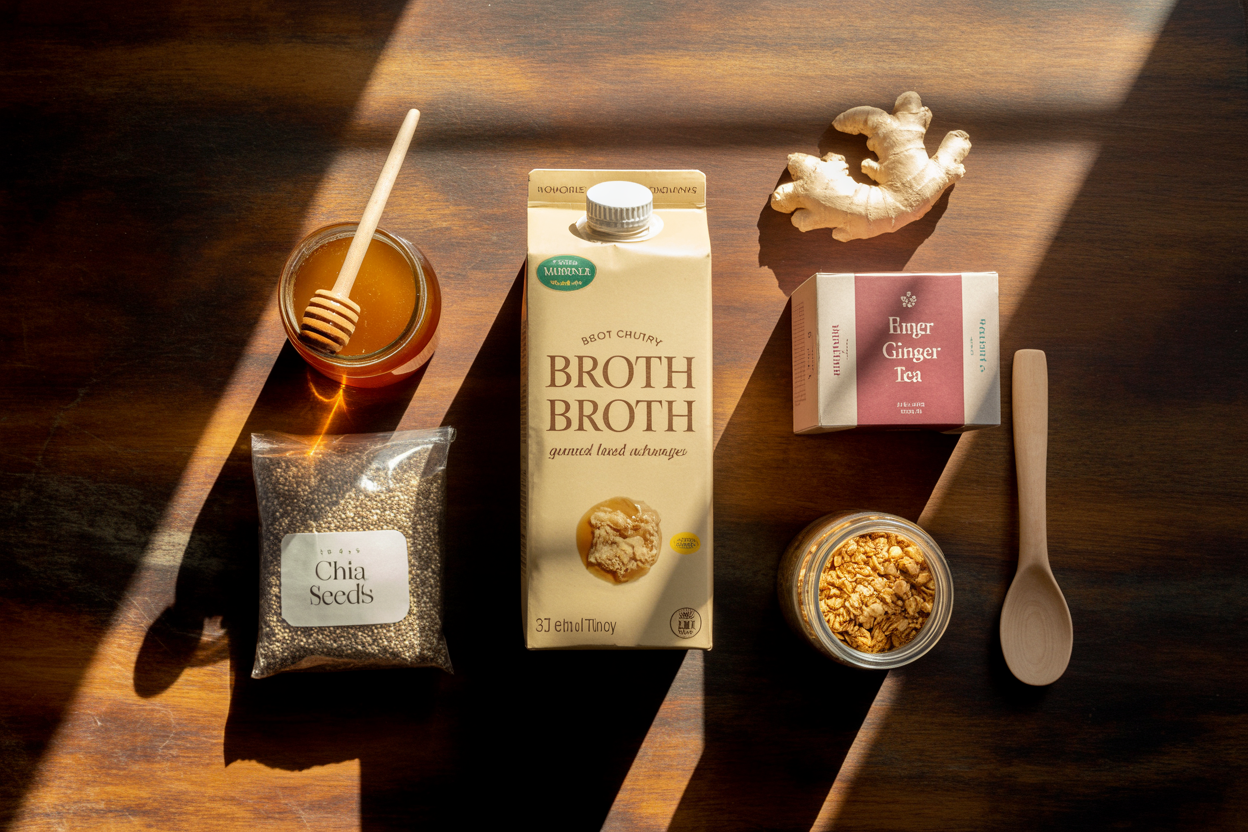
The most consistently high-quality commercially available bone broth — simmered for twenty hours, gels when refrigerated (the indicator of genuine collagen content), and packaged in shelf-stable cartons that require no refrigeration until opened. Keep a variety pack stocked at all times: sip it warm on low-appetite days when eating a full meal isn’t possible, use it as a cooking liquid for grains and soups, or heat it with ginger and turmeric for a genuinely anti-inflammatory drink that is also a meal when your gut needs something simple.

Oats are one of the best dietary sources of beta-glucan, a prebiotic fiber with particularly well-documented effects on microbiome diversity and gut lining health. Purely Elizabeth’s ancient grain granola uses certified gluten-free oats alongside quinoa, amaranth, and millet — providing a wider range of fiber types than standard oat-based granola and therefore feeding a broader range of beneficial bacterial strains. Eat it with coconut yogurt, kefir, or almond milk for a breakfast that is simultaneously prebiotic and probiotic when paired with a fermented dairy or non-dairy base.

Chia seeds are a dual-function gut-healing food: they are one of the richest plant-based sources of omega-3 fatty acids, and they form a gel when hydrated that coats and soothes the gut lining during transit. Two tablespoons stirred into water, juice, or a smoothie, or soaked overnight in coconut milk for a chia pudding, delivers both the anti-inflammatory omega-3 benefit and the mucilaginous soothing effect that makes them particularly valuable for people whose gut lining is actively irritated. They are tasteless, require no cooking, and require almost no energy to prepare.
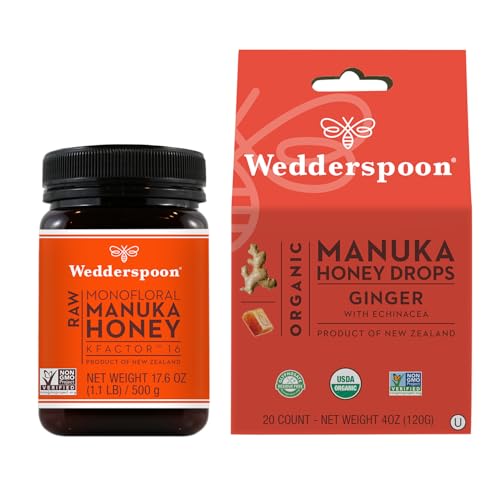
Manuka honey is the only honey with documented antimicrobial and prebiotic activity — its methylglyoxal content creates an environment in the gut that inhibits harmful bacterial overgrowth while supporting the growth of beneficial strains. KFactor 16 indicates a high concentration of manuka pollen, which is the quality marker that distinguishes genuine therapeutic manuka from honey that is merely labeled as such. A teaspoon stirred into warm water or herbal tea, taken on an empty stomach in the morning, is one of the simplest and most palatable gut-support practices available. Do not heat above 40 degrees Celsius or add to boiling liquid — it degrades the active compounds.
Eating on Hard Days: Gut-Healing When Cooking Is Not an Option
The gap in almost every gut-healing guide is the hard day. The flare day. The day where making anything more complicated than toast requires resources that simply are not there. These guides assume a body that can implement their recommendations consistently — that can prepare fermented foods, simmer broths, assemble balanced anti-inflammatory meals — and they say very little about what to do when that body is the one you’re managing.
The chronic illness approach to gut-healing eating is built around a different assumption: that consistency is not sameness, and that a gut-healing practice does not have to be abandoned on hard days because it was designed for good ones. It means having shelf-stable, low-effort options that do real gut-healing work without requiring anything more than opening something and consuming it. It means knowing which of your supplements are non-negotiable even when eating is minimal. It means building a hierarchy of effort so that the lowest-effort version of eating well on a hard day still moves the needle in the right direction.
On a hard day, gut-healing can look like: warm bone broth from a carton, sipped slowly. A probiotic capsule taken with a glass of water. A tablespoon of manuka honey dissolved in warm water. Chia seeds stirred into whatever liquid is easiest. A collagen scoop added to tea. None of these require standing, significant preparation, or cognitive load. All of them are doing real work for your gut lining and microbiome. All of them count.
Healing your gut is one conversation. Getting your doctor to take it seriously is another.
If you have ever tried to bring up gut symptoms in a medical appointment and been dismissed, redirected, or handed a pamphlet about stress management, Say This: 30 Scripts for Chronic Pain Communication has the language for that conversation. Thirty ready-to-use scripts for the moments when you know what your body is telling you and need the words to make someone in a white coat listen. Because advocating for comprehensive care — care that includes your gut — is a skill, and you deserve to have it.
The Drink Edit: What You Sip Between Meals Is Part of the Protocol Too
Gut healing is not only about what you eat at mealtimes. The liquids you consume between meals — the teas, the tonics, the broths and waters — are doing work on your gut lining and microbiome continuously throughout the day, and choosing them with the same intentionality as your food is one of the lowest-effort, highest-return additions to a gut-healing practice. These four are the drinks that earn a permanent place in a chronic illness gut-healing routine.

Ginger has some of the most extensively documented anti-inflammatory and pro-motility effects of any food substance — it reduces intestinal inflammation, supports gastric emptying, and decreases the nausea and discomfort associated with gut inflammation without any of the side effects of pharmaceutical motility agents. Traditional Medicinals uses a high ginger concentration that actually delivers a therapeutic dose per cup, rather than the trace amounts in most grocery-store ginger teas. Drink it thirty minutes before a meal to support digestive readiness, or after a meal to support motility.

Aloe vera juice has a well-documented soothing effect on inflamed gut tissue — it reduces the inflammatory activity of the gut lining without systemic effects, making it one of the few topically-acting (within the gut) anti-inflammatory agents available as a food product. Chamomile adds an antispasmodic effect that addresses the cramping and discomfort associated with gut inflammation. Together, in a tea that requires nothing more than hot water and two minutes of steeping, they address two distinct aspects of gut inflammation simultaneously. Drink it in the evening, after dinner, as part of a winding-down routine.

Lion’s mane mushroom has emerging research support for its effects on the gut-brain axis — specifically, its ability to support the growth of beneficial gut bacteria while also supporting nerve growth factor production in the enteric nervous system, the nervous system embedded in the gut wall. Chaga is one of the most potent natural sources of beta-glucans, which feed beneficial gut bacteria. Combined in a dissolvable elixir that stirs into hot water or coffee in thirty seconds, this is one of the more sophisticated gut-brain support tools available without a prescription.

Kombucha is a fermented tea that delivers a range of beneficial bacterial strains along with organic acids that support gut lining integrity and create an intestinal environment that is hospitable to beneficial bacteria and inhospitable to pathogenic ones. GT’s Synergy line uses a genuine live culture fermentation process and is one of the few mass-market kombuchas with meaningful probiotic activity. Start with four to six ounces per day rather than a full bottle — the bacterial introduction can initially produce bloating in a dysbiotic gut, and a slower introduction allows the microbiome to adjust without the discomfort that comes from moving too quickly.
What to Reduce: The Inflammatory Inputs Most Worth Addressing First
This section is kept deliberately short because the addition-first framework is the one most likely to produce sustainable change — but there are inputs worth naming because their inflammatory effect on the gut is significant enough that reducing them meaningfully accelerates whatever healing the additions are working to produce.
Ultra-processed foods are the highest-priority reduction. The emulsifiers, preservatives, and artificial additives in ultra-processed foods have documented disruptive effects on the gut microbiome and gut lining integrity — effects that are independent of any specific ingredient sensitivity and that occur in everyone, with more significant impact in people whose gut lining is already compromised. This is not about avoiding convenience food entirely — it is about knowing that the processed food you eat on a hard day is doing more gut damage than the same caloric equivalent of a simpler, less processed alternative.
NSAIDs — ibuprofen, naproxen, aspirin — are a necessary mention because they are among the most common medications used by people with chronic pain, and they have a well-documented direct damaging effect on the gut lining. Long-term NSAID use is one of the primary drivers of increased gut permeability in chronic illness populations. This is not a reason to stop taking medication your doctor has prescribed — it is a reason to discuss gut protection with your doctor if you are a regular NSAID user, and to be especially intentional about gut lining support supplements like L-glutamine and collagen if NSAIDs are part of your pain management.
Alcohol has a direct toxic effect on gut lining cells and a significant disruptive effect on the microbiome. For people with chronic illness and gut inflammation, even moderate alcohol consumption meaningfully slows gut healing. This is not about never having a glass of wine — it is about understanding the cost in the context of what you are trying to build, and making an informed choice rather than an uninformed one.
The Practical Edit: Tools That Make Gut-Healing Eating Easier to Implement and Sustain
The gap between knowing what supports gut healing and actually doing it consistently across the full range of chronic illness days is a practical gap as much as it is a willpower one. These four close that gap — the tools that make the protocol easier to implement, easier to track, and easier to sustain when the days are hard and the defaults are tempting.
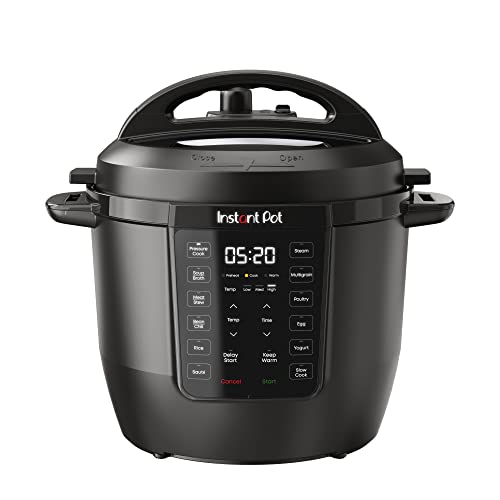
For making bone broth from scratch at a fraction of the time and effort of stovetop simmering. A stovetop bone broth requires twelve to twenty-four hours of monitored simmering. An Instant Pot produces a genuinely collagen-rich bone broth in three to four hours with no monitoring — set it and leave it. It also reduces the cooking time for legumes, grains, and soups significantly, making it the most versatile cooking appliance for chronic illness gut-healing food preparation. If you are going to invest in one kitchen tool for this practice, this is it.

The gut-healing process in chronic illness is not linear, and it is not the same for everyone. Individual trigger identification — which foods worsen your specific symptoms, which improvements correspond to which additions — requires tracking over time, because the gut’s response to food is frequently delayed by hours rather than immediate. A structured food and symptom journal with sections for meals, symptoms, timing, energy levels, and pain levels allows you to identify your own patterns rather than following a protocol built for a generic patient who does not share your specific condition, medications, or microbiome.

The practical infrastructure of eating well on hard days is having food that is already prepared and accessible without effort. Glass meal prep containers — glass rather than plastic because plastic containers leach compounds that are themselves gut-disruptive when heated — make batch cooking on good days into eating well on hard ones. Prepare a large pot of bone broth soup, a batch of prebiotic-rich grain salad, or a container of chia pudding on a manageable day, and distribute it into individual containers that require nothing more than opening and heating. The preparation happens once. The nourishment happens all week.

For anyone whose gut-healing supplement protocol involves multiple supplements taken at different times of day — a probiotic in the morning away from food, digestive enzymes with meals, L-glutamine between meals, collagen in the evening — a weekly pill organizer with AM/PM compartments is the difference between a protocol that happens consistently and one that is abandoned by Wednesday because the cognitive load of tracking it is too high on a brain fog day. Fill it once a week. Take what’s in the compartment. The protocol becomes automatic rather than effortful, which is the only version of a chronic illness protocol that actually works long-term.
A Note on Working with Your Doctor
Everything in this post sits within the category of food and lifestyle support — not medical treatment, not a replacement for the care of a physician who knows your specific history. That distinction matters, and it is worth being explicit about it.
It also matters that gut health in the context of chronic illness is an area where many conventional physicians have limited training, and where the gap between what the research supports and what gets discussed in a standard appointment can be significant. If you have brought up gut symptoms and been dismissed, or if you want to discuss targeted supplementation with your care team and aren’t sure how to have that conversation, that is exactly the kind of appointment Say This was written for. Knowing what to say — how to describe your symptoms specifically, how to ask for the referrals and the testing that would be genuinely useful, how to advocate for comprehensive care rather than compartmentalized care — changes what you walk away from that appointment with.
Your gut symptoms are real. Their connection to your chronic illness is real. Your right to have them taken seriously and investigated properly is real. Start with what you can do at home — the foods, the supplements, the tools in this post — and bring the rest to a doctor who is willing to treat all of you, not just the parts that showed up on your last lab panel.
Where to Begin
The gut-healing protocol that works is the one you can actually do. Not the most comprehensive one, not the most aggressive one, not the one that requires the most supplements or the most restricted diet or the most perfectly prepared meals. The one that fits inside the life you are actually living — with chronic illness, with variable energy, with days that are manageable and days that are not.
Start with one thing. Add bone broth to your weekly routine. Begin a probiotic. Switch to glass containers for your meal prep. Buy a box of ginger tea and drink it before dinner. Let one addition become automatic before you add the next. Build the practice the way you build any chronic illness management strategy — slowly, consistently, with full permission to scale it to whatever your body has available on any given day.
The gut heals in the direction of care. It does not require perfection. It requires consistency, patience, and the kind of intentional attention you are already practicing in every other part of your healing life. Bring that same attention here. Your gut — and the rest of your body that is connected to it — will respond.
You’ve started the gut-healing conversation with yourself. Now let’s make sure you can have it with your doctor too.
If gut symptoms have been dismissed, minimized, or absorbed into a general chronic illness conversation without being specifically addressed, Say This: 30 Scripts for Chronic Pain Communication gives you the language to change that. Thirty scripts for thirty hard medical and personal conversations — including the ones where you are asking to be seen more completely, treated more comprehensively, and taken more seriously than you have been before. You deserve a care team that treats all of you. This is how you ask for one.