Easy Slow Cooker Recipes for Chronic Illness: Low-Effort Meals for Low-Energy Days
The content on this site was created with the help of AI. LOVEOWE LLC participates in the Amazon Services LLC Associates Program and other affiliate programs. As an Amazon Associate, I earn from qualifying purchases. This means I may earn a small commission—at no extra cost to you—when you make a purchase through links on this site. All opinions are my own. Learn more click here. Thank you for your support!
There was a stretch of weeks last fall where I ate a lot of cereal for dinner. Not because I wanted cereal. Because by the time evening came, I had nothing left. The pain had taken most of the day, the fatigue had taken the rest, and standing at the stove felt like something that happened to other people — people whose bodies had not already spent everything they had just getting through the afternoon.
The slow cooker changed that for me. Not immediately, and not dramatically — but quietly and consistently, in the way that the best tools do. I started spending ten minutes in the morning, on the days when I had ten minutes, loading ingredients into a pot. And then I walked away. And then, hours later, when the evening arrived with its familiar depletion, dinner was already done. Hot, real, nourishing food that had asked almost nothing of me at the moment I had the least to give.
That’s the slow cooker’s gift to a chronically ill kitchen. Not just convenience — actual access to nourishment on the days when nourishment is hardest to come by. The days when you most need to eat well are often the days when cooking feels most impossible. The slow cooker collapses that gap.
This post is built around that premise. Real recipes, genuinely low-effort, designed for the morning window when energy exists rather than the evening when it doesn’t. Anti-inflammatory where possible. Forgiving of substitutions. And honest about what “easy” actually means for a body managing chronic illness.
Why the Slow Cooker Is the Chronic Illness Kitchen’s Best Tool
The slow cooker works for chronic illness for reasons that go beyond convenience. It front-loads the effort — the ten to fifteen minutes of prep happen in the morning, when many people with chronic conditions have their best energy window. It then does hours of unattended cooking that requires nothing from you: no stirring, no monitoring, no standing at the stove. It keeps food warm after it’s done, which matters on days when you’re not sure exactly when you’ll be ready to eat. And it produces the kinds of meals — soups, stews, braises, warm grain dishes — that are naturally anti-inflammatory and easy to digest.
It also produces leftovers. A slow cooker batch almost always makes four to six servings, which means one morning of ten-minute prep feeds you for several days. For people managing energy budgets, that math is significant. You’re not cooking every day. You’re cooking once and eating well repeatedly.
The recipes in this post are organized by category — soups and broths first, then proteins, then vegetarian mains, then warming drinks and extras. Every recipe is designed to be started in under fifteen minutes of active time. Most can be prepped the night before and refrigerated, so the morning of is just turning the pot on.
Soups and Broths: The Foundation of a Nourishing Slow Cooker Kitchen
Soup is the slow cooker’s native language. It’s also one of the most anti-inflammatory, easy-to-digest, and low-effort-to-eat meal formats available — which makes it the natural starting point for a chronic illness slow cooker practice. The recipes here are built on bone broth or vegetable broth bases, loaded with vegetables and warming spices, and designed to be eaten over several days without losing quality.
A note on prep: every soup recipe below can be simplified further by using frozen vegetables instead of fresh, pre-minced garlic from a jar, and rotisserie chicken instead of raw. These substitutions don’t compromise the nutritional value or the flavor in any meaningful way. They do meaningfully reduce the standing and chopping time. Use them without guilt.
Slow Cooker Soups and Broths
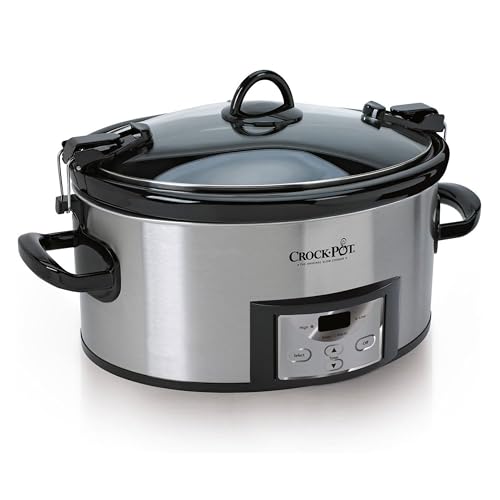
The programmable slow cooker is the chronic illness upgrade worth making — it lets you set a cook time and then automatically switches to warm when the time is up, so food is never overcooked even if your energy or pain levels mean you’re not watching the clock. A 6-quart size makes enough for four to six servings, which is the batch-cooking sweet spot for most households.
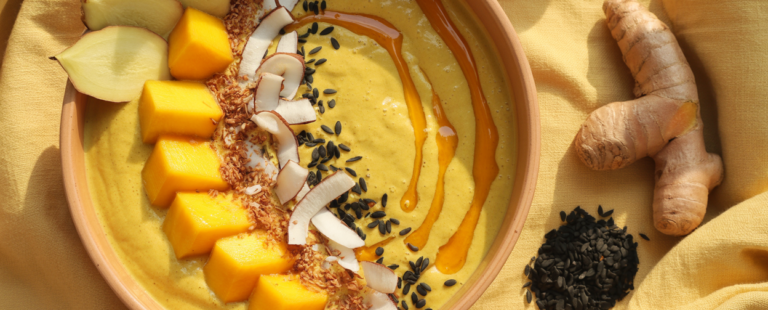
The first recipe to make in it: Turmeric Golden Broth Soup. Add 6 cups bone broth or vegetable broth, 2 cups chopped carrots, 2 cups chopped sweet potato, 1 can coconut milk, 1 teaspoon turmeric, 1 teaspoon ginger, half a teaspoon black pepper (which activates the turmeric’s curcumin), and salt to taste. Cook on low for 6–8 hours or high for 3–4. Blend partially or fully with an immersion blender if you want a smooth texture. This is an aggressively anti-inflammatory soup that tastes like fall in a bowl and reheats beautifully for three to four days.

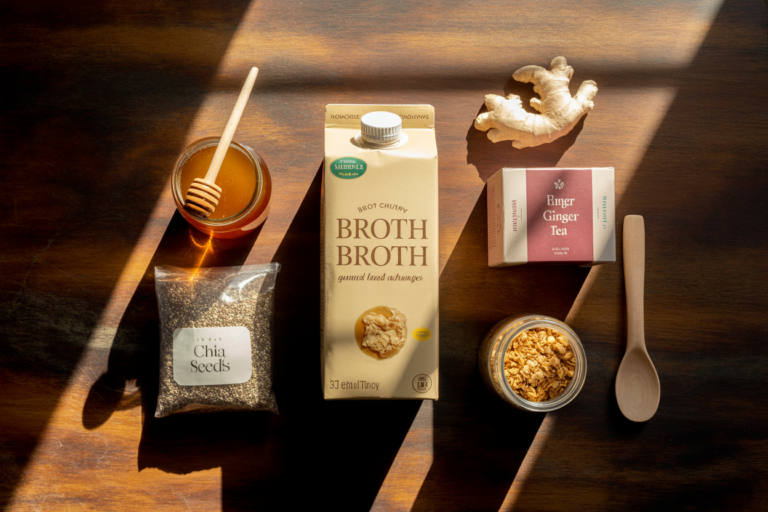
A quality bone broth concentrate or individual packets make the slow cooker soup practice dramatically easier on low-energy days — no opening and pouring multiple cartons, no running out mid-recipe, just a spoonful or a packet dissolved in hot water for an instant deeply flavored base. Bone broth is also a meaningful source of collagen, glycine, and minerals that support joint health and gut integrity — both relevant for chronic illness management.
Use it as the base for Lemon Chicken and Rice Soup. Combine 4 cups prepared bone broth, 1 pound chicken thighs (bone-in or boneless, both work), 1 cup white rice, 2 diced carrots, 2 stalks celery, juice of one lemon, 1 teaspoon dried oregano, salt and pepper. Cook on low 6–7 hours. Shred the chicken with two forks directly in the pot before serving. The lemon brightens the whole soup and cuts the heaviness that can make fall soups feel too dense on low-appetite days.

An immersion blender used directly in the slow cooker insert eliminates the most dangerous and energy-intensive step in making blended soups — transferring hot liquid to a countertop blender in batches. It blends in under two minutes directly in the pot, with almost no cleanup beyond rinsing the wand. For people with wrist and hand pain, look for a model with a comfortable grip and a simple one-button operation.
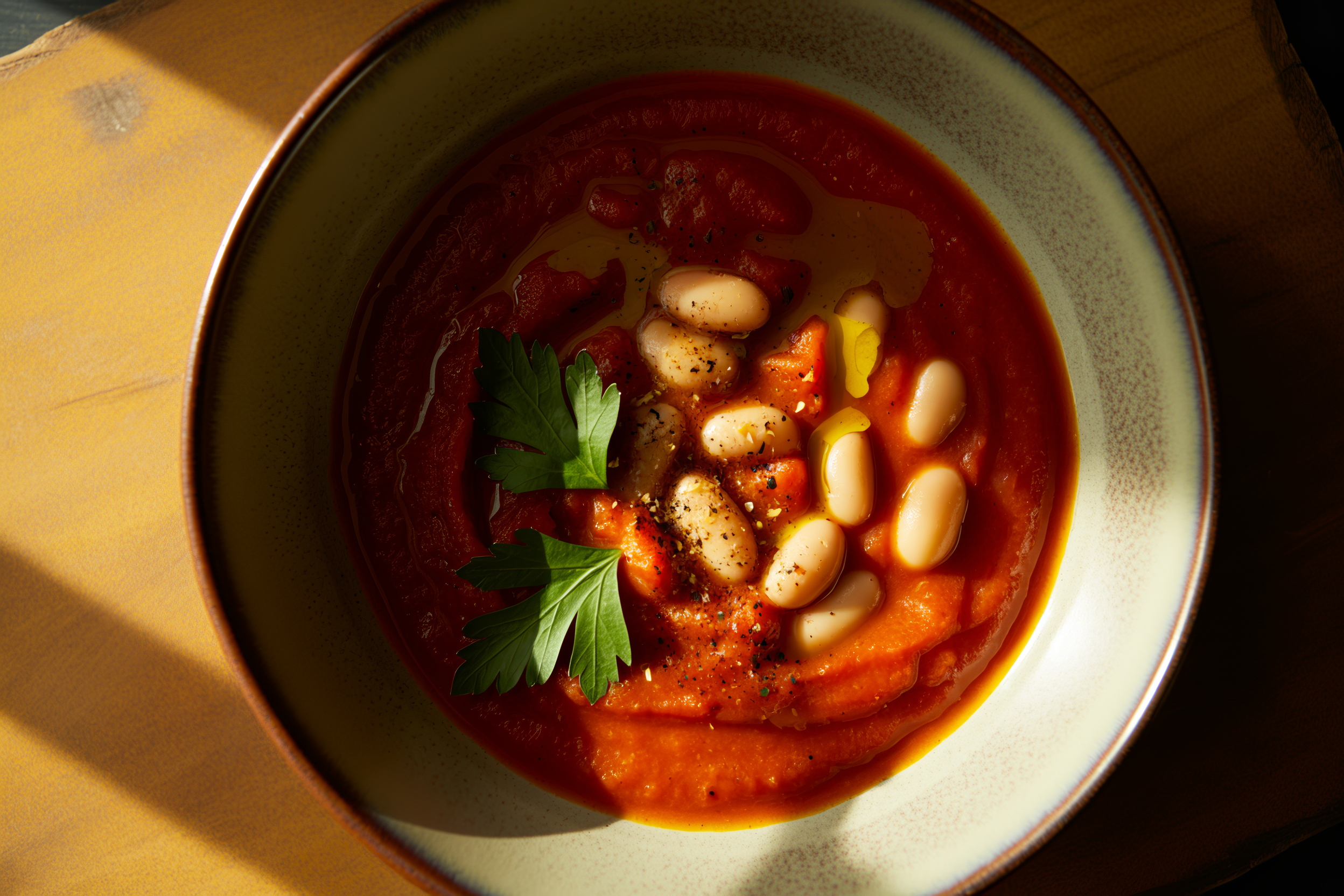
The recipe to use it for: Roasted Red Pepper and White Bean Soup. Combine 1 jar roasted red peppers (drained), 2 cans white beans (drained and rinsed), 4 cups vegetable broth, 4 cloves garlic, 1 teaspoon smoked paprika, half a teaspoon cumin, salt and pepper. Cook on low 6 hours. Blend until smooth with the immersion blender. Top with a drizzle of olive oil and fresh herbs if you have them. This soup is high in plant protein, fiber, and anti-inflammatory compounds, and it comes together with almost no knife work if you use jarred peppers and canned beans.
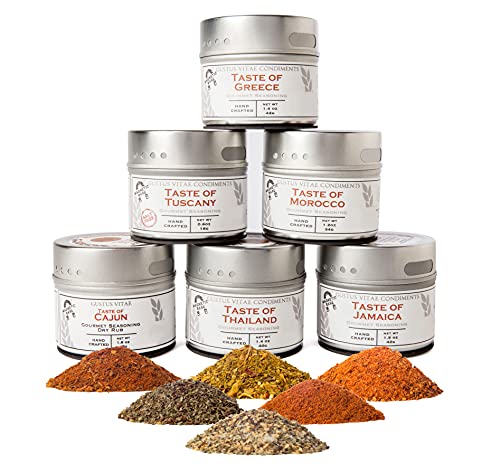
Having turmeric, ginger, cumin, smoked paprika, and cinnamon already in the cabinet means slow cooker soups come together in seconds without hunting through a spice drawer on a hard morning. A quality spice set with fresh, potent spices makes a meaningful flavor difference — old, pale spices that have been sitting for years aren’t doing much for flavor or for inflammation. Replace your spices once a year at minimum.
Use them in Black Bean and Sweet Potato Chili. Combine 2 cans black beans (drained), 2 cups diced sweet potato, 1 can diced tomatoes, 1 cup vegetable broth, 1 teaspoon cumin, 1 teaspoon chili powder, half a teaspoon smoked paprika, half a teaspoon cinnamon, salt to taste. Cook on low 7–8 hours or high 3–4. Top with avocado, a squeeze of lime, and whatever fresh toppings your energy allows. This is a full meal with no animal protein required, and it freezes beautifully.
Slow Cooker Proteins: Meat That Cooks Itself
The slow cooker is one of the best tools available for cooking proteins because it does something the stovetop and oven rarely achieve without significant attention: it makes cheap, tough cuts of meat genuinely tender through long, slow, low-heat cooking. Chicken thighs, pork shoulder, beef chuck, lamb shoulder — these are the cuts that become extraordinary in a slow cooker, and they’re consistently more affordable than the lean cuts that require precise cooking to not ruin.
For chronic illness specifically, the protein formats that work best in the slow cooker are the ones that produce enough for multiple meals, that shred easily (so no cutting required when eating), and that are versatile enough to go into different meals across the week — tacos one night, over rice another, in a soup the third.
Nourishing Yourself Is Self-Advocacy Too
Figuring out how to feed yourself well on hard days is one form of advocating for your own needs. Knowing how to speak up in the medical appointments that shape your care is another. If you’ve ever left a doctor’s office without being heard, Say This: 30 Scripts for Chronic Pain Communication gives you the exact language for those moments — clear, kind, and effective.Get the Scripts →
Slow Cooker Proteins Worth Making Every Week

When the slow cooker produces six servings and you only need two tonight, you need somewhere to put the rest — and glass containers mean you can go from refrigerator to microwave without transferring, which eliminates one more task on a low-energy day. Stackable sets keep the refrigerator organized so you’re not moving things around to find what you need. Label with masking tape and a marker so you’re not opening lids to check contents.
Fill them with Shredded Garlic Herb Chicken. Place 2 pounds chicken thighs in the slow cooker. Add 1 cup chicken broth, 6 cloves garlic (whole or minced from a jar), 1 teaspoon dried thyme, 1 teaspoon dried rosemary, juice of half a lemon, salt and pepper. Cook on low 6–7 hours. Shred directly in the pot. This chicken goes into salads, rice bowls, wraps, soups, and pasta across the week — it’s the most versatile slow cooker protein base in this post and the one worth making on repeat.

Cleanup is the part of cooking that often costs the most for chronically ill people — the standing, the scrubbing, the soaking of a pot that got sticky on the bottom. Slow cooker liners eliminate cleanup almost entirely: the liner goes in before the food, and after eating it comes out with the remnants and goes in the bin. For particularly messy recipes — anything with tomato or sugar-based sauces — liners are the difference between cooking it and deciding it’s not worth it.
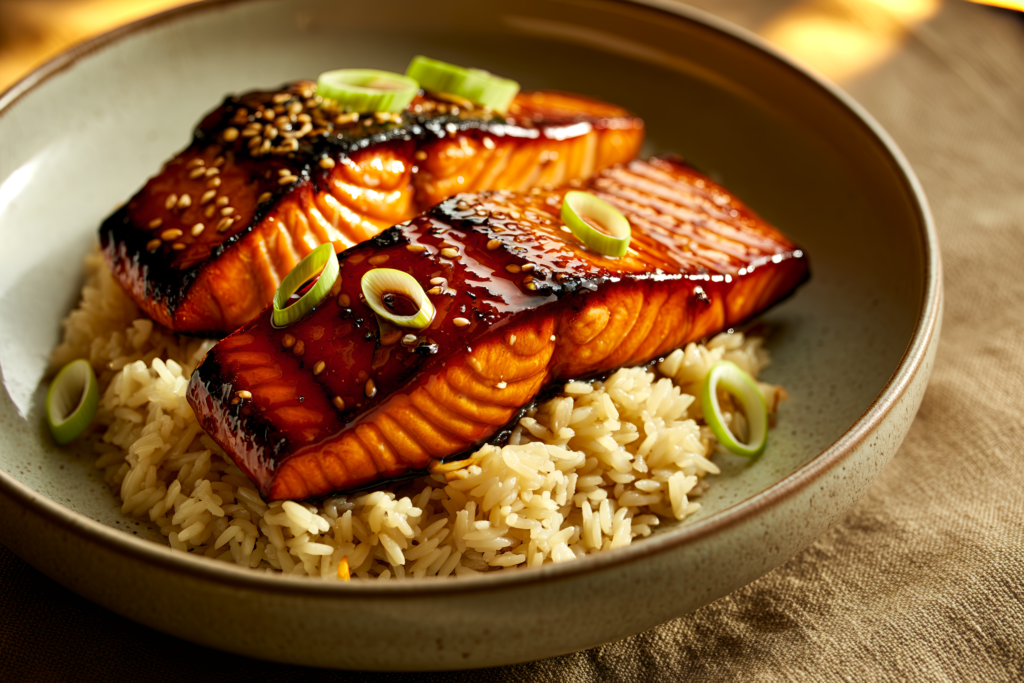
Use them for Honey Garlic Salmon. Line the slow cooker, place 4 salmon fillets inside, and pour over a mixture of 3 tablespoons honey, 3 tablespoons soy sauce or coconut aminos, 4 cloves minced garlic, and 1 teaspoon ginger. Cook on low 2–3 hours only — salmon cooks faster than most slow cooker proteins and will become dry if overcooked. Serve over rice or noodles. Salmon’s omega-3 content makes it one of the most anti-inflammatory proteins available, and this preparation requires under five minutes of active prep.

Serving from a slow cooker insert that’s sitting on the counter requires reaching down into a deep, hot pot — which is difficult for people with shoulder, back, or wrist pain. Long-handle silicone tools mean you’re not straining to reach the bottom of the pot or risk burning your wrist on the ceramic edge. A ladle for soups and broth-based dishes, tongs for proteins. Both should be long enough that your hand clears the rim of the pot entirely.
Use them to serve Slow Cooker Pulled Pork. Place a 3-pound pork shoulder in the slow cooker. Mix together 1 tablespoon smoked paprika, 1 teaspoon garlic powder, 1 teaspoon cumin, 1 teaspoon salt, half a teaspoon black pepper, and rub over the meat. Add half a cup apple cider vinegar and half a cup chicken broth. Cook on low 8–10 hours. Shred with tongs directly in the pot, letting the meat absorb the juices. Serve over rice, in lettuce wraps, or on a baked sweet potato. This recipe makes enough for six to eight servings and freezes perfectly.

Two ingredients that eliminate the most physically demanding knife work in most slow cooker recipes. Mincing garlic and dicing onion require fine motor precision and repetitive hand movements — exactly the kind of task that’s disproportionately difficult on high-pain days. Jarred minced garlic and frozen diced onion are pantry and freezer staples that take those tasks off the morning prep list without changing the flavor profile of any recipe in a meaningful way.
Keep them on hand for Beef and Vegetable Stew. Combine 1.5 pounds beef chuck cut into chunks, 3 cups beef broth, 2 cups frozen mixed vegetables, 2 tablespoons tomato paste, 1 tablespoon jarred minced garlic, half a cup frozen diced onion, 1 teaspoon dried thyme, salt and pepper. Cook on low 8 hours. The beef will be fork-tender and the vegetables will have absorbed the broth. Serve as is or over mashed potatoes or egg noodles. This is the slow cooker recipe that feels most like being taken care of.
Vegetarian Mains and Grain Dishes: Plant-Based and Deeply Nourishing
Plant-based slow cooker meals are often the most anti-inflammatory options in a chronic illness kitchen — legumes, whole grains, and root vegetables cooked low and slow in spiced broths produce meals that are genuinely medicinal as well as delicious. They’re also among the cheapest meals you can make, which matters when chronic illness affects income and the budget for food.
The key to satisfying vegetarian slow cooker meals is building enough protein through legumes and enough fat through olive oil, coconut milk, or tahini to make the meal genuinely sustaining. A bowl of vegetables in broth, however anti-inflammatory, is not a complete meal for someone who needs to sustain their body through a hard day. These recipes are built to be complete.
Vegetarian Slow Cooker Mains

Canned legumes are the slow cooker’s most important supporting ingredient — they go in without soaking, they add protein and fiber immediately, and they’re genuinely anti-inflammatory. Keeping a variety pack in the pantry means any slow cooker recipe that calls for legumes can be started without a trip to the store. Look for BPA-free cans and low-sodium or no-salt-added options so you control the salt level.
Use them in Red Lentil and Coconut Curry. Combine 1.5 cups dried red lentils (rinsed), 1 can coconut milk, 2 cups vegetable broth, 1 can diced tomatoes, 1 tablespoon curry powder, 1 teaspoon turmeric, 1 teaspoon ginger, half a teaspoon cumin, 1 tablespoon jarred minced garlic, salt to taste. Cook on low 6–7 hours. Red lentils break down into a thick, creamy texture without blending. Serve over rice or with flatbread. This is one of the most anti-inflammatory complete meals you can make in a slow cooker, and it costs almost nothing per serving.

Full-fat coconut milk is one of the most useful slow cooker ingredients for chronic illness cooking — it adds richness, creaminess, and healthy fats to soups, curries, and grain dishes without dairy, which many people with chronic illness avoid due to inflammation. Buying in multipacks means you always have it without needing a special shopping trip. Look for organic, BPA-free cans without guar gum if you’re sensitive to additives.
Use it in Coconut Milk Steel-Cut Oats with Fall Spices. Combine 1.5 cups steel-cut oats, 1 can coconut milk, 2.5 cups water, 2 tablespoons maple syrup, 1 teaspoon cinnamon, half a teaspoon cardamom, half a teaspoon ginger, a pinch of salt. Cook on low 7–8 hours overnight. Wake up to warm, ready breakfast with no morning effort. Top with sliced banana, toasted nuts, or a drizzle of honey. This is the recipe that makes the slow cooker a breakfast tool as much as a dinner one.

Whole grains cooked directly in the slow cooker absorb broth rather than water, which means they pick up the flavor of whatever you’re cooking alongside them. Quinoa is complete protein and cooks in the slow cooker in 2–3 hours on low; brown rice takes 3–4 hours and benefits from being added in the last half of cooking rather than the beginning. Buying in bulk keeps the cost per meal low and ensures a whole grain base is always available.
Use it as the base for Slow Cooker Quinoa and Vegetable Power Bowl. Combine 1 cup rinsed quinoa, 2 cups vegetable broth, 1 can chickpeas (drained), 2 cups chopped butternut squash, 1 teaspoon cumin, 1 teaspoon smoked paprika, half a teaspoon turmeric, salt and pepper. Cook on low 3–4 hours. The quinoa absorbs the broth and the squash becomes tender. Serve in bowls topped with tahini drizzle, fresh greens, and lemon juice. This is a complete meal with significant protein, complex carbohydrates, and anti-inflammatory spicing.

Two finishing ingredients that transform a slow cooker vegetarian meal from nutritionally complete to genuinely satisfying. A drizzle of good olive oil adds healthy fat and richness; tahini stirred into a broth-based dish or used as a dressing base adds creaminess and protein. Both are among the most well-researched anti-inflammatory foods available. Keep them within reach of wherever you plate your food so adding them is effortless rather than another task.
Warming Drinks and Slow Cooker Extras: The Small Rituals That Matter
The slow cooker isn’t only for meals. On cold fall days, it’s one of the best tools for keeping warming drinks available all day without effort — a pot of golden milk, a spiced apple cider, or a turmeric tea blend that stays warm and ready for hours. For people managing chronic illness who want to build anti-inflammatory rituals into the day without the energy cost of making something fresh each time, the slow cooker drink is the simplest possible version of that practice.
This section is also where the slow cooker accessories that make the whole practice more sustainable live — the tools that reduce friction in the kitchen enough that slow cooker cooking becomes a genuine habit rather than something you do once and abandon.
Warming Drinks and Kitchen Tools That Make This Sustainable

A small slow cooker dedicated to warming drinks means you can have spiced apple cider, golden milk, or herbal tea blend warming all day without tying up your main cooking pot. Set it in the morning with your drink of choice, turn it to warm, and it’s there every time you walk past and need something soothing. The recipe: combine 4 cups apple cider, 2 cinnamon sticks, 4 whole cloves, 2 star anise, and a few slices of fresh ginger. Set to low for 2 hours, then warm all day.
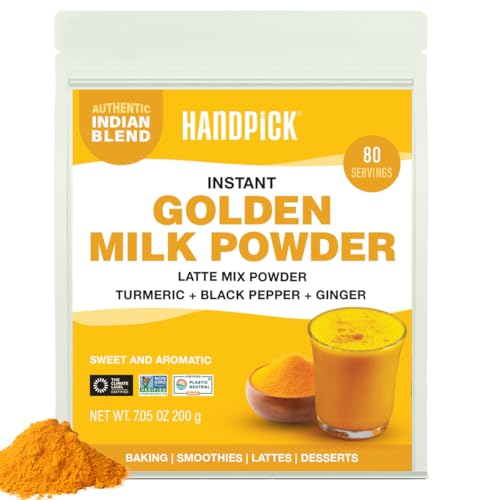
A quality golden milk mix — turmeric, ginger, cinnamon, cardamom, black pepper — stirred into warm coconut or oat milk is one of the most potent anti-inflammatory drinks available and one of the most comforting on a cold, high-pain day. Keep a jar next to the small slow cooker for mornings when even the simplest preparation is too much. Combine the mix with 4 cups non-dairy milk in the small slow cooker, set to warm, and sip throughout the morning.

Eating soup or drinking warming broth from a mug rather than a bowl means you can do it from the couch, in bed, or anywhere else your body needs to be — without balancing a bowl or requiring a table. An insulated mug keeps the contents warm for longer, which matters on days when eating takes longer than usual or when you make it to the kitchen, fill the mug, and then need to lie back down before you can actually drink it. A wide handle accommodates reduced grip strength or hand pain.

Freezing slow cooker batches in individual or two-serving portions creates a freezer full of ready meals for the weeks when even slow cooker prep isn’t possible. Silicone freezer bags or BPA-free freezer containers laid flat while freezing stack efficiently and thaw quickly in warm water or the refrigerator overnight. Label everything with the recipe name and date. A well-stocked freezer is the chronic illness kitchen’s most important safety net.
You Deserve to Be Nourished — At the Table and in the Doctor’s Office
Learning to feed yourself well on hard days is an act of deep self-care. So is learning to advocate for yourself in the medical appointments where your treatment gets decided. Say This: 30 Scripts for Chronic Pain Communication gives you 30 ready-to-use scripts for the conversations chronic illness makes hardest — because you deserve to be heard as much as you deserve to be fed.Get the Scripts →
The Slow Cooker Practice: Starting Small and Building from There
You don’t need to make all of these recipes. You don’t need to batch cook every week or build an elaborate meal prep system. The slow cooker practice for chronic illness starts with one recipe made once, on a day when you have enough energy to spend ten minutes in the kitchen in the morning and nothing more.
Start with the turmeric golden broth soup or the shredded garlic herb chicken. Make it once, eat it over three days, and notice what it feels like to have real food available without having to make it in the evenings. If that practice serves you, add another recipe. Build the freezer stash one batch at a time. Let the tools accumulate gradually — the immersion blender, the glass containers, the freezer bags — as you understand which parts of the process ask the most of your body.
The goal isn’t a perfect meal prep system. The goal is a body that is fed well more often than it isn’t. On the days when even the slow cooker feels like too much, the freezer is there. On the days when you have a good morning window and the energy to use it, the slow cooker rewards you with a week of ease.
Eating well with chronic illness is an act of self-love. It’s also, quietly, an act of resistance — against the narrative that a limited body deserves limited nourishment. You deserve the warm bowl of soup. You deserve the effort that went into it, even when that effort was ten minutes on a Tuesday morning three days ago.
Set it. Walk away. Eat well. And if the harder conversations — the ones with doctors, with specialists, with anyone who holds some power over your care — need better words than you currently have, Say This: 30 Scripts for Chronic Pain Communication is exactly that resource.