Boho Fall Home Decor: Warm, Earthy, and Nervous System-Friendly
The content on this site was created with the help of AI. LOVEOWE LLC participates in the Amazon Services LLC Associates Program and other affiliate programs. As an Amazon Associate, I earn from qualifying purchases. This means I may earn a small commission—at no extra cost to you—when you make a purchase through links on this site. All opinions are my own. Learn more click here. Thank you for your support!
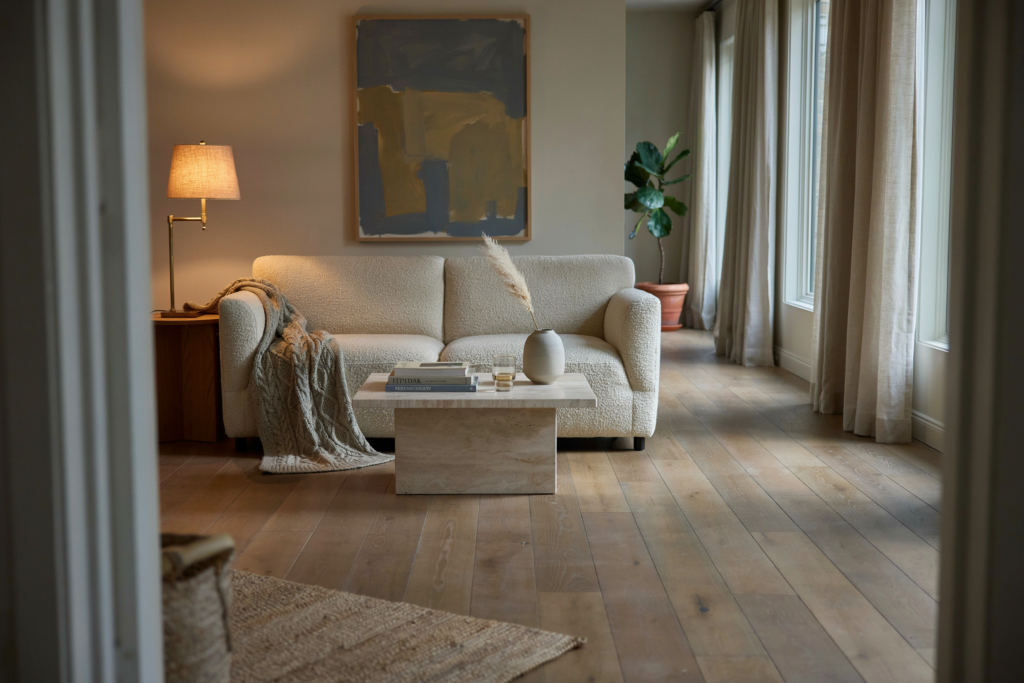
There’s a particular kind of exhaustion that comes from being in a space that doesn’t feel like yours. Not messy, not dirty — just wrong. Too bright, too cold, too sharp at the edges. I noticed it most in fall, when the light changed and my living room suddenly felt at odds with everything my body was craving. The world outside was going amber and rust and warm. Inside, nothing had shifted. And the mismatch was doing something to me.
I started small. A throw blanket in a deeper color. A few dried stems in a vase I already owned. A candle with a scent that smelled like the season I was trying to invite in. And something settled — not dramatically, but noticeably. The room started to feel like where I was supposed to be. My nervous system, which spends most of fall on higher alert as temperatures shift and symptoms fluctuate, had somewhere to land.
That’s what this post is about. Not a full seasonal overhaul that requires energy you may not have. Not a Pinterest board that assumes unlimited time, money, and physical capacity. Just the specific, intentional touches that bring boho fall warmth into a home while keeping the environment genuinely gentle — on the eyes, on the senses, on the nervous system that’s already working overtime.
Every section here is designed to be implemented in pieces, on good days and bad ones, in whatever order makes sense for your space and your body.
Why Your Home Environment Matters More in Fall
For people managing chronic illness or chronic pain, fall is one of the most physically demanding seasonal transitions of the year. Barometric pressure changes trigger pain flares. Temperature swings disrupt sleep and energy. Shorter days affect mood through reduced light exposure. The immune system works harder as cold and flu season begins. And the nervous system — already managing pain signals, fatigue, and the cognitive load of illness — is asked to adapt to a shifting sensory environment on top of everything else.
Your home is the one environment you can actually control. And the research on how physical spaces affect nervous system regulation is clear: warm lighting reduces cortisol. Natural textures signal safety to a stressed nervous system. Reduced visual clutter lowers cognitive load. Scent is one of the fastest pathways to emotional regulation. The boho aesthetic — with its emphasis on natural materials, warm tones, layered textures, and organic imperfection — happens to align almost perfectly with what a chronically ill nervous system actually needs from its environment.
This isn’t decorating for aesthetics. It’s decorating for how you feel inside the space. The fact that it’s also beautiful is the gift.
Texture and Warmth: Layering for Fall the Boho Way
The first thing that changes in a boho fall home is the texture. Summer’s lighter, breezier fabrics give way to layers — chunky knits, woven wool, velvet, sheepskin, linen in deeper tones. The goal isn’t heaviness. It’s the visual and tactile sense of warmth that makes a space feel like fall has actually arrived.
For sensory-sensitive people, texture layering requires some care. Scratchy or highly textured fabrics placed where skin makes contact — on the couch, over a chair, across a bed — can be more irritating than cozy. The rule is: rough textures for visual layering (a jute rug, a woven wall hanging, a chunky knit draped over the back of a chair rather than used directly), soft textures for anything that touches skin (a cashmere throw within reach, velvet cushion covers, a brushed cotton blanket).
The combination of the two — rough visual texture, soft tactile texture — gives you the full richness of a layered boho fall space without the sensory cost.
Texture and Layering Essentials

A chunky knit throw in camel, cream, or oatmeal is the single most transformative fall textile — draped over a couch arm or chair back, it reads immediately as seasonal and intentional. Look for cotton or cotton-blend chunky knits rather than acrylic, which pills quickly and feels less genuine against sensitive skin.

Velvet is fall’s signature fabric — it absorbs light in a way that makes a room feel warm and intimate even before you’ve touched the thermostat. Rust, terracotta, burnt orange, and deep mustard are the boho fall palette; one or two velvet cushion covers in these tones shifts a neutral couch into a fully seasonal space.

A natural fiber rug grounds the entire room — literally and visually. Jute brings the earthy, organic texture that is the foundation of boho design; a layered wool rug in deeper fall tones adds warmth underfoot. For sensory-sensitive people, a softer wool or cotton layer rug placed over a jute base gives you the visual texture without the rough underfoot feeling.
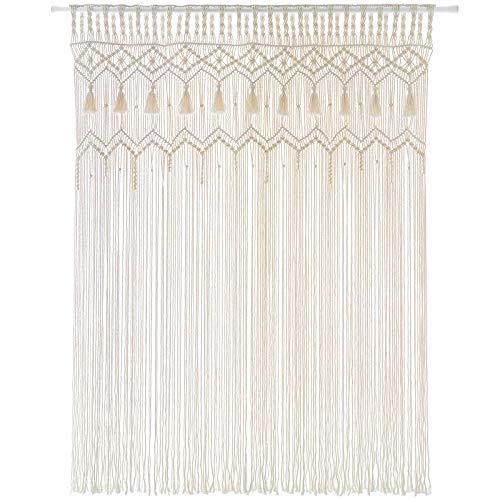
A woven wall hanging adds vertical texture to a space without requiring any surface area — which matters in smaller rooms where every horizontal surface is already working. Natural cotton macramé or a hand-woven fiber piece in warm neutrals is one of the most distinctly boho elements you can add to a wall, and it stays beautiful across seasons.
Light and Warmth: The Nervous System Reset You Can See
Lighting is the most powerful and most underused tool in nervous system-friendly home design. Overhead lighting — the kind most homes default to — is activating. It signals daytime, wakefulness, productivity. For a chronically ill nervous system that’s already struggling to regulate, overhead light in the evening is working against rest and recovery.
Fall is the season to fully commit to warm, low, layered lighting. Candles on every surface you can manage. Salt lamps for a constant ambient glow. String lights along a shelf or draped over a mirror. A floor lamp with a warm-toned bulb in the corner rather than the overhead on at all. The goal is to make the room feel like it’s lit from within — warm, dim, safe. The boho aesthetic gives you perfect cover for this: the abundance of candles and low lighting reads as intentional atmosphere, which it is.
Lighting for Warmth and Nervous System Ease

Beeswax candles burn cleaner than paraffin — important for people with chemical sensitivities or respiratory conditions — and give off a warm, honey-toned light that is genuinely different from synthetic alternatives. Grouped at varying heights on a wooden tray or slate board, pillar candles create the kind of atmospheric lighting that anchors the entire boho fall aesthetic.

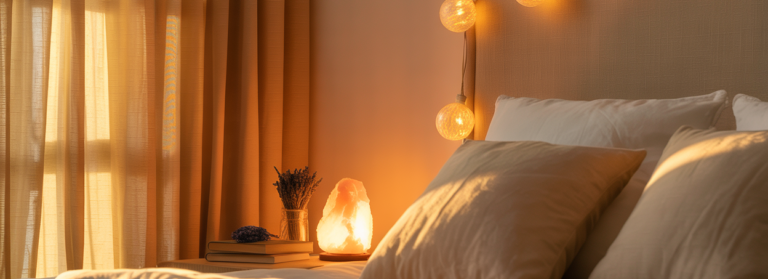
The warm amber glow of a salt lamp is one of the most nervous system-friendly light sources you can have in a home — it’s constant, non-flickering, and the color temperature sits at the warm end of the spectrum that signals rest and safety to the brain. Left on in an evening corner, it provides enough ambient light to move through a room without triggering the alertness that overhead lighting brings.

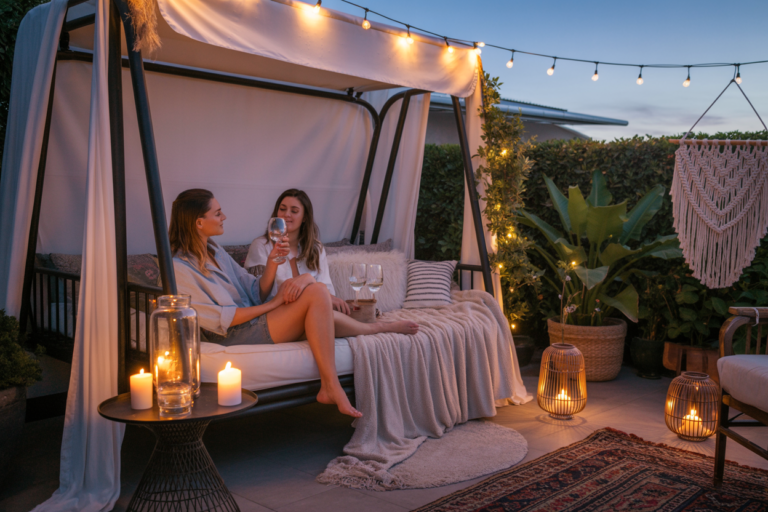
String lights draped along a bookshelf, wound through a plant, or hung above a window transform a space with almost no effort and zero furniture rearrangement. The warmth matters: cool white string lights are activating; warm white (2700K or lower) creates the soft, golden atmosphere that makes a room feel like fall. These are among the highest-impact, lowest-effort decorating tools available.

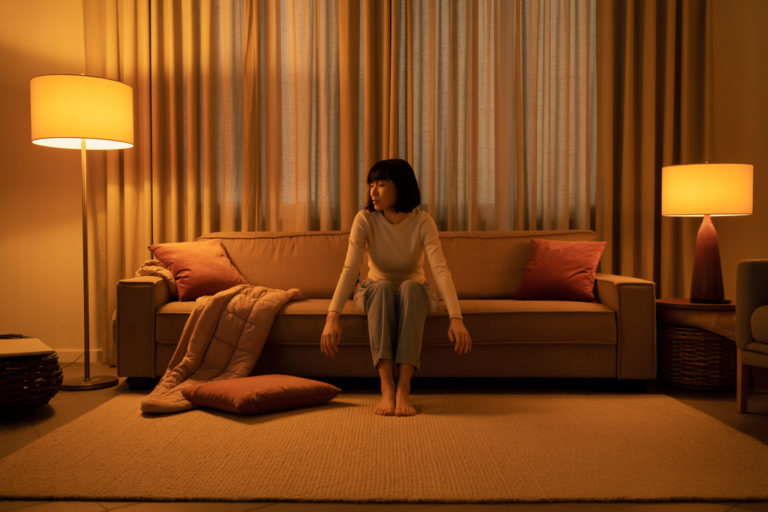
A dimmable floor lamp in a reading corner or beside the couch is the anchor of a nervous system-friendly lighting setup. It replaces overhead light entirely for evening hours, it can be adjusted to exactly the right level for the time of day and how you’re feeling, and a warm-toned bulb (look for 2700K) gives the room the amber quality that makes fall feel genuinely present.
Your Home Can Hold You. So Can the Right Words.
Creating a home that supports your nervous system is one kind of self-advocacy. Knowing how to speak up in a medical appointment is another. If you’ve ever left a doctor’s office feeling like you didn’t say what you needed to say, Say This: 30 Scripts for Chronic Pain Communication gives you the exact language for those moments — so your home isn’t the only place you feel safe.Get the Scripts →
Natural Elements: Bringing the Outside In for Fall
The boho aesthetic has always been rooted in nature — in the materials, textures, and organic forms of the natural world brought indoors. In fall, this is both an aesthetic choice and a nervous system one. Research on biophilic design — the incorporation of natural elements into built environments — consistently shows that contact with natural materials reduces stress hormones, lowers heart rate, and supports the kind of parasympathetic nervous system activation that people managing chronic illness are often trying to access.
Fall gives you the most beautiful natural palette of the year to work with: dried grasses and seed heads in warm tones, gourds and squash in every shade of the season, branches stripped bare and placed in tall vases, pinecones and acorns as texture on a tray. None of it requires significant energy to source or arrange. Most of it can be gathered on a short walk, ordered online, or found at a farmers market. All of it is free of synthetic fragrance, which matters for people with chemical sensitivities.
Natural Fall Elements for a Grounded, Earthy Space
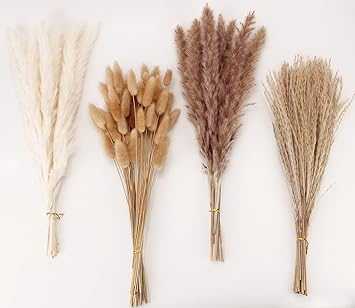
Dried pampas grass is one of the most recognizable elements of the boho aesthetic, and in fall it sits perfectly alongside dried wheat, eucalyptus, and seasonal seed heads. A bundle arranged in a tall terracotta or ceramic vase requires no maintenance, no watering, and no replacement — it stays beautiful for the entire season and beyond.

Terracotta is the fall vessel. Its warm, earthy tone works with every element of the boho palette, it ages beautifully, and it grounds whatever you place in or around it. A cluster of terracotta pots at different heights — some holding plants, some holding dried stems, some simply grouped as sculptural objects — creates a layered vignette that looks curated without requiring significant arrangement effort.

A wooden tray or live-edge wood slice does the organizational work of a vignette — it groups objects together visually so a cluster of candles, a small plant, and a crystal or two reads as intentional rather than scattered. On a coffee table or a shelf, it contains the composition and gives it a grounded, organic base that is distinctly boho and distinctly fall.

Living plants are the most powerful biophilic design element you can bring into a space — and pothos and philodendrons are the chronic illness-friendly versions because they thrive on neglect, tolerate low light, and ask almost nothing of you. A trailing plant on a high shelf or in a hanging planter adds living, breathing organic texture to a fall room without the maintenance demands of more temperamental plants.
Scent and Atmosphere: The Sensory Layer That Ties It Together
Scent is the fastest nervous system pathway we have — it bypasses cognitive processing entirely and lands directly in the limbic system, the part of the brain that governs emotion and memory. For people managing chronic illness, this is both a vulnerability and a tool. The wrong scent — synthetic fragrance, heavy perfume, artificial air fresheners — can trigger migraines, nausea, and nervous system overwhelm. The right scent, at the right intensity, can signal safety, warmth, and rest faster than almost anything else in a space.
The boho fall scent palette — warm spices, woods, resins, and botanicals — happens to align beautifully with the nervous system-regulating scents that aromatherapy research points to: cedarwood for grounding, frankincense for calm, clove and cinnamon at low intensities for warmth, orange for mood elevation. The key for sensory-sensitive people is intensity: a diffuser you control is safer than a heavily scented candle, which is safer than a synthetic air freshener. Start low, assess, adjust.
Scent and Atmosphere for a Sensory-Safe Fall Home

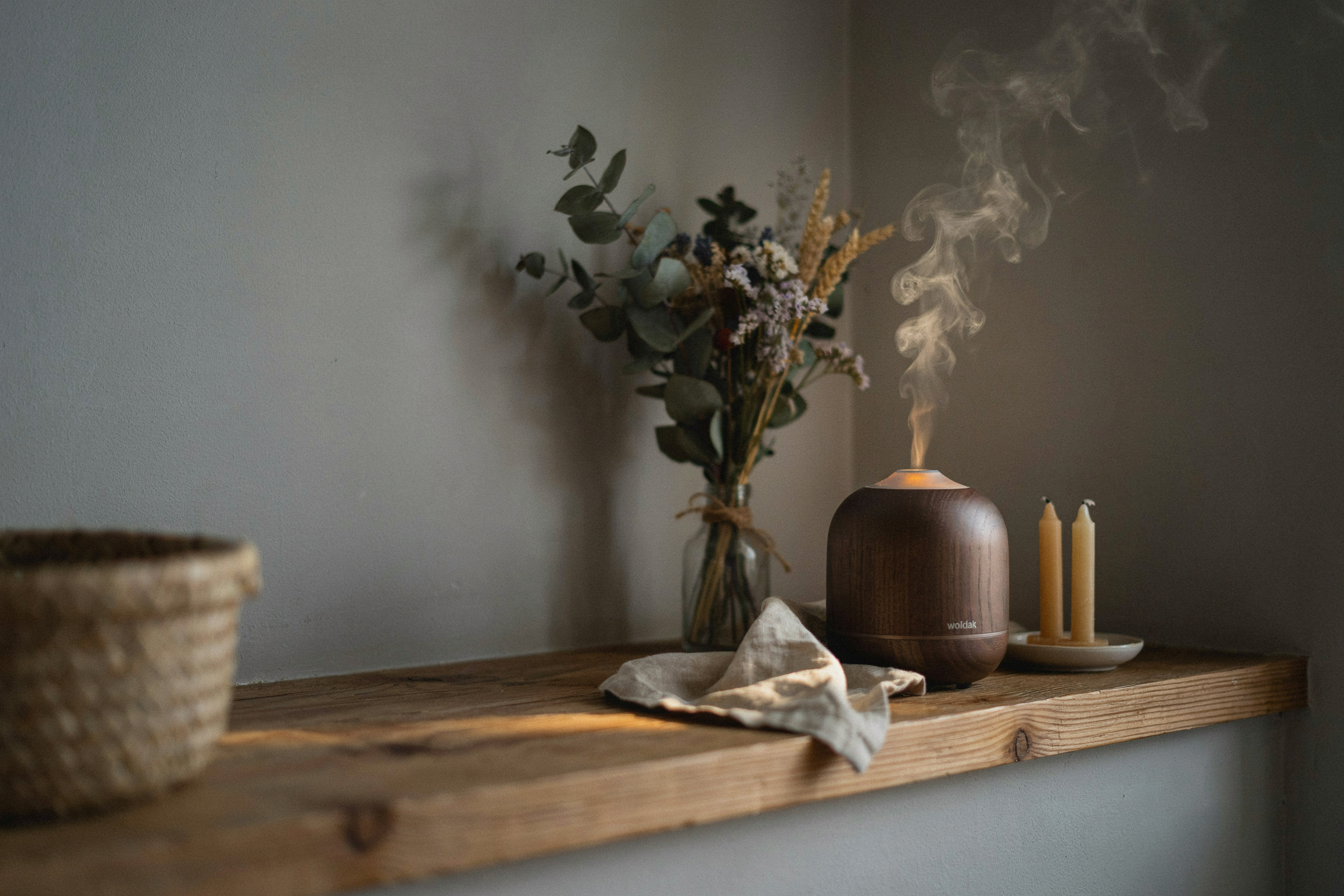
A diffuser gives you complete control over scent intensity — which matters enormously when you’re managing chemical sensitivity or migraines. Choose a ceramic or wood-finish diffuser that fits the boho aesthetic and run it with fall essential oils (cedarwood, orange, frankincense, clove) at low intensity. It becomes a design object as much as a functional one.

A curated set of fall-appropriate essential oils — cedarwood, sweet orange, clove bud, cinnamon bark, frankincense — gives you the full seasonal palette to work with in your diffuser. These are the scents that signal autumn to the nervous system: warm, grounding, and deeply familiar. Start with single oils before blending so you can identify anything that doesn’t agree with your sensory system.

Dried herb bundles are both a decorative element and a gentle, natural fragrance source — hung near a window or placed on a tray, they release a soft, botanical scent that’s far less intense than candles or diffusers. They’re also visually beautiful in a boho space: tied with natural twine, laid on a wooden surface, or tucked into a bundle of dried flowers.

For people who can tolerate incense — and not everyone can, so know your body first — natural resin or wood incense (sandalwood, palo santo, copal) burned briefly and allowed to dissipate fully provides an atmospheric scent experience that feels ritualistic and deeply autumnal. A beautiful ceramic or carved stone holder makes the moment of burning feel intentional rather than incidental.
A Space That Supports You — And Words That Do Too
You deserve an environment that holds you — at home and in the medical spaces where your care gets decided. Say This: 30 Scripts for Chronic Pain Communication is the resource that gives you language for the appointments, the dismissals, and the conversations that are hardest to navigate. Because advocating for yourself shouldn’t feel as hard as it does.Get the Scripts →
Building Your Boho Fall Home — One Piece at a Time
The most important thing to know about decorating your home for fall when you’re managing chronic illness is this: you don’t have to do it all at once. You don’t have to do a full seasonal swap in a single weekend the way the lifestyle magazines suggest. You can add one thing on a good Tuesday and another on a good Saturday and call it done.
The boho aesthetic is actually the most forgiving aesthetic for exactly this kind of slow, incremental approach. It isn’t a tight, symmetrical, everything-must-match design language. It’s layered and organic and accumulated over time. A space that’s been built slowly, piece by piece, in response to what you’re drawn to and what your body needs, is more genuinely boho than anything you could put together in a single Target run.
Start with light. Change your bulbs, add a salt lamp, move a candle. See how the room feels. Then add one textile — a throw, a cushion cover, a rug. Let that settle. Then bring in a natural element: a vase of dried stems, a terracotta pot, a trailing plant on a shelf. Build the scent layer last, carefully, starting with a diffuser and a single oil.
By the time you’ve moved through these four layers — at whatever pace your body allows — your home will feel like fall. Warm and earthy and genuinely safe. The kind of space that holds you through the hardest season of the year, and makes the beautiful parts of it feel fully available to you.
That’s what home is supposed to do. And you deserve to be in it.