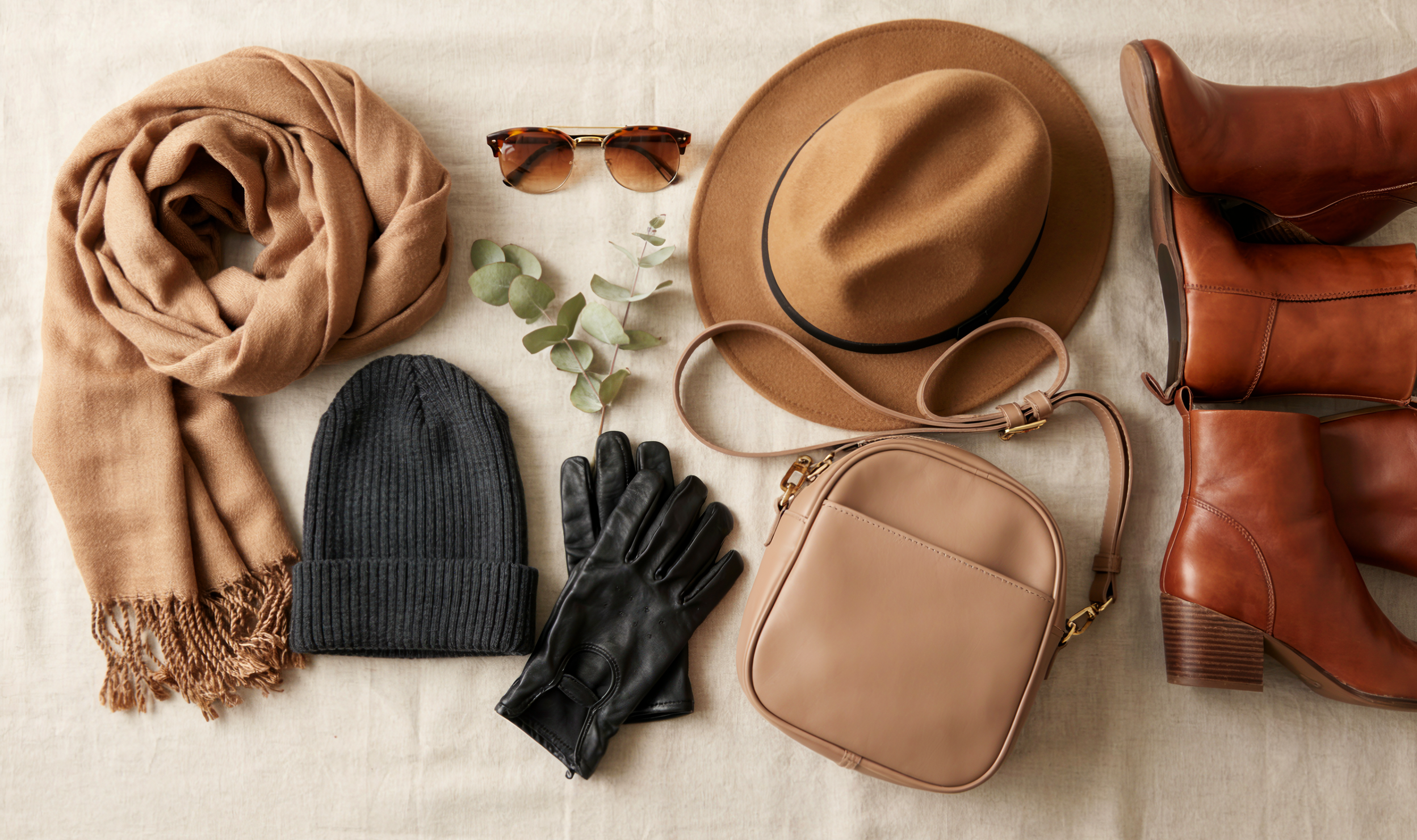
The Best Fall Accessories for Chronic Illness: Scarves, Bags, Hats, and Gloves That Don’t Add to Your Symptoms
The content on this site was created with the help of AI. LOVEOWE LLC participates in the Amazon Services LLC Associates Program and other affiliate programs. As an Amazon Associate, I earn from qualifying purchases. This means I may earn a small commission—at no extra cost to you—when you make a purchase through links on this site. All opinions are my own. Learn more click here. Thank you for your support!

Everything you carry, wear, and wrap around yourself should be working for you — not against you
Accessories were the last category I reformed. I had already rebuilt my wardrobe around fabrics that didn’t irritate my skin, silhouettes that didn’t compress my midsection, shoes that didn’t cost me the next day. But I was still carrying a bag with a thin strap that cut into my shoulder by the second hour of any outing. Still wearing a hat that pressed on the specific spot at my temple where tension headaches lived. Still wrapping a scratchy scarf around my neck because I hadn’t yet understood that the neck is one of the most sensitive areas on a chronic illness body and that what touches it matters.
The problem with accessories and chronic illness is that accessories are close. Closer than most clothing. A bag strap sits directly on the trapezius muscle. A hat sits directly on the skull. A scarf sits against the neck and clavicle. A glove encases the hands. These are not neutral contact points for a body managing chronic pain, nerve sensitivity, inflammation, or the kind of sensory amplification that many chronic illness presentations involve. The wrong accessory at any of these points creates a low-grade additional input that, over the course of a day, compounds everything else the body is already managing.
The right accessory does the opposite. It provides warmth without pressure. Coverage without constriction. Carrying capacity without load distribution that creates a new pain point. It disappears into the wearing in the way that the best clothing does — you stop noticing it within minutes of putting it on, and it does its job quietly for the rest of the day.
This post covers the four fall accessory categories that matter most for chronic illness dressing — scarves, bags, hats, and gloves — with the specific features that distinguish a piece that works from one that makes things worse called out for each option. Beautiful throughout, because your accessories should be as considered as the rest of your wardrobe. Functional always, because on a chronic illness body, functional and beautiful are not separate goals.
Scarves for chronic illness: soft, wide, and never scratchy
The neck is one of the most symptom-relevant contact points on a chronic illness body. For people managing fibromyalgia, cervical spine issues, autoimmune conditions affecting the throat and lymph nodes, or the general sensory amplification that characterizes many chronic illness presentations, what touches the neck matters in a way that it does not for most people. A scratchy scarf is not a minor inconvenience — it is a sustained, low-grade irritant that sits directly on top of an area the nervous system is already monitoring closely.
The fabric requirements for chronic illness scarves are therefore more specific than they are for general fall scarf shopping. Wool in any form — even cashmere, for some people — can create the kind of surface friction and mild itching that becomes intolerable against a sensitized neck over the course of an afternoon. The safest options are modal, bamboo, and acrylic blends specifically described as ultra-soft or cashmere-like — these provide warmth without the fiber structure that creates irritation.
Width matters as much as fabric. A wide scarf — one that can be draped and folded rather than wrapped tightly — distributes any contact pressure across a larger surface area and allows for adjustment throughout the day. A narrow scarf wrapped tightly to stay in place creates a consistent pressure point at the exact location where chronic illness bodies are most likely to already be managing tension. Infinity scarves and large square scarves that drape without requiring wrapping are the most accessible formats for people managing neck and shoulder symptoms.
Scarves for sensitive necks and fall dressing

An oversized blanket scarf in a soft acrylic blend — specifically one described as cashmere-like or ultra-soft in the product listing — is the most versatile fall scarf for chronic illness wear. The large size means it can be draped over the shoulders like a wrap, folded into a wide loop, or arranged loosely around the neck without any wrapping that creates pressure. Look for an acrylic blend that has been specifically finished for softness rather than a standard acrylic, which can be rough against sensitive skin. Plaid and solid fall tones are both seasonally appropriate choices that pair with the soft girl era wardrobe.

A modal or bamboo infinity scarf is the most skin-safe option in this section — both fabrics are naturally smooth at the fiber level in a way that synthetic and protein fibers are not, which means they do not create the surface friction that irritates sensitized skin. The infinity format means the scarf stays in place without wrapping or tying — you loop it once or twice and it holds its position through the day without requiring readjustment. In a solid fall neutral or a subtle print, this scarf disappears into the outfit while doing everything a scarf is supposed to do.

A satin or silk-feel scarf is the option for the highest level of neck sensitivity — it provides the smoothest possible surface contact and creates essentially no friction against the skin. At a shorter length worn loosely tied or draped at the collarbone, it adds a styled finishing touch to any fall outfit without creating any pressure at the neck at all. Look for a polyester satin rather than acetate, which can feel plastic-like against the skin — polyester satin has a softer hand and more drape. This is also the scarf that does the most visual work for the least physical investment.
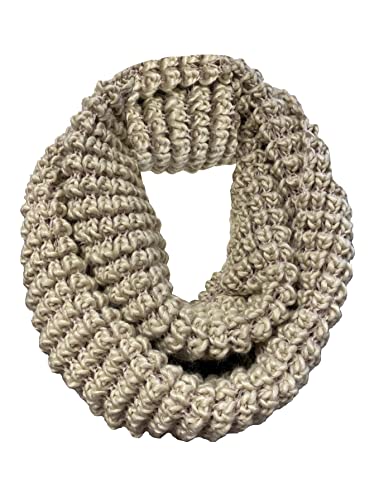
A snood — a wide, circular neck warmer that sits around the neck and lower face without requiring any wrapping or adjustment — is the warmest and most hands-free scarf option in this section. Once on, it requires nothing: no retying when it slips, no readjusting when it comes loose, no fine motor engagement at any point during the day. Look for a knit made from a soft acrylic or chenille rather than wool, which provides the same warmth without the potential for skin irritation. The chunky knit texture reads as deliberately cozy and on-trend for fall rather than purely functional.
Crossbody bags for chronic illness: wide straps, light bodies, everything within reach
The bag is the accessory that costs chronic illness bodies the most when it is wrong. A thin strap transmits the full weight of the bag as a concentrated line of pressure directly into the trapezius, the levator scapulae, and the cervical spine — the precise muscles and structures that chronic illness most commonly makes tender and reactive. An hour of a thin strap on a sensitive shoulder produces the kind of pain cascade that does not resolve when the bag comes off. It travels up through the neck, creates headache, and can persist well into the following day.
The solution is not to stop carrying a bag. The solution is a wide strap — specifically, a strap wide enough to distribute the bag’s weight across a surface area large enough that no single point bears the full load. A strap of at least one and a half inches begins to do this meaningfully. A padded strap of two inches or more does it significantly better. This is not a style preference. It is the functional difference between an accessory that compounds your symptoms and one that does not.
Beyond the strap, the bag body itself matters. A heavy bag in an empty state — before you have added anything to it — is a bag that will exceed your carrying capacity faster than a lighter one. Structured leather bags, for all their beauty, are often heavy before they contain a single item. Nylon, vegan leather, and canvas crossbody bags in a small to medium size provide carrying capacity without structural weight that taxes the shoulder before the bag is even loaded.
Interior organization is the final consideration, and it is one specific to chronic illness: a bag with accessible interior pockets for medication, a dedicated slip pocket for your phone, and a main compartment that opens wide enough to retrieve items without digging reduces the number of times per day you have to search through the bag — which matters when hand dexterity or arm fatigue makes repeated searching a genuine effort.
Wide-strap crossbody bags for chronic illness

A vegan leather crossbody bag with a wide padded strap — minimum one and a half inches, padded through the full length of the strap rather than just at the shoulder contact point — is the foundational piece in this section. Look for a strap width called out specifically in the product description rather than assumed from photos, which can be misleading. The bag body should be small to medium in size, with a main compartment that opens fully and an exterior or interior slip pocket accessible without opening the main compartment. In a fall neutral — camel, chocolate, black, or rust — this bag works across the full fall wardrobe.
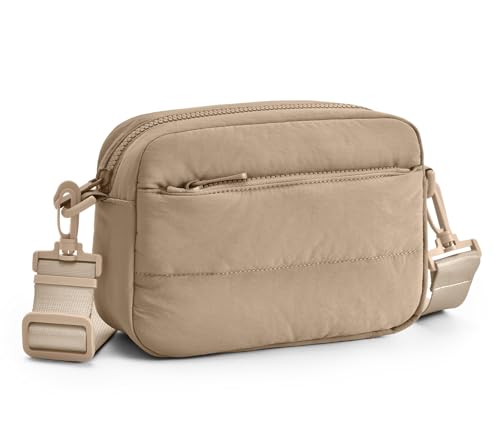
A nylon crossbody bag is the lightest-weight option in this section — nylon as a material weighs significantly less than vegan leather or canvas, which means the bag contributes less to the total load on the shoulder before a single item is added. For high-symptom days or days involving significant travel between locations, this weight saving is meaningful. Look for a wide adjustable strap, multiple interior pockets, and a zipper closure on the main compartment that opens smoothly with one hand. Nylon bags in dark fall tones — olive, black, deep burgundy — read as intentional rather than purely functional.
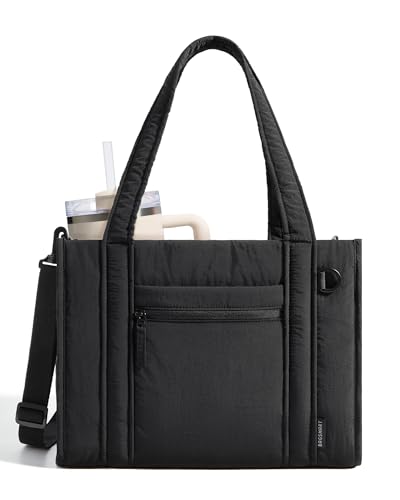
A convertible bag that functions as both a crossbody and a tote gives you the option to shift carrying position throughout the day — which matters for chronic illness bodies that may find one carrying position more tolerable at different points in the day depending on how symptoms are shifting. The crossbody position distributes weight across the torso; the tote position shifts load to the hand and forearm. Having both available in a single bag means you are never committed to one position for the duration of an outing. Look for a wide strap on the crossbody function and sturdy top handles on the tote function.

A small crossbody bag with dedicated interior organization — a zippered pocket for medication, a slip pocket for a phone, a small open pocket for cards and cash — is the appointment and errand bag that chronic illness daily life specifically requires. Small enough to be genuinely lightweight, organized enough that nothing requires searching, and crossbody enough that both hands remain free throughout the day. Look for a top zip closure that opens with one hand and a strap that adjusts easily without requiring significant grip strength to reposition.
The right bag gets you to your appointment. Knowing what to say when you get there is something else entirely. Say This: 30 Scripts for Chronic Pain Communication gives you thirty ready-to-use scripts for the medical conversations that matter most — how to describe your symptoms clearly, how to ask for what you need without over-explaining, and how to advocate for yourself when the system makes it hard. Get your copy here →
Hats for chronic illness: coverage and warmth without pressure on sensitive heads
Head pressure is a symptom category that does not get enough attention in the context of chronic illness dressing. Migraines, tension headaches, cervicogenic headaches, intracranial pressure issues, and the general cranial sensitivity that accompanies many chronic illness presentations all make what sits on the head a medical consideration rather than a purely aesthetic one. A hat with a tight band presses on the skull at consistent, concentrated points. Over the course of a cold fall day, that pressure compounds. By the time you remove the hat, the headache may already be established.
The hat features that matter for chronic illness are band construction, lining, and fit. A hat with a wide, soft band rather than a rigid narrow one distributes any pressure across a larger surface area at the skull. A fleece or silk-lined interior means the hat’s inner surface is soft against hair and scalp rather than scratching or creating static — both of which are additional sensory inputs that sensitized nervous systems register more intensely than they should. And a hat with enough size variation to accommodate a range of head circumferences means you are not fighting a too-tight fit every time you put it on.
Style is worth preserving in this section. Chronic illness does not require you to wear purely utilitarian headwear. Soft knit beanies in fall tones, wide-brim felt hats with a soft interior band, and fleece-lined baseball caps that do not compress the crown of the head all exist and all work. The goal is not to sacrifice aesthetic for function — it is to find the pieces where aesthetic and function are already resolved in the same hat.
Hats for sensitive heads and fall style

A fleece-lined loose-fit knit beanie is the most head-pressure-friendly warm hat available — the loose fit means it sits on the head without compressing the skull at any point, and the fleece lining means the interior surface is soft enough to wear against sensitive scalps without creating irritation or static. Look for a beanie described specifically as oversized or slouchy rather than fitted, which will have a larger circumference and sit higher on the head with less contact pressure. In a fall neutral or a deep seasonal tone, this hat reads as deliberately styled rather than purely functional.

A wide-brim felt hat with a soft interior band — look for one lined with grosgrain ribbon or a soft fabric rather than a raw felt edge — provides significant coverage for both head and face without the compression of a fitted knit hat. The wide brim shades the face from light sensitivity, which is a genuine chronic illness consideration on bright fall days when light can trigger or worsen headaches. Look for a hat with an adjustable drawstring or a flexible interior band that can accommodate variation in head size — rigid fixed-size felt hats can be difficult to size precisely and may not accommodate the fluid retention that chronic illness bodies sometimes experience in the face and head.

A satin-lined knit hat addresses two chronic illness considerations simultaneously — head pressure and hair and scalp sensitivity. The satin lining eliminates the friction between hat and hair that causes static, tangling, and the scalp sensitivity that many chronic illness presentations involve, while the knit exterior provides warmth and fall-appropriate aesthetics. For anyone managing alopecia, scalp conditions, or the hair changes that accompany certain medications and autoimmune conditions, a satin-lined hat is a specifically useful accessory that the chronic illness community discusses frequently and the general fashion market addresses rarely.

A fleece ear warmer headband covers the ears and temples — the two areas most immediately vulnerable to fall cold — without putting any fabric on the crown of the head at all. For migraine sufferers or anyone managing intracranial pressure sensitivity, a headband that leaves the top of the head uncovered eliminates the pressure question entirely while still providing meaningful cold weather protection. Look for a wide band — at least three inches — that covers the full ear and temple rather than a narrow band that sits across the ear only. The wide band also distributes any pressure at the sides of the head across a larger surface area.
Gloves for chronic illness: warmth, dexterity, and hands that still work
Cold hands are not a cosmetic concern for many chronic illness bodies — they are a physiological one. Raynaud’s phenomenon, which causes blood vessels in the fingers to constrict in response to cold and stress, affects a significant proportion of people with autoimmune conditions including lupus, scleroderma, and mixed connective tissue disease. Poor circulation from conditions that affect the vascular system. Nerve damage that makes cold temperatures feel significantly more extreme than they are. For all of these presentations, keeping hands warm in fall and winter is a genuine health management priority.
The glove features that matter for chronic illness are warmth level, dexterity preservation, and ease of putting on and taking off. A glove warm enough for the temperature but constructed in a way that restricts finger movement — stiff leather, tight-fit construction, bulk at the finger joints — removes the hand function that chronic illness may already be limiting. A glove that requires significant grip strength or bilateral hand coordination to put on and take off creates a dexterity challenge at exactly the moments when hands are coldest and least capable.
Fingerless gloves and glovelets deserve specific mention here because they solve the dexterity problem by removing the fingers from the equation entirely — warmth at the palm, wrist, and lower finger, full tactile function at the fingertips. For anyone who needs to manage a phone, open a bag, take medication, or operate any fine-detail task while outdoors, a glovelet is significantly more functional than a full glove that must be removed for every such interaction.
Gloves and hand warmth for chronic illness
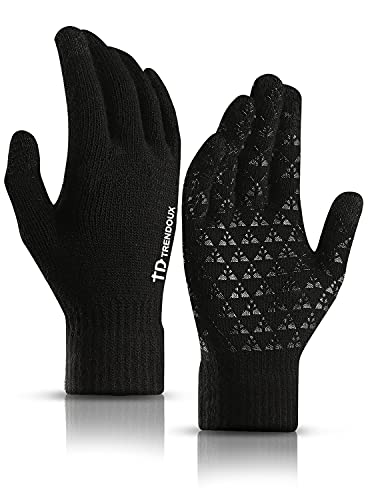
A touchscreen-compatible thermal glove allows full phone operation without removing the glove — which eliminates the repeated on-and-off cycle that is both a dexterity challenge and a cold exposure risk for hands managing Raynaud’s or circulation issues. Look for gloves where the touchscreen compatibility is built into all fingertips rather than just the index finger, which gives you full phone function. Thermal lining — fleece or Thinsulate — is the warmth standard to look for; look specifically for these terms in the product description rather than relying on general warmth claims.

Fingerless gloves that cover the palm, wrist, and lower finger while leaving the fingertips free are the most dexterity-preserving hand warmth option available. For chronic illness bodies managing hand weakness, joint pain, limited grip, or the need for constant fine motor access throughout the day, these are the gloves that make fall outings functionally possible rather than just warm. Look for a style with enough wrist coverage to tuck under a coat sleeve — this eliminates the cold gap between glove and coat that undermines the warmth of both. A stretchy knit construction accommodates swollen fingers without restriction.

Convertible mittens — where the mitten top flips back to reveal a fingerless glove beneath — give you both warmth options in a single piece without requiring you to carry two different gloves. The mitten position provides maximum warmth when you are not performing fine motor tasks; the flip-back position gives you full finger access when you need it, without removing the glove entirely. This is the option that most completely solves the warmth-versus-dexterity trade-off for chronic illness bodies that need both at different moments throughout the same outing.

Heated gloves with a rechargeable battery element are the most effective warmth option for chronic illness bodies managing Raynaud’s, severe circulation issues, or the kind of cold sensitivity that standard thermal gloves cannot adequately address. Battery-heated gloves maintain a consistent warmth that passive insulation cannot guarantee, which matters specifically for conditions where hand temperature has real physiological consequences rather than just comfort ones. Alternatively, rechargeable electric hand warmers that slip into glove pockets provide the same active heat in a more flexible format that can be used with any glove you already own.
The accessory is not a small thing when you have chronic illness
Mainstream accessory advice treats bags and scarves and hats and gloves as finishing touches — the last thing you add to an outfit, the first thing you are willing to compromise on. For chronic illness bodies, this hierarchy is inverted. The bag strap is a structural decision with consequences for your neck and shoulder. The scarf is a sensory input your nervous system will register continuously for as long as you wear it. The hat is a pressure point on a head that may already be managing pain. The gloves are the difference between hands that function and hands that do not.
Treating accessories as medical decisions rather than aesthetic afterthoughts is not an overreaction. It is an accurate reading of what your body is telling you when the wrong bag leaves you with a headache at 2 p.m., when the wrong hat compounds a migraine you were managing, when the thin strap adds a pain layer that persists into the next morning. Your accessories are in contact with your body all day. They deserve the same consideration as everything else you put on it.
The pieces in this post were chosen with that consideration already made. You do not have to choose between looking intentional and feeling tolerable. In the right scarf, the right bag, the right hat, the right gloves, you get both — and you get through the day without your accessories having added a single symptom to the ones you were already managing.
That is not a small thing. For a chronic illness body navigating fall, it is close to everything.
You have learned how to dress for your chronic illness body. You have learned which fabrics, which silhouettes, which accessories work and which ones cost you. The next layer of that same skill is language — knowing how to communicate what your body needs to the people and systems that are supposed to support it. Say This: 30 Scripts for Chronic Pain Communication gives you thirty ready-to-use scripts for those conversations. Because advocating for your body should be as intentional as everything else you do for it. Get your copy here →