
Christmas Wish List for Chronic Illness: What to Ask For (and What to Politely Skip) This Year
The content on this site was created with the help of AI. LOVEOWE LLC participates in the Amazon Services LLC Associates Program and other affiliate programs. As an Amazon Associate, I earn from qualifying purchases. This means I may earn a small commission—at no extra cost to you—when you make a purchase through links on this site. All opinions are my own. Learn more click here. Thank you for your support!

Every December, someone in my family asks what I want, and for years my honest answer was, “To not have to explain it again.” Out loud, I said something else. I said, “Oh, nothing, I’m good,” and smiled, because “nothing” was easier than a conversation about why the heavily scented candle set from last year was still in a closet and why the pretty sweater with the scratchy tag never made it out of the box.
Then Christmas morning arrived, and I unwrapped things given with love that my body simply could not use. I said thank you. I meant it. And I felt a small, familiar ache, because the people who care about me most were guessing in the dark, and I was the one who had turned off the light.
This year I changed that. I wrote a wish list, a real one, and I handed it over without apologizing. It was one of the kindest things I have done for everyone involved. If you have been saying “nothing” for years, this post is for you. Below is how to build a wish list that works, sixteen things worth asking for, a short list of what to politely skip, and the words for handing it all over with a smile.
Why “Nothing, I’m Fine” Backfires
Saying “nothing” feels generous. It lets people off the hook, keeps the peace, and avoids the awkward moment of explaining that, no, you cannot wear perfume or tolerate stiff fabric or stand through a long outing. But in practice, it does the opposite. People who love you still want to give you something, so they guess. And when you live with chronic pain or illness, guessing goes wrong more often than it goes right.
The gifts that miss are rarely careless. They come from people picturing a version of you who is healthy, or a version who is sick in a way they have imagined, which usually means a “get well” basket. Neither picture matches your actual life. And the cost of those misses is real: wasted money for them, wasted space for you, and a lingering sense that you are not seen.
A wish list fixes this. It does not make you greedy. It gives the people who love you a map, and most of them are relieved to have it. Think of it as one of the simplest forms of self-advocacy there is: telling the truth about what helps, before the wrapping paper comes out.
How to Build a Wish List That Actually Works
Before you add a single item, a few ground rules make the whole list easier to use and easier to share. These are the ones I wish I had known years ago:
- Include a range of prices. A list with only $15 items and $200 items leaves the middle empty. Give your family options at every level, including a few that are easy for a coworker or distant relative to pick up.
- Ask for things you will use every week. The best gifts for a body that has hard days are practical and gentle. A beautiful object you will never touch is not a gift. It is clutter with a bow.
- Say what to avoid, too. A short “please skip” line saves everyone from the scented-lotion situation. I cover this in a moment.
- Add sizes and details. Soft fabrics, elastic waists, and fragrance-free labels are the details that make a gift usable. Write them on the list so nobody has to guess.
- Let one person coordinate. Pick the family member who loves a spreadsheet and ask them to keep track of who is buying what. It prevents duplicates and takes a task off your plate.
One more thing: if a gift on this list gives you ideas for yourself, take them. A wish list is also a lovely way to figure out what you want to buy for your own comfort. Pieces of this list overlap with my Chronic Illness Gift Guide, which is written for the person shopping for you. This one is written for you, the person making the list.
Small Gifts to Ask For: Easy, Thoughtful, and Under $40
Start here. Small gifts are the easiest for a relative who does not know what to buy, and they are the ones you will quietly use all winter. A good small gift removes a tiny annoyance from your day, and that adds up. Here are four I would happily put on any list.

Winter strips your hands, and many hand creams smell strong enough to bother a sensitive nose. A fragrance-free cream gives you the comfort without the perfume. Keep one in your bag, one by the bed, and one at your desk.

A tumbler with a handle and a straw is a small win for sore hands and tired days. It keeps coffee hot or water cold for hours and is easy to carry from room to room. If you struggle to lift heavy mugs, this is a gentle fix.

This is the answer to the scented candle problem. Flameless candles give you the glow without the fragrance or the fire risk, and many come with a remote or timer. They set the mood for a cozy evening without triggering anything.

It is not glamorous, but a good organizer makes your days smoother. Look for large compartments and lids that open without a fight. Ask for one that suits your routine, and talk to your pharmacist or provider about how to set up your medications.
Comfort Gifts You Will Use Every Single Day
This is the heart of a good wish list. Comfort gifts are the ones that make your ordinary days feel softer, and they are the easiest to justify, since you will use them constantly. The key is choosing materials and cuts that work with a sensitive body. Think soft, warm, and forgiving, with nothing that rubs or pinches.

A good robe is a daily luxury. Look for an easy wrap or zip front, deep pockets, and a lining that feels gentle on your skin. It is also a wonderful thing to ask for from a family member who wants to give you something you will wear every morning.

A heated throw gives you warmth on demand without a heavy pile of blankets. Choose one with an automatic shut-off and a simple controller. As with any heated product, check the safety instructions, and ask your provider if you have reduced sensation or skin concerns.

A supportive cushion changes how a chair, car seat, or couch feels. Memory foam with a breathable cover works well for most bodies. It is a quiet gift that you will use all year, not just in December.

Your feet deserve a little padding. Memory foam slippers with a grippy sole protect against cold floors and slips at the same time. Ask for your usual size and a roomy fit, so nothing pinches if your feet swell.
What to Politely Skip (and How to Say So Kindly)
The “ask for” half of a wish list is the fun part. The “please skip” half is where self-advocacy lives, and it is the part most of us avoid. We worry it sounds ungrateful. It does not. A clear skip list is a gift to the person shopping, because it saves them from spending money on something you cannot use. Here are the categories I put on mine:
- Strongly scented products. Candles, perfumes, lotions, and bath sets can set off headaches and flares. If it has a fragrance, it needs to be mild or unscented.
- Supplements, cleanses, and “miracle” cures. These come from a loving place, but they can interact with medications and imply that you are not doing enough. Decisions about those belong with you and your provider.
- Tight or stiff clothing. Anything with a stiff waistband, a scratchy tag, or a sizing gamble is a risk. Soft, stretchy, and forgiving is the rule.
- Gifts that create work. Plants that need constant care, hand-wash-only items, and anything with a hundred pieces to assemble add to your to-do list.
- Experiences that assume energy you may not have. A day-long outing is a lovely idea on paper. If you want an experience, ask for one you can do at your own pace, or one with a flexible date.
Here is the tricky part. Even with the list written, someone will still say, “But I already bought it,” or “It would not hurt to try just once.” Your pain is real pain, different cause, and it deserves to be taken seriously, even at the holiday table. This is the moment when most of us go quiet and accept the gift, because we do not have the words ready.
That is the exact reason I wrote Say This: 30 Scripts for Chronic Pain Communication. The right sentence, said warmly and ahead of time, can turn “no scented gifts” from an awkward moment into a simple fact your family just knows. Handing over a wish list is the easy part. Having the words for the follow-up is what makes it stick.
From the Say This ebook
Handing your family a wish list is one thing. Saying “please, no scented gifts” without a lecture or an apology is another. Say This: 30 Scripts for Chronic Pain Communication gives you the words for the exact moment you hand over the list and the moment someone pushes back.
Get Say This before the holiday gatherings start →
Gifts That Make Hard Days Easier
This is the practical section, and it is the one I would encourage you to be most honest about. The best gifts for a body with hard days are the ones that take effort off your plate. They are not exciting to unwrap, and they are the ones you will thank someone for in February. If a family member wants to do something meaningful, point them here.

If you have ever stood in the kitchen fighting a stubborn lid, you already know. An electric opener grips the lid and twists it for you, which spares your hands. It is a small tool that gives back a surprising amount of independence.

A cushioned lap desk turns your couch or bed into a comfortable workspace for meals, laptops, or journals. Look for one with a stable surface and a lip that stops things from sliding. It is a gift for slow mornings and low-energy afternoons.

A reacher saves you from bending, stretching, and climbing for things on high shelves or under furniture. There is no shame in tools that make your home easier to live in. Ask for a lightweight one with a comfortable handle.
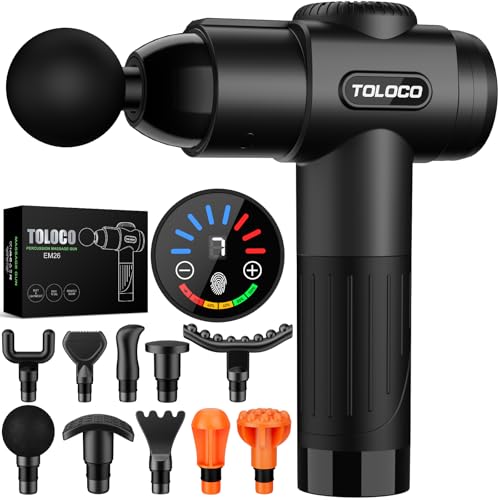
A handheld massager can feel wonderful on tight shoulders and tired legs. Start on the lowest setting and use a gentle touch. If you have a medical condition, check with your provider about what is safe for your body.
Big Gifts Worth Pooling For
Some things on your list are bigger than one person needs to buy alone. Maybe your parents, siblings, or friends would love a way to give you something meaningful together. Group gifts are a lovely solution, and they let you ask for something that changes your daily life. These four are my picks for the ones worth chipping in on.

Floors are one of those chores that quietly drain your energy. A robot vacuum handles the daily work while you rest, and many can run on a schedule. It is a thoughtful pooled gift because it gives you time and energy back every single week.

An air fryer makes quick, simple meals with less standing and less cleanup. It heats fast and is easy to operate with one hand. For days when cooking feels like too much, it is a very welcome helper.
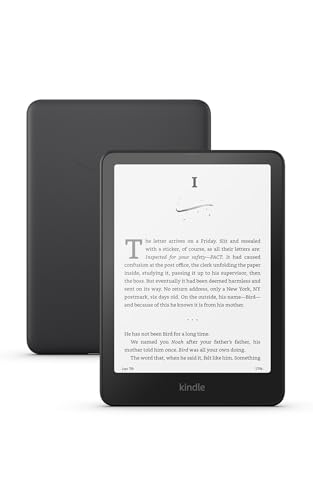
A lightweight e-reader is far easier to hold than a heavy book, and the backlight lets you read comfortably in bed. You can enlarge the text and switch to a warm glow in the evening. It is perfect for long recovery days and quiet winter nights.

A heated massage cushion that sits on a chair or couch can be a soothing end-of-day ritual. Check the intensity settings, use the timer, and follow the instructions. As with any heat or massage product, ask your provider first if you have health concerns.
How to Hand Your List to Your Family
You have the list. Now you need a graceful way to share it, and the good news is that it can be easy. Here is the approach that worked for me:
- Use an Amazon wish list or a simple shared note. A single link is easier than a long text. Organize it by price so people can choose what fits.
- Send it early. Do not wait until the week before Christmas. Early lists give people time to shop without stress.
- Add one friendly sentence. Something like, “I made a list to make shopping easier for you, and these are things I will really use.” Warm, short, and no apology.
- Thank people for the effort, not only the object. Gratitude keeps the whole thing generous, even when a gift misses.
If a gift still lands wrong, you can thank the person and quietly pass it along. You do not owe anyone your discomfort. You owe yourself some care, and the only debt you carry is love, starting with you.
The Gift of Being Known
When I handed over my list this year, a relative I had not expected to say much looked at it for a long moment and said, “I wish you had told me sooner.” She was not annoyed. She was relieved. All those years of guessing had been as uncomfortable for her as the scented candles had been for me.
That is the real gift of a wish list. It is not about getting more or better things. It is about letting the people who love you into the details of how you live, so they can meet you where you are. Start your list tonight, even if it only has three things on it. You can add to it as you go.
One more thing
If this is the year you finally tell your family what you need, start with the words. Say This: 30 Scripts for Chronic Pain Communication is written in the same best-friend voice as this blog, for the moments when you know what you want to say and cannot find the sentence.
Merry Christmas, my love. May your list be honest and your gifts be gentle.
This post is for general information and gift inspiration and is not medical advice. Please talk with your healthcare provider about medications, supplements, heat, massage, or anything else that affects your health.