Chronic Illness Gift Guide: What to Actually Give Someone Who Lives with Pain
The content on this site was created with the help of AI. LOVEOWE LLC participates in the Amazon Services LLC Associates Program and other affiliate programs. As an Amazon Associate, I earn from qualifying purchases. This means I may earn a small commission—at no extra cost to you—when you make a purchase through links on this site. All opinions are my own. Learn more click here. Thank you for your support!

Every year around this time, someone who loves me asks what I want for the holidays. And every year I pause for a beat too long — because the honest answer is complicated. What I want is a body that cooperates. What I need is things that make the body I have a little easier to live in. And what I can actually say out loud, to someone who doesn’t fully understand what my days look like, is some version of “I don’t know, surprise me.”
That pause is what this post is for.
If you’re chronically ill, this is the list you forward without explanation. If you love someone who is, this is the guide that will actually help you get it right — not because you now understand everything about what they’re managing, but because every single thing on this list was chosen by someone who does. No bath bombs that irritate sensitive skin. No “self-care” sets that assume an energy level that doesn’t exist. No well-meaning gifts that quietly suggest they just need to relax more.
Just things that genuinely help. Things that say: I see you, I thought about you, and I wanted your life to feel a little softer.
What Makes a Good Chronic Illness Gift
Before we get into the list, it’s worth saying what we’re optimizing for — because a good chronic illness gift isn’t just a nice gift. It’s a gift that understands something specific about what it means to live in a body that doesn’t always cooperate.
The best gifts for someone with chronic illness do at least one of the following: they reduce friction on a hard day, they add comfort or warmth or sensory ease, they support the person’s ability to do something they love without paying as high a physical price, or they simply make them feel seen and beautiful in a life that can sometimes feel defined by limitation. A good chronic illness gift never makes the recipient feel like a patient. It makes them feel like a person who is deeply, thoughtfully cared for.
That’s the standard everything on this list was held to.
Comfort and Warmth: For the Body That Needs Both
Temperature regulation, nerve sensitivity, and muscle tension are constants for a lot of chronic conditions — which means warmth isn’t a luxury, it’s a genuine physical need. The gifts in this category aren’t spa-day aesthetics. They’re functional comfort that also happens to be beautiful.

A heating pad that also applies gentle pressure is one of the most effective tools for chronic pain — the combination of heat and weight helps relax muscle tension and calm an activated nervous system at the same time. Look for one with multiple heat settings and an auto-shutoff so it’s safe to fall asleep with.

Not all blankets are created equal when you’re managing skin sensitivity or nerve pain. A cashmere-blend throw is genuinely soft in a way that synthetic fabrics aren’t — it doesn’t pill, it doesn’t itch, and it drapes beautifully over a couch or chair so it’s always within reach. This is the gift that gets used every single day.

Neck and shoulder tension is one of the most common physical complaints across almost every chronic condition — whether it’s from pain compensation, stress, or the condition itself. A microwavable wrap that drapes over the neck and shoulders delivers moist heat exactly where it’s needed without requiring any effort to hold in place.

A good robe is a flare day uniform. It goes on without effort, keeps the whole body warm, and has pockets for a phone, a heating pad pack, or medication. The sherpa lining adds a layer of sensory comfort that cheaper robes skip entirely — and it feels intentionally luxurious rather than like giving up on the day.
Rest and Sleep: For the Person Who Never Quite Gets Enough
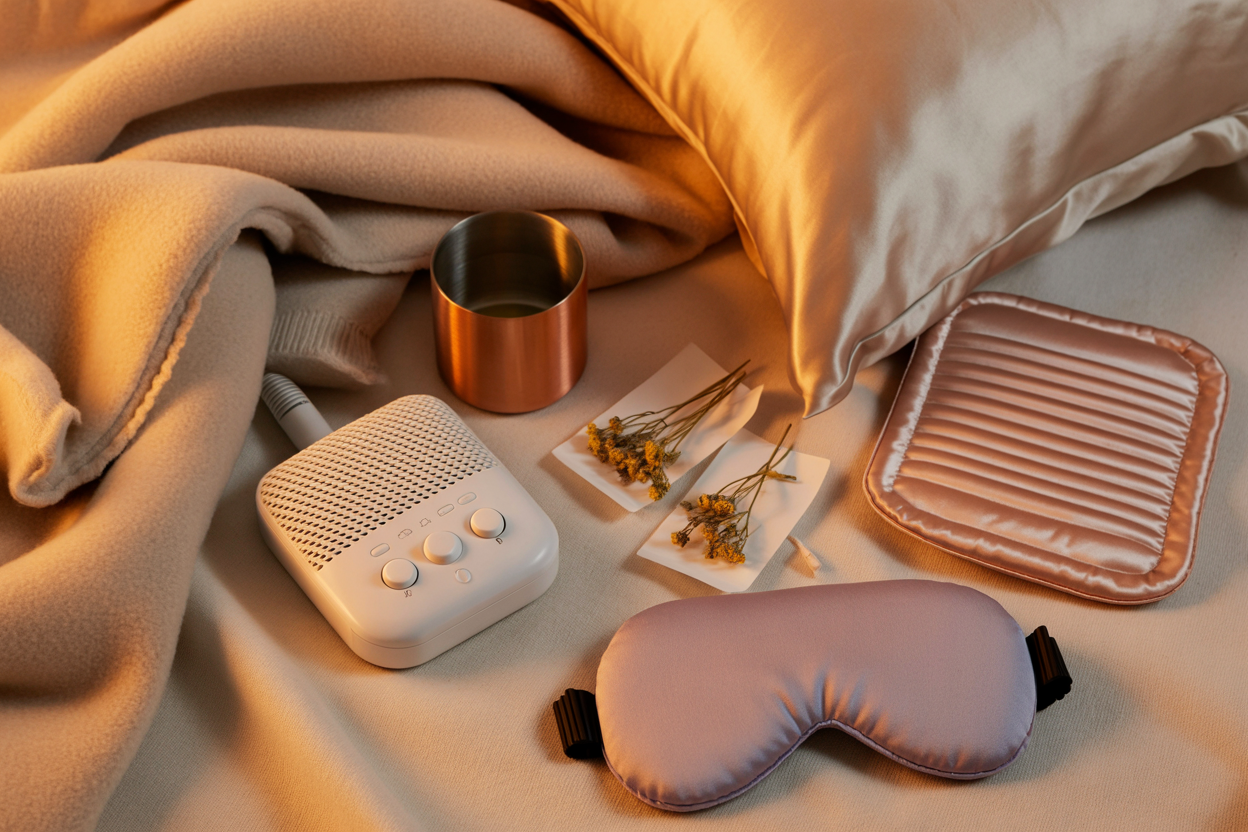
Poor sleep is one of the most universal experiences across chronic conditions — whether it’s pain that wakes you up, a nervous system that won’t settle, medication side effects, or the anxiety that lives alongside a body you can’t always predict. Gifts that support better rest aren’t a cliché. They’re some of the most genuinely useful things you can give.
The Gift That Helps Them Be Heard
If there’s someone in your life navigating chronic illness, one of the most powerful things you can give them is the confidence to advocate for themselves in medical spaces. My ebook Say This: 30 Scripts for Chronic Pain Communication is 30 ready-to-use scripts for the appointments, the dismissals, and the conversations that are hardest to have. It’s a gift that says: your pain is real, and you deserve to be heard.Get the Scripts →

A silk or satin pillowcase reduces friction against the skin and hair during sleep — which matters more than it sounds when you’re managing skin sensitivity, chronic inflammation, or the hair loss that can come with certain conditions and medications. It’s also temperature-regulating, which helps when night sweats or heat sensitivity disrupt sleep.

The gentle pressure of a weighted eye mask signals the nervous system to downshift — useful for anyone whose body has trouble transitioning into rest. It also blocks light completely, which helps with the light sensitivity that accompanies conditions like migraines, lupus, and fibromyalgia. Heated versions are available for people who find warmth around the eyes soothing.
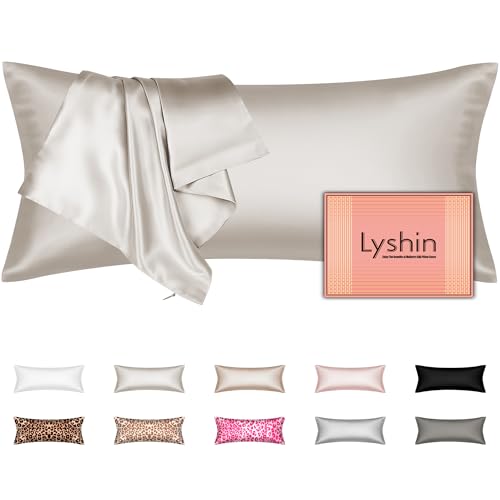
A full-length body pillow or C-shaped support pillow helps people with hip, back, and joint pain find a sleeping position that doesn’t require constant repositioning through the night. This is one of those gifts that sounds utilitarian but is genuinely life-changing for the right person — ask them first if you’re unsure about their sleep setup.

Sound sensitivity is common with chronic illness, and the wrong sleep environment — traffic noise, a partner’s breathing, the house settling — can make falling and staying asleep almost impossible. A dedicated sound machine (not a phone app, which keeps the phone in the bedroom) delivers consistent, soothing sound all night without disruption.
Nourishment and Ritual: For the Person Who Deserves to Be Taken Care Of
Nourishment looks different when you’re managing chronic illness. It’s slower, more intentional, and often more limited than the food culture around you assumes. The gifts in this category support a nourishing life on the recipient’s own terms — making it easier to eat well, prepare food without exhausting themselves, and build small rituals that make the day feel like something worth inhabiting.
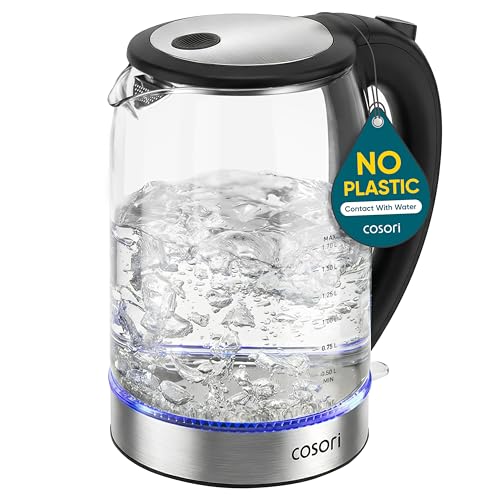
Anti-inflammatory teas, herbal adaptogens, matcha — so much of what nourishes a chronically ill body starts with hot water at the right temperature. A kettle with precise temperature settings is a small upgrade that makes the daily ritual of a warm drink feel more intentional, and it reduces the standing time at the stove on hard days.

Hydration is a constant management task with chronic illness, and a genuinely good insulated tumbler — one that keeps drinks cold for hours and hot for just as long — makes the habit easier to maintain. The wide mouth matters for easy cleaning and for ice. A handle matters for days when grip strength is reduced. A straw helps for the ease swallowing.

A curated set of anti-inflammatory teas or cooking spices — turmeric, ginger, ashwagandha, chamomile, moringa — makes a genuinely thoughtful gift for someone managing chronic inflammation. It’s practical and beautiful, and it signals that you paid attention to what actually helps rather than defaulting to something generic.

Cookbooks built around simplicity — five ingredients, one pot, thirty minutes — are genuinely useful for people managing fatigue and pain. Look for one that centers anti-inflammatory eating or whole foods without requiring hours of standing. The right cookbook is one of the most used gifts a chronically ill cook can receive.
Ease and Accessibility: The Gifts That Reduce Daily Friction
Some of the most impactful gifts for someone with chronic illness aren’t glamorous. They’re the things that remove a small daily obstacle — that make opening a jar possible on a bad hand day, that mean one less trip across the apartment, that eliminate the decision fatigue of figuring out how to do an ordinary thing when your body isn’t cooperating. These gifts say: I thought about the details of your actual life.

Hand and wrist pain, reduced grip strength, and joint inflammation make ordinary kitchen tasks disproportionately difficult. An electric jar and can opener removes one of the most frustrating daily friction points entirely — and it’s the kind of gift that, once received, a person wonders how they lived without.

Bending, reaching, and crouching are among the most pain-triggering movements for people with back, hip, and joint conditions. A quality grabber tool — one with a strong grip and a comfortable handle — means not having to choose between getting something off the floor and paying for it in pain for the rest of the day. Get one for every room if you can.

Medication management is a real and daily task for most chronically ill people, and a well-designed pill organizer — one that’s easy to open, clearly labeled, and portable enough to travel with — is a genuinely practical gift. Look for one with easy-press lids rather than twist-open caps, which can be difficult on high-pain hand days.

A lap desk transforms the couch or bed into a functional workspace — which matters enormously on days when getting to a desk isn’t possible. Look for one with a cushioned base that doesn’t trap heat, a raised edge to keep things from sliding, and enough surface area for a laptop or journal. It’s one of the most quietly useful things a chronically ill person can own.
One More Gift Worth Giving
If the person you’re shopping for has ever left a doctor’s appointment feeling dismissed, unheard, or like they couldn’t find the right words — this is the gift for that. Say This: 30 Scripts for Chronic Pain Communication is a practical, empowering guide to navigating the conversations chronic illness makes hardest. It’s the kind of gift that says: I believe you, I want you to be heard, and I want to help.Get the Scripts →
The Real Gift Is Paying Attention
Every item on this list exists because someone with chronic illness needed it — not because a gift guide algorithm decided it was popular this season. That’s the difference between a gift that lands and one that misses: whether it shows that you paid attention to the actual life the person is living.
You don’t have to understand everything about what they’re going through to give a great gift. You just have to know that their body works differently, that some days are harder than others, and that they deserve to feel cared for in ways that actually match their reality.
Send this list to someone who asks what you want. Forward it to someone who wants to get it right. And if you’re the one doing the shopping — thank you for caring enough to look.
The person in your life who is managing a chronic condition is doing something incredibly hard, often invisibly, and usually without complaint. A gift that sees that — that says “I know your days aren’t easy and I wanted to make them softer” — is worth more than anything on any list.
And if you want to give them something that helps them speak up in the spaces where it matters most, Say This: 30 Scripts for Chronic Pain Communication is exactly that. Because being heard is the gift that keeps giving long after the holiday season ends.